Delaware Chicken Breed Guide: Eggs, Size, Care
Everything you need to know about Delaware chickens. Covers 200-280 eggs/year, dual-purpose traits, calm temperament, and heritage breed care tips.
Researched from university extension, USDA, and veterinary sources. How we research.
Delaware chickens lay 200-280 large brown eggs per year, grow fast enough for the dinner table, and have one of the friendliest temperaments you'll find in a backyard breed. They're an American heritage breed that nearly disappeared in the 1950s, but backyard flock owners are bringing them back for good reason. If you want a single breed that handles eggs, meat, and personality, the Delaware deserves a spot on your shortlist.
What You'll Learn
- •Delaware Chicken Overview
- •History and Origin
- •What Do Delaware Chickens Look Like?
- •How Big Do Delaware Chickens Get?
- •Delaware Chicken Temperament
- •How Many Eggs Do Delaware Chickens Lay?
- •Are Delaware Chickens Good for Beginners?
- •Delaware Chickens as Dual-Purpose Birds
- •Housing and Space Requirements
- •Feeding Your Delaware Chickens
- •Health Issues to Watch For
- •Delaware vs Other Popular Breeds
- •Where to Buy Delaware Chickens
- •Frequently Asked Questions
Delaware Chicken Overview
| Trait | Details |
|---|---|
| Origin | United States (Delaware, 1940s) |
| Size | Roosters: 7.5 lbs, Hens: 5.5 lbs |
| Egg Production | 200-280 eggs/year |
| Egg Color | Brown (large to jumbo) |
| Temperament | Calm, friendly, curious |
| Cold Hardy | Yes |
| Heat Tolerant | Moderate |
| Broody | Occasionally |
| Beginner Friendly | Yes |
| Conservation Status | Recovering (Livestock Conservancy) |
History and Origin
The Delaware chicken has one of the most interesting origin stories in American poultry. It wasn't bred on purpose, at least not at first.
In the 1940s, a poultry farmer named George Ellis in the state of Delaware noticed something unusual. When he crossed Barred Plymouth Rock roosters with New Hampshire Red hens, some of the offspring came out with a striking white plumage pattern instead of the expected barring. Rather than discarding these "sports" (genetic oddities), Ellis saw potential.
He selectively bred these white offspring and created a fast-growing, heavy-bodied bird that laid well and dressed out clean for the table. For about 10 years, the Delaware was the dominant broiler breed on the Delmarva Peninsula, the region that still produces a huge chunk of America's commercial chicken today.
Then the Cornish Cross came along in the late 1950s. This industrial hybrid grew even faster, and within a decade, the Delaware was virtually wiped out of commercial production. The breed's numbers plummeted so severely that the Livestock Conservancy listed it as critically endangered.
Thanks to dedicated breeders and the heritage poultry movement, Delaware chickens are slowly recovering. They're still uncommon compared to breeds like the Rhode Island Red or Plymouth Rock, but they're no longer on the brink. Every backyard flock that includes Delawares helps keep this American original alive.
What Do Delaware Chickens Look Like?
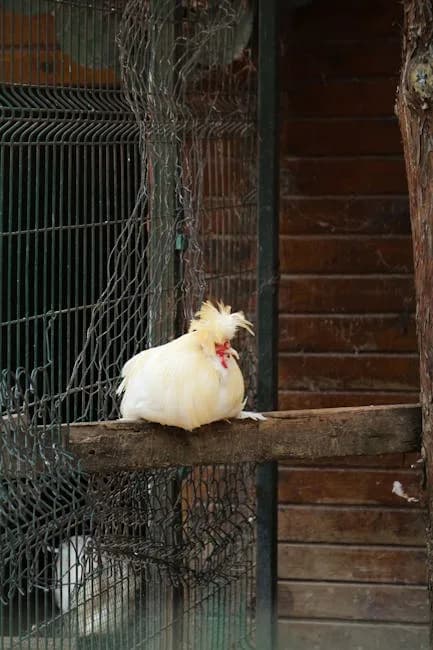
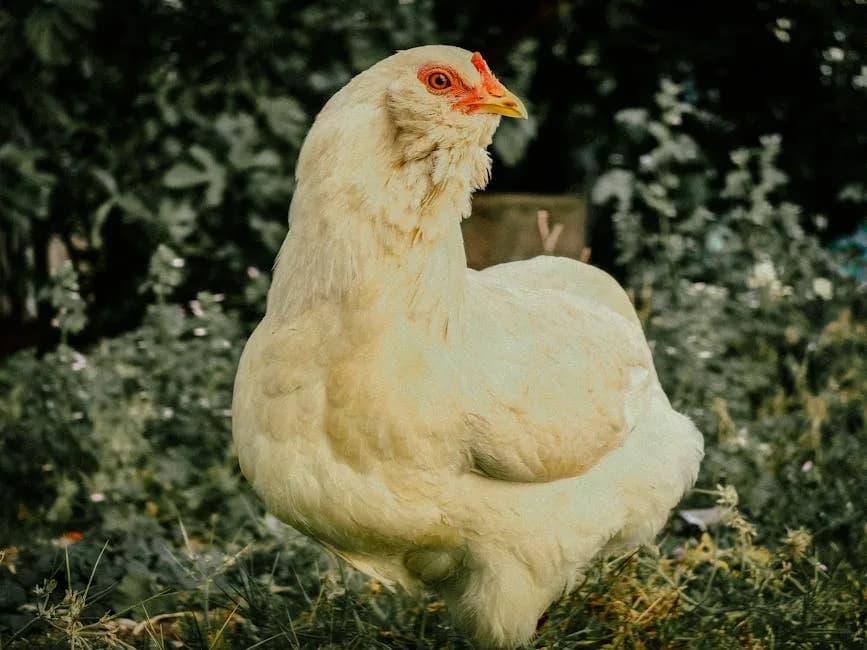
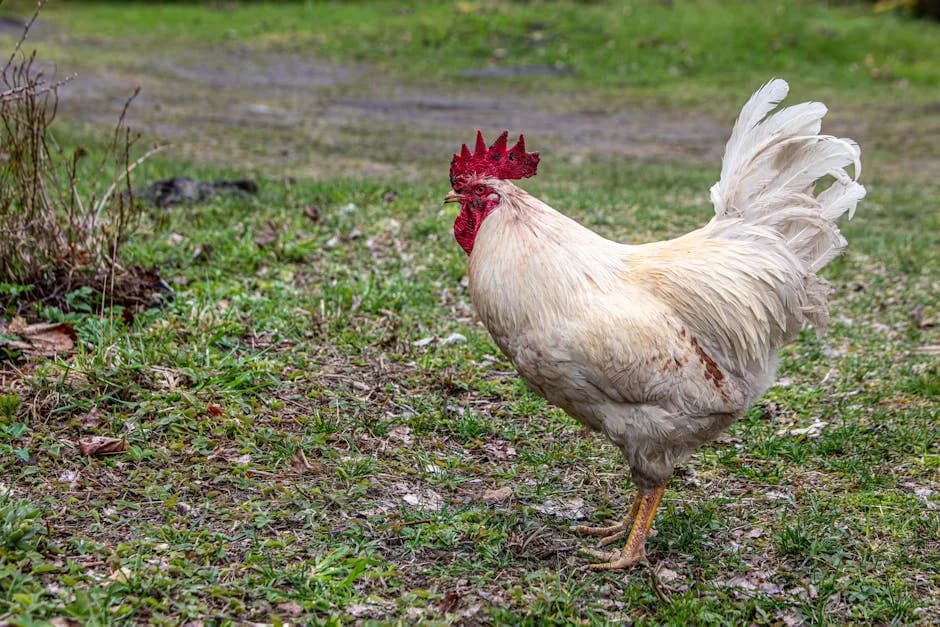
Delawares have a clean, distinctive look that's easy to spot. Their body plumage is mostly white, with black barring (called "Columbian" patterning) on the hackle feathers around the neck and on the tail. The barring is incomplete, meaning it's more like irregular black striping than the crisp bars you'd see on a Barred Rock.
Their skin is yellow, which was important for the commercial market since American consumers traditionally preferred yellow-skinned birds. The comb is a single red comb, moderately sized. Wattles and earlobes are red. Their legs are yellow and clean (no feathering).
Overall, they've got a broad, muscular body that screams "dual purpose." They look like a working bird, not a show bird, though they're handsome in their own straightforward way.
How Big Do Delaware Chickens Get?
Delawares are a solid, medium-to-large breed. Here's how they stack up:
- •Roosters: 7.5 lbs (3.4 kg)
- •Hens: 5.5 lbs (2.5 kg)
- •Bantam roosters: 34 oz
- •Bantam hens: 30 oz
They're comparable in size to New Hampshire Reds and slightly smaller than Jersey Giants. What sets them apart is growth rate. Delaware chicks put on weight quickly, which is why they were originally bred as broilers. You'll notice they feather out fast and reach a respectable size within 16-20 weeks.
For backyard keepers, this means you won't wait forever for your Delawares to start looking like actual chickens. They fill out nicely without the exaggerated bulk of Cornish Cross birds.
Delaware Chicken Temperament
This is where Delawares really shine. They're one of the friendliest dual-purpose breeds you'll encounter. Here's what you can expect:
Calm and confident. Delawares don't spook easily. They'll approach you for treats, follow you around the yard, and generally act like they've got nothing to worry about. They're curious birds that like to investigate new things rather than run from them.
Gentle with people. Many Delaware owners report that their birds enjoy being handled. They won't fight you when you need to pick them up for health checks, and they're patient enough around kids that families love them.
Assertive with other chickens. Delawares tend to land in the middle to upper range of the pecking order. They're not bullies, but they won't let themselves get pushed around either. This makes them a good fit for mixed flocks since they can hold their own without terrorizing smaller breeds.
Active foragers. Give them space to roam and they'll spend hours scratching and hunting for bugs. They're excellent free-range birds that can meaningfully supplement their feed with what they find in the yard.
If you've been burned by flighty, nervous breeds in the past, Delawares are a welcome change. They've got the kind of steady personality that makes daily chores feel easy.
How Many Eggs Do Delaware Chickens Lay?
Delaware hens are strong layers by heritage breed standards. Here are the numbers:
- •Annual production: 200-280 eggs per year
- •Weekly average: 4-5 eggs
- •Egg size: Large to jumbo
- •Egg color: Brown (sometimes with a pinkish tint)
- •Start of lay: 18-22 weeks
Those numbers put them right alongside breeds like the Australorp and Sussex in terms of productivity. You won't get 300+ eggs like a commercial Leghorn, but for a heritage dual-purpose bird, 4-5 eggs a week from each hen is excellent.
One thing Delaware keepers notice is egg size. These hens tend to lay jumbo eggs, especially as they mature past their first year. If you sell eggs at a farmers market, jumbo eggs command a premium.
Delaware hens will occasionally go broody, but it's not as frequent as with Cochins or Buff Orpingtons. When they do go broody, they're reportedly good mothers. So if you want to hatch some chicks naturally, it's possible, just don't count on it happening on your schedule.
Their egg production does slow down during winter, like most breeds. A coop light on a timer (14-16 hours of total light) can help maintain production through the shorter days. Check out our winter chicken care guide for more tips on keeping egg production up when it's cold.
Are Delaware Chickens Good for Beginners?
Yes, and here's why they're one of the better choices for a first-time flock:
Low maintenance. Delawares are hardy birds that don't need special accommodations. They tolerate cold weather well, they're not prone to unusual health problems, and their calm temperament means less stress during daily care.
Friendly enough to learn with. When you're new to chickens, handling nervous or aggressive birds makes everything harder. Delawares let you practice health checks, nail trimming, and general flock management without a fight.
Dual-purpose flexibility. As a beginner, you might not be sure whether you want chickens for eggs, meat, or both. Delawares give you all three options. Start with eggs, and if you decide to process extra roosters later, you've got birds that dress out well.
Good in mixed flocks. Most beginners buy an assortment of breeds from a hatchery. Delawares integrate well without dominating or getting bullied, which keeps flock dynamics manageable.
The only caveat: if you live somewhere very hot, Delawares handle it okay but not as well as lighter, Mediterranean breeds like Leghorns. In the South, make sure you've got plenty of shade and fresh water during peak summer.
Delaware Chickens as Dual-Purpose Birds
"Dual purpose" means a breed that's productive enough for both eggs and meat, and the Delaware is one of the best examples in the heritage category.
On the egg side, you're getting 200-280 large-to-jumbo brown eggs per year. That's competitive with most popular backyard breeds and well above what ornamental breeds produce.
On the meat side, Delawares grow faster than most heritage breeds. Roosters reach 7.5 lbs, and because they have yellow skin and broad breasts (for a heritage bird), they present well as a table bird. The meat has more flavor than a commercial Cornish Cross, though you won't get the same enormous breast proportions. Heritage chicken meat is a different experience entirely, and many people prefer it.
George Ellis originally developed the Delaware specifically as a commercial broiler/egg bird, so dual-purpose performance is baked into the breed's DNA. They won't outperform specialized laying or meat hybrids, but they give you a solid return on both fronts from a single breed.
If you're interested in raising chickens for meat, our raising chickens for meat guide covers processing timelines, feed ratios, and what to expect.
Housing and Space Requirements
Delawares aren't fussy about housing, but they do best with enough room to express their active, foraging nature.
Coop space: Plan for 4 square feet per bird inside the coop, the standard recommendation for large breeds. They'll tolerate tighter quarters in winter, but overcrowding leads to pecking problems and stress.
Run space: At least 10 square feet per bird in an outdoor run. If you can let them free-range, even better. Delawares are excellent foragers and will make the most of whatever space you give them.
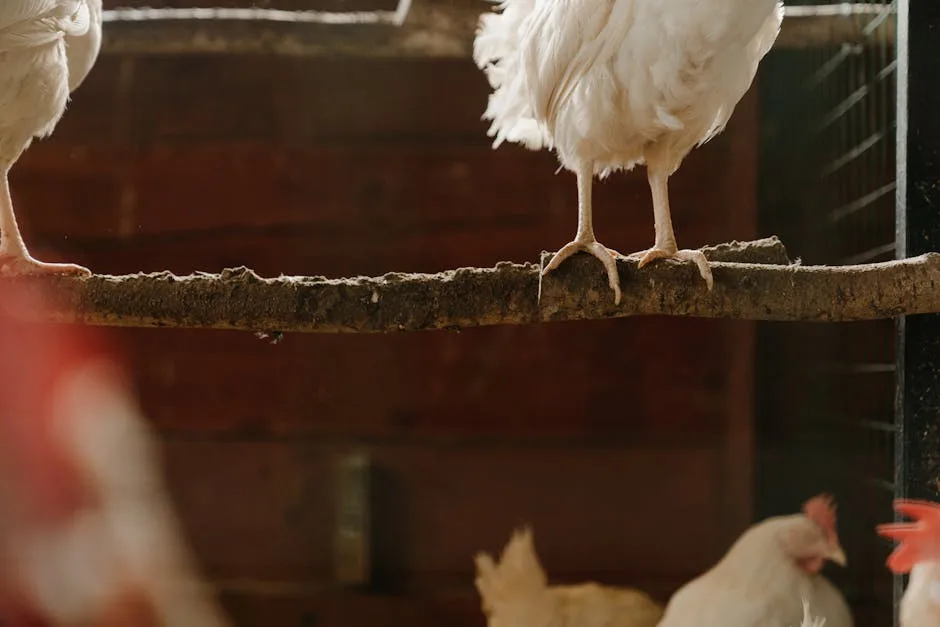
Roosting bars: Provide 10-12 inches of roosting space per bird. Delawares prefer the highest roost, so make sure your bars are sturdy enough to handle their weight.
Nesting boxes: One box for every 3-4 hens. Standard 12x12 inch boxes work fine.
Ventilation matters. Like all chickens, Delawares need good airflow in the coop to prevent respiratory problems and frostbite from moisture buildup. This is especially important in cold climates. Don't seal the coop tight thinking you're keeping them warm; you're actually trapping dangerous humidity. Our how to build a chicken coop guide covers ventilation in detail.
Fencing note: Delawares aren't strong fliers, but they can clear a 4-foot fence if motivated. A 6-foot fence or covered run will keep them contained. Check out our best chicken run fencing guide for options.
Feeding Your Delaware Chickens
Delawares don't need a special diet, but getting the basics right ensures maximum egg production and healthy growth.
Chicks (0-8 weeks): Starter feed with 18-20% protein. Keep feed and clean water available at all times. Our raising chicks week-by-week guide has a detailed feeding schedule.
Pullets (8-18 weeks): Switch to grower feed with 16-18% protein. This supports their rapid growth without pushing them to lay too early.
Laying hens (18+ weeks): Layer feed with 16% protein and added calcium for strong eggshells. Offer oyster shell on the side, free-choice, so each hen can take what she needs.
Roosters and non-laying birds: All-flock feed (16% protein) works well. Roosters don't need the extra calcium in layer feed, and too much can cause kidney issues over time.
Treats and supplements: Kitchen scraps, mealworms, and fresh greens make great treats but shouldn't exceed 10% of their total diet. Grit should always be available if they don't have access to natural ground.
For a deep dive on chicken nutrition, check out our complete feeding guide.
Health Issues to Watch For
Delaware chickens are generally healthy and hardy. They don't have breed-specific health problems, which is one of the perks of a well-bred heritage bird. That said, there are a few things to stay on top of:
External parasites. Mites and lice affect all chicken breeds. Check your Delawares regularly, especially around the vent and under the wings. Their lighter plumage makes it slightly easier to spot parasites than on darker breeds. Provide a dust bathing area with diatomaceous earth or sand.
Frostbite. Delawares have single combs, which are more susceptible to frostbite than rose or pea combs. In cold climates, apply petroleum jelly to combs and wattles during extreme cold snaps and make sure your coop has proper ventilation to reduce moisture.
Bumblefoot. Active, heavy birds like Delawares can develop bumblefoot (a bacterial infection in the foot pad) from jumping down from high roosts onto hard surfaces. Keep roost heights reasonable (2-3 feet) and use soft bedding beneath them.
Obesity. Because Delawares are bred for fast growth, they can pack on extra weight if overfed and under-exercised. This is mainly a concern for confined birds. Free-range Delawares rarely have this problem.
For a full list of symptoms to watch for, read our guide on sick chicken symptoms every owner should recognize.
Delaware vs Other Popular Breeds
Wondering how the Delaware stacks up against other beginner-friendly breeds? Here's a quick comparison:
| Trait | Delaware | Rhode Island Red | Plymouth Rock | Buff Orpington |
|---|---|---|---|---|
| Eggs/Year | 200-280 | 250-300 | 200-280 | 200-280 |
| Egg Size | Large-Jumbo | Large | Large | Large |
| Weight (hen) | 5.5 lbs | 6.5 lbs | 7.5 lbs | 8 lbs |
| Temperament | Calm, friendly | Bold, assertive | Calm, docile | Very gentle |
| Meat Quality | Excellent | Good | Good | Good |
| Growth Rate | Fast | Moderate | Moderate | Moderate |
| Cold Hardy | Yes | Yes | Yes | Yes |
| Availability | Less common | Very common | Very common | Very common |
The main trade-off with Delawares is availability. You'll find Rhode Island Reds and Plymouth Rocks at every feed store, but Delawares usually need to be ordered from hatcheries or specialty breeders. The flip side is that you're helping preserve an endangered American breed, which is a pretty rewarding bonus.
Where to Buy Delaware Chickens
Since Delawares aren't stocked at most local feed stores, here are your best options:
Hatcheries. Most major hatcheries carry Delawares. Cackle Hatchery, Murray McMurray, and Meyer Hatchery all offer them as day-old chicks. Expect to pay $4-6 per chick, depending on quantity.
Breeders. For the best quality, find a breeder through the Livestock Conservancy's breeder directory or poultry groups on social media. Breeder birds typically cost more ($8-15 per chick) but you'll get birds closer to the breed standard.
Hatching eggs. If you've got an incubator (or a broody hen), you can buy fertile Delaware eggs online for $3-5 per egg. Our egg incubation guide walks you through the 21-day process.
Minimum orders. Most hatcheries require a minimum of 3-6 chicks for warmth during shipping. Some offer "barnyard assortments" that include Delawares mixed with other breeds, which is a fun way to start a diverse flock.
Looking for the right coop? Whatever breed you settle on, the coop you put them in matters as much as the bird itself. Our best chicken coops on Amazon roundup covers current top picks across flock sizes and price ranges, from under-$100 starter coops to walk-in models for larger flocks.
Frequently Asked Questions
How many eggs do Delaware chickens lay per year?
Delaware hens lay 200-280 large to jumbo brown eggs per year, averaging about 4-5 eggs per week. They're strong layers for a heritage dual-purpose breed, and their eggs tend to be on the larger side, especially after the first year of laying.
Are Delaware chickens good for meat?
Yes. Delawares were originally developed as commercial broilers and they grow faster than most heritage breeds. Roosters reach 7.5 lbs, and the meat has more flavor than industrial Cornish Cross birds. They dress out clean thanks to their white plumage and yellow skin.
Are Delaware chickens rare?
They're uncommon but recovering. The Livestock Conservancy lists them as "Recovering" status, which is an improvement from their previous "Critical" designation. You won't find them at most feed stores, but several major hatcheries carry them.
Can Delaware chickens handle cold weather?
Delawares are cold hardy and do well in most climates. Their single combs are susceptible to frostbite in extreme cold, so apply petroleum jelly during harsh winter stretches and make sure the coop has good ventilation to control moisture.
Do Delaware chickens go broody?
Occasionally. They're not as broody as Cochins or Silkies, but some Delaware hens will go broody once or twice a year. When they do, they tend to be attentive mothers, making them a reasonable choice if you want to hatch chicks naturally.
The Delaware chicken is an American original that nearly vanished from backyard flocks. It's friendly, productive, and one of the best heritage dual-purpose breeds you can raise. If you're building your first flock or adding to an existing one, check out our best chicken breeds for beginners to see how the Delaware compares to other top picks.
Sources:
- •Livestock Conservancy. Delaware breed page. https://livestockconservancy.org/heritage-breeds/heritage-breeds-list/delaware-chicken/
- •The American Poultry Association. Standard of Perfection (reference). http://www.amerpoultryassn.com/
- •University of Kentucky Cooperative Extension. Small Flock Poultry resources. https://poultry.extension.org/
- •The Livestock Conservancy. Heritage breed conservation. https://livestockconservancy.org/
Related Guides
Jersey Giant Chicken Breed Guide: Size, Eggs, Care
Everything you need to know about Jersey Giant chickens. Size, egg production, temperament, and care tips for the world's largest purebred chicken breed.
BreedsCochin Chicken Breed Guide: Eggs, Size, Care
Complete Cochin chicken breed guide covering egg production (150-180/yr), size, temperament, color varieties, and care tips for these fluffy giants.
BreedsMarans Chicken: Complete Breed Guide (Dark Eggs, Size, Care)
Complete Marans chicken breed guide. Famous for dark chocolate-brown eggs, 150-200/year. Covers Black Copper Marans, varieties, temperament, and care.
BreedsNew Hampshire Red Breed Guide: Eggs, Size, Care
Complete New Hampshire Red chicken guide. Covers 200-280 eggs/year, dual-purpose traits, how they differ from Rhode Island Reds, and care tips.