Raising Chickens for Meat: A Complete Beginner's Guide
Everything you need to know about raising meat chickens at home. Covers breeds, timelines, feed requirements, processing basics, and real cost breakdowns.
Researched from university extension, USDA, and veterinary sources. How we research.
Raising Chickens for Meat: A Complete Beginner's Guide
Raising chickens for meat is a totally different game than keeping a backyard egg flock. The breeds are different. The timeline is different. The mindset is different. And if you've never processed a chicken before, that part is... well, it's a learning experience.
But here's the thing: once you've tasted a chicken you raised yourself on good feed and pasture, grocery store chicken tastes like wet cardboard by comparison. The flavor difference is real, and it's dramatic.
This guide covers everything from picking the right meat breed to getting birds in the freezer. It's not going to sugarcoat the processing part, but it won't be gratuitously graphic either. If you're considering raising meat birds, you deserve to know what's actually involved.
Meat Breeds: Picking Your Birds
Not every chicken is a good meat bird. Your egg-laying Rhode Island Red will produce a perfectly edible carcass, but it'll take 16 to 20 weeks to get there and the bird will be lean and tough compared to purpose-bred meat chickens.
Here are the three most popular meat breeds for backyard growers:
Cornish Cross
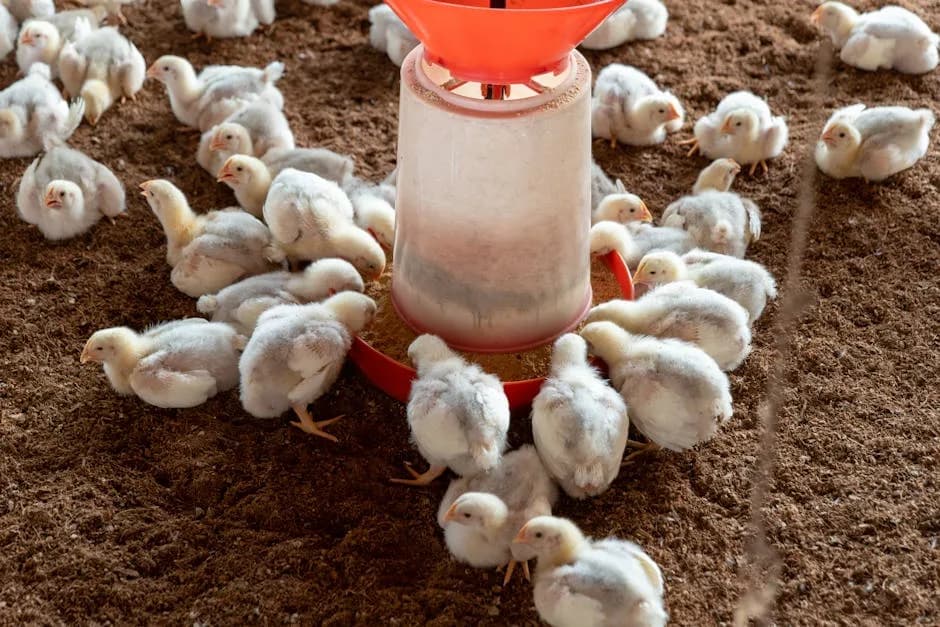
This is the industry standard. Cornish Cross birds grow absurdly fast. They go from fluffy chick to 5 to 8 pound dressed weight in just 6 to 8 weeks. That's not a typo. These birds are bred to convert feed into meat as efficiently as possible.
Pros: Fastest growth rate. Highest feed conversion ratio. Broad-breasted with lots of white meat. Ready for the freezer before you've even gotten used to having them around.
Cons: They're not pretty to watch. Cornish Cross birds don't act like normal chickens. They eat, they sit, they eat some more. They can develop leg problems, heart issues, and ascites (fluid buildup) if you don't manage their feed intake. They need to be processed on time because their bodies literally outgrow their frames.
Many keepers restrict feed to 12 hours on, 12 hours off after the first 2 weeks to slow growth slightly and reduce health problems. The University of Kentucky Extension recommends this approach.
Freedom Rangers
Freedom Rangers (also sold as Red Rangers, depending on the hatchery) are the middle ground. They grow slower than Cornish Cross but faster than heritage breeds, reaching 5 to 6 pounds dressed weight in 9 to 11 weeks.
Pros: Much more active and "chicken-like" than Cornish Cross. They forage well on pasture, which means better flavor and lower feed costs. Fewer health problems. They actually look and act like real chickens.
Cons: Slower growth means more feed overall. Slightly less breast meat than Cornish Cross. Can be harder to find depending on your area.
If you plan to pasture-raise your birds (which you should, if possible), Freedom Rangers are the way to go. They'll actually use the pasture instead of just sitting next to the feeder.
Red Rangers
Very similar to Freedom Rangers and sometimes used interchangeably. Red Rangers tend to be a bit heavier at maturity, reaching 6 to 7 pounds dressed in 10 to 12 weeks. Same benefits of active foraging and fewer health issues.
Heritage Breeds (Dual-Purpose)
Breeds like Plymouth Rocks, Orpingtons, Jersey Giants, and the Delaware (a classic American dual-purpose heritage breed) can also be raised for meat, but they take 16 to 20+ weeks to reach a reasonable size. The meat is leaner and more flavorful, but you'll spend a lot more on feed getting there.
Heritage breeds make more sense if you want dual-purpose birds that can also lay eggs, rather than dedicated meat production.
For your first batch of meat birds, start with Cornish Cross if you want maximum efficiency or Freedom Rangers if you want a more natural experience. Order 10 to 25 birds. Most hatcheries have a minimum order of 15 to 25 chicks for meat breeds.
Timeline: What to Expect Week by Week
Here's the general timeline for Cornish Cross birds. Freedom Rangers and Red Rangers follow a similar pattern but stretched out a few extra weeks.
Weeks 1 to 3: Brooder stage. Same as any chick. Keep them warm (start at 95°F, drop 5 degrees per week), feed chick starter with 20 to 22% protein, and keep water clean. Meat chicks are messier and drink more than egg breed chicks.
Weeks 3 to 4: Transition to outdoors. Once they're feathered enough and weather permits, move them to a chicken tractor or pasture setup. Start switching from chick starter to grower feed (18 to 20% protein).
Weeks 4 to 6: Rapid growth. This is where Cornish Cross birds really take off. They'll be eating a lot. Like, a lot. Make sure they have constant access to water and that feeders are large enough to keep up.
Weeks 6 to 8: Processing time (Cornish Cross). Males will be ready first, typically at 6 to 7 weeks. Females a week or two later. You're aiming for 5 to 8 pounds live weight, which translates to roughly 3.5 to 5.5 pounds dressed.
Weeks 9 to 12: Processing time (Freedom Rangers/Red Rangers). These birds take a bit longer but will have better flavor from all that foraging.
Space and Housing
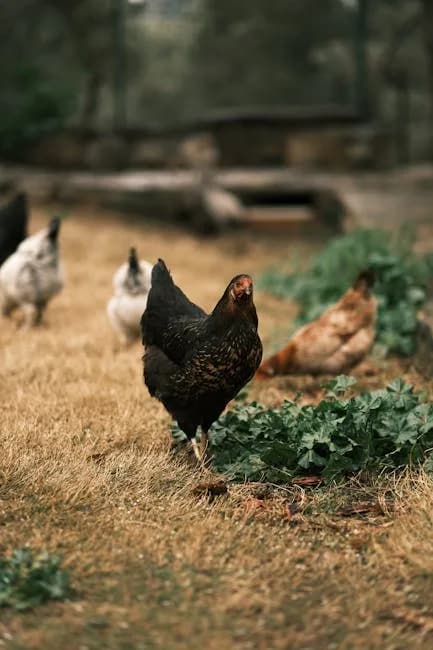
Meat birds don't need a fancy permanent coop. In fact, most people raise them in a chicken tractor, which is a bottomless, portable enclosure that you move to fresh grass every day or two.
A basic chicken tractor can be built for $50 to $200 in materials. The concept is simple: a frame (often PVC or wood) covered with hardware cloth or chicken wire, with a tarp or roof panel on part of it for shade and rain protection. Move it daily so the birds always have fresh grass and bugs, and so their waste gets spread out instead of building up in one spot.
Space requirements for meat birds:
- •In a tractor/pen: 2 to 3 square feet per bird (they don't need as much room as layers because they're less active)
- •Pasture-raised: As much as you can give them. Joel Salatin's model uses roughly 10 square feet per bird in portable shelters.
- •Brooder: Same as egg chicks, about 0.5 to 1 square foot per chick
One critical difference from layer housing: meat birds don't need roosts or nesting boxes. They barely move. Just give them a clean, dry space with access to food, water, shade, and fresh air.
Feed Requirements and Costs
Meat birds eat a staggering amount of feed. A single Cornish Cross will consume roughly 12 to 15 pounds of feed in its 6 to 8 week life. Freedom Rangers eat about 16 to 20 pounds over their longer grow-out period.
For a batch of 25 Cornish Cross birds, you're looking at 300 to 375 pounds of feed total. That's 6 to 8 bags of 50-pound feed.
Feed schedule:
- •Weeks 1 to 3: Chick starter, 20 to 22% protein. About $18 to $25 per 50-lb bag.
- •Weeks 3 to processing: Grower/finisher, 18 to 20% protein. About $16 to $22 per 50-lb bag.
Total feed cost per bird: Roughly $5 to $8 for Cornish Cross, $7 to $11 for Freedom Rangers, depending on local feed prices and whether they're supplementing on pasture.
Pasture-raised birds eat 10 to 20% less commercial feed because they're getting protein from bugs and nutrition from grass. That savings adds up over a batch of 25 birds.
Processing: The Part Nobody Talks About
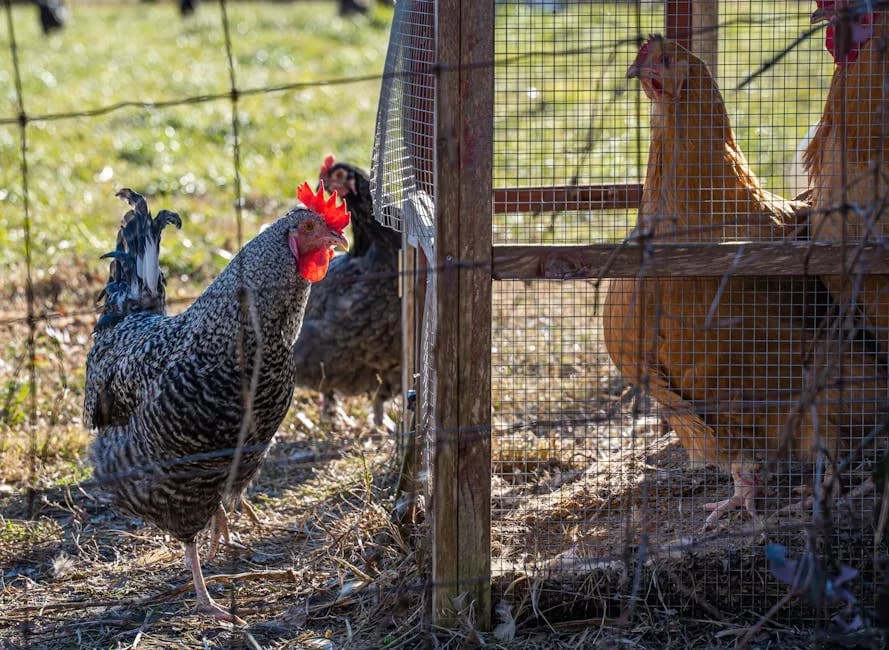
Here's where things get real. If you're raising meat birds, you need to either process them yourself or find someone who will.
DIY processing is the most common approach for small batches. It's not fun, especially the first time. But it gets easier, and most people develop a respectful routine around it.
You'll need a few basic supplies:
- •Poultry killing cone: $15 to $30. The bird goes in head-first, which keeps it calm and contained. Much more humane than the old hatchet-on-a-stump method.
- •Sharp knife: A dedicated poultry knife or a very sharp fillet knife.
- •Scalding pot: A large pot or turkey fryer that can hold 145 to 150°F water. You dip the bird for 30 to 60 seconds to loosen the feathers. A poultry scalder makes this easier for larger batches.
- •Plucker or hand-plucking: Drill-powered plucking attachments ($20 to $40) work surprisingly well for small batches. Tabletop pluckers ($150 to $400) are worth it if you process 25+ birds regularly.
- •Poultry shrink bags: $15 to $25 for a pack of 25 to 50. These give your finished birds that clean, professional freezer appearance and prevent freezer burn.
- •Cooler with ice: For chilling birds after processing.
The basic process:
- •Withhold feed (but not water) for 8 to 12 hours before processing. This empties the crop and intestines, making evisceration much cleaner.
- •Place the bird in the killing cone and make a quick, decisive cut to the jugular veins on both sides of the neck. Let it bleed out for 2 to 3 minutes.
- •Scald in 145 to 150°F water for 30 to 60 seconds.
- •Pluck all feathers.
- •Remove head and feet.
- •Eviscerate (remove internal organs). This is the trickiest part for beginners. Be careful not to nick the intestines or gallbladder.
- •Rinse thoroughly with cold water.
- •Chill in ice water for 1 to 2 hours.
- •Bag and freeze, or refrigerate if you're cooking within a few days.
Your first few birds will be slow and messy. That's okay. By bird number 5 or 6, you'll have a rhythm. Experienced processors can do a bird start to finish in 15 to 20 minutes. Your first one might take 45 minutes to an hour.
The Clemson University Cooperative Extension has an excellent guide on home poultry processing that covers the details more thoroughly.
Hiring it out: Some areas have USDA-inspected mobile processing units or small-scale processors who will do it for $3 to $10 per bird. If you don't want to process yourself, call around to local farms and ask who they use. This option isn't available everywhere, so check before you order your chicks.
Cost Per Bird: How Does It Compare?
Let's break down the true cost of a home-raised Cornish Cross chicken:
| Expense | Cost per bird |
|---|---|
| Chick | $2 to $4 |
| Feed | $5 to $8 |
| Bedding/supplies (amortized) | $0.50 to $1 |
| Processing supplies (amortized) | $0.50 to $1 |
| Total | $8 to $14 per bird |
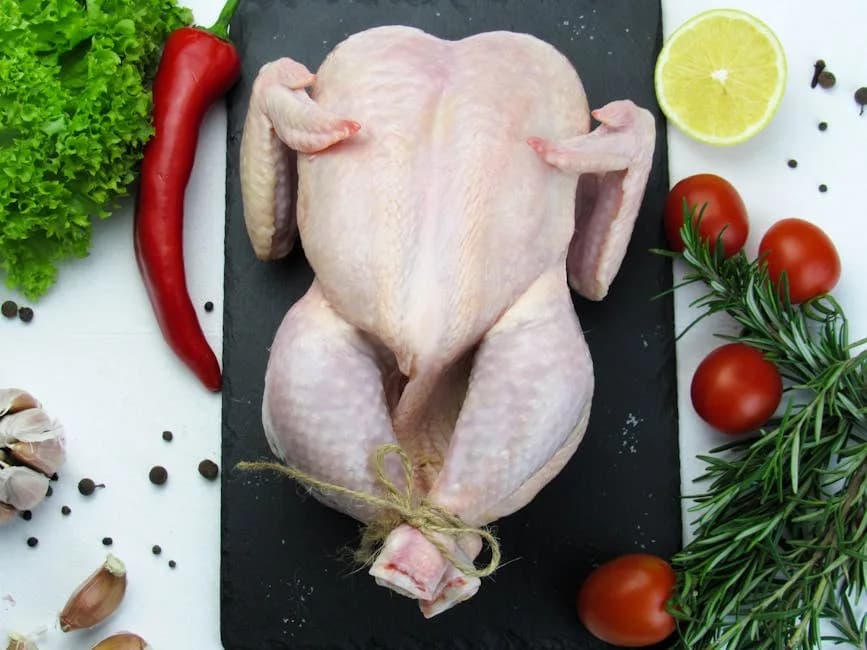
A finished Cornish Cross dresses out at 3.5 to 5.5 pounds. That puts your cost at roughly $1.50 to $4.00 per pound.
For comparison:
- •Conventional whole chicken at the grocery store: $1.50 to $2.50 per pound
- •Organic whole chicken: $3.50 to $5.50 per pound
- •Pasture-raised from a local farm: $5 to $8 per pound
So home-raised meat chickens come out comparable to or slightly cheaper than store-bought organic, and way cheaper than buying from a local pastured poultry farm. And the quality is closer to that $7/lb pastured chicken than the $2/lb conventional bird.
The real savings come when you scale up. Processing 25 to 50 birds at once amortizes your equipment and time costs much better than doing 5 or 10 at a time.
Tips for Your First Batch
A few things that'll make your first experience with meat birds go more smoothly:
Start small. 10 to 15 birds is a manageable first batch. You'll learn the ropes without being overwhelmed.
Order early. Hatcheries sell out of meat bird chicks fast in spring. Place your order in January or February for spring delivery.
Don't name them. This sounds harsh, but it's practical advice. These birds have a job, and getting attached makes processing day much harder than it needs to be.
Plan your processing day in advance. Set up everything the day before. Have a friend or family member help. It goes much faster with two people, one killing/scalding and one plucking/eviscerating.
Rest the meat. Don't cook your chicken the same day you process it. Let it rest in the fridge for 24 to 48 hours. Rigor mortis makes fresh-processed meat tough. After resting, it'll be tender and delicious.
Keep records. Track your feed consumption, mortality, processing weights, and costs. This data helps you improve efficiency in future batches and gives you a real picture of what you're spending.
Is It Worth It?
That depends on what you're optimizing for. If you're purely trying to get the cheapest chicken possible, buying conventional whole chickens on sale at the grocery store will win every time. You can't beat industrial-scale efficiency on price alone.
But if you care about how your food is raised, what it eats, how it's treated, and what it tastes like, then yes, raising meat chickens is worth it. You'll spend a bit more per pound than the cheapest grocery option, but you'll get a vastly better product.
There's also something meaningful about raising your own food from start to finish. It gives you a connection to what you eat that's hard to describe until you've experienced it.
If you're brand new to chickens in general, it might make sense to start with an egg flock first and get comfortable with basic chicken care before adding meat birds to the mix. Our Complete Beginner's Guide to Raising Backyard Chickens is a great starting point. And our Complete Chicken Feeding Guide covers the nutrition side in detail.
Frequently Asked Questions
How long does it take to raise a meat chicken?
Cornish Cross broilers reach processing weight (5 to 7 pounds) in just 6 to 8 weeks. Heritage and dual-purpose breeds take longer, usually 12 to 16 weeks. Rangers and Freedom Rangers fall in between at 9 to 12 weeks. The faster breeds grow more efficiently but need more careful management.
How many meat chickens should I raise at a time?
For a family of 4, plan on 15 to 25 birds per batch to stock your freezer for several months. Meat birds are easier to raise in larger groups since the per-bird cost drops with volume. Most people do 2 to 3 batches per year during warmer months.
Is it hard to butcher your own chickens?
The first time is tough mentally, but the actual process isn't complicated. Most people get comfortable by their third or fourth bird. You'll need a kill cone, sharp knife, scalding pot, and a plucking setup. The whole process takes about 15 to 20 minutes per bird once you get the hang of it.
Can I raise meat chickens and egg layers together?
You can, but they have different needs. Meat birds eat way more, grow faster, and need different feed ratios. Most people keep them in separate pens. Meat birds also aren't very active compared to layers, so they don't compete well for resources in a mixed flock.
Sources:
- •University of Kentucky Cooperative Extension. "Raising Broilers and Roasters for Home Use." https://poultry.extension.org/
- •Clemson University Cooperative Extension. "Home Processing of Poultry." https://www.clemson.edu/extension/
- •Joel Salatin / Polyface Farm. Pastured poultry production models. https://www.polyfacefarms.com/
- •r/BackYardChickens and r/MeatRabbitry. Various threads on meat bird production and processing. https://www.reddit.com/r/BackYardChickens/
Product prices and availability are accurate as of the date shown and are subject to change. Any price and availability information displayed on Amazon at the time of purchase will apply to the purchase of this product.
Related Guides
Complete Beginner's Guide to Raising Backyard Chickens
Everything you need to know before getting your first flock. Covers laws, coops, breeds, feeding, health, and what to expect in your first year.
Beginner GuidesHow Many Chickens Should a Beginner Start With?
Find the right flock size for your yard, budget, and egg goals. Most beginners do best starting with 3 to 6 hens.
Beginner GuidesRooster vs Hen: How to Tell the Difference
How to tell a rooster from a hen: comb and wattle size, hackle and saddle feathers, crowing, spurs, and behavior, plus the age each clue appears.
Beginner GuidesDuck Eggs vs Chicken Eggs: Taste, Nutrition, Baking
How duck eggs compare to chicken eggs on size, taste, nutrition, and baking, plus whether raising ducks for eggs is right for your backyard.