Jersey Giant Chicken Breed Guide: Size, Eggs, Care
Everything you need to know about Jersey Giant chickens. Size, egg production, temperament, and care tips for the world's largest purebred chicken breed.
Researched from university extension, USDA, and veterinary sources. How we research.
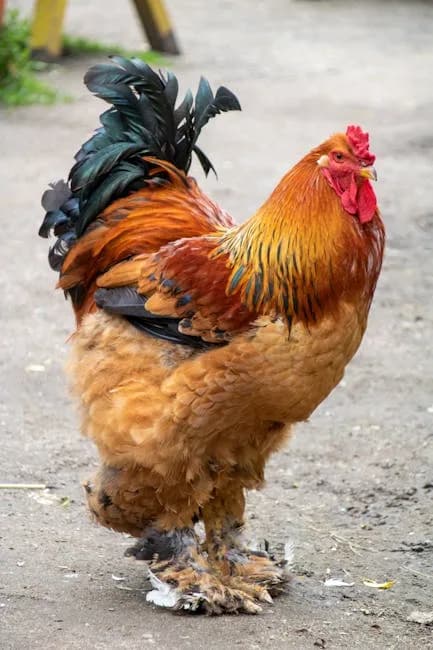
The Jersey Giant is the largest purebred chicken in the world, and it's not even close. Roosters regularly tip the scales at 13 to 15 pounds, with hens coming in at 10 to 11 pounds. But don't let the size intimidate you. These birds are some of the calmest, friendliest chickens you'll ever raise.
If you've been thinking about adding Jersey Giants to your flock, you're probably wondering whether they're worth the extra feed costs and space requirements. Let's break down everything you need to know about this gentle giant of the chicken world.
What You'll Learn
- •History and Origin of the Jersey Giant
- •How Big Do Jersey Giants Get?
- •Recognized Varieties and Appearance
- •Jersey Giant Temperament and Personality
- •Egg Production: How Many Eggs Do Jersey Giants Lay?
- •Are Jersey Giants Good for Meat?
- •Housing and Space Requirements
- •Feeding Your Jersey Giant
- •Health Issues and Lifespan
- •Jersey Giants in Cold and Hot Weather
- •Is the Jersey Giant Right for You?
- •Frequently Asked Questions
History and Origin of the Jersey Giant
The Jersey Giant was developed in the 1870s by John and Thomas Black in Burlington County, New Jersey. Their goal was ambitious: create a chicken breed large enough to replace the turkey as America's primary table bird. They crossed Black Javas, Black Langshans, and Dark Brahmas to produce the foundation stock.
The breed was originally called "Black Giants" after the Black brothers. The name was later changed to "Jersey Giant" to honor the state where they were developed. The American Poultry Association (APA) recognized the Black variety in 1922, the White variety in 1947, and the Blue variety in 2003.
While the breed never did replace the turkey (commercial Cornish Cross chickens eventually took over the meat market), Jersey Giants found a loyal following among backyard flock owners who love their calm temperament and dual-purpose capabilities.
How Big Do Jersey Giants Get?
Jersey Giants are the undisputed heavyweight champions of the chicken world. Here's how they measure up:
| Roosters | Hens | |
|---|---|---|
| Weight | 13-15 lbs | 10-11 lbs |
| Height | 22-26 inches | 16-20 inches |
| Bantam Weight | 38 oz | 34 oz |
For comparison, most standard chicken breeds weigh between 5 and 8 pounds. A Jersey Giant rooster can weigh nearly twice as much as a Rhode Island Red or Plymouth Rock.
One thing to keep in mind: Jersey Giants are slow growers. They won't reach their full size until they're about 6 months old, and some birds keep filling out until they're 9 to 12 months. That's significantly slower than commercial meat breeds, which reach market weight in just 6 to 8 weeks.
Recognized Varieties and Appearance
The APA recognizes three Jersey Giant varieties:
Black Jersey Giant - The original and most common variety. Their feathers have a beautiful green sheen in sunlight, similar to a beetle's shell. They have yellow skin, dark willow or black shanks, and yellow soles on their feet. The yellow foot bottoms are actually a key identifier. If someone's selling you a "Jersey Giant" with white or pink foot bottoms, it's probably a different breed.
White Jersey Giant - Pure white plumage with dark willow shanks and yellow soles. They tend to be slightly smaller than the Black variety. White Jersey Giants are less common but equally friendly.
Blue Jersey Giant - The newest recognized variety, with slate blue plumage. They're the rarest of the three and can be harder to find from hatcheries.
All varieties share the same body type: a broad, deep chest, a long straight back, and a single comb with five points. Their eyes are dark brown, and they have clean (unfeathered) legs, which makes them easier to care for than feather-legged breeds like Brahmas or Cochins.
Jersey Giant Temperament and Personality
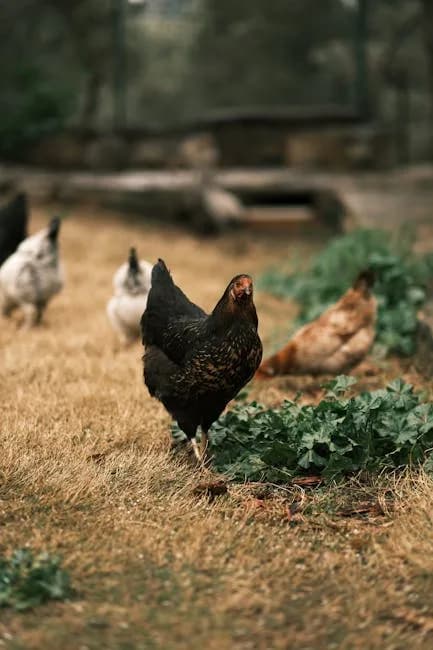
If you could describe the Jersey Giant's personality in one word, it'd be "gentle." These are some of the most docile, easygoing chickens you'll find. Despite their imposing size, they're rarely aggressive, even the roosters.
Here's what makes their temperament stand out:
- •Calm and friendly - They tolerate handling well and often seek out human interaction. Many Jersey Giant owners say their birds follow them around the yard.
- •Great with kids - Their laid-back nature makes them an excellent choice for families. They won't panic or flap around when a child approaches.
- •Good flock members - They tend to be near the top of the pecking order (hard to argue with something that outweighs you by 5 pounds), but they're not bullies. They coexist peacefully with other breeds.
- •Quiet - While no chicken is silent, Jersey Giants are quieter than many breeds. They're less prone to the constant clucking and alarm calls that some high-strung breeds produce.
The one downside to their calm nature? They can be easier targets for predators because they don't run as fast and aren't as alert as flightier breeds. You'll want to make sure you've got solid predator protection in place.
Egg Production: How Many Eggs Do Jersey Giants Lay?
Jersey Giants aren't going to win any egg-laying competitions, but they're respectable producers. Here's what to expect:
- •150 to 200 eggs per year (roughly 3 to 4 eggs per week)
- •Extra-large to jumbo sized eggs
- •Light brown to dark brown shell color
- •Hens start laying at 6 to 7 months (later than most breeds)
For comparison, a Leghorn will lay 280+ eggs per year, and most of the best egg laying breeds produce 250+. But Jersey Giant eggs are noticeably bigger than what you'll get from most other chickens. The extra size partially makes up for the lower count.

Jersey Giants also tend to lay through winter better than some breeds, especially if you're providing supplemental light. Their large body mass helps them stay warm and keep producing when smaller breeds slow down or stop entirely. Check out our winter chicken care guide for tips on keeping egg production up during cold months.
One note on brooding: Jersey Giant hens will occasionally go broody, but it's not super common. When they do sit on eggs, their weight can actually be a problem. Those big feet and heavy bodies can crack eggs during incubation. If you're planning to hatch Jersey Giant eggs, you might want to use an incubator instead.
Are Jersey Giants Good for Meat?
This is probably the most debated topic in any Jersey Giant discussion. The short answer: yes, but with some important caveats.
The pros for meat production:
- •Large carcass size (8-10 lb dressed weight for roosters)
- •Rich, flavorful dark meat
- •Heritage breed flavor that commercial birds can't match
- •You can breed your own replacement stock (unlike Cornish Cross hybrids)
The cons:
- •They take 6 to 9 months to reach full size (Cornish Cross takes 6-8 weeks)
- •They eat a LOT more feed during that grow-out period
- •The cost per pound of meat is significantly higher
- •Meat can be tougher than commercial broilers, especially in older birds
If you're raising chickens purely for the cheapest meat possible, Jersey Giants aren't the right choice. But if you value flavor, self-sufficiency, and the ability to maintain a breeding flock that produces its own replacement birds, they're worth considering. Many homesteaders prefer them over commercial hybrids for exactly these reasons.
For a deeper look at raising birds for the table, check out our raising chickens for meat guide.
Housing and Space Requirements
Here's where Jersey Giants differ most from standard breeds. These big birds need more room, and cutting corners on space will cause problems.
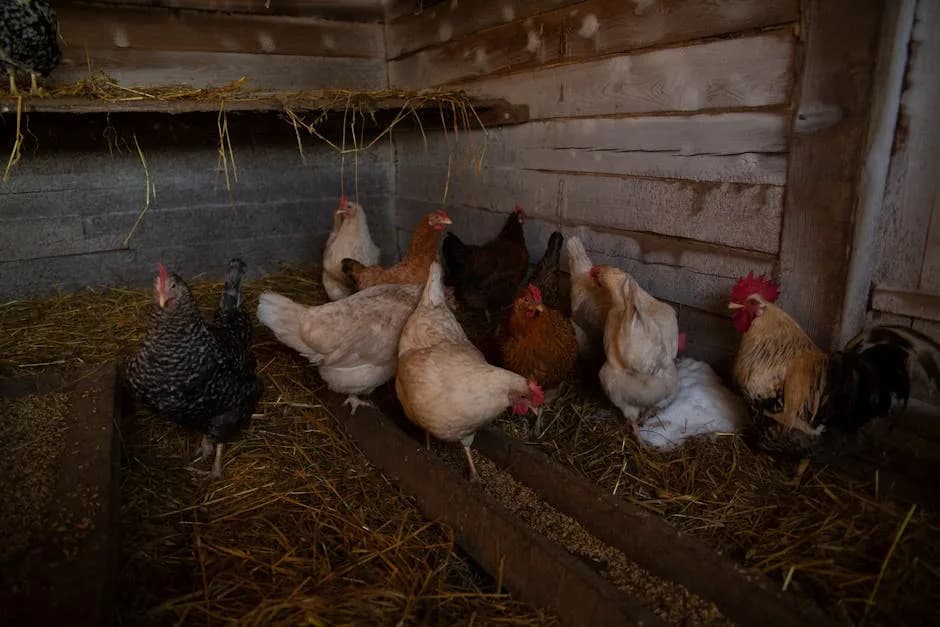
Coop space: Plan for at least 6 to 8 square feet per bird inside the coop. Standard recommendations call for 4 square feet per chicken, but Jersey Giants are far from standard. Crowding them leads to stress, feather picking, and reduced egg production.
Run space: 15 to 20 square feet per bird in the outdoor run. They're not great flyers (too heavy), so a 4-foot fence will usually contain them. That's actually a nice perk compared to breeds that'll sail over a 6-foot fence without thinking twice.
Roost bars: Use sturdy, wide roost bars set no higher than 2 to 3 feet off the ground. Jersey Giants are heavy enough that jumping down from high roosts can cause leg injuries, bumblefoot, or keel bone damage. A 2x4 laid flat (wide side up) works great.
Nesting boxes: Standard 12x12 inch boxes will be too small. Aim for 14x14 inches or larger. You can find suitable options in our best chicken coops guide.
Door size: Make sure your coop door is at least 14 inches wide and 18 inches tall. What works for a Leghorn won't work for a bird that's twice the size.
Feeding Your Jersey Giant
Jersey Giants eat more than average chickens. There's no way around it. A full-grown Jersey Giant will consume roughly 25% to 30% more feed than a standard-sized bird.
Chicks (0-8 weeks): Start with a 20-22% protein starter feed. Jersey Giant chicks grow fast in the early weeks, and they need the extra protein for healthy bone and muscle development.
Growers (8-16 weeks): Switch to a 16-18% grower feed. Keep them on this until they start laying (or until 16-20 weeks for roosters).
Layers (16+ weeks): A standard 16% layer feed works fine for hens. Supplement with oyster shell on the side for calcium, since they're producing extra-large eggs that need more shell material.
Treats and supplements: Jersey Giants love to forage and will happily eat kitchen scraps, mealworms, and whatever bugs they find in the yard. Just make sure treats don't exceed 10% of their total diet. For a complete breakdown, see our chicken feeding guide.
Budget-wise, expect to spend about $30 to $40 per month on feed for a small flock of 4 to 6 Jersey Giants. That's roughly $5 to $10 more per month than you'd spend on an equivalent flock of standard breeds.
Health Issues and Lifespan
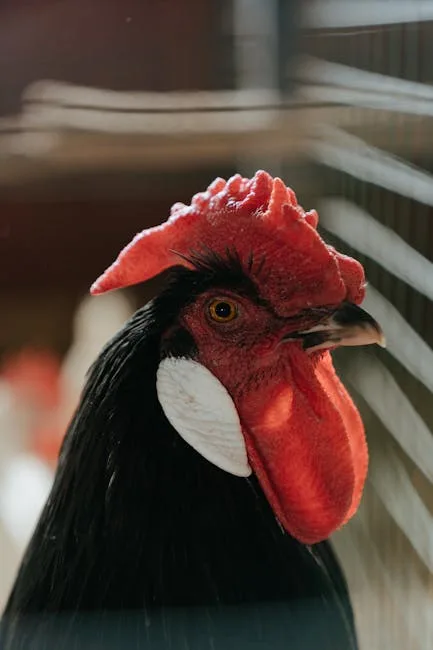
Jersey Giants are generally healthy, hardy birds with fewer health problems than many popular breeds. Their average lifespan is 6 to 10 years with proper care.
Common health concerns to watch for:
- •Bumblefoot - Their heavy weight makes them more susceptible to this bacterial foot infection, especially if they're jumping from high roosts onto hard surfaces. Keep roosts low and bedding thick.
- •Leg and joint issues - The extra weight can stress joints over time. Make sure growing birds get adequate protein and calcium for strong bone development.
- •Heat stress - Their large body mass means they generate more internal heat. They handle cold weather much better than hot weather.
- •Obesity - It's easy to overfeed these birds since they'll happily eat whatever you put in front of them. Stick to measured portions and encourage foraging.
For a full rundown on signs to watch for, check out our guide on sick chicken symptoms.
Jersey Giants don't need any special vaccinations beyond what you'd give any backyard flock. Standard deworming schedules and regular coop cleaning will keep most problems at bay.
Jersey Giants in Cold and Hot Weather
Cold weather: This is where Jersey Giants shine. Their large body mass acts like a built-in heater, and they handle freezing temperatures better than most breeds. They've got single combs, which can be prone to frostbite in extreme cold, so applying petroleum jelly to combs and wattles on the coldest nights is a good idea. Overall, they're one of the better cold-hardy breeds you can raise.
Hot weather: This is their weakness. Jersey Giants struggle when temperatures climb above 85°F (29°C). Their size makes it harder to dissipate body heat. During hot spells, make sure they've got plenty of shade, fresh cold water, and good ventilation in the coop. Frozen treats like watermelon chunks can help too. Check our summer chicken care guide for more hot weather tips.
Is the Jersey Giant Right for You?
Jersey Giants are a fantastic breed, but they're not for everyone. Here's a quick breakdown:
Jersey Giants are great if you:
- •Want a calm, friendly breed that's good with kids
- •Have enough space for larger birds
- •Like the idea of a true dual-purpose heritage breed
- •Live in a cold climate
- •Don't mind slightly higher feed costs
You might want to look elsewhere if you:
- •Need maximum egg production (try Leghorns or Australorps)
- •Have a very small backyard or tight coop space
- •Live in an very hot climate
- •Want the cheapest possible meat production
- •Need birds that mature quickly
For most backyard flock owners, Jersey Giants make a wonderful addition. They've got personality, they produce well, and they're a living piece of American poultry history. If you've got the space and don't mind buying a bit more feed, you won't regret adding a few to your flock.
Ready to start your chicken keeping journey? Head over to our beginner's guide to raising backyard chickens for everything you need to get started.
Frequently Asked Questions
How big do Jersey Giant chickens get?
Jersey Giant roosters typically weigh 13 to 15 pounds and stand 22 to 26 inches tall. Hens weigh 10 to 11 pounds and stand 16 to 20 inches tall. They're the largest purebred chicken breed in the world, taking 6 to 12 months to reach their full size.
Are Jersey Giants good egg layers?
Jersey Giants lay about 150 to 200 extra-large brown eggs per year, which works out to roughly 3 to 4 eggs per week. They're not top-tier producers, but their eggs are noticeably larger than most other breeds. Hens typically start laying around 6 to 7 months of age.
How long do Jersey Giant chickens live?
With proper care, Jersey Giants live 6 to 10 years on average. They're generally healthy birds with few breed-specific health problems. The biggest concerns are bumblefoot and joint issues from their heavy weight, both of which are preventable with proper housing.
Are Jersey Giants good with other chickens?
Yes, Jersey Giants are excellent flock members. Despite their size, they're one of the least aggressive chicken breeds. They tend to sit near the top of the pecking order simply because of their size, but they don't bully smaller birds. They integrate well with most other breeds.
Do Jersey Giants need special housing?
Jersey Giants need about 50% more space than standard breeds. Plan for 6 to 8 square feet per bird in the coop and 15 to 20 square feet in the run. Keep roost bars low (2 to 3 feet) to prevent leg injuries from jumping, and use nesting boxes that are at least 14x14 inches.
Sources:
- •Livestock Conservancy. Jersey Giant breed page. https://livestockconservancy.org/heritage-breeds/heritage-breeds-list/jersey-giant-chicken/
- •The American Poultry Association. Standard of Perfection (reference). http://www.amerpoultryassn.com/
- •University of Kentucky Cooperative Extension. Small Flock Poultry resources. https://poultry.extension.org/
- •The Livestock Conservancy. Heritage breed conservation. https://livestockconservancy.org/
Related Guides
Delaware Chicken Breed Guide: Eggs, Size, Care
Everything you need to know about Delaware chickens. Covers 200-280 eggs/year, dual-purpose traits, calm temperament, and heritage breed care tips.
BreedsCochin Chicken Breed Guide: Eggs, Size, Care
Complete Cochin chicken breed guide covering egg production (150-180/yr), size, temperament, color varieties, and care tips for these fluffy giants.
BreedsMarans Chicken: Complete Breed Guide (Dark Eggs, Size, Care)
Complete Marans chicken breed guide. Famous for dark chocolate-brown eggs, 150-200/year. Covers Black Copper Marans, varieties, temperament, and care.
BreedsNew Hampshire Red Breed Guide: Eggs, Size, Care
Complete New Hampshire Red chicken guide. Covers 200-280 eggs/year, dual-purpose traits, how they differ from Rhode Island Reds, and care tips.