When Do Chickens Start Laying Eggs? Age & Signs
Most hens lay their first egg around 18 to 22 weeks old. Learn the signs a pullet is ready, what delays laying, and how to know eggs are coming.
Researched from university extension, USDA, and veterinary sources. How we research.
If you raised your chicks from day-olds, you have probably been checking the nest boxes for weeks with nothing to show for it. The wait for that first egg feels long, and every keeper wants to know the same thing: when will it actually happen? Most hens lay their first egg somewhere between 18 and 22 weeks of age, but the honest answer depends on the breed, the time of year, and how well the birds have been fed and cared for.
This guide walks through the typical laying age by breed type, the physical signs that tell you a pullet is days away from her first egg, what those early eggs look like, and what to check when a hen is well past six months and still holding out.
Quick Answer
Most backyard hens start laying at 18 to 22 weeks old, which is roughly 4.5 to 5 months. Production hybrids can start as early as 16 weeks, while heavy or slow-maturing breeds may wait until 24 to 28 weeks. Here is the typical range by breed type:
| Breed type | Typical first egg | Examples |
|---|---|---|
| Production hybrids | 16 to 18 weeks | ISA Brown, Golden Comet, Cinnamon Queen |
| Light Mediterranean layers | 17 to 20 weeks | Leghorn, Ancona, Andalusian |
| Dual-purpose heritage | 20 to 24 weeks | Plymouth Rock, Rhode Island Red, Sussex |
| Large or slow-maturing | 24 to 28 weeks | Brahma, Jersey Giant, Cochin |
| Ornamental and bantam | 22 to 28+ weeks | Silkie, Polish |
The single biggest wildcard is daylight. A pullet who reaches laying age in late fall may hold off until the days lengthen again in spring, even if she is otherwise ready.
What You'll Learn
- •The Short Answer: Point of Lay
- •Laying Age by Breed
- •6 Signs Your Pullet Is About to Lay
- •What Those First Eggs Look Like
- •What Affects When Chickens Start Laying
- •The Daylight Factor: Why Season Matters
- •Feeding for the First Egg
- •How to Encourage Laying
- •My Pullet Still Isn't Laying
- •How Long Until Full Production
- •Frequently Asked Questions
The Short Answer: Point of Lay
"Point of lay" is the term breeders and hatcheries use for the age when a young hen, called a pullet until her first birthday, is mature enough to start producing eggs. For most breeds that window opens around 18 to 22 weeks. Some hatcheries even sell "point of lay pullets" at roughly 16 to 20 weeks so buyers can skip the brooding stage and get eggs within a few weeks of bringing the birds home.
A useful way to think about it: a chick spends its first 6 weeks growing feathers, the next 10 or so weeks filling out its frame, and then the reproductive system switches on. That switch is triggered by a combination of age, body weight, and day length. When all three line up, the comb reddens, the ovary activates, and the first egg follows within a week or two.
Keep in mind that 18 to 22 weeks is an average, not a promise. I have had Golden Comets lay at 17 weeks and a Brahma who made me wait until she was nearly 30 weeks. Both were healthy. The breed sets the baseline, and the season and care nudge it earlier or later.
Laying Age by Breed
Breed genetics are the strongest predictor of when a pullet starts laying. Birds bred for high egg output mature fast, while birds bred for meat, size, or looks take their time.
Production hybrids (16 to 18 weeks). ISA Browns, Golden Comets, and Cinnamon Queens are engineered to lay early and often. These are the birds to choose if you want eggs on the calendar as fast as possible. Many start around 16 weeks and are in full swing by 20.
Light Mediterranean layers (17 to 20 weeks). Leghorns and other lean, active Mediterranean breeds mature quickly and lay a lot of white eggs. They tend to start just behind the hybrids.
Dual-purpose heritage breeds (20 to 24 weeks). Plymouth Rocks, Rhode Island Reds, Sussex, Orpingtons, and Wyandottes carry more body weight and take longer to reach maturity. Expect a first egg somewhere in the 20 to 24 week range.
Large or slow-maturing breeds (24 to 28 weeks). Brahmas, Jersey Giants, and Cochins put their energy into growing a big frame first. Some do not lay until close to seven months.
Ornamental and bantam breeds (22 to 28 weeks or more). Silkies and Polish can be later and more seasonal about laying. Silkies in particular are famous for going broody instead of laying steadily.
If you are still choosing birds and want eggs sooner rather than later, our guide to the best egg-laying breeds breaks down output and start age side by side.
6 Signs Your Pullet Is About to Lay
Chickens telegraph the first egg pretty clearly once you know what to watch for. When you see two or three of these signs together, the first egg is usually within a week or two.
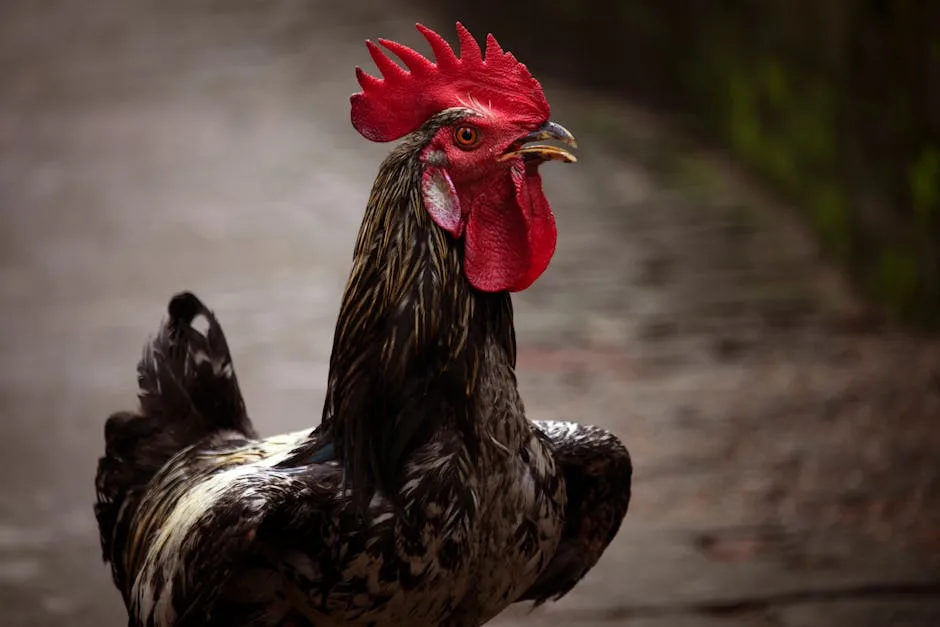
1. The comb and wattles turn bright red. This is the most reliable sign. As a pullet approaches point of lay, her comb and wattles grow larger and shift from pale pink to a deep, glossy red. That color change signals the hormones behind egg production are ramping up.
2. The submissive squat. When you reach toward a near-laying pullet, she may crouch down, spread her wings slightly, and hold still. This mating crouch means her body is ready to be bred and, by extension, ready to lay. It is one of the clearest behavioral cues.
3. She starts investigating nest boxes. Pullets about to lay will climb into the nest boxes, scratch around, rearrange the bedding, and sometimes sit for a while as if testing the spot. This nesting behavior is a strong hint the first egg is close.
4. The pelvic bones widen. You can check the two pelvic bones just below the vent. In a pullet not yet laying they sit close together, about one fingertip apart. As she nears point of lay they spread to two or three fingers wide to make room for an egg to pass. This is a hands-on check breeders use to sort birds.
5. Louder chatter and the egg song. Many pullets get vocal as they approach laying, and you may hear the first cackling "egg song" around the time of the first egg. The flock generally gets noisier and more active.
6. A bigger appetite and interest in calcium. Building eggs takes protein and a lot of calcium, so near-laying pullets often eat more and start pecking at oyster shell or grit. A jump in feed consumption is common right before laying begins.
What Those First Eggs Look Like
Do not expect a perfect grocery-store egg on day one. A pullet's reproductive system needs a few weeks to calibrate, so early eggs are often small and a little strange, and that is completely normal.
- •Pullet eggs are small. The first eggs are often two-thirds the size of what the hen will eventually lay. They grow larger over the following weeks as her system matures.
- •Fairy eggs (also called fart eggs). These are tiny, sometimes yolkless eggs that show up when the system misfires early on. They are harmless.
- •Soft-shelled or shell-less eggs. In the first weeks, a hen may drop an egg with a thin, rubbery, or missing shell while her calcium metabolism catches up. Free-choice oyster shell helps.
- •Odd shapes, wrinkles, or double yolks. Early eggs can be wrinkled, elongated, or occasionally double-yolked. Most of this sorts itself out within a month.
If the oddities continue well past the first month, or you see blood, unusual shell texture, or a hen straining, our guide to common chicken egg problems covers what is normal and what needs attention.
What Affects When Chickens Start Laying
Beyond breed, five factors push the first egg earlier or later:
Daylight length. Hens need roughly 14 to 16 hours of light per day to lay consistently. This is the single biggest environmental lever, covered in detail below.
Season and hatch date. A chick hatched in early spring reaches laying age in late summer or early fall while days are still long, so she usually lays right on schedule. A chick hatched in mid-summer or fall reaches maturity as days shorten, and she may wait until spring.
Body weight and nutrition. A pullet has to hit a target weight before her body will commit to laying. Underfed or poorly nourished birds mature late. The right feed at the right stage keeps them on track.
Health and parasites. Worms, mites, or lice drain the resources a pullet needs to grow and lay. A heavy parasite load can delay the first egg by weeks.
Stress. Moving to a new coop, predator scares, extreme heat, or shuffling the pecking order all pause reproductive development. Calm, settled birds lay sooner.
The Daylight Factor: Why Season Matters
Chickens are photoperiod-sensitive, which is a technical way of saying their laying is driven by day length. Light hitting the eye stimulates the pituitary gland, which triggers the hormones that start and sustain egg production. Below about 12 hours of daylight, laying slows or stops. Around 14 to 16 hours, hens lay at their best.
This is why timing matters so much. Two pullets of the same breed and age can behave very differently depending on the calendar:
- •A pullet reaching 20 weeks in June walks into 15 hours of daylight and starts laying on schedule.
- •A pullet reaching 20 weeks in November meets 10 hours of daylight and may hold off until February or March, even though she is physically mature.
You have two options with a fall-maturing pullet. Many keepers simply wait, letting the birds start naturally when spring arrives. This gives young hens a gentle first winter and can support a longer laying life. Others add supplemental light to reach the 14 to 16 hour mark. If you go that route, add the light in the early morning on a timer rather than late at night, use a low-wattage warm bulb, and increase gradually. Extending the day artificially gets winter eggs but pushes the birds harder.
For a full rundown of keeping a flock productive and comfortable through the cold months, see our winter chicken care guide.
Feeding for the First Egg
Feed is one of the few laying factors you fully control, and getting the transition right makes a real difference.
Chicks start on starter feed at around 18 to 20 percent protein, then move to a grower feed at roughly 16 to 18 percent from about 8 weeks. The key switch happens near point of lay: move your birds to a layer feed at about 18 weeks or when the first egg appears, whichever comes first. Layer feed runs around 16 percent protein with roughly 4 percent calcium, and that added calcium is what builds strong shells.
Switching too early is a mistake worth avoiding. The extra calcium in layer feed can stress the kidneys of a bird who is not yet laying, so do not start it before about 18 weeks unless a hen is already laying. If you keep a mixed-age flock, an all-flock or grower feed with a separate dish of oyster shell on the side lets each bird take the calcium she needs.
A few feeding rules keep pullets on schedule:
- •Offer layer feed free-choice so growing hens can eat to their needs.
- •Keep oyster shell available separately for shell strength.
- •Go easy on scratch grains and treats. They are the chicken equivalent of candy, and too many dilute the balanced nutrition a pullet needs, which can delay or reduce laying. Keep treats under about 10 percent of the diet.
- •Always provide clean, fresh water. Even a short water shortage sets back laying.
Our complete chicken feeding guide covers protein levels, supplements, and safe treats stage by stage.
Affiliate Disclosure: This article contains affiliate links to Amazon. If you buy through them we may earn a small commission at no extra cost to you. Full disclosure.
How to Encourage Laying
You cannot force a pullet to lay before she is ready, but you can remove the obstacles and set the stage so she starts on time and uses the nest boxes you want.
Have nest boxes ready early. Set up boxes by about 16 weeks so pullets can explore them before they need them. Plan on one box per 3 to 4 hens, placed in the darkest, quietest corner of the coop. Our nesting box guide covers sizing and placement.
Use fake eggs. A ceramic or wooden egg, or even a golf ball, in each nest box shows pullets where to lay and discourages them from picking a hidden spot on the floor or in the yard.
Keep bedding clean and soft. Fresh, dry nesting material makes the boxes inviting and keeps the first eggs clean.
Hold the environment steady. Avoid big changes right around point of lay. A settled routine, protection from predators, and a stable pecking order all help a pullet commit to laying.
Give them enough light. As covered above, aim for 14 to 16 hours of daylight, supplementing in the morning if you choose to during short winter days.
My Pullet Still Isn't Laying
If a hen is past 25 to 28 weeks with no eggs, work through this checklist before worrying:
She is just a late breed. Brahmas, Jersey Giants, Cochins, Silkies, and some heritage lines routinely wait until 28 weeks or more. Check your breed's normal range first.
It is the wrong season. A pullet who matured in fall or winter is very likely waiting for longer days. This is the most common reason for a "late" bird, and it resolves on its own in spring.
She is underweight or underfed. A pullet that has not reached her target body weight will not lay. Confirm she is on a proper grower or layer feed and is not filling up on scratch and treats.
She is hiding the eggs. Free-ranging hens love to lay in tall grass, under bushes, or in a hidden corner. Before assuming she is not laying, keep the flock confined to the coop and run for a few days and check whether eggs appear. Fake eggs in the nest boxes help redirect a sneaky layer.
Parasites are draining her. A hidden load of mites or lice or worms can delay laying. Check under the wings and around the vent for crawling pests and watch for a pale comb.
She is stressed. A recent move, a predator in the area, summer heat, or new birds in the flock can all stall laying. Reduce the stressor and give her time to settle.
She could be broody or unwell. A broody hen stops laying while she tries to hatch a clutch. If a bird also seems lethargic, off her feed, or has other symptoms, review our guide to sick chicken symptoms.
How Long Until Full Production
The first egg is the start, not the finish line. A new layer ramps up over the following weeks rather than jumping straight to daily eggs. Expect an egg every few days at first, building to a steady rhythm over about 4 to 8 weeks as the reproductive system finds its stride.
Here is the rough production arc for a good layer:
- •Weeks 1 to 8 of laying: irregular, small eggs building toward full size and a regular schedule.
- •First year: peak production. A strong layer produces 5 to 6 eggs a week, or 250 or more a year for a top breed.
- •Second year: still high, usually within 10 to 15 percent of year one.
- •Year three and beyond: a gradual decline of roughly 10 to 15 percent per year, with eggs getting larger but fewer.
Two natural pauses are worth expecting. Each fall, hens stop laying for a few weeks to molt and regrow feathers, and laying dips in the short days of winter unless you add light. Hens can live for many years, though the most productive laying stretch is usually the first two to three.
If you want the full picture from hatch through a hen's productive life, our pillar guide on raising chickens for eggs covers the whole arc, and best egg-laying breeds helps you pick birds that lay the most.
Frequently Asked Questions
What age do chickens start laying eggs?
Most hens lay their first egg between 18 and 22 weeks old, which is about 4.5 to 5 months. Production hybrids like ISA Browns can start as early as 16 weeks, while large or slow-maturing breeds such as Brahmas and Jersey Giants may not lay until 24 to 28 weeks.
What are the first signs a chicken is about to lay?
The clearest signs are a comb and wattles that turn bright red, a submissive squat when you reach toward the bird, and new interest in the nest boxes. You may also notice the pelvic bones widening, a louder flock, and a bigger appetite. When two or three signs appear together, the first egg is usually within a week or two.
Why is my pullet not laying at six months?
The most common reason is short daylight. A pullet who matured in fall or winter often waits until spring to start. Other causes include a naturally late-maturing breed, being underweight, hiding eggs somewhere you have not found, parasites, or stress. Work through each before assuming there is a problem.
Do chickens lay eggs without a rooster?
Yes. Hens lay eggs on their own schedule whether or not a rooster is present. A rooster is only needed to fertilize eggs for hatching. Without one, your hens still lay normally, the eggs just will not develop into chicks.
Why are my first eggs so small?
Early eggs, called pullet eggs, are often two-thirds the size of what the hen will eventually lay. Her reproductive system needs a few weeks to reach full-size eggs. Small, odd, or occasionally yolkless first eggs are all normal and sort themselves out within a month.
Do I need to add light for pullets to start laying?
Not necessarily. Hens lay best with 14 to 16 hours of light per day, so a pullet reaching maturity in spring or summer will start on her own. For fall and winter, you can either wait for natural spring daylight or add a low-wattage light on a morning timer to reach 14 to 16 hours. Both approaches are fine.
What month do chickens usually start laying?
It depends on the hatch date. Chicks hatched in early spring typically lay in late summer or early fall at around 18 to 22 weeks. Chicks hatched later in the year reach maturity in fall or winter and often wait until the following spring, when days lengthen again.
How many eggs will a new layer produce at first?
Expect an egg every few days at the start, building to a steady rhythm over 4 to 8 weeks. Once she hits her stride, a good layer produces 5 to 6 eggs a week during her first year, then gradually fewer each year after.
Sources
Related Guides
What Is a Pullet? Age, Laying Signs, and Buying Tips
A pullet is a female chicken under a year old. When she becomes a hen, how to tell a pullet from a cockerel, and what started pullets cost versus chicks.
Beginner GuidesDuck Eggs vs Chicken Eggs: Taste, Nutrition, Baking
How duck eggs compare to chicken eggs on size, taste, nutrition, and baking, plus whether raising ducks for eggs is right for your backyard.
Beginner GuidesHow Many Eggs Does a Chicken Lay a Day? (Real Numbers)
A hen lays at most one egg a day, and most backyard hens lay 4 to 6 a week. Why one is the limit, what a good hen lays per year, and why counts drop.
Beginner GuidesBroody Hen: Signs and How to Break It (or Hatch)
A broody hen sits on the nest and stops laying. Learn the signs, how to safely break broodiness in a few days, and when to let her hatch chicks.