Broody Hen: Signs and How to Break It (or Hatch)
A broody hen sits on the nest and stops laying. Learn the signs, how to safely break broodiness in a few days, and when to let her hatch chicks.
Researched from university extension, USDA, and veterinary sources. How we research.
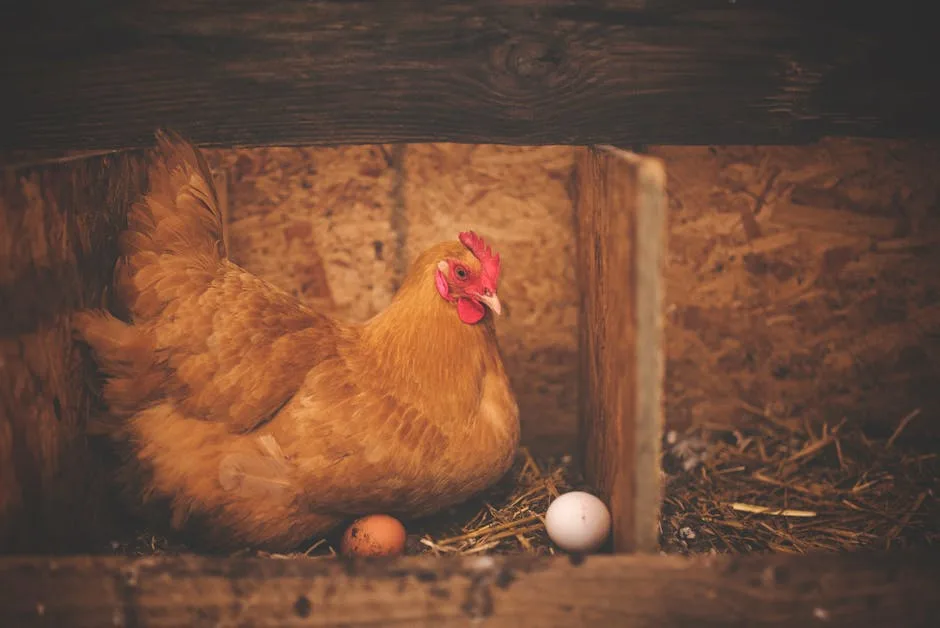
If one of your hens has planted herself in the nesting box, puffed up like an angry football, and growls when you reach under her, congratulations: you have a broody hen. She's decided she wants to hatch chicks, and she'll sit on that nest whether there are fertile eggs under her or not.
The short answer on what to do: if you don't want chicks, you'll need to break her broodiness, and the fastest reliable method is a few days in an elevated wire cage that cools her underside. If you do want chicks and have a rooster or fertile eggs, you can let her sit and she'll do most of the work for you. Either way, a broody hen stops laying eggs while she's sitting, so the sooner you decide, the sooner your egg basket fills back up.
Here's how to tell for sure she's broody, why it happens, how to break it safely, and how to set her up to hatch if that's the route you want.
What You'll Learn
- •What Is a Broody Hen?
- •How to Tell If Your Hen Is Broody
- •Why Do Hens Go Broody?
- •Which Breeds Go Broody Most Often
- •Is Broodiness a Problem?
- •How to Break a Broody Hen (Step by Step)
- •How Long Broodiness Lasts If You Do Nothing
- •Should You Let Her Hatch Eggs Instead?
- •Caring for a Broody Hen While She Sits
- •Common Broody Hen Mistakes
- •When to Worry
- •Frequently Asked Questions
What Is a Broody Hen?
A broody hen is a hen whose instincts have switched from laying eggs to hatching them. Instead of dropping an egg in the nest and walking away, she stays put, keeping a clutch warm around the clock. It's driven by a hormone called prolactin, the same hormone that governs mothering behavior in a lot of animals. Once it kicks in, she stops laying and dedicates herself to incubation.
The catch: she doesn't know or care whether the eggs under her are fertile. A hen with no rooster in sight will sit on an empty nest, on other hens' eggs, or on golf balls, for weeks. Her body is convinced babies are coming.
Broodiness is completely normal. It's how chickens reproduced for thousands of years before incubators existed. But in a backyard flock kept mainly for eggs, a broody hen is usually an inconvenience: she's not laying, she's hogging the best nesting box, and she can get snippy with the rest of the flock.
How to Tell If Your Hen Is Broody
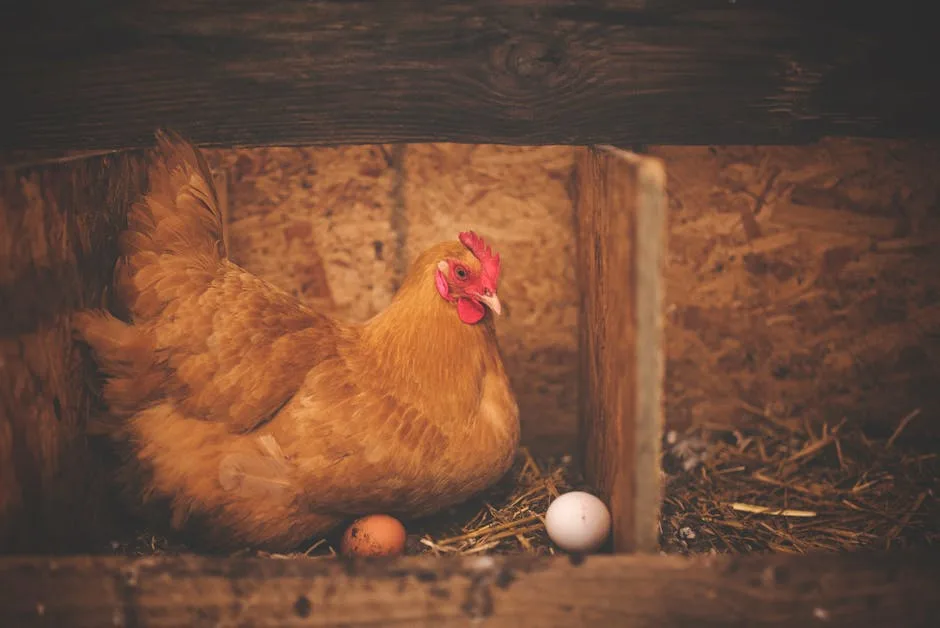
New keepers often panic that a broody hen is sick, because she's suddenly sitting still, fluffed up, and acting strange. Here's how to know the difference. A broody hen shows a cluster of these signs, not just one:
| Sign | What it looks like |
|---|---|
| Won't leave the nest | Sits in the box all day and sleeps there at night, not on the roost |
| Puffed up and flat | Fluffs her feathers wide and flattens her body over the nest to cover eggs |
| Growls, pecks, screams | Makes a low growl or a shrieking cluck and may peck your hand when you reach in |
| Plucked breast | Bare skin on her chest where she pulled feathers to warm eggs directly |
| Broody poop | Leaves one large, unusually smelly dropping once a day instead of many small ones |
| Skips food and water | Eats and drinks in one quick daily trip, then races back to the nest |
| Hot to the touch | Her underside feels warm from the blood-rich brood patch on her chest |
If you lift her off the nest and she puffs up, marches straight back, and settles in again, she's broody. A sick hen usually acts weak or disinterested, while a broody hen is stubborn and defensive about her nest.
If you're seeing lethargy, pale comb, or other symptoms without the nest-guarding behavior, read our guide to sick chicken symptoms instead. Broodiness and illness look different once you know what to watch for.
Why Do Hens Go Broody?
Broodiness comes down to a mix of hormones, breed genetics, and environment:
- •Hormones. Rising prolactin flips the switch from laying to incubating. This can trigger even without a rooster or fertile eggs.
- •Breed. Some breeds are hardwired for it. Others have had broodiness bred nearly out of them for higher egg production. More on that below.
- •Season. Broodiness is most common in spring and summer, when longer daylight and warmer temperatures signal that it's a good time to raise chicks.
- •A full nest. A pile of eggs left sitting in a box can encourage a hen to settle in. Collecting eggs daily helps, though a determined hen will sit on an empty nest anyway.
- •Age. Hens often have their first broody spell in their first or second spring of laying, though it varies widely.
You didn't do anything wrong, and you can't fully prevent it. It's instinct. What you can control is how you respond once it starts.
Which Breeds Go Broody Most Often
If a reliable egg supply matters to you, breed choice makes a real difference. Some breeds go broody several times a season; others almost never do.
| Broodiness level | Breeds |
|---|---|
| Very high | Silkie, Cochin, Brahma |
| High | Buff Orpington, Sussex, Marans |
| Moderate | Australorp, Wyandotte, Plymouth Rock |
| Low | Rhode Island Red, Barred Rock production strains |
| Rarely broody | Leghorn, ISA Brown, most production hybrids |
Silkies are the champions of broodiness. Many breeders keep a Silkie or two specifically to hatch other breeds' eggs, because a Silkie will happily sit on almost anything. On the flip side, high-output layers like Leghorns and sex-link hybrids were bred to keep laying instead of stopping to brood, which is exactly why they're on so many best egg-laying breeds lists.
Is Broodiness a Problem?
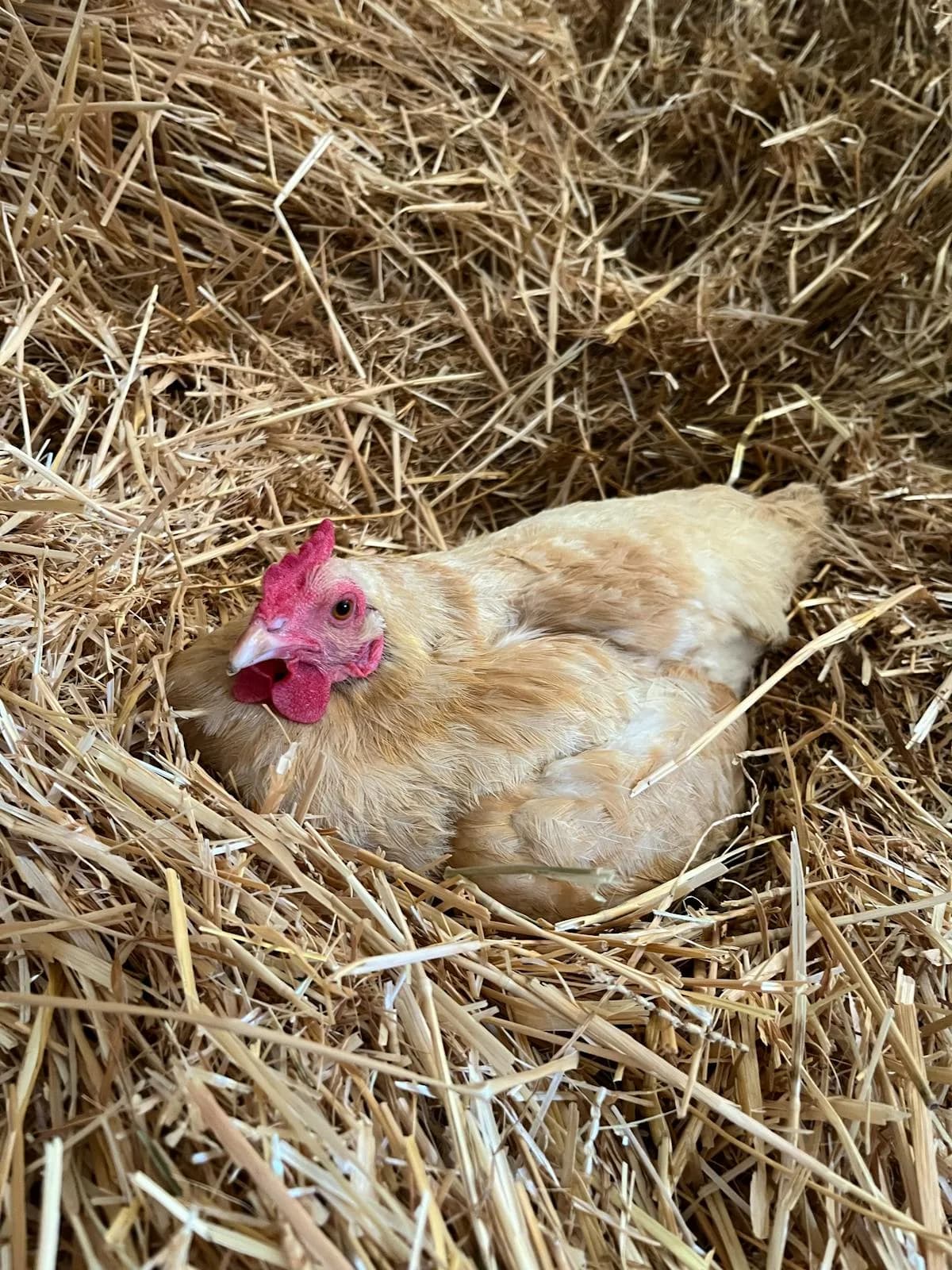
It depends entirely on what you want from your flock.
When broodiness is a problem:
- •She stops laying, so your egg count drops.
- •She often blocks the most popular nesting box, which can back up the rest of your layers. Our nesting boxes guide covers how many boxes a flock needs to avoid traffic jams.
- •A long broody spell drains her. She eats and drinks less, loses weight, and can become run down.
- •Sitting still for weeks lets mites and lice build up in her feathers, since she isn't dust bathing.
When broodiness is a gift:
- •If you want chicks and have fertile eggs, a broody hen is a free, fully automatic incubator and brooder rolled into one. No electricity, no candling schedule you have to babysit, no heat plate to manage.
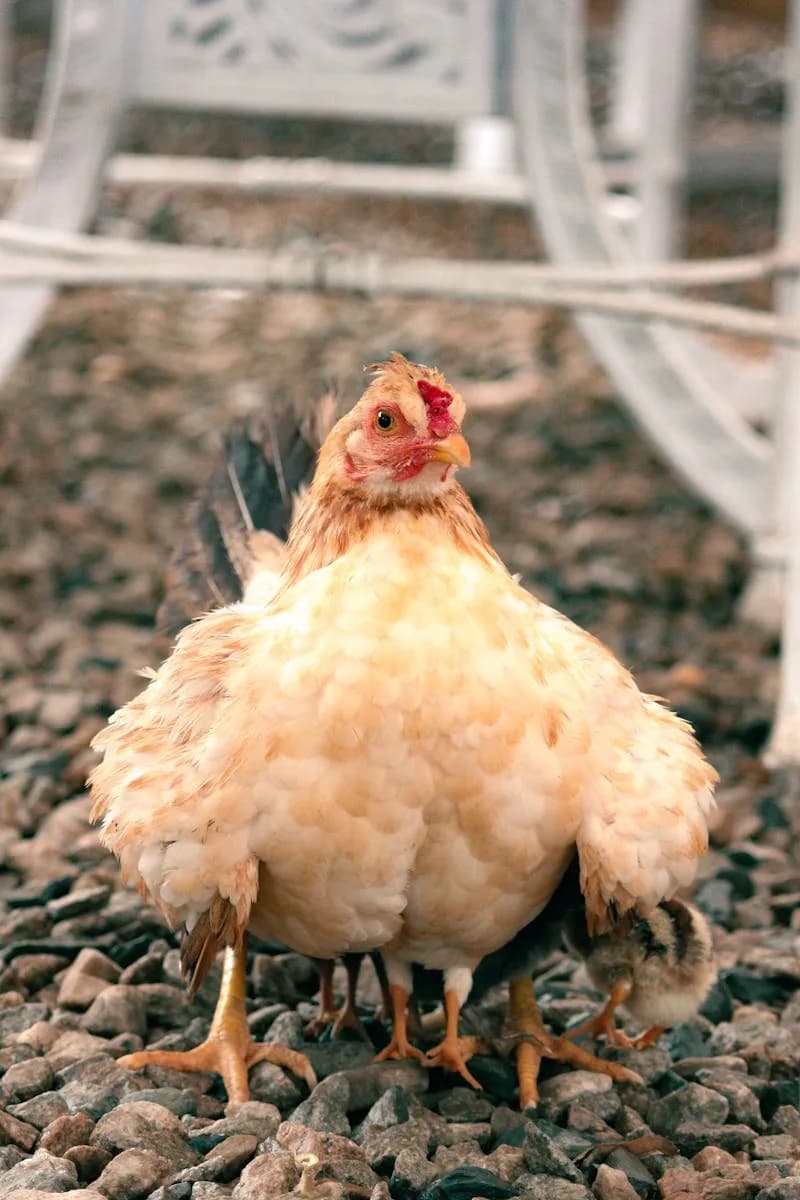
- •A good broody mother teaches chicks to eat, drink, and forage, and shelters them under her wings.
So the first question isn't "how do I stop this," it's "do I want chicks or not?" Your answer decides everything that follows.
How to Break a Broody Hen (Step by Step)
If you don't want chicks, break the broodiness sooner rather than later. The longer she sits, the more weight she loses and the longer it takes her to start laying again. The mechanism behind every good method is the same: cool down her warm underside so her body stops getting the "I'm incubating" signal.
The most reliable approach is the elevated wire cage, sometimes called a broody breaker. Here's the process:
- •Lift her off the nest every time you catch her sitting. For a mild case, repeatedly removing her over a day or two is sometimes enough on its own.
- •Block the nesting box she keeps returning to, or close off the coop nest boxes during the day so she can't resettle.
- •Set up an elevated wire-bottom cage. A wire dog crate raised on bricks works well. Put food and water inside but no bedding, straw, or solid floor. The open wire lets air circulate under her and cools the brood patch.
- •Keep the cage in a bright, breezy, safe spot, like a shaded porch or a corner of the run. Light and airflow both work against the broody hormones.
- •Leave her in the cage for 2 to 4 days, letting her out only under supervision. Most hens snap out of it in this window.
- •Return her to the flock and watch. If she marches straight back to the nest and flattens out again, put her back in the cage for another couple of days. Stubborn hens sometimes take two rounds.
A wire dog crate that you raise off the ground is the tool most keepers reach for, and it doubles as a hospital cage or a chick grow-out pen later. A gentler trick that helps milder cases is slipping a frozen water bottle or ice pack under her in the nest to cool the eggs and her belly, though it's less reliable than the cage on its own.
Affiliate Disclosure: This article contains affiliate links to Amazon. If you buy something through these links, we earn a small commission at no extra cost to you. We only recommend products we genuinely think are worth your money. Full disclosure.
Skip the old advice about dunking her in cold water. It stresses the bird, risks chilling her, and doesn't work better than the cage. Cooling the brood patch with airflow does the same job without soaking a frightened hen.
Once broken, she'll usually go back to laying within a week or so, though it can take a little longer if she sat for weeks before you intervened.
How Long Broodiness Lasts If You Do Nothing
A natural incubation runs about 21 days, the same time it takes fertile eggs to hatch. In theory a hen "should" give up around then if nothing hatches. In practice, many hens keep sitting well past 21 days, sometimes for a month or more, because the eggs never hatch to reset her instincts.
That's the real risk of doing nothing. A hen who sits for four, five, or six weeks straight loses noticeable weight, gets dehydrated, and can end up genuinely unwell. Her comb may go pale and she may be slow to bounce back. This is why most keepers step in to break broodiness rather than wait it out, unless they're giving her fertile eggs to hatch.
Should You Let Her Hatch Eggs Instead?
If you've got a rooster, or you can buy fertile hatching eggs, a broody hen is one of the easiest ways to grow your flock. She handles the incubation temperature, humidity, and egg turning by instinct, then raises the chicks herself.
Before you commit, weigh a few things:
- •You'll get roughly a 50/50 split of pullets and cockerels. Have a plan for the extra roosters, since most backyard setups can only keep one, if any. Our guide on whether you need a rooster walks through the tradeoffs.
- •Timing. Chicks hatch in about 21 days from when she starts steady sitting. Spring and early summer are ideal so they feather out before cold weather.
- •Fertile eggs. No rooster means no chicks, no matter how devoted she is. You'll need to source fertile eggs and slip them under her.
If you go for it, set her up right:
- •Move her to a private broody box on the ground, away from the other hens, so they don't add fresh eggs to her clutch or bother her. A dog crate with straw in a quiet corner works.
- •Give her a manageable clutch, typically 6 to 10 eggs depending on her size, all started at the same time so they hatch together.
- •Mark the eggs with a pencil so you can pull any new ones the flock sneaks in.
- •Candle the eggs around day 7 to 10 to check development, and read our full how to hatch chicken eggs guide for the day-by-day picture.
After hatch, the mother hen does the hard part, but you'll still want chick-appropriate feed and a safe, predator-proof space. Our raising chicks week by week guide covers what the babies need as they grow.
Caring for a Broody Hen While She Sits
Whether you're letting her hatch or waiting for a cage to break the spell, keep an eye on her health while she's sitting:
- •Make sure she eats and drinks. A broody hen will neglect herself. Place food and water within a few feet of the nest so she doesn't have to go far. Some keepers gently lift a broody hen off the nest once a day to nudge her to eat, drink, and poop.
- •Watch her weight and comb. A pale comb or a bird that feels light and bony means she's running down. That's a signal to break the broodiness if you weren't already.
- •Support hydration in heat. During hot spells, a broody hen barely leaving the nest can get dehydrated fast. A round of poultry electrolytes and probiotics in her water helps, especially in summer.
- •Check for parasites. Because she isn't dust bathing, mites and lice can multiply in her feathers. Peek under her wings and around the vent, and dust her if you spot crawlers.
- •Keep the nest clean and dry. A broken egg under a broody hen turns into a smelly, bacteria-friendly mess. Remove any cracked eggs right away.
Common Broody Hen Mistakes
- •Waiting too long to decide. Every extra week she sits costs eggs and condition. Choose early: break her or set her up to hatch.
- •Just locking her out of the coop. Blocking the nest without cooling her underside rarely works. Determined hens will brood in a corner of the run instead. The wire cage addresses the actual cause.
- •Giving fertile eggs to a first-time, unproven broody. Some hens quit halfway through. If it's her first time and you can't risk losing a clutch, consider testing her with a few days of sitting before committing valuable hatching eggs.
- •Cold-water dunking. Stressful, chilling, and no more effective than airflow. Skip it.
- •Adding eggs day by day. If you stagger the eggs, they hatch on different days and the hen leaves the nest with the first chicks before the rest hatch. Start the whole clutch together.
- •Mistaking egg binding for broodiness. A hen straining and hunched in the nest may be egg bound, which is an emergency, not broodiness. See our egg problems troubleshooting guide to tell them apart.
When to Worry
Broodiness itself is normal and rarely dangerous in the short term. Get concerned if:
- •She's been sitting more than three to four weeks with no hatch and is losing weight or looks weak.
- •Her comb is pale, she feels bony, or she's stopped eating and drinking even when you lift her off.
- •She's straining, has a swollen abdomen, or there's discharge, which can point to egg binding or infection rather than brooding.
- •After you break the broodiness, she doesn't return to normal behavior and laying within a couple of weeks.
Any of those calls for a closer look and, if you're unsure, a chat with a poultry-savvy vet. A healthy broody hen you break in time bounces back fine and lays again soon after.
Frequently Asked Questions
How do I break a broody hen fast?
The quickest reliable method is an elevated wire-bottom cage with food and water but no bedding, placed somewhere bright and breezy for 2 to 4 days. The open wire cools her underside and disrupts the broody hormones. Removing her from the nest repeatedly can work for mild cases, but the cage is faster and more consistent.
Will a broody hen starve herself to death?
She won't usually starve on a normal broody cycle, but a hen who sits for many weeks past the 21-day mark can lose serious weight and become dehydrated and run down. That's why keepers break broodiness if there's no hatch coming, and keep food and water right next to the nest for any hen who is sitting.
Do broody hens lay eggs?
No. Once a hen goes broody she stops laying and focuses entirely on incubating. That's the main reason broodiness reduces your egg supply. She'll start laying again within a week or so after the broodiness is broken or after her chicks hatch and grow up a bit.
Can a hen go broody without a rooster?
Yes. Broodiness is driven by hormones and instinct, not by the presence of a rooster or fertile eggs. A hen with no rooster will happily sit on an empty nest, unfertilized eggs, or even golf balls. Without a rooster, though, those eggs will never hatch, so you'll want to break the broodiness.
How long does it take a broody hen to hatch eggs?
About 21 days of steady sitting from when incubation begins. If you're giving her fertile eggs, start the whole clutch at once so they hatch together, and expect chicks around three weeks later. Our how to hatch chicken eggs guide covers the full timeline.
Should I move a broody hen to a separate area?
If you want her to hatch, yes. Move her to a quiet, predator-safe broody box on the ground so the rest of the flock doesn't disturb her or add fresh eggs to the clutch. If you're breaking the broodiness, the wire cage serves the same separation purpose while cooling her down.
Why is my broody hen so aggressive?
Growling, puffing up, and pecking are normal broody defense behaviors. She's protecting her nest, and it usually stops once the broodiness ends. Handle her gently and give her space. If you need to move her, doing it after dark tends to be calmer.
Can any breed hatch chicks, or only broody breeds?
Only a hen who actually goes broody will sit on eggs. High-production layers like Leghorns and hybrids rarely go broody, so they seldom hatch chicks naturally. If you want a natural incubator, keep a broody-prone breed like a Silkie, Cochin, or Buff Orpington in your flock.
Sources:
- •University of Kentucky Cooperative Extension. Small Flock Poultry Resources. https://poultry.extension.org/
- •Merck Veterinary Manual. Reproductive Behavior of Poultry. https://www.merckvetmanual.com/poultry
- •Penn State Extension. Backyard Poultry. https://extension.psu.edu/animals/poultry
- •Mississippi State University Extension. Small Flock Management. http://extension.msstate.edu/
Related Guides
Rooster vs Hen: How to Tell the Difference
How to tell a rooster from a hen: comb and wattle size, hackle and saddle feathers, crowing, spurs, and behavior, plus the age each clue appears.
Beginner GuidesWhat Is a Pullet? Age, Laying Signs, and Buying Tips
A pullet is a female chicken under a year old. When she becomes a hen, how to tell a pullet from a cockerel, and what started pullets cost versus chicks.
Beginner GuidesWhen Do Chickens Start Laying Eggs? Age & Signs
Most hens lay their first egg around 18 to 22 weeks old. Learn the signs a pullet is ready, what delays laying, and how to know eggs are coming.
Beginner GuidesHow to Hatch Chicken Eggs: Complete 21-Day Incubation Guide
Hatch chicken eggs at home with this day-by-day incubation guide. Covers temperature, humidity, turning, candling, and what to do on hatch day.