Cinnamon Queen Chicken: Eggs, Color Sexing, Care
Cinnamon Queens lay 250-320 brown eggs a year and can be sexed by color at hatch. Full breed guide: looks, temperament, lifespan, and care.
Researched from university extension, USDA, and veterinary sources. How we research.
If you want a hen that lays a brown egg almost every day, starts early, and is friendly enough for kids to carry around the yard, the Cinnamon Queen belongs on your short list. It's a sex-linked hybrid bred for one job: producing eggs at a high rate without fuss. The bonus feature that makes this bird stand out is color sexing. You can tell the pullets from the cockerels the day they hatch, just by looking at their down.
Like all production hybrids, the Cinnamon Queen comes with trade-offs. It isn't a heritage breed, you can't hatch more of them from your own flock, and the heavy laying that makes them so useful also shortens their working life. This guide walks through everything: what they look like, how the color sexing works, how many eggs to expect, and how to keep them healthy for as long as possible.
Quick Answer
| Trait | Cinnamon Queen |
|---|---|
| Type | Sex-linked production hybrid (not a true breed) |
| Egg color | Brown |
| Eggs per year | 250 to 320 |
| Egg size | Large to extra-large |
| Starts laying | 16 to 20 weeks |
| Hen weight | 5 to 6 lbs |
| Temperament | Docile, friendly, calm |
| Broody? | Rarely |
| Cold hardy? | Yes |
| Lifespan | 3 to 5 years |
| Best for | Beginners who want lots of eggs |
What You'll Learn
- •What Is a Cinnamon Queen Chicken?
- •Cinnamon Queen vs Golden Comet, Red Star, and ISA Brown
- •What Do Cinnamon Queens Look Like?
- •Color Sexing: Telling Pullets From Cockerels at Hatch
- •How Many Eggs Do Cinnamon Queens Lay?
- •Temperament and Personality
- •Are Cinnamon Queens Good for Beginners?
- •Housing and Space Requirements
- •Feeding a Heavy Layer
- •Common Health Issues and Lifespan
- •Where to Buy Cinnamon Queen Chickens
- •Frequently Asked Questions
What Is a Cinnamon Queen Chicken?
A Cinnamon Queen is a sex-linked hybrid chicken, usually a cross between a Rhode Island Red rooster and a Rhode Island White or silver-feathered hen. Hatcheries breed them specifically for high brown-egg production, and the cross produces chicks that can be sexed by color at hatch. That last part is the whole point of the design, and it's why these birds exist as a named hybrid at all.
Here's the key thing to understand before you buy: a Cinnamon Queen is not a true breed. You won't find one in the American Poultry Association's Standard of Perfection, and you can't breed two Cinnamon Queens together and get more Cinnamon Queens. The chicks from that pairing would be a genetic grab bag, and they'd lose the tidy color-sexing trick. Every real Cinnamon Queen comes from that specific first-generation cross, done at a hatchery.
For most backyard keepers, none of that matters. You're buying these birds for eggs, not for a breeding program or a show table. They do the job they were built for better than almost anything else, and they do it while being some of the calmest, most handleable chickens you can own.
Cinnamon Queen vs Golden Comet, Red Star, and ISA Brown
This is the question that trips up most new keepers, so let's clear it up. Cinnamon Queen, Golden Comet, Red Star, Gold Sex Link, and ISA Brown are all closely related red sex-linked hybrids. They're built on the same idea: cross a red-gene rooster with a silver-gene hen so the chicks sort themselves by color. The differences between them are mostly about which exact parent stock a given hatchery uses and what marketing name they slap on the box.
| Hybrid name | Typical cross | Eggs/year | Notes |
|---|---|---|---|
| Cinnamon Queen | Rhode Island Red x Rhode Island White / Silver | 250-320 | Reddish-cinnamon plumage |
| Golden Comet | Rhode Island Red x White Rock (Rock-Rhode cross) | 250-320 | Very similar performance |
| Red Star | Generic red sex-link label | 250-300 | Often the same as the above |
| ISA Brown | Proprietary trade-secret cross | 300-350 | Slightly higher output |
In practice, if you order Cinnamon Queens from one hatchery and Golden Comets from another, you may not be able to tell the grown hens apart. They'll all be friendly red-brown birds laying large brown eggs. So don't agonize over the name. Pick whichever your favorite hatchery carries, and judge the bird on what it does, not its label. If you want the absolute highest output, the ISA Brown edges ahead. If you want a hardy, longer-lived sex-link with showier blue-grey looks, the Sapphire Gem is worth a look instead.
What Do Cinnamon Queens Look Like?
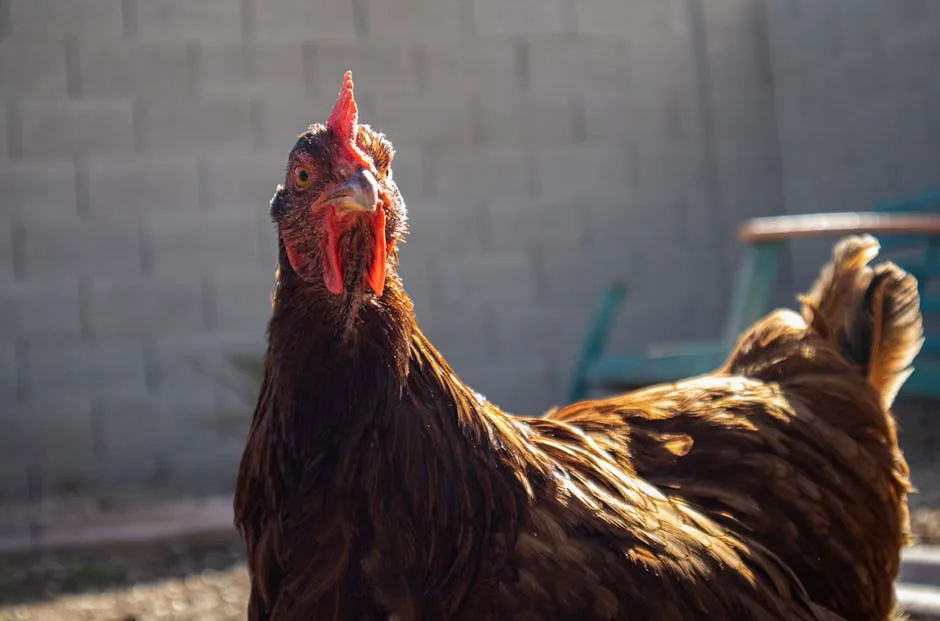
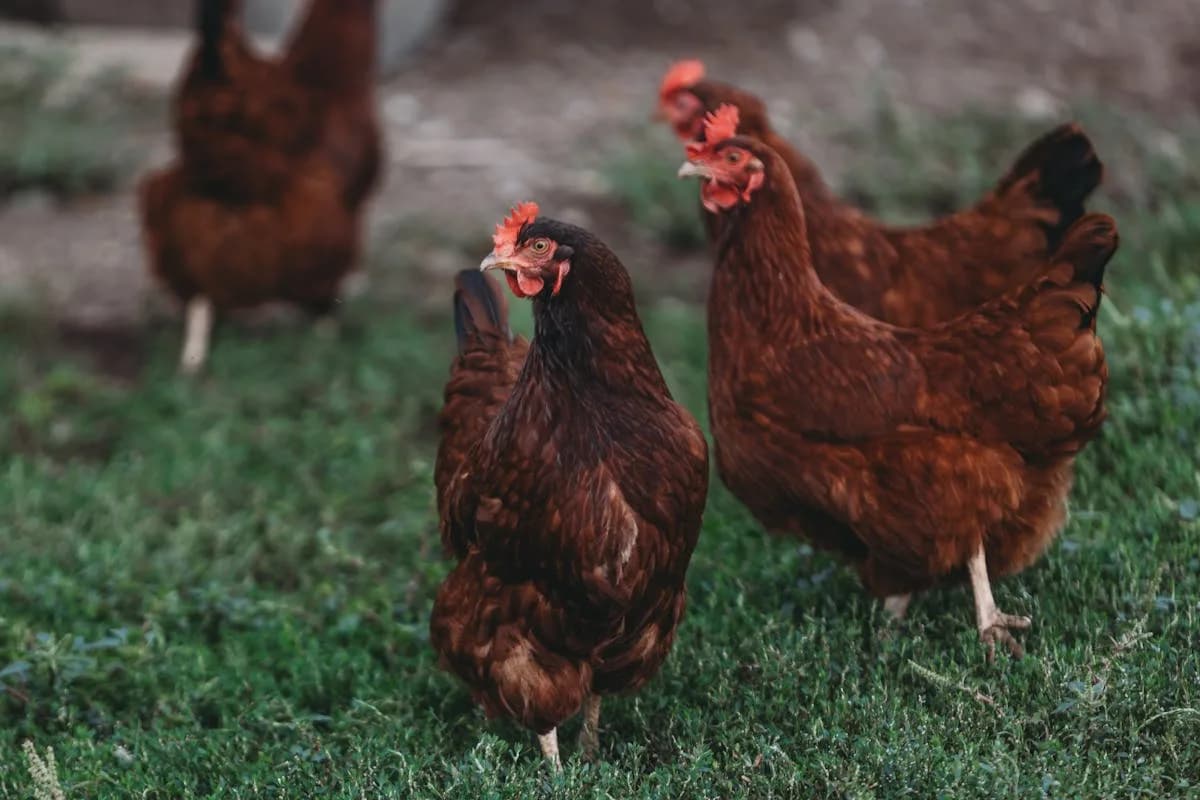
Cinnamon Queen hens have a warm, reddish-brown plumage that runs from a light golden cinnamon to a deeper russet, often with white flecking scattered through the breast, tail, and neck feathers. No two are colored exactly alike, which is part of their charm. They have a classic, tidy farmyard-hen shape: nothing exotic, just a solid, productive-looking bird.
Physical characteristics at a glance:
- •Weight: Hens 5 to 6 lbs, roosters 7 to 8 lbs (roosters are uncommon since the birds are sex-sorted)
- •Plumage: Reddish-cinnamon to russet, often with white flecks
- •Comb: Single, medium, bright red
- •Earlobes: Red
- •Legs: Yellow, clean (no feathering)
- •Skin: Yellow
- •Egg color: Brown
Roosters, when they exist, are noticeably paler than the hens. They tend toward a creamy white or pale buff body with some red or smoky markings, a direct result of the sex-linked genetics. That color split between the sexes is not just a curiosity. It's the feature that makes the breed worth producing, and it shows up the moment the chicks hatch.
Color Sexing: Telling Pullets From Cockerels at Hatch
This is what sets a sex-linked hybrid apart from an ordinary chicken, so it's worth understanding. With most breeds, sexing day-old chicks requires either vent sexing (a skilled job with a real error rate) or feather sexing, and a fair number of "pullets" still turn out to be roosters. With Cinnamon Queens, you just look at the color of the fluff. One limit worth knowing: a sex-link only sexes by color in this first cross, so you can't breed your own from it. A true auto-sexing breed like the Bielefelder sorts its chicks by color generation after generation.
At hatch:
- •Pullets (females): Reddish, buff, or cinnamon-colored down. These are your future layers.
- •Cockerels (males): Pale yellow or white down, sometimes with faint smoky or grey markings.
The accuracy is very high, well above what vent sexing delivers, which is why hatcheries can sell these as "pullets" with real confidence. For a backyard keeper in a town that bans roosters, or anyone who simply doesn't want the surprise of a crowing bird at 4 a.m., this is a genuine advantage. You're far less likely to end up with an accidental rooster than you would be ordering straight-run chicks or even sexed chicks of a standard breed.
It's worth knowing why this works. The down color is controlled by a gene carried on the sex chromosome, and the cross is set up so that the females inherit the father's red coloring while the males inherit the mother's lighter coloring. You don't need to follow the genetics to use the result, but it explains why the trick is reliable and why you can't reproduce it by breeding two Cinnamon Queens together.
How Many Eggs Do Cinnamon Queens Lay?
This is where the Cinnamon Queen earns its keep. These are among the most productive backyard layers you can buy, right alongside the other red sex-links.
Egg production numbers:
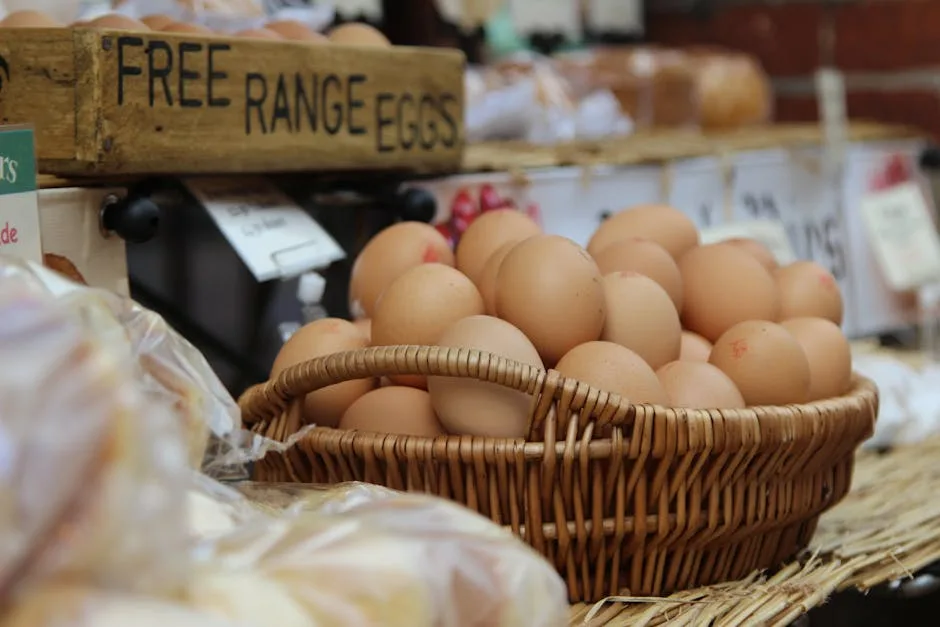
- •Annual production: 250 to 320 eggs per year
- •Egg size: Large to extra-large
- •Egg color: Brown
- •Start of lay: 16 to 20 weeks (early, sometimes very early)
- •Peak production: First 18 to 24 months
During their first year, expect close to an egg a day from each hen, which works out to 6 eggs most weeks. Many Cinnamon Queens also keep laying through their first winter without supplemental light, something heritage breeds rarely do. That early start and winter persistence are a big reason these birds are so popular with people who want a steady supply of eggs without a lot of management.
The catch is the same one that comes with every high-output hybrid: they burn bright and fade faster than heritage birds. After about two years of heavy laying, production tapers noticeably, and by year three you might be down to 3 or 4 eggs a week. A heritage layer like the Rhode Island Red or Australorp lays fewer eggs in its prime but holds a steadier pace over more years. If your goal is maximum eggs per hen right now, the Cinnamon Queen wins. If you want a bird that lays moderately for five or six seasons, look heritage. For a side-by-side of the top producers, see our roundup of the best egg-laying breeds.
Temperament and Personality
Cinnamon Queens are friendly, calm, and easy to handle, which is no accident. Birds bred for commercial and backyard egg production are selected for docility along with output, because a panicky hen is a hard hen to manage. The result is a chicken that tends to tolerate handling well, comes running when you show up with treats, and rarely causes drama in the flock.
Personality traits:
- •Docile and calm: They settle into a routine quickly and rarely flap or bolt
- •Friendly and curious: Many will eat from your hand and follow you around the run
- •Good with kids: Their patient temperament suits family flocks
- •Rarely broody: They almost never stop to sit on eggs, which keeps production high
- •Moderately quiet: They sing the egg song but aren't as loud as a Leghorn
In a mixed flock they usually settle into the middle of the pecking order. They aren't bullies, and they're confident enough not to get picked on by calmer breeds. They mix well with other gentle birds like Orpingtons, Sussex, and Wyandottes. Their lack of broodiness is a plus if you just want eggs, but it does mean you can't count on a Cinnamon Queen to hatch and raise chicks for you. If natural brooding matters to you, keep a Silkie or another broody breed in the mix for that job.
Are Cinnamon Queens Good for Beginners?
Cinnamon Queens are one of the best first-flock choices out there, for a handful of practical reasons:
- •They're hardy and adapt to most climates without special care.
- •They lay early, so you see eggs months sooner than with slow-maturing breeds.
- •They're easy to handle, which makes daily chores and health checks painless.
- •Color sexing means you're far less likely to end up with a surprise rooster.
- •They're forgiving of the small mistakes every new keeper makes.
The one thing to go in with eyes open about is their health profile. As high-production hybrids, they're more prone to reproductive problems later in life than heritage breeds, and they don't live as long. That's not a reason to avoid them, it's just a reason to set realistic expectations. If you're putting together your first flock, pair this guide with our beginner's guide to raising backyard chickens and our breakdown of how many chickens a beginner should start with so you plan the right flock size from the start.
Housing and Space Requirements
Cinnamon Queens aren't picky about housing, but giving them adequate room keeps them healthy and laying well. They tolerate confinement reasonably, which is part of why they show up in so many small backyard setups, but they're happier with space to scratch and forage.
Space guidelines:
| Requirement | Minimum | Recommended |
|---|---|---|
| Coop space | 3 sq ft per bird | 4 sq ft per bird |
| Run space | 8 sq ft per bird | 10+ sq ft per bird |
| Roosting bar | 8 inches per bird | 10 inches per bird |
| Nesting boxes | 1 per 3-4 hens | 1 per 3 hens |
If you can let them out, Cinnamon Queens are enthusiastic foragers and will happily work a yard for bugs and greens. A few hours of supervised free ranging cuts your feed bill a little and keeps the birds busy and content. Whatever housing you choose, prioritize good ventilation without drafts and a dry floor. Damp, stuffy coops cause more health problems than cold ever does. Our best chicken coops roundup covers options sized for small backyard flocks.
These birds handle cold well thanks to their solid body size and tight feathering, and many keep laying through winter. In hot climates, give them shade, cool water, and good airflow, since heavy layers feel heat stress more than you'd expect. Their single combs can be prone to frostbite in hard winters, so in very cold regions a draft-free coop matters even more. See how to keep chickens warm in winter for the details.
Feeding a Heavy Layer
A hen producing 250-plus eggs a year is pouring a remarkable amount of calcium and protein into those shells and yolks. Skimp on nutrition and you'll see it fast: thin or soft shells, dropped production, and a higher risk of the reproductive problems these birds already lean toward. Feed quality is not the place to cut corners with a Cinnamon Queen.
Feeding recommendations:
- •Layer feed (16% protein): Free-choice once they start laying around 16 to 18 weeks
- •Calcium supplement: Crushed oyster shell in a separate dish, always available
- •Grit: Needed if they eat anything beyond commercial feed
- •Fresh water: Always, with no exceptions
- •Daily intake: Roughly 1/4 lb of feed per hen per day
Offer oyster shell on the side rather than mixing extra calcium into the feed. Hens self-regulate how much they need, and heavy layers will eat more of it than birds that lay less. Keep treats to about 10 percent of the diet so they don't crowd out the balanced layer ration. For what's safe and what to skip, see our feeding guide and the rundown of the best treats for chickens. Reliable feeders and waterers make daily chores easier, and our feeder and waterer picks covers setups that cut down on waste.
Common Health Issues and Lifespan
Here's the honest downside of the breed. The same intense egg production that makes Cinnamon Queens so useful puts heavy wear on their reproductive systems, and that catches up with them. High-output hybrids are more prone to certain problems than heritage birds, mostly after their second year.
Common health concerns:
Egg Yolk Peritonitis
When a yolk ends up loose in the abdomen instead of traveling down the oviduct, it can trigger infection and inflammation. This is one of the more common causes of death in production hybrids past age two. Watch for a swollen, firm abdomen, a penguin-like upright stance, lethargy, and loss of appetite.
Egg Binding
When a hen can't pass a formed egg, it becomes an emergency within hours. Good calcium intake and keeping hens from getting overweight are your best prevention. A hen straining, sitting puffed up, and not laying needs attention quickly.
Reproductive Tumors
Ovarian and oviduct tumors show up more often in heavy-laying hybrids than in heritage breeds. There isn't much you can do to prevent them, and they tend to appear after a couple of years of hard laying.
Prolapsed Vent
The vent can prolapse after a hen passes an unusually large egg. It's treatable if you catch it early, but other birds will peck at exposed tissue, so isolate an affected hen right away.
Keeping them healthy:
- •Feed quality layer ration with calcium always available
- •Skip artificial winter lighting so hens get a natural rest from laying
- •Learn the signs of a sick chicken and act early
- •Keep the coop dry, clean, and well ventilated
- •Watch for egg quality problems, which often signal a diet or health issue
One management choice that genuinely helps: don't add supplemental light to push laying through the dark months. Letting a Cinnamon Queen take her natural winter break eases the strain on her system and can stretch her productive life. The eggs you give up over a couple of winters are a fair trade for a healthier, longer-laying hen.
On lifespan, set expectations realistically. Cinnamon Queens typically live 3 to 5 years, sometimes reaching 6 with excellent care and a little luck. That's shorter than the 7 to 10 years many heritage breeds manage. The reason is simple: laying 300 eggs a year is like running an engine near its limit, and the parts wear sooner. Many keepers add a few new pullets every couple of years to keep the egg basket full while older hens stay on as pets. There's nothing wrong with that, as long as you're ready for the slowdown when it comes.
Where to Buy Cinnamon Queen Chickens
Cinnamon Queens are widely available because they're one of the most popular backyard layers in the country. You'll find them at:
- •Major hatcheries: Nearly every large hatchery carries Cinnamon Queens or an equivalent red sex-link
- •Farm supply stores: Tractor Supply, Rural King, and similar chains stock them as chicks each spring
- •Local feed stores: Many independents order sexed chicks seasonally
- •Local breeders: Check area Facebook groups, though true Cinnamon Queens come from hatchery crosses
Typical pricing:
- •Day-old pullet chicks: $3 to $5 each
- •Started pullets (point of lay, 16-20 weeks): $20 to $30 each
Buying started pullets costs more upfront but skips four or five months of brooding and feeding, and you get eggs almost right away. If you'd rather raise them from chicks, our chick brooder setup guide covers the gear and temperatures you'll need for the first weeks.
Remember that the name on the box matters less than the bird inside it. If your hatchery is out of Cinnamon Queens, a Golden Comet, Red Star, or Gold Sex Link will give you a nearly identical hen. Buy whichever your trusted source has in stock, and you'll get the same friendly, productive brown-egg layer.
Setting up your first flock? A productive hen still needs a solid coop and a predator-proof run. Our best chicken coops roundup compares current top picks across flock sizes and budgets, from compact starter coops to walk-in models.
Frequently Asked Questions
How many eggs does a Cinnamon Queen lay per year?
A Cinnamon Queen lays 250 to 320 large brown eggs per year during her first two years, which is close to an egg a day at peak. Many also lay through their first winter without added light. Production drops noticeably after year two, often falling to 3 or 4 eggs a week by year three.
Can you tell male and female Cinnamon Queen chicks apart?
Yes, and that's the whole point of the breed. Cinnamon Queens are sex-linked, so the down color sorts the sexes at hatch. Pullets hatch reddish or buff, while cockerels hatch pale yellow or white. The accuracy is much higher than vent sexing, which is why hatcheries sell them as pullets with confidence.
How long do Cinnamon Queen chickens live?
Cinnamon Queens typically live 3 to 5 years, with some reaching 6 under excellent care. Their lifespan is shorter than heritage breeds (7 to 10 years) because heavy egg production wears on their reproductive systems. Skipping winter supplemental light can ease that strain and extend their laying life.
Can you breed Cinnamon Queens?
Not in a way that reproduces the breed. A Cinnamon Queen is a first-generation hybrid, so breeding two of them gives you mixed-up chicks that lose the reliable color sexing and consistent production. To get true Cinnamon Queens you have to buy them from a hatchery that runs the specific parent cross.
What is the difference between a Cinnamon Queen and a Golden Comet?
Very little in practice. Both are red sex-linked hybrids built for high brown-egg output, and they're often nearly indistinguishable as adults. The differences come down to which exact parent stock a hatchery uses and what name they market the bird under. Performance and temperament are essentially the same.
Are Cinnamon Queens good for beginners?
They're one of the best beginner breeds. They're hardy, calm, easy to handle, and they lay early and often. The color sexing also means you're far less likely to end up with an accidental rooster. The only caveat is that high-production hybrids are more prone to reproductive issues and have shorter lifespans than heritage birds.
Are Cinnamon Queens cold hardy?
Yes. Their solid body size and tight feathering help them handle cold well, and many keep laying through winter. In very cold regions, watch their single combs for frostbite and keep the coop draft-free with good ventilation. In hot climates, prioritize shade, airflow, and cool water, since heavy layers feel heat stress quickly.
Do Cinnamon Queens go broody?
Rarely. Like most production hybrids, Cinnamon Queens have had the broody instinct mostly bred out of them, which keeps them laying instead of sitting. That's ideal if you only want eggs, but it means you'll need a broody breed like a Silkie or a Cochin if you ever want a hen to hatch and raise chicks naturally.
The Cinnamon Queen is a hard bird to beat if your top priority is a steady supply of brown eggs from a friendly, low-drama hen. The color sexing takes the rooster gamble off the table, the early start means eggs sooner, and the easygoing temperament makes them a pleasure to keep. Just go in knowing they're sprinters, not marathoners: plenty of eggs for a few good years, then a gentle slowdown. Manage their nutrition, skip the winter lighting, and they'll fill your basket reliably. Still weighing your options? Compare them against the field in our guide to the best chicken breeds for beginners.
Sources:
- •University of Kentucky Cooperative Extension. Small and Backyard Flocks resources. https://poultry.extension.org/
- •Mississippi State University Extension. Sex-Linked Crosses and Poultry Genetics. http://extension.msstate.edu/
- •Merck Veterinary Manual. Disorders of the Reproductive System in Poultry. https://www.merckvetmanual.com/poultry
- •The Livestock Conservancy. Chicken breed and poultry resources. https://livestockconservancy.org/
Related Guides
Light Sussex Chicken: Eggs, Color, Size, Care
Light Sussex chickens are white birds with a black necklace that lay 230-250 brown eggs a year. Full guide to looks, history, sex-linking, size, and care.
BreedsLavender Orpington Breed Guide: Eggs, Color, Care
Lavender Orpingtons are calm, cold-hardy hens that breed true to color and lay 150-250 brown eggs a year. Full guide to looks, eggs, care, and cost.
BreedsSapphire Gem Chicken Breed Guide: Eggs, Care, Color
Sapphire Gem chickens lay 260-290 brown eggs a year and show off blue-grey plumage. Full breed guide: temperament, size, sexing, care, and where to buy.
BreedsChocolate Orpington Breed Guide: Genetics, Eggs, Care
Chocolate Orpingtons explained: the sex-linked chocolate gene, why hens show it and roosters carry it, 120 to 150 tinted eggs a year, care, and where to buy.