
Sapphire Gem Chicken Breed Guide: Eggs, Care, Color
Sapphire Gem chickens lay 260-290 brown eggs a year and show off blue-grey plumage. Full breed guide: temperament, size, sexing, care, and where to buy.
Researched from university extension, USDA, and veterinary sources. How we research.
The Sapphire Gem is one of the prettiest layers you can put in a backyard flock. Picture a calm, dove-grey hen with a soft blue sheen across her feathers, dropping a large brown egg in the nesting box five or six days a week. That combination of looks and output is exactly why Sapphire Gems have taken off with backyard keepers over the last few years.
Here's the part most breed pages bury: the Sapphire Gem is not a true breed. It's a hybrid, much like the ISA Brown, and that fact shapes everything from how you sex the chicks to whether you can hatch your own replacements. This guide walks through the egg numbers, the temperament, the care, and the trade-offs you should understand before you order a few.
Quick Answer: Sapphire Gem at a Glance
| Trait | Detail |
|---|---|
| Type | Sex-linked hybrid (not APA recognized) |
| Origin | Czech Republic |
| Likely cross | Blue Plymouth Rock x Barred Plymouth Rock |
| Egg color | Brown |
| Egg size | Large to extra-large |
| Eggs per year | 260 to 290 |
| Starts laying | 18 to 24 weeks (about 5 to 6 months) |
| Hen weight | 5 to 6 lbs |
| Rooster weight | 6 to 8 lbs |
| Temperament | Docile, friendly, calm |
| Broody? | Rarely |
| Hardiness | Cold and heat hardy |
| Lifespan | 5 to 10 years |
If you want a friendly, productive brown-egg layer that also happens to be gorgeous, the Sapphire Gem is hard to beat. The main catch is availability: only a handful of hatcheries sell them, and you cannot breed two Sapphire Gems and get the same bird back.
What You'll Learn
- •What Is a Sapphire Gem Chicken?
- •What Do Sapphire Gems Look Like?
- •Are Sapphire Gems Sex-Linked?
- •How Many Eggs Do Sapphire Gems Lay?
- •Sapphire Gem Temperament and Personality
- •Are Sapphire Gems Good for Beginners?
- •Housing and Space Requirements
- •Feeding Your Sapphire Gems
- •Common Health Issues
- •Sapphire Gem Lifespan
- •Sapphire Gem vs Other Blue and Production Breeds
- •Where to Buy Sapphire Gem Chickens
- •Frequently Asked Questions
What Is a Sapphire Gem Chicken?
The Sapphire Gem is a sex-linked hybrid layer that traces back to the Czech Republic. The most widely cited cross behind it is a Blue Plymouth Rock over a Barred Plymouth Rock, which is where that blue-grey color and the sex-linked pattern come from. Like other production hybrids, the exact breeding program is closely held by the hatcheries that sell the bird.
A few things follow from being a hybrid rather than a recognized breed:
- •It is not in the American Poultry Association Standard of Perfection. You will not show a Sapphire Gem at a sanctioned breed show, because there is no official standard to judge it against.
- •It does not breed true. If you hatch eggs from a Sapphire Gem hen and rooster, the chicks will be a scramble of the parent genetics. They will not reliably look or lay like a Sapphire Gem. To get more Sapphire Gems, you buy new chicks.
- •The name may be trademarked. At least one hatchery treats "Sapphire Gem" as a proprietary name, so you will see similar blue layers sold under other names elsewhere.
None of this is a knock against the bird. Plenty of the most popular backyard chickens are hybrids, including the ISA Brown, the Golden Comet, and the Cornish Cross meat bird. Hybrids are bred for a job, and the Sapphire Gem's job is to lay a lot of brown eggs while being easy to live with.
What Do Sapphire Gems Look Like?
The color is the headline. Sapphire Gems wear a solid blue-grey plumage that ranges from a pale dove grey to a deeper slate, often with a faint lavender or blue sheen in good light. Many hens carry a darker grey "necklace" or shading across the neck and back, while some birds show a lighter, almost silvery body. No two are colored exactly alike, which is part of the appeal.
Physical characteristics at a glance:
- •Size: Hens 5 to 6 lbs, roosters 6 to 8 lbs (a solid medium-large bird)
- •Comb: Single, red
- •Wattles and earlobes: Red
- •Legs: Clean (no feathering), slate to grey
- •Skin: Light
- •Egg color: Brown
The overall build is athletic and upright rather than fluffy. They look a lot like a Plymouth Rock in body type, which makes sense given the Plymouth Rock lineage, just dressed in blue instead of barred black-and-white. Their single comb and tight feathering give them a clean, classic farmyard-hen silhouette.
Are Sapphire Gems Sex-Linked?
Yes, and this is one of the breed's most useful features. Sex-linked means you can tell pullets (females) from cockerels (males) the day they hatch, based on down color and markings. That matters a lot if you live somewhere that bans roosters or you simply do not want the surprise of a crowing bird in a flock you bought as "hens."
In Sapphire Gems, the typical pattern is:
- •Male chicks usually show a light spot or patch on the top of the head, and they often grow up lighter or more washed-out in color.
- •Female chicks are generally a more even, darker grey, sometimes with faint spotting or a head pattern but no clear light head patch.
Because this sexing relies on color genetics rather than guesswork, reputable hatcheries sell Sapphire Gem pullets with very high accuracy. If you are ordering specifically to avoid roosters, buying sex-linked pullets from a hatchery is far more reliable than trying to vent-sex day-old chicks yourself. For more on why rooster planning matters, see our guide on whether you need a rooster.
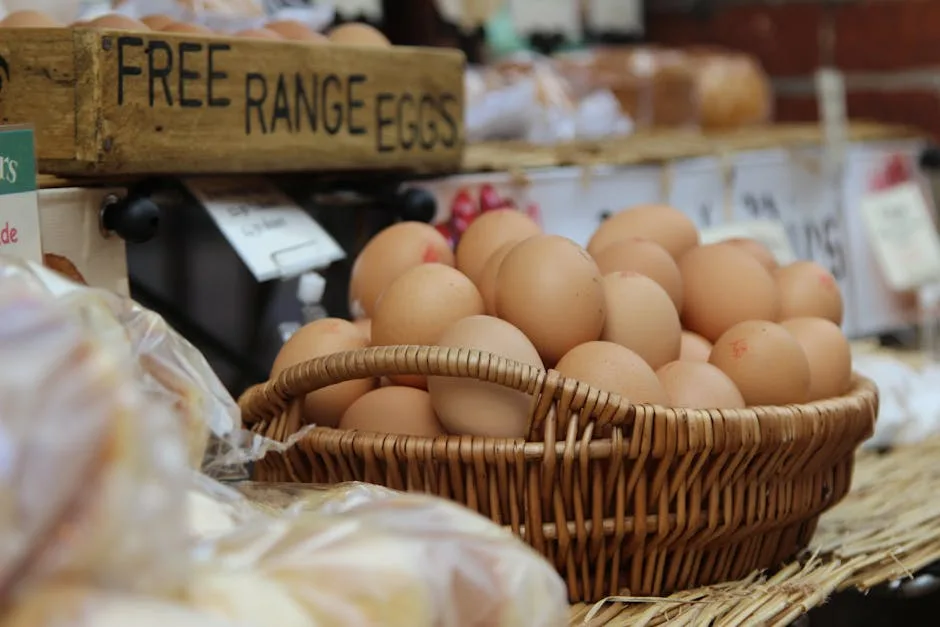
How Many Eggs Do Sapphire Gems Lay?
This is where the Sapphire Gem earns its keep. It was bred as a production layer, and the output reflects that.
Egg production numbers:
- •Annual production: 260 to 290 eggs per year
- •Per week: 5 to 6 eggs during peak
- •Egg size: Large to extra-large
- •Egg color: Brown
- •Start of lay: 18 to 24 weeks (about 5 to 6 months)
That puts the Sapphire Gem near the top of the backyard layer charts, just behind dedicated commercial hybrids like the ISA Brown (300 to 350 eggs) and comfortably ahead of most heritage breeds. For comparison, a Buff Orpington lays around 200 to 280 eggs a year and an Australorp lands around 250 to 300.
A nice quality of the Sapphire Gem is that it tends to keep laying through the colder months better than some breeds, thanks to its hardiness. Egg production always slows in deep winter as daylight drops, and it tapers as any hen ages, but Sapphire Gems hold a steadier pace than the burn-bright-then-fade pattern you see in the most extreme commercial hybrids. If your main goal is a full egg basket, a Sapphire Gem belongs on your shortlist alongside our best egg-laying breeds roundup.
Sapphire Gem Temperament and Personality
Sapphire Gems are easygoing birds. Keepers consistently describe them as docile, friendly, and calm, even when handled or when something stressful happens in the run. They are not flighty or skittish the way a Leghorn can be, and they tend to settle into a mixed flock without much drama.
Personality traits:
- •Calm and even-tempered: They rarely panic or pick fights.
- •Friendly toward people: Many will approach you, follow you around the yard, and tolerate being picked up. Some become real pets.
- •Good with kids: Their patience and size make them a sensible pick for families.
- •Social with other breeds: They generally hold a middle spot in the pecking order rather than ruling or being bullied.
Roosters, when you end up with one, tend to be calmer than average too, though as with any breed individual personalities vary. If you plan to keep a mixed flock, the Sapphire Gem's mellow streak makes it a good neighbor. Read our notes on mixing chicken breeds before combining temperaments.
Are Sapphire Gems Good for Beginners?
Yes. The Sapphire Gem checks most of the boxes a first-time keeper wants:
- •Reliable eggs without fussy management
- •Calm temperament that makes daily handling easy
- •Cold and heat hardiness that forgives a less-than-perfect setup
- •Sex-linked chicks so you are far less likely to end up with an unexpected rooster
- •Low broodiness, meaning a hen rarely stops laying to sit on eggs
The only real beginner caution is sourcing. Because only a handful of hatcheries carry them, you may need to plan your order ahead of the spring chick rush rather than grabbing whatever the local feed store has in the brooder. If you are still building your first flock, our guides on how many chickens a beginner should start with and the best breeds for beginners pair well with this one.
Housing and Space Requirements
Sapphire Gems are an active, medium-large bird that does best with room to move. The standard backyard space guidelines apply, and meeting them prevents most behavior and health problems:
- •Coop space: At least 4 square feet per bird inside the coop
- •Run space: At least 8 to 10 square feet per bird in the run
- •Roost space: About 8 to 12 inches of roosting bar per bird
- •Nesting boxes: One box per 3 to 4 hens, sized roughly 12 x 12 inches
These birds are not bantams, so do not skimp on the coop footprint. Crowding leads to feather picking and stress even in a calm breed. For help sizing your build, see how big your chicken coop should be.
Sapphire Gems handle cold well thanks to their tight feathering, but their single comb can be vulnerable to frostbite in hard freezes. In cold climates, keep the coop dry and well ventilated without being drafty, and the comb usually comes through winter fine. They also tolerate heat reasonably, but like all chickens they need shade and constant fresh water in summer. They are decent foragers and enjoy free-ranging, though their grey color does not hide them from hawks, so factor in protection from predators if you let them roam.
Feeding Your Sapphire Gems
Feeding a Sapphire Gem is straightforward production-layer care. From hatch to about 18 weeks, feed a starter then grower ration. Once they start laying, switch to a complete layer feed running roughly 16 to 18 percent protein.
A heavy layer like the Sapphire Gem pulls a lot of calcium out of her body to build 5 or 6 shells a week, so two supplements matter:
- •Free-choice oyster shell. Offer it in a separate dish, not mixed into the feed, so each hen can take what she needs. A bag like oyster shell calcium supplement lasts a long time.
- •A quality layer feed as the base of the diet. A trusted layer pellet or crumble should make up the bulk of what they eat.
Keep treats and scratch grains to no more than about 10 percent of the total diet. Too many treats dilute the protein and calcium they need for steady laying. Always provide grit if your birds eat anything other than commercial feed, and never let the waterer run dry. For the full rundown, see our complete chicken feeding guide.
FlockGuide is reader-supported. Some links above are affiliate links, and we may earn a small commission at no extra cost to you.
Common Health Issues
Sapphire Gems are generally hardy and do not carry breed-specific genetic problems the way some show breeds do. Their health concerns are the ordinary ones that come with being a high-output layer:
- •Reproductive issues. Hens that lay a lot are more prone to egg binding, internal laying, and (less often) reproductive tumors as they age. Adequate calcium and a steady diet reduce the risk.
- •External parasites. Mites and lice affect any flock. Check vents and under wings regularly and treat early.
- •Worms. Routine fecal monitoring and deworming when needed keep internal parasites in check.
- •Frostbite. That single comb needs a dry, ventilated coop in hard winters.
- •Bumblefoot and respiratory bugs. Standard backyard issues, not breed-specific.
The best prevention is unglamorous: clean water, a complete diet, dry bedding, enough space, and a quick response when a bird looks off. Learn the early warning signs in our guide to sick chicken symptoms so you can act before a small problem becomes a crisis.
Sapphire Gem Lifespan
With good care, Sapphire Gems commonly live 5 to 10 years. That is a longer healthy span than the most extreme commercial layers like the ISA Brown, which often fade by year three to five from the strain of near-daily laying. The Sapphire Gem's slightly more moderate output seems to translate into a longer, steadier life.
Egg production still declines with age. Expect the strongest laying in the first two to three years, with a gradual drop after that. Many keepers run a rolling flock, adding a few new pullets every couple of years so the egg basket stays full while older hens settle into semi-retirement as friendly yard birds.
Sapphire Gem vs Other Blue and Production Breeds
If you are drawn to the Sapphire Gem, you are probably weighing it against a few similar birds. Here is how it stacks up:
| Breed | Eggs/year | Egg color | Temperament | Heritage or hybrid |
|---|---|---|---|---|
| Sapphire Gem | 260-290 | Brown | Docile, friendly | Hybrid |
| ISA Brown | 300-350 | Brown | Very docile | Hybrid |
| Plymouth Rock | 200-250 | Brown | Calm, friendly | Heritage |
| Australorp | 250-300 | Brown | Calm, quiet | Heritage |
| Easter Egger | 200-280 | Blue/green | Friendly, varies | Hybrid |
The Sapphire Gem's edge is the blend: more eggs than most heritage breeds, a longer life than the hardest-driving commercial hybrids, plus that standout color. If you want even more eggs and do not mind a shorter-lived bird, the ISA Brown wins on pure output. If you want colored eggs to go with a pretty flock, an Easter Egger brings blue and green to the carton. And if heritage genetics and breeding true matter to you, a Plymouth Rock or Rhode Island Red is the better long-term pick.
Where to Buy Sapphire Gem Chickens
The biggest hurdle with Sapphire Gems is simply finding them. Because the bird is a proprietary hybrid, only a limited set of sources carry it:
- •Hatcheries: A handful of larger US hatcheries sell Sapphire Gem chicks, usually as sexed pullets. Order early, because popular blue layers sell out fast in spring.
- •Farm supply stores: Some Tractor Supply and similar stores stock Sapphire Gems seasonally, often sourced from those same hatcheries. Availability is hit or miss by location.
- •Local breeders and swaps: Less common, since the bird does not breed true, but you may occasionally find started pullets locally.
Typical pricing:
- •Day-old sexed pullets: $4 to $7 each
- •Started pullets (point of lay, 16 to 20 weeks): $20 to $35 each
Buying started pullets costs more upfront but skips the brooding stage and gets you to eggs faster. If you do start with chicks, plan your brooder setup ahead of time and bring new birds into an existing flock carefully using our guide to introducing new chickens.
Frequently Asked Questions
How many eggs does a Sapphire Gem lay per year?
Sapphire Gems lay about 260 to 290 large to extra-large brown eggs per year, which works out to 5 or 6 eggs a week during peak production. They are strong layers that hold up reasonably well through winter compared to many breeds.
Are Sapphire Gem chickens sex-linked?
Yes. You can tell males from females at hatch by their down. Male chicks typically show a light spot on the head and grow up lighter in color, while females are a more even darker grey. This makes hatchery-sexed pullets very accurate, so you are unlikely to get a surprise rooster.
What color eggs do Sapphire Gems lay?
Brown. Despite the "sapphire" and "blue" in the name, which refer to the bird's feather color, Sapphire Gems lay standard large brown eggs, not blue ones. If you want blue or green eggs, look at an Easter Egger or Cream Legbar instead.
How big do Sapphire Gem chickens get?
Hens reach about 5 to 6 pounds and roosters about 6 to 8 pounds. They are a medium-large, athletic bird similar in build to a Plymouth Rock, not a bantam.
Are Sapphire Gems cold hardy?
Yes. Their tight feathering handles cold well, and they often keep laying through winter better than some breeds. The one weak point is the single comb, which can get frostbite in hard freezes, so keep the coop dry and well ventilated in winter.
Can you breed Sapphire Gem chickens?
Not in a way that reproduces the bird. The Sapphire Gem is a hybrid, so chicks hatched from Sapphire Gem parents will not reliably look or lay like the original. To get more Sapphire Gems, you buy new chicks from a hatchery.
Are Sapphire Gems good for beginners?
Very much so. They are calm, friendly, hardy, sex-linked so you avoid surprise roosters, and they lay reliably without fussy care. The only catch is that they can be harder to find than common breeds, so order ahead.
How long do Sapphire Gem chickens live?
With good care, Sapphire Gems usually live 5 to 10 years. That is longer than the hardest-driving commercial layers, thanks to their slightly more moderate egg output and overall hardiness.
The Sapphire Gem is one of those rare birds that does not make you choose between looks and laying. You get a calm, hardy hen that fills the egg basket with big brown eggs while turning heads with that blue-grey color. The trade-offs are real but minor: you cannot hatch your own replacements, and you will probably have to order from a hatchery rather than grab one locally. For most backyard keepers chasing eggs and an easy temperament, that is a trade worth making. Still comparing options? Browse the best chicken breeds for beginners to round out your flock.
Sources:
- •The Livestock Conservancy. Chicken breed conservation and heritage breed reference. https://livestockconservancy.org/
- •University of Kentucky Cooperative Extension. Small and Backyard Flocks resources. https://poultry.extension.org/
- •Merck Veterinary Manual. Poultry health and management. https://www.merckvetmanual.com/poultry
- •Oklahoma State University. Breeds of Livestock, Poultry. https://breeds.okstate.edu/poultry/
Related Guides
Lavender Orpington Breed Guide: Eggs, Color, Care
Lavender Orpingtons are calm, cold-hardy hens that breed true to color and lay 150-250 brown eggs a year. Full guide to looks, eggs, care, and cost.
BreedsLight Brahma Chicken: Size, Eggs, Color, and Care
The Light Brahma is the original gentle giant: a huge white, feather-footed bird that lays through winter. Learn its size, eggs, color, and care.
BreedsBuff Brahma Chicken: Size, Eggs, Color, and Care
The Buff Brahma is a gentle giant in golden feathers. Learn its size, egg laying, buff coloring, cold hardiness, and how to care for feathered feet.
BreedsAraucana Chicken Breed Guide: Blue Eggs, Tufts, Care
Araucana chicken breed guide: rumpless bodies, ear tufts, true blue eggs, the lethal tuft gene, care, and how they differ from Ameraucanas.