Naked Neck Chicken (Turken) Breed Guide: Eggs & Care
Naked Neck chickens, or Turkens, are hardy dual-purpose birds with bare necks. Full breed guide: eggs, temperament, heat tolerance, size, and care.
Researched from university extension, USDA, and veterinary sources. How we research.
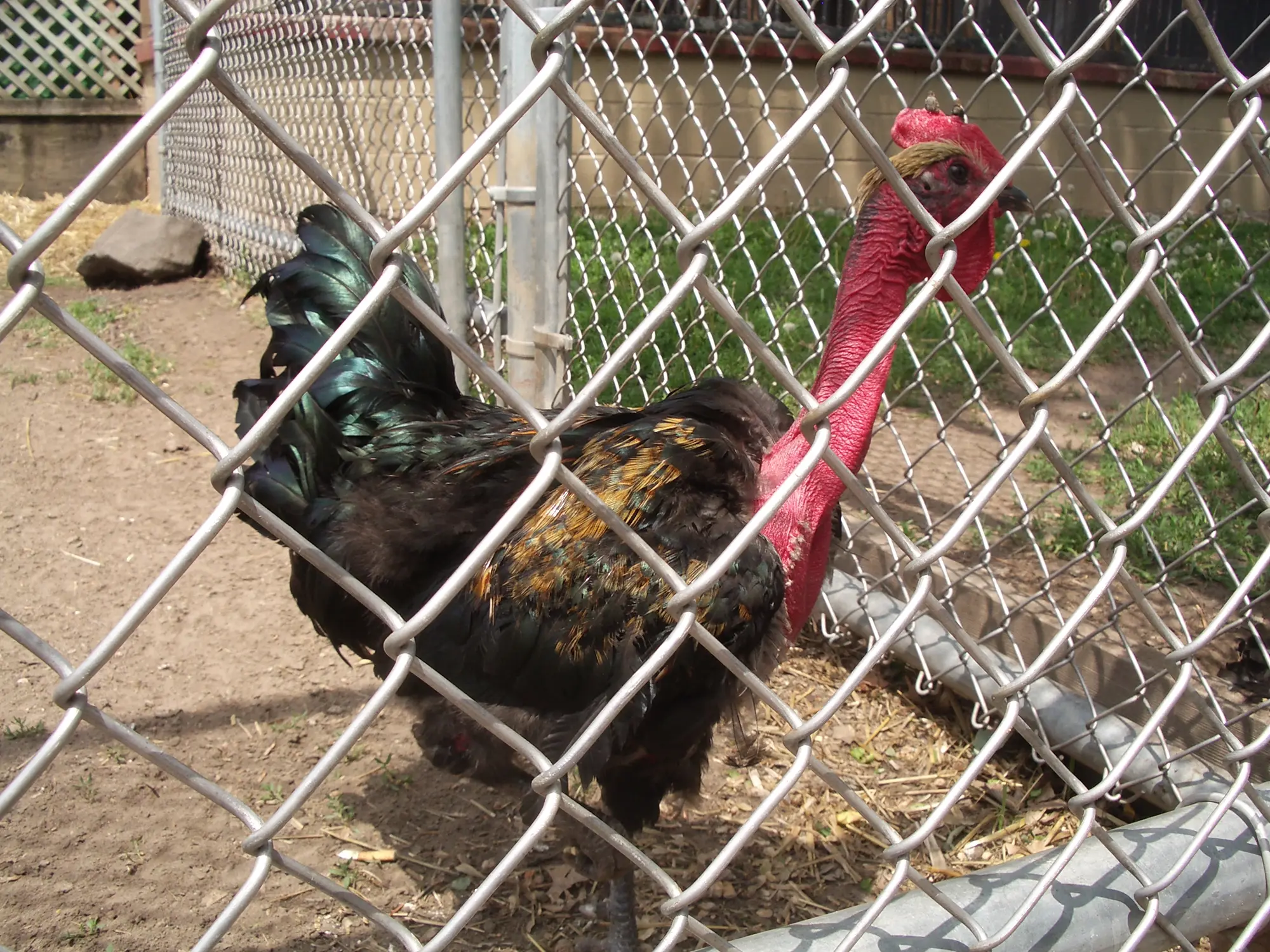
The first time you see a Naked Neck chicken, you do a double take. From the body down it looks like any ordinary barnyard hen, but the neck is bare red skin with no feathers at all, like someone forgot to finish dressing the bird. That odd look earns it the nickname "Turken," and a stubborn myth that it is a chicken crossed with a turkey. It is not. It is a full chicken, and a genuinely useful one.
Naked Necks are tough, friendly, dual-purpose birds that lay a respectable number of light brown eggs and handle heat better than almost any other backyard breed. This guide covers the egg numbers, the temperament, why that bare neck is an advantage rather than a defect, and what to expect if you add a few to your flock.
Quick Answer: Naked Neck at a Glance
| Trait | Detail |
|---|---|
| Type | Standardized dual-purpose breed (APA recognized) |
| Also called | Turken, Transylvanian Naked Neck |
| Origin | Transylvania, refined in Germany |
| Egg color | Light brown to tinted |
| Egg size | Medium to large |
| Eggs per year | 100 to 150 |
| Starts laying | About 20 to 24 weeks |
| Hen weight | 6 to 7 lbs |
| Rooster weight | 8 to 9 lbs |
| Temperament | Calm, friendly, hardy |
| Broody? | Yes, often a good mother |
| Hardiness | Excellent in heat, surprisingly cold hardy |
| Lifespan | 7 to 10 years |
If you want a low-fuss bird that forages well, tolerates hot summers, and gives you eggs and meat, the Naked Neck is hard to beat. The bare neck is not a flaw. It is a feature, and it comes from a single dominant gene that also makes the bird easier to process for the table.
What You'll Learn
- •What Is a Naked Neck Chicken?
- •Why Is It Called a Turken?
- •What Do Naked Necks Look Like?
- •The Naked Neck Gene Explained
- •How Many Eggs Do Naked Necks Lay?
- •Naked Neck Temperament and Personality
- •Heat and Cold Hardiness
- •Are Naked Necks Good for Beginners?
- •Housing and Space Requirements
- •Feeding Your Naked Necks
- •Common Health Issues
- •Naked Neck as a Meat Bird
- •Where to Buy Naked Neck Chickens
- •Frequently Asked Questions
What Is a Naked Neck Chicken?
The Naked Neck is a standardized breed of chicken whose defining trait is right in the name: it has no feathers on its neck, and far fewer feathers overall than a typical chicken. The breed traces back to Transylvania, in what is now Romania, and was refined and standardized in Germany before spreading across Europe and eventually to North America.
This is a recognized breed, not a hybrid or a modern marketing creation. The American Poultry Association admitted the Naked Neck to its Standard of Perfection in 1965, with several accepted color varieties including Black, White, Buff, and Red. That means, unlike a production hybrid such as the Sapphire Gem, a Naked Neck breeds true. Mate two Naked Necks and you get more Naked Necks.
The breed was developed as a practical farm bird. It lays a decent number of eggs, grows large enough to make a worthwhile meat carcass, forages aggressively, and shrugs off heat that flattens other breeds. In much of Europe it was a common smallholder bird for exactly those reasons.
Why Is It Called a Turken?
The nickname "Turken" comes from an old and completely wrong assumption. Early observers saw the bare red neck, decided it looked like a turkey's neck, and concluded the bird must be a cross between a chicken and a turkey. That idea stuck hard enough that "Turken" is still one of the most common names for the breed today.
For the record, a chicken and a turkey cannot produce viable offspring. They are different species with different chromosome counts. The Naked Neck is 100 percent chicken. The bare neck has nothing to do with turkey ancestry and everything to do with a single chicken gene, which we get into below.
You will also see the breed sold as the Transylvanian Naked Neck, which is the more accurate and traditional name. Whatever name a hatchery uses, you are looking at the same bird.
What Do Naked Necks Look Like?
The signature feature is the bare neck, which can range from a small bald patch to a fully exposed throat. The skin on the neck is usually bright red, especially in roosters and during warm weather or breeding season, because it is exposed to the sun and well supplied with blood vessels.
Beyond the neck, a Naked Neck looks like a solid, medium-large farm chicken. Key points:
- •Reduced feathering everywhere. Naked Necks carry roughly half the feathers of a normal chicken. They have bare patches under the wings and on parts of the body, not just the neck.
- •Single comb. Both sexes have a single red comb and red wattles.
- •Upright, athletic build. They stand tall and carry themselves like an active foraging bird.
- •Color varieties. Plumage on the feathered parts comes in black, white, buff, red, and other shades depending on the strain.
- •Often a small feather "bowtie." Many Naked Necks have a little tuft of feathers at the front base of the neck, which is a normal and charming quirk of the breed.
Newly hatched chicks are easy to spot. Even at a day old you can see the bare neck and the lighter feather coverage compared to normal chicks.
The Naked Neck Gene Explained
The bare neck is caused by a single dominant gene, often written as Na. Because it is dominant, a bird only needs one copy to show some degree of the trait. Birds with two copies have the most exposed skin, while birds with one copy show a more moderate version.
The gene does more than clear the neck. It reduces the total number of feathers on the whole body by roughly 20 to 40 percent compared to a fully feathered chicken. That reduced feathering is the key to the breed's most useful traits.
Because the trait is dominant, the gene also passes readily into crossbreeding programs. Breeders sometimes cross Naked Necks with other breeds specifically to add heat tolerance and easier processing to a flock. Cross a Naked Neck with a feathered breed and a good share of the chicks will carry the bare neck.
If you want to keep the breed true, mate Naked Neck to Naked Neck. If you are just keeping a mixed laying flock for eggs, the gene is harmless either way.
How Many Eggs Do Naked Necks Lay?
Naked Necks are moderate layers, not record setters. Expect roughly 100 to 150 eggs per year from a healthy hen, which works out to about 2 to 3 eggs a week. Some good strains push toward 180 in a strong year, but you should plan around the middle of that range.
The eggs are medium to large and light brown or tinted in color. They are good, ordinary table eggs. If your main goal is maximum egg output, a dedicated production layer will out-lay a Naked Neck. For high-volume laying you would look at breeds covered in our best egg laying breeds guide instead.
What the Naked Neck offers is balance. You get a fair number of eggs from a bird that also forages for much of its own food, handles heat without slowing down, and can be raised for meat. For a self-reliant backyard or homestead flock, that all-around usefulness often beats raw egg numbers.
Hens usually start laying around 20 to 24 weeks. Like most breeds, they lay best in their first two or three years and gradually taper off after that.
Naked Neck Temperament and Personality
Naked Necks are calm, friendly, and easy to handle. They are not flighty or nervous, and they tend to be confident around people. Many keepers describe them as curious and a little goofy, happy to follow you around the run looking for treats.
A few temperament notes:
- •Good with families. Their docile nature makes them a fine choice around children, and many become tame enough to pick up easily.
- •Strong foragers. They are active and love to range, covering a lot of ground hunting bugs and greens. This makes them efficient on feed if you can let them out.
- •Often broody. Naked Neck hens go broody fairly readily and tend to be attentive, capable mothers. If you want a hen that will hatch and raise her own chicks, this is a plus. If you only want eggs, broody breaks may interrupt laying.
- •Roosters are usually mellow. Naked Neck roosters are often calmer than average, though as with any breed, individual temperament varies.
They mix well in a flock and generally land in the middle of the pecking order rather than bullying or being bullied. If you are putting together a mixed flock, see our guide on whether you can mix chicken breeds.
Heat and Cold Hardiness
This is where the Naked Neck really stands out. The reduced feathering, and especially the bare neck, lets the bird shed body heat efficiently. The exposed skin acts like a radiator, dumping heat that a fully feathered bird would have to pant off. In hot, humid summers, Naked Necks keep eating, foraging, and laying when heavier-feathered breeds are standing in the shade with their wings held out.
If you live somewhere with brutal summers, this is one of the best backyard breeds you can keep. Still, no chicken is immune to heat stress, so provide shade, constant cool water, and good airflow during heat waves.
The surprising part is that Naked Necks are also reasonably cold hardy. You would expect a bare neck to be a liability in winter, but the breed handles cold better than its looks suggest. The exposed skin has a heavy blood supply, and the birds are sturdy and well muscled. They do fine in cold climates as long as you give them a dry, draft-free coop.
The main cold-weather concern is frostbite on the exposed neck skin and the single comb during hard freezes. Keep the coop dry and well ventilated without direct drafts, and the birds come through winter well. Our guide on how to keep chickens warm in winter covers the basics that apply to any single-combed breed.
Are Naked Necks Good for Beginners?
Yes. Naked Necks are one of the more forgiving breeds for a first-time keeper. They are hardy, calm, disease resistant, and not picky about their setup. They forage well, which lowers feed costs, and their heat tolerance means one less thing to worry about in summer.
The two things to manage are realistic expectations and broodiness. Do not expect daily eggs from every hen, since these are moderate layers. And be ready for hens to go broody and sit on a clutch, which pauses their laying. Neither is a real problem, just something to plan for.
The unusual look is also worth a mention. Some people love it and some find it off-putting. If you are keeping chickens as pets as much as for eggs, take a look in person first so you know you like the appearance.
Housing and Space Requirements
Naked Necks have the same basic housing needs as any standard-size chicken, with a couple of small tweaks.
- •Coop space: Allow at least 4 square feet per bird inside the coop, more if they cannot range during the day. For sizing a coop to your flock, see how big your chicken coop should be.
- •Run space: Give them at least 8 to 10 square feet per bird in the run. These are active foragers and they do best with room to move.
- •Roosts: Standard roost bars work fine. They roost like any other chicken.
- •Nesting boxes: One box per three or four hens is plenty.
The breed-specific tweak is ventilation. Because Naked Necks run warm-natured, good airflow matters even more in summer. Make sure the coop has plenty of high vents to let hot air escape. In winter, the same ventilation keeps moisture down and protects that exposed neck skin and comb from frostbite. Dry and airy beats sealed and damp every time.
If you free range, Naked Necks reward you for it. They are excellent at finding their own food and will significantly cut your feed bill in the growing season.
Feeding Your Naked Necks
Feed Naked Necks like any standard dual-purpose chicken. The basics:
- •Chicks: Start on a 18 to 20 percent protein chick starter for the first several weeks.
- •Growers: Move to a grower feed until they approach laying age.
- •Layers: Switch hens to a 16 percent layer feed with added calcium once they begin laying. Offer crushed oyster shell free choice so each hen can top up her own calcium for strong shells.
- •Grit: Provide grit if the birds eat anything other than commercial feed, which they will if they forage.
- •Water: Keep clean, cool water available at all times, and double up on waterers in hot weather.
Because Naked Necks forage so well, free-ranging birds will supplement a good part of their diet with bugs and greens. That is great for feed costs and egg quality, but keep balanced feed available so they never run short on protein or calcium. For the full rundown on diet, see our complete chicken feeding guide. Treats are fine in moderation, and our list of the best treats for chickens covers what is safe.
Common Health Issues
Naked Necks are hardy and not prone to any breed-specific diseases. The health points that come up are mostly tied to the exposed skin.
- •Sunburn and bright red skin. The bare neck can sunburn in intense sun, and the skin naturally reddens in heat. A reddened neck on its own is normal. Real sunburn looks dry, flaky, or sore, and shade usually prevents it.
- •Frostbite. In hard winters, the exposed neck and single comb are the parts most at risk. A dry, ventilated coop is the best prevention.
- •Pecking. Because the neck skin is exposed, an aggressive flockmate can occasionally peck at it. Watch new introductions and address bullying early. Our guide on introducing new chickens helps avoid trouble.
- •Standard parasites. Like all chickens they can pick up mites and lice. Routine dust bathing and coop checks keep these in check.
Beyond that, follow the same care any flock needs: clean water, good feed, a dry coop, and regular observation. Learn to spot trouble early by reading up on sick chicken symptoms.
Naked Neck as a Meat Bird
The Naked Neck earns its keep at the table as well as in the nest box. Roosters reach 8 to 9 pounds and hens 6 to 7 pounds, which gives a solid carcass for a dual-purpose bird. They are not as fast or as heavy as a Cornish Cross meat bird, but they grow into a respectable roasting or stewing chicken, and they do it largely on forage.
The reduced feathering is a genuine practical advantage when it comes time to process. With far fewer feathers to remove, and a completely bare neck, Naked Necks are noticeably easier and faster to pluck than a heavily feathered breed. Some keepers also report a slightly higher proportion of breast meat. For a homestead flock that raises some of its own meat, that easy processing is a real selling point.
This combination of decent eggs, usable meat, strong foraging, and easy plucking is exactly why the breed survived as a smallholder favorite for so long. It is a true do-everything farm chicken.
Where to Buy Naked Neck Chickens
Naked Necks are not the most common breed, but they are widely available through hatcheries and getting easier to find.
- •Hatcheries: Most major US hatcheries carry Naked Necks, usually in straight run and sometimes as sexed pullets. Order early in the year, since interesting breeds sell out in spring.
- •Farm supply stores: Some farm stores stock them seasonally during chick days, though selection is hit or miss by location.
- •Local breeders and swaps: Because the breed breeds true, dedicated breeders and poultry swaps are a good source for started birds and specific color varieties.
Typical pricing:
- •Day-old chicks (straight run): $3 to $6 each
- •Day-old sexed pullets: $5 to $8 each
- •Started pullets (point of lay): $20 to $35 each
If you start with chicks, set up your brooder before they arrive and bring new birds into an existing flock carefully. Our brooder setup guide walks through the gear and temperatures, and once you are choosing breeds for a first flock, our best chicken breeds for beginners roundup puts the Naked Neck in context with other easy birds.
Frequently Asked Questions
Is a Naked Neck chicken part turkey?
No. The "Turken" nickname comes from an old myth that the bird is a chicken crossed with a turkey, but that cross is biologically impossible. The Naked Neck is 100 percent chicken. Its bare neck comes from a single dominant chicken gene, not from any turkey ancestry.
How many eggs do Naked Neck hens lay?
Naked Neck hens lay about 100 to 150 light brown eggs per year, or roughly 2 to 3 a week. Strong strains can reach close to 180. They are moderate, reliable layers rather than high-volume production birds.
Are Naked Neck chickens cold hardy?
More than you would expect. Despite the bare neck, they handle cold well thanks to a heavy blood supply in the exposed skin and a sturdy build. Give them a dry, draft-free coop and watch the neck and comb for frostbite during hard freezes.
Do Naked Necks handle heat well?
Yes, exceptionally well. The reduced feathering and exposed neck let them shed body heat efficiently, so they keep eating and laying through hot, humid summers that slow down feathered breeds. They are one of the best choices for hot climates.
What does a Naked Neck chicken look like?
It looks like a normal medium-large farm chicken with a completely bare, often bright red neck and reduced feathering over the rest of the body. It has a single red comb and comes in colors like black, white, buff, and red. Many have a small tuft of feathers at the base of the neck.
Are Naked Neck chickens good pets?
Yes. They are calm, friendly, curious, and easy to handle, which makes them good around families and children. Just be sure you like the unusual bare-neck look, since that is a matter of personal taste.
Do Naked Neck hens go broody?
They do, fairly often, and they tend to be good, attentive mothers. That is a bonus if you want hens to hatch their own chicks, but broody spells will pause egg laying while a hen sits.
Why is the Naked Neck's skin so red?
The exposed neck skin has a heavy blood supply and is open to the sun, so it naturally turns bright red, especially in roosters and in warm weather or breeding season. A red neck is normal and healthy. Dry, flaky, or sore skin would point to sunburn, which shade prevents.
The Naked Neck is proof that a strange-looking bird can be one of the most practical chickens you can own. It lays a fair basket of eggs, grows into a usable meat bird, forages for much of its own food, and laughs off summer heat that wears down other breeds. Add in a calm temperament and genuine cold hardiness, and you have a true all-purpose chicken wrapped in an unforgettable package. If the look grows on you, and it usually does, a Naked Neck makes a rewarding addition to almost any backyard flock. Still building your lineup? Compare it against other easygoing birds in our best chicken breeds for beginners guide.
Sources:
- •The Livestock Conservancy. Chicken breed conservation and heritage breed reference. https://livestockconservancy.org/
- •Oklahoma State University. Breeds of Livestock, Naked Neck Chicken. https://breeds.okstate.edu/poultry/
- •University of Kentucky Cooperative Extension. Small and Backyard Flocks resources. https://poultry.extension.org/
- •Merck Veterinary Manual. Poultry health and management. https://www.merckvetmanual.com/poultry
Related Guides
Chocolate Orpington Breed Guide: Genetics, Eggs, Care
Chocolate Orpingtons explained: the sex-linked chocolate gene, why hens show it and roosters carry it, 120 to 150 tinted eggs a year, care, and where to buy.
BreedsLavender Orpington Breed Guide: Eggs, Color, Care
Lavender Orpingtons are calm, cold-hardy hens that breed true to color and lay 150-250 brown eggs a year. Full guide to looks, eggs, care, and cost.
BreedsSapphire Gem Chicken Breed Guide: Eggs, Care, Color
Sapphire Gem chickens lay 260-290 brown eggs a year and show off blue-grey plumage. Full breed guide: temperament, size, sexing, care, and where to buy.
BreedsCream Legbar Breed Guide: Blue Eggs, Autosexing, Care
Cream Legbars lay sky-blue eggs and are one of the few autosexing breeds. Egg color, temperament, history, and how they compare to other blue-egg layers.