Olive Egger Breed Guide: Eggs, Care, and Genetics
Olive Eggers lay olive-green eggs from a Marans + blue-egg-layer cross. Egg color, care, temperament, and what to expect from this designer hybrid.
Researched from university extension, USDA, and veterinary sources. How we research.
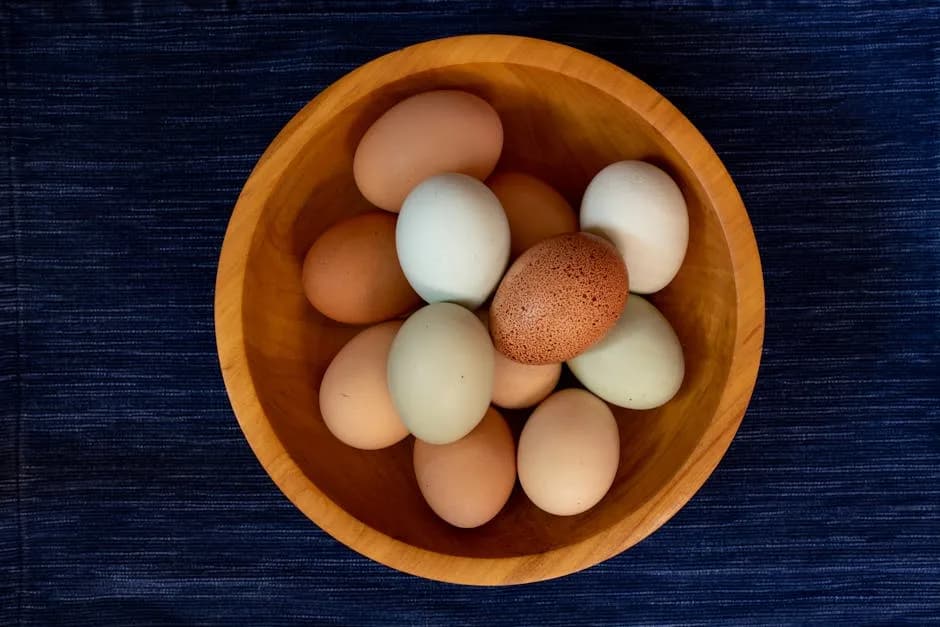
If a rainbow egg basket is the goal, the Olive Egger is the bird that fills in the green slot. Their eggs range from soft sage to deep olive, and the genetics that produce that color are actually pretty simple: cross a blue-egg layer with a dark-brown-egg layer and you get green. The deeper the brown parent's egg color, the deeper the olive of the offspring.
This guide covers what Olive Eggers actually are (since the term gets used loosely), how to predict egg color before they lay, and whether they make sense as a backyard pick.
What You'll Learn
- •What Is an Olive Egger?
- •The Genetics Behind Olive Eggs
- •What Color Eggs Do They Actually Lay?
- •Appearance
- •Temperament and Personality
- •Egg Production
- •Olive Egger vs Easter Egger vs Ameraucana
- •Housing and Care
- •Where to Buy Olive Eggers
- •Frequently Asked Questions
What Is an Olive Egger?
An Olive Egger is a designer hybrid chicken specifically bred to lay olive-green or moss-green eggs. They're not a recognized breed by the American Poultry Association and they don't breed true (offspring will lay variable colors). What they ARE is a deliberate cross between two specific parent types:
- •Blue-egg parent: Ameraucana, Araucana, Cream Legbar, or Easter Egger
- •Dark-brown-egg parent: Marans (especially Black Copper Marans) or Welsummer
The cross is "designer" in the sense that breeders pick the parents specifically for the green-egg result. Hatcheries often sell them as "Olive Egger" without specifying which exact cross, which means you can get olive eggs ranging anywhere from pale green to almost-black-olive depending on the parent stock.
The opposite of an Easter Egger (which is incidentally a mixed breed that may or may not lay a blue egg), an Olive Egger is intentionally bred for one specific egg color.
The Genetics Behind Olive Eggs
The color comes from layering two pigments:
- •Inside-shell color (genetic, from the blue-egg parent). Sets the base.
- •Outside-shell coating (from the brown-egg parent). Applied as the egg is being laid, over the base color.
When you put a brown coating over a blue base, the result reads green to the human eye. The same way mixing blue and yellow paint makes green.
The deeper the brown parent's coating, the darker the olive. A Marans-cross Olive Egger lays the deepest olive, sometimes nearly khaki. A Welsummer-cross lays a lighter, more sage-green color. A standard brown egg parent (like Rhode Island Red) crossed with a blue layer gives a mint or pale green.
F1 vs F2 Olive Eggers:
- •F1 (first generation, blue × dark brown direct cross): most reliably lays olive eggs, but each hen lays only one color her entire life.
- •F2 (Olive Egger × Olive Egger): variable. Some lay olive, some lay back toward blue or brown depending on which genes they inherited. Hatcheries selling "Olive Eggers" usually mean F1.
The practical takeaway: if you want reliable deep olive eggs, buy F1 Olive Eggers (specifically labeled, ideally Marans × Ameraucana cross). For more variety, F2 produces a mixed basket.
What Color Eggs Do They Actually Lay?
Each Olive Egger hen lays one egg color for her entire life, but the color you get is unpredictable until she starts laying around 20 to 24 weeks. Common results:
- •Deep olive / khaki: Marans × Ameraucana cross, especially first-generation
- •Medium olive: Marans × Easter Egger cross
- •Sage green: Welsummer × Ameraucana or Cream Legbar cross
- •Pale green / mint: Various crosses with lighter brown egg parents
- •Occasional brown or blue: If the genetics didn't combine as expected (especially in F2 and later)
If colored eggs are the primary goal, ordering 4 to 6 Olive Egger pullets gives you a decent chance of at least 1 or 2 laying the deep olive most people want. If you want guaranteed olive, look for hatcheries that specify "F1 Olive Egger" or "Black Copper Marans × Ameraucana cross."
For more on blue and green egg layers generally, see our Easter Egger vs Ameraucana comparison.
Appearance
Olive Eggers are visually variable, like Easter Eggers, because they're hybrids. Common traits inherited from the parent breeds:
- •Body type: Medium to large (4 to 6 lb adult), depending on parent breeds
- •Feather colors: Highly variable, often black with copper highlights (from Marans parent), wheaten, blue, or mixed
- •Muffs and beard: Common if the blue-egg parent was Ameraucana or Easter Egger
- •Leg color: Usually slate-blue (from Ameraucana side) or dark (from Marans side)
- •Comb: Pea comb if Ameraucana-side, single comb if Marans-side
No two Olive Eggers look alike. If you order 6 chicks, expect 6 different-looking adult birds.
Temperament and Personality
Personality reflects the parent breeds. The typical Olive Egger:
- •Generally docile. Both Marans and Ameraucana parent breeds are calm. Most Olive Eggers inherit this.
- •Tolerant of confinement. Fine in runs of reasonable size.
- •Moderately friendly with humans. Not lap chickens like Buff Orpingtons, but not skittish either.
- •Good in mixed flocks. Rarely bully other chickens.
- •Cold-hardy. Both parent breeds handle cold winters well.
- •Heat tolerant. Reasonable in heat, though less so than Mediterranean breeds like Leghorns.
A few will be more skittish if the Easter Egger genetics dominate. Most are fine for families.
Egg Production
Olive Eggers are moderate layers. Expect:
| Metric | Typical |
|---|---|
| Eggs per year | 180 to 240 |
| Eggs per week | 3 to 5 |
| Egg size | Medium to large |
| Start of lay | 20 to 24 weeks |
| Winter laying | Slows but doesn't always stop |
They lay less than production breeds like Leghorns (280+) or ISA Browns (300+) because they're bred for egg color, not volume. If you want maximum egg output, an Olive Egger isn't the right pick. If you want a few colored eggs alongside higher-volume layers, they're great mixed-flock additions.
See our best egg laying breeds guide for higher-volume options.
Olive Egger vs Easter Egger vs Ameraucana
The three "colored egg" options confuse a lot of new keepers. The short comparison:
| Olive Egger | Easter Egger | Ameraucana | |
|---|---|---|---|
| True breed? | No (hybrid) | No (mixed) | Yes (APA-recognized) |
| Egg color | Olive / green | Blue, green, pink, or cream (variable per hen) | Blue only |
| Egg consistency | Reasonably consistent per hen | Variable per hen | Always blue |
| Bred for color? | Yes (deliberately) | No (incidental) | Yes (true breed) |
| Cost per chick | $5 to $15 | $4 to $8 | $10 to $25 |
| Where to buy | Specialty hatcheries | Feed stores everywhere | Specialty breeders only |
Pick Olive Egger if you specifically want olive or green eggs. Pick Easter Egger if you want a variety of colored eggs across your flock and don't mind the surprise. Pick Ameraucana if you want consistent sky-blue eggs from a true purebred for showing or breeding.
For full coverage of the Easter Egger and Ameraucana options, see our Easter Egger breed guide and Ameraucana breed guide.
Housing and Care
Standard backyard chicken setup works fine. Specific notes:
- •Coop space: 4 sq ft per bird inside (standard rule)
- •Run space: 10 sq ft per bird outside (standard)
- •Nesting boxes: 1 per 3 to 4 hens. Olive Eggers are typically calm about laying schedules.
- •Cold tolerance: Excellent (both parent breeds are northern-hemisphere developed)
- •Heat tolerance: Moderate. Provide shade and good ventilation in summer.
- •Predator vulnerability: Standard. Olive Eggers don't free-range as aggressively as some breeds, so they tend to stay closer to the coop and are slightly easier to protect.
For coop options that fit small mixed flocks (4 to 6 hens including Olive Eggers), see our best chicken coops under $500 guide. For coop sizing rules of thumb, see how big should my chicken coop be.
Where to Buy Olive Eggers
Olive Eggers are sold by specialty hatcheries rather than feed stores. Common sources:
- •Meyer Hatchery, My Pet Chicken, Cackle Hatchery, Murray McMurray all offer Olive Eggers in their colored-egg layer assortments
- •Local breeders (search "[your state] Olive Egger" on Facebook breeder groups). Often offer specific F1 crosses (Marans × Ameraucana) that hatcheries don't.
- •NPIP-certified breeders preferred for disease-free starting stock
Expect $5 to $15 per chick depending on source. The hatchery versions are often "Olive Egger assortment" (mixed lineage). Local breeders typically offer more reliable F1 crosses with known parent stock.
Buying tip: Order pullets (females only) if you specifically want eggs. Straight-run gives you ~50% roosters, which is fine if you want to breed your own Olive Eggers but wasted feed if you only want layers.
Frequently Asked Questions
What is an Olive Egger chicken?
A hybrid chicken specifically bred to lay olive or green eggs by crossing a blue-egg layer (Ameraucana, Araucana, Easter Egger) with a dark-brown-egg layer (Marans, Welsummer). The blue base + brown coating produces green eggs.
Are Olive Eggers a real breed?
No. They're a hybrid, not recognized by the American Poultry Association. They're a "designer" hybrid created specifically for the green-egg trait. They don't breed true (offspring lay variable colors).
What color eggs do Olive Eggers lay?
Most Olive Eggers lay green eggs ranging from sage to deep olive. Each hen lays one color for her entire life, but the specific shade depends on her exact parent genetics. F1 Marans × Ameraucana crosses lay the deepest olive; lighter parent combinations give paler greens.
How many eggs do Olive Eggers lay?
180 to 240 eggs per year, or about 3 to 5 per week. Moderate layers, less productive than dedicated layer breeds but acceptable for backyard flocks where color matters more than maximum volume.
How are Olive Eggers different from Easter Eggers?
Olive Eggers are intentionally bred for olive eggs (a specific cross with predictable color). Easter Eggers are incidentally mixed-breed birds with the blue-egg gene, where each hen lays one of many possible colors (blue, green, olive, pink, cream) that you can't predict until she starts laying. Olive Eggers are more reliable for green eggs specifically.
Can two Olive Eggers produce more Olive Eggers?
Sometimes, but not reliably. Crossing two Olive Eggers (F2) gives variable offspring: some lay olive, some lay back toward blue or brown depending on which genes they inherit. For consistent olive eggs, breeders restart the cross fresh each generation (Marans × Ameraucana) rather than breeding Olive Egger to Olive Egger.
Are Olive Eggers good for beginners?
Yes. They're calm, cold-hardy, tolerant of confinement, and don't have any breed-specific health issues. The main "catch" is moderate egg production vs higher-volume layers, but that's an expected trade-off for the colored eggs.
How long do Olive Eggers live?
Same as standard backyard chickens: 5 to 8 years on average, with some living 10+ years. Egg production slows after year 3 and typically stops by year 5, but the birds themselves continue as pets.
Olive Eggers are the right pick for keepers who specifically want green or olive eggs in their basket. They're moderate layers with calm temperaments and few health issues. The main trade-off vs higher-volume layer breeds is fewer eggs per year (180 to 240 vs 280 to 320), but for the rainbow basket effect that's the trade most colored-egg keepers happily make.
For comparison with the other blue and green egg options, see our Easter Egger vs Ameraucana breakdown, Easter Egger breed guide, and Ameraucana breed guide. For the best overall layers, see our best egg laying breeds roundup.
Sources:
- •University of California ANR. Egg color genetics in poultry. https://ucanr.edu/
- •The American Poultry Association. Standard of Perfection (reference). http://www.amerpoultryassn.com/
- •University of Kentucky Cooperative Extension. Small Flock Poultry resources. https://poultry.extension.org/
- •The Livestock Conservancy. Heritage breed conservation. https://livestockconservancy.org/
Related Guides
Chocolate Orpington Breed Guide: Genetics, Eggs, Care
Chocolate Orpingtons explained: the sex-linked chocolate gene, why hens show it and roosters carry it, 120 to 150 tinted eggs a year, care, and where to buy.
BreedsEaster Egger Breed Guide: Eggs, Colors, Care
Easter Eggers lay blue, green, and pink eggs with friendly personalities. Get the full breed profile with egg production, care tips, and 5 common questions.
BreedsAraucana Chicken Breed Guide: Blue Eggs, Tufts, Care
Araucana chicken breed guide: rumpless bodies, ear tufts, true blue eggs, the lethal tuft gene, care, and how they differ from Ameraucanas.
BreedsLavender Orpington Breed Guide: Eggs, Color, Care
Lavender Orpingtons are calm, cold-hardy hens that breed true to color and lay 150-250 brown eggs a year. Full guide to looks, eggs, care, and cost.