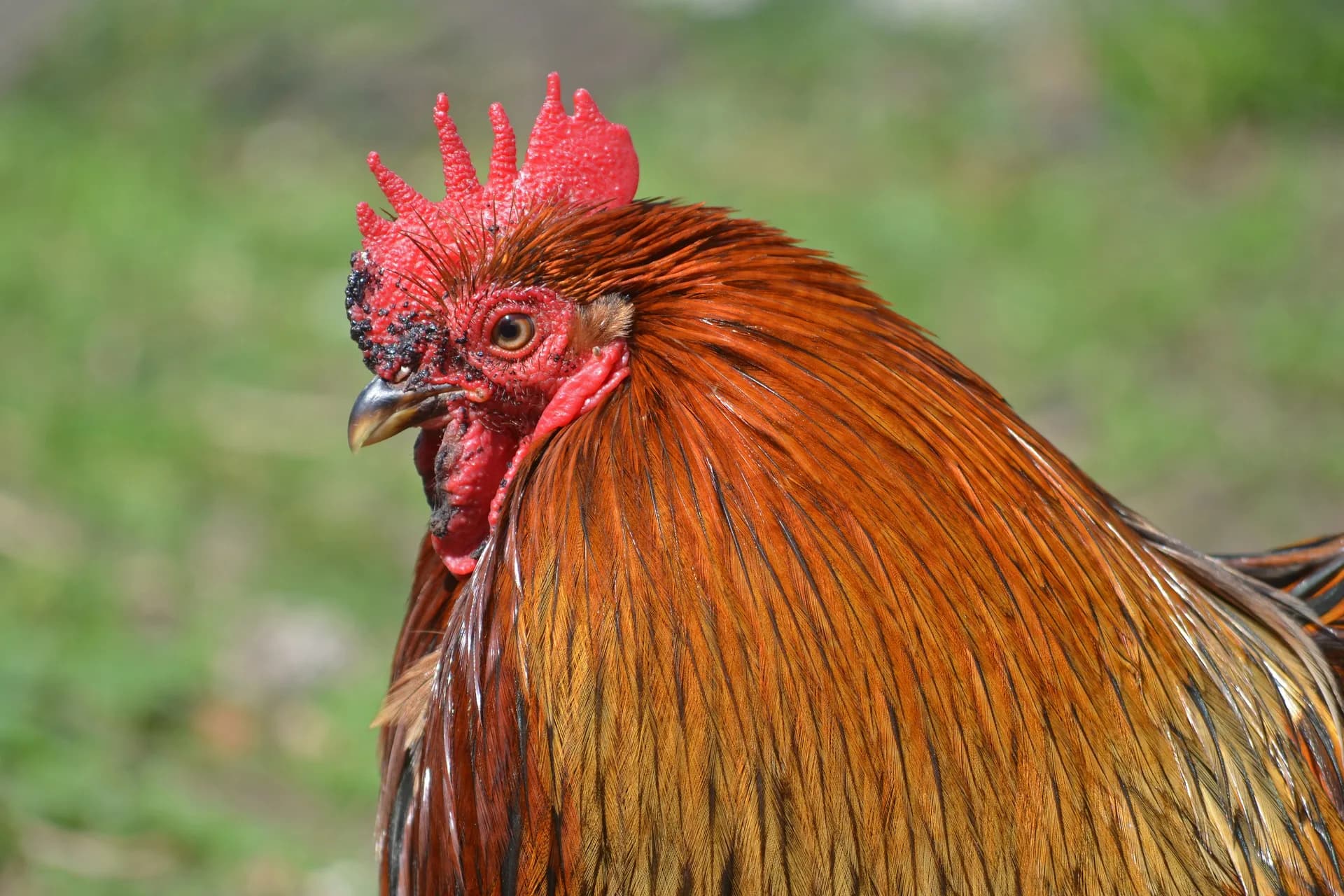
Bantam Chickens: Breeds, Care, and Egg Facts
Bantam chickens are mini breeds for small yards. Learn the popular types, how they differ from standard hens, egg laying, and care basics.
Researched from university extension, USDA, and veterinary sources. How we research.
If you've spent any time looking at chickens, you've probably run across the word "bantam" and wondered what it actually means. Short version: a bantam is a miniature chicken, usually a quarter to a third the size of a standard hen. They eat less, need less room, and have a personality that wins people over fast. This guide walks through what bantams are, the most popular breeds, whether they lay usable eggs, and how to care for them.
Quick Answer
| Question | Bantam Chickens |
|---|---|
| Size | 1 to 2.5 lbs (about 1/4 to 1/3 of a standard breed) |
| Egg size | Small, roughly half the weight of a large egg |
| Eggs per year | 50 to 200 depending on breed |
| Space needed | Around 2 sq ft per bird in the coop |
| Lifespan | 5 to 8 years, often longer |
| Best for | Small yards, families with kids, pets, show birds |
| Watch out for | Less cold-hardy, easier prey for hawks and cats |
What You'll Learn
- •What Is a Bantam Chicken?
- •True Bantams vs Miniaturized Bantams
- •Bantams vs Standard Chickens at a Glance
- •Popular Bantam Breeds
- •Do Bantam Chickens Lay Eggs?
- •Temperament: Are Bantams Good Pets?
- •Why Bantams Work for Small Yards
- •Housing and Coop Needs
- •Feeding Bantam Chickens
- •Can You Mix Bantams With Standard Chickens?
- •Health and Predator Considerations
- •Are Bantams Right for You?
- •Frequently Asked Questions
What Is a Bantam Chicken?
A bantam is simply a small chicken. The name traces back to the port city of Bantam in Indonesia, where European sailors picked up small local fowl and carried the name home. Today "bantam" is a size category rather than a single breed, and the poultry world recognizes hundreds of bantam varieties.
Most bantams weigh between 1 and 2.5 pounds. A standard laying hen like a Rhode Island Red tips the scale at 6 to 8 pounds, so a bantam really is a fraction of the size. Picture a pigeon with a chicken's attitude and you're close.
Because they're small, bantams have become the go-to choice for people working with limited space, families who want a friendly pet bird, and hobbyists who show chickens at fairs and poultry exhibitions. They're not a replacement for a high-output egg flock, but they fill a different and very popular niche.
True Bantams vs Miniaturized Bantams
Not all bantams are created the same way, and the difference matters when you're choosing birds.
True bantams have no large counterpart. They exist only in the small size, and they developed that way naturally over time. Sebrights, Dutch bantams, Belgian d'Uccles, and Nankins are classic true bantams. There is no "standard Sebright," only the little one.
Miniaturized bantams are scaled-down versions of standard breeds. Breeders selectively bred large chickens down to a smaller size while keeping the look of the full-size bird. You can find bantam versions of Plymouth Rocks, Wyandottes, Brahmas, and many more. These often run a little larger than true bantams.
Developed bantams sit in between. The breed exists primarily as a bantam but may have a rarely seen large version. Silkies and Cochins fall in this gray area depending on the country and the standard you're reading.
For most backyard keepers, this distinction is mostly trivia. It only becomes important if you plan to show birds, since each category is judged against its own breed standard.
Bantams vs Standard Chickens at a Glance
Here is how the two sizes stack up on the points that affect daily keeping.
| Feature | Bantam | Standard |
|---|---|---|
| Adult weight | 1 to 2.5 lbs | 5 to 9 lbs |
| Egg size | Small (about 1 to 1.3 oz) | Large to extra large (2+ oz) |
| Annual eggs | 50 to 200 | 200 to 300 |
| Feed intake | Roughly half | Full |
| Coop space per bird | ~2 sq ft | ~4 sq ft |
| Cold hardiness | Lower | Higher |
| Flight ability | Strong, many can fly | Limited |
| Broodiness | Often high | Varies by breed |
The headline takeaway: bantams cost less to feed and need less room, but they give you smaller eggs and fewer of them. They also fly better than you might expect, which is its own management puzzle.
Popular Bantam Breeds
There are far too many bantam breeds to list them all, but these are the ones you'll meet most often at hatcheries, swaps, and county fairs.
| Breed | Type | Known For |
|---|---|---|
| Silkie | Developed | Fluffy fur-like feathers, black skin, gentle pet |
| Cochin | Developed | Feathered feet, round body, calm and broody |
| Sebright | True | Lace-edged feathers, flashy, hen-feathered roosters |
| Belgian d'Uccle | True | Feathered legs, beard, friendly lap birds |
| Dutch Bantam | True | Tiny, hardy, good little layers |
| Pekin (UK) | True | Ball-shaped, docile, popular with kids |
| Old English Game | Both | Hardy, active, classic show bantam |
| Polish | Miniaturized | Big feather crest, comic personality |
| Brahma | Miniaturized | Feathered feet, mellow, larger bantam |
Silkies deserve a special mention because they're the breed that pulls most people into bantam keeping. Their docile nature, fluffy plumage, and reputation as excellent broody mothers make them a favorite. Cochins run a close second for the same reasons, and their feathered feet make them look like they're wearing slippers.
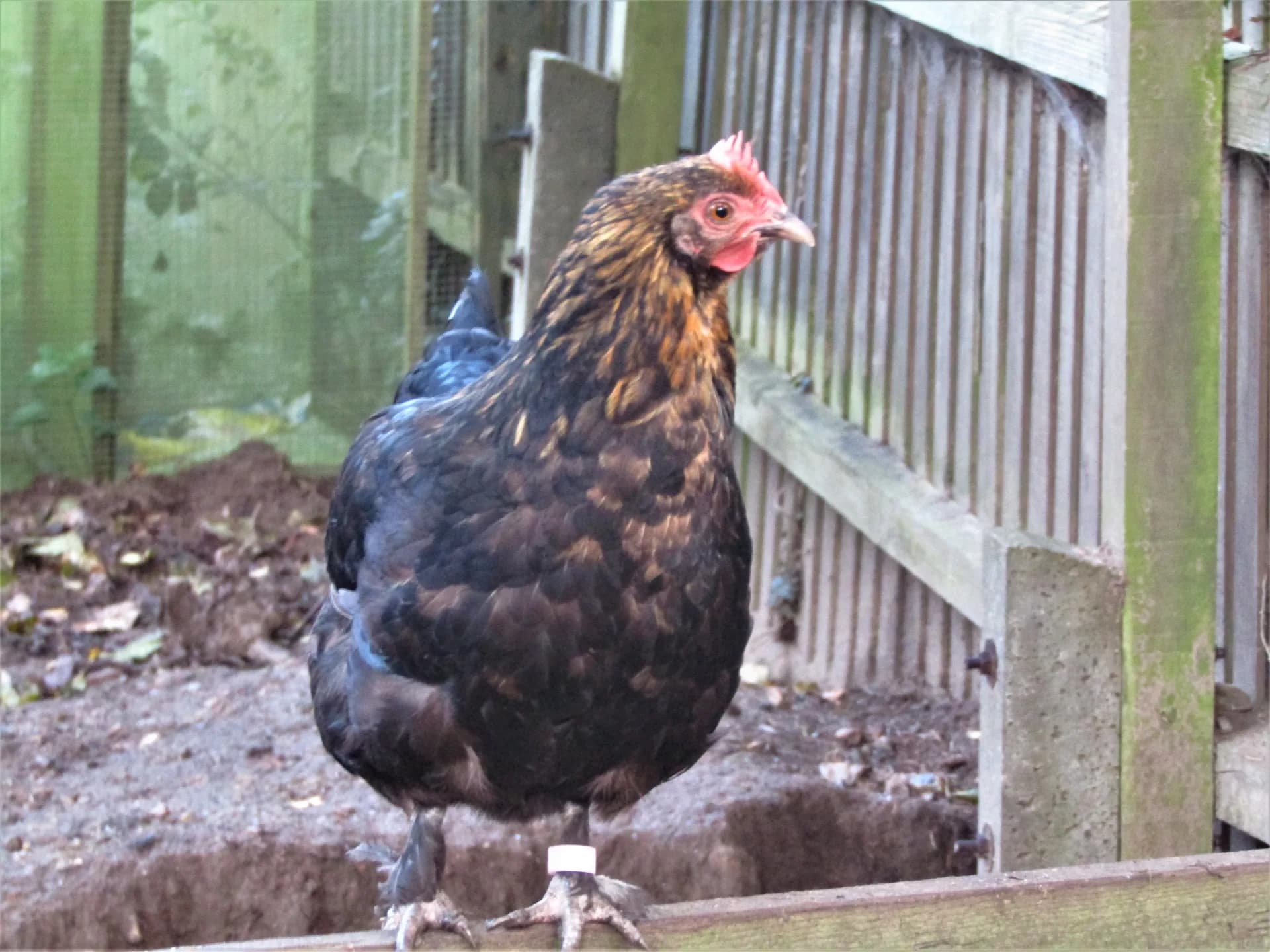
If you want a bird with attitude and looks, Sebrights are stunning, though they can be flighty and are considered one of the trickier bantams to raise. For families with young kids, the gentle Pekin and Belgian d'Uccle are hard to beat.
Do Bantam Chickens Lay Eggs?
Yes, bantams lay eggs, and this is one of the biggest misconceptions about them. People assume miniature birds don't produce, but plenty of bantams are steady layers. The catch is size and volume.
A bantam egg weighs roughly half what a large supermarket egg weighs. The general rule cooks use is that two to three bantam eggs equal one large egg in a recipe. They taste exactly like standard eggs because, well, they're chicken eggs. The yolk-to-white ratio is often a touch higher, which some bakers actually prefer.
As for quantity, it depends heavily on the breed:
- •Good bantam layers: Dutch, Old English Game, and many miniaturized utility breeds lay 150 to 200 small eggs a year.
- •Moderate layers: Belgian d'Uccle and Pekin land around 100 to 150.
- •Light layers: Silkies and Cochins lay closer to 80 to 120, and they pause often to go broody.
If eggs are your main goal, a flock of standard layers will outproduce bantams by a wide margin. For a comparison of the heavy hitters, see our guide to the best egg-laying breeds. But if you want a few eggs alongside a friendly, space-saving flock, bantams hold up better than their reputation suggests.
Temperament: Are Bantams Good Pets?
This is where bantams shine. Many of the most popular bantam breeds are calm, curious, and tolerant of handling, which makes them excellent pets and a smart pick for families with children.
Silkies, Cochins, Pekins, and Belgian d'Uccles are routinely described as lap chickens. They'll follow you around the yard, take treats from your hand, and put up with being carried by gentle kids. That said, temperament varies by breed and by individual bird. Old English Game bantams and Sebrights tend to be more active and independent, and bantam roosters can be surprisingly bold for their size.
Roosters are worth a note here. A bantam rooster is small, but he often has an outsized personality and a loud crow. If you're in a suburban setting, check your local rules before keeping one. Our guide on whether you need a rooster covers the trade-offs in detail.
Why Bantams Work for Small Yards
The single biggest reason people choose bantams is space. A standard hen wants roughly 4 square feet of coop space and 8 to 10 square feet in the run. Bantams are comfortable with about half that, so a small coop that would crowd four standard hens can comfortably house six or more bantams.
That smaller footprint makes them a fit for:
- •Urban and suburban lots with tight setback rules
- •Small mobile coops and tractors
- •Backyards where a giant run isn't practical
- •Keepers who want more birds without more space
Before you build or buy, it's still worth reading how big your chicken coop should be so you size things correctly. Overcrowding causes the same problems in bantams as in any flock: feather picking, stress, and disease.
One quirk to plan around: bantams fly. Many can clear a 4-foot fence with ease, and lighter breeds will roost in trees if given the chance. A covered run or clipped wing feathers solves it, but it's something standard-breed keepers rarely have to think about.
Housing and Coop Needs
Bantams need the same basic coop features as any chicken, just scaled down.
Roosts. Bantams love to perch and many prefer roosting high. Lower bars work fine too, and breeds with heavily feathered feet, like Cochins and feather-legged Brahmas, sometimes prefer lower roosts to protect their foot feathering.
Nest boxes. A standard nest box is oversized for a bantam but works. One box per three to four hens is plenty. Line it with soft bedding so small eggs don't crack.
Bedding. The same options apply as for any flock. Our breakdown of coop bedding choices covers pine shavings, straw, and sand.
Predator proofing. This matters more for bantams than for big breeds. Their small size puts them within reach of more predators, including hawks, cats, and even large rats going after chicks. Hardware cloth, a covered run, and secure latches are essential. See our full guide on protecting your flock from predators.
Cold weather. Bantams have less body mass to hold heat, so they feel cold sooner than standard hens. A dry, draft-free coop and good ventilation go a long way. In hard winters, review our winter care guide for the do's and don'ts.
Feeding Bantam Chickens
Bantams eat the same feeds as standard chickens, just less of it. A laying bantam does well on a quality layer feed at around 16 percent protein. Chicks need a starter crumble, and a grower ration bridges the gap until point of lay.
Because the pellets in some standard feeds are large, many keepers offer bantams crumble rather than pellets for easier eating, especially with the smaller true bantam breeds. Always provide grit if your birds eat anything besides commercial feed, and offer crushed oyster shell free choice for laying hens so they can top up calcium.
Treats should stay limited to about 10 percent of the diet, the same rule that applies to any flock. For a full rundown of what's safe, see what chickens eat and our list of the best treats. The smaller a bird is, the faster treats throw off a balanced diet, so go easy.
Can You Mix Bantams With Standard Chickens?
You can, but go in with your eyes open. Mixed-size flocks work in plenty of backyards, yet there are real risks worth managing.
The main concern is the pecking order. Standard hens are bigger and can bully bantams, sometimes seriously. Gentle bantams like Silkies and Cochins tend to land at the bottom and can get picked on, while assertive breeds dominate the feeders and roosts. Our article on mixing chicken breeds digs into how to do this safely.
A few tips that help:
- •Pair gentle bantams with calm standard breeds, not aggressive ones.
- •Provide multiple feeders and waterers so smaller birds aren't blocked.
- •Give plenty of space; crowding makes bullying worse.
- •Introduce new birds slowly using the steps in our guide to introducing new chickens.
Some keepers avoid the problem entirely by keeping a bantam-only flock. If your main goal is friendly pets rather than maximum eggs, an all-bantam setup is calm, easy, and charming.
Health and Predator Considerations
Bantams are hardy little birds, and many live 7 to 8 years or more. Their health needs mirror those of standard chickens: watch for mites and lice, keep the coop clean, and act quickly on any signs of illness. Our overview of sick chicken symptoms is a good reference to keep handy.
A few bantam-specific notes:
- •Crested and feather-footed breeds need extra attention. Crested breeds like Polish can hide eye problems, and Silkie or Cochin foot feathers can collect mud and harbor scaly leg mites if not checked.
- •Broodiness is common in bantams, especially Silkies. A broody hen stops laying and can lose condition, so plan for it.
- •Predator risk is the biggest practical difference. Because a bantam is bite-sized, hawks, owls, cats, and foxes all see them as easy targets. A covered run is the single best investment you can make.
If you free range, do it supervised or in a protected area. The open foraging that a standard flock handles fine can thin a bantam flock quickly.
Are Bantams Right for You?
Here's the honest breakdown.
Bantams are a great fit if you:
- •Have a small yard or strict space limits
- •Want friendly, handleable pet chickens
- •Have kids who'll enjoy gentle, manageable birds
- •Are interested in showing chickens
- •Want a charming flock without huge feed bills
Look elsewhere if you:
- •Need a steady supply of full-size eggs
- •Live somewhere with harsh winters and minimal coop protection
- •Can't secure the run against aerial predators
- •Want low-maintenance birds you rarely handle
For many first-timers, a small bantam flock is one of the easiest ways into the hobby. If you're still deciding on numbers, our guide on how many chickens a beginner should start with applies just as well to bantams. And if you're weighing breeds overall, the best breeds for beginners roundup includes several bantam-friendly picks.
Frequently Asked Questions
What is a bantam chicken? A bantam is a miniature chicken, usually a quarter to a third the size of a standard breed. The term covers hundreds of small varieties, from true bantams that only exist in the small size to scaled-down versions of full-size breeds.
Do bantam chickens lay eggs? Yes. Bantams lay small eggs, about half the weight of a large egg. Production ranges from roughly 50 to 200 eggs a year depending on the breed. Two to three bantam eggs substitute for one large egg in recipes.
Are bantam eggs safe to eat? Completely. Bantam eggs are normal chicken eggs, just smaller. They taste the same and are often prized by bakers for a slightly richer yolk ratio.
How much space does a bantam chicken need? Plan for about 2 square feet of coop space per bantam and 4 to 5 square feet of run space, roughly half what a standard hen needs.
Are bantams good for beginners? Yes, especially gentle breeds like Silkies, Cochins, and Pekins. They're small, easy to handle, and eat less. The main learning curve is predator protection and the fact that many bantams can fly.
Can bantams live with regular chickens? They can, but watch the pecking order. Bigger standard hens may bully small bantams. Pair gentle bantams with calm standard breeds, provide extra feeders, and introduce new birds slowly.
How long do bantam chickens live? Most bantams live 5 to 8 years, and many go longer with good care. Some pet bantams reach 10 or more.
Why does my bantam keep flying out of the run? Bantams are light and many fly well. A covered run is the cleanest fix. Clipping the flight feathers on one wing is an alternative that throws off their balance enough to keep them grounded.
Sources
- •The Livestock Conservancy, breed profiles and conservation priority list: livestockconservancy.org
- •University of Kentucky College of Agriculture, "Bantam Chickens" (Cooperative Extension): afs.ca.uky.edu
- •Merck Veterinary Manual, "Management of Backyard Poultry": merckvetmanual.com
- •USDA, "Small-Scale Poultry Keeping" resources: nal.usda.gov
Related Guides
Crested Chicken Breeds: Types, Care, and Crest Facts
Crested chicken breeds like Polish and Silkie wear feathery pom-poms. Learn the types, why they grow crests, and how to keep them healthy.
BreedsBest Egg Laying Chickens: 11 Breeds Ranked by Eggs Per Year
The best egg laying chickens ranked by yearly output from registry and hatchery figures: ISA Brown, Leghorn, sex links, Rhode Island Red, Australorp, and more.
BreedsRhode Island Red Chicken: Eggs, Temperament, Care & Facts
Rhode Island Red breed guide: 200 to 300 brown eggs a year, 6.5 lb hens, cold and heat hardy, broody or not depending on strain. Sourced from the Conservancy.
BreedsLight Brahma Chicken: Size, Eggs, Color, and Care
The Light Brahma is the original gentle giant: a huge white, feather-footed bird that lays through winter. Learn its size, eggs, color, and care.