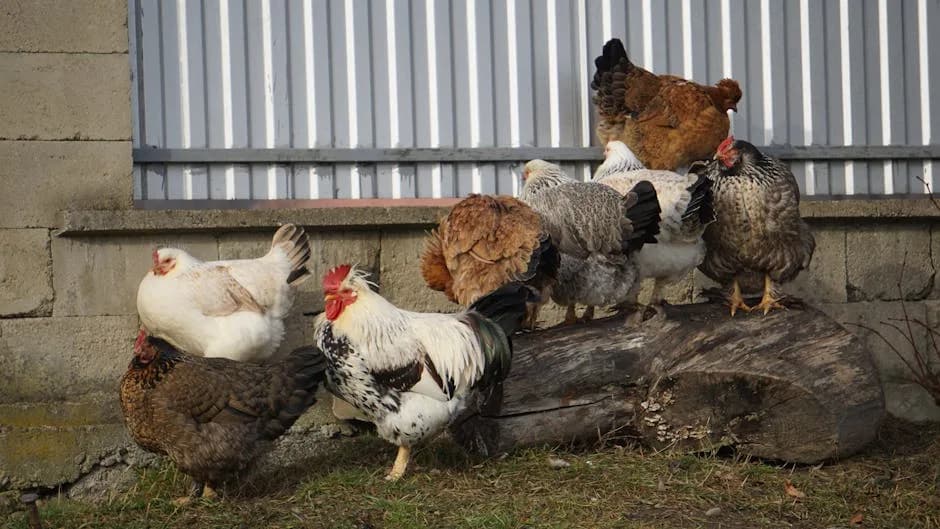
Where to Buy Chickens: Chicks, Pullets & Coops
Where to buy chickens the smart way: hatcheries, feed stores, and local breeders compared, plus what chicks and coops cost and how to spot a healthy bird.
Researched from university extension, USDA, and veterinary sources. How we research.
Where to Buy Chickens: Chicks, Pullets & Coops
So you've decided to keep chickens. Now comes the part nobody explains clearly: where do you actually get the birds? You can order day-old chicks in the mail, grab a few at the feed store in spring, buy laying hens from a neighbor down the road, or hatch your own from eggs. Each option has a different price, a different wait, and a different set of things that can go wrong.
The short version: most first-time keepers do best buying sexed pullet chicks from a mail-order hatchery or a local feed store in spring. You get healthy, vaccinated female birds, a known breed, and a clear paper trail. Buying grown hens saves you the brooder stage but carries more disease and rooster risk, so it's worth knowing what to check before money changes hands.
This guide walks through every place you can buy chickens, what you'll pay, how to spot a healthy bird, and where to get the coop to put them in.
FlockGuide is reader-supported. We may earn a commission from links on this page at no cost to you. See our affiliate disclosure.
What You'll Learn
- •The Fastest Answer: Where to Buy Chickens
- •Chicks, Pullets, or Started Hens: What to Buy
- •Mail-Order Hatcheries
- •Local Feed Stores and Chick Days
- •Local Breeders and Poultry Swaps
- •Online Groups and Marketplaces
- •Hatching Your Own From Eggs
- •How to Spot a Healthy Bird
- •Where to Buy a Chicken Coop
- •What Chickens and Coops Actually Cost
- •What to Have Ready Before They Arrive
- •Common Mistakes When Buying Chickens
- •Frequently Asked Questions
The Fastest Answer: Where to Buy Chickens
Here are the five places people buy backyard chickens, side by side, so you can match the source to your situation.
| Where | What you get | Best for | Typical price each |
|---|---|---|---|
| Mail-order hatchery | Day-old chicks, sexed, vaccinated, wide breed choice | Specific breeds, larger orders | $3 to $8 (rare breeds more) |
| Local feed store | Day-old chicks in spring, limited breeds | Small flocks, no shipping | $3 to $6 |
| Local breeder | Chicks, pullets, or hens of a chosen breed | Rare or show-quality birds | $10 to $50+ |
| Online marketplace / swap | Any age, often mixed or unknown | Cheap grown hens, local pickup | $5 to $30 |
| Hatch your own | Chicks from fertile eggs | Hands-on hobbyists | $2 to $5 per fertile egg |
If you just want a few reliable layers with the least hassle, start with a feed store in spring or a hatchery order of sexed pullets. If you want a particular breed like a Silkie or a Wyandotte, a hatchery or a reputable local breeder is the way to go. We cover each option in detail below.
Chicks, Pullets, or Started Hens: What to Buy
Before you pick a seller, decide what age bird you want. The words get thrown around loosely, so here is what they actually mean.
Day-old chicks are just that: hatched within the last day or two. They are the cheapest way in and the most widely available, but they need a heated brooder for about six weeks and a lot of daily attention. This is the classic beginner path, and our week-by-week chick raising guide covers the whole stretch.
Started pullets are young females, usually 15 to 22 weeks old, that are close to laying or already laying their first eggs. They cost more, sometimes five to ten times a chick's price, but they skip the brooder entirely and there is no guessing about sex. For a lot of busy families, a few started pullets are worth every dollar.
Point-of-lay hens and mature hens are fully grown. You get eggs almost immediately, but you also inherit whatever the previous owner did or did not do. Ask why they are selling. A hen past her prime laying years is a fine pet but a poor egg investment.
Straight run vs. sexed matters most with chicks. Straight run means unsexed, a random mix that works out to roughly half roosters. Sexed pullets cost a dollar or two more per chick and are sorted to be female, with accuracy usually around 90 percent. Unless you have a plan for roosters and your local laws allow them, pay for sexed pullets.
Hatching eggs are fertile eggs you incubate yourself. They are the cheapest and the most uncertain, since not every egg hatches and half of what does will be male. More on that below.
Mail-Order Hatcheries
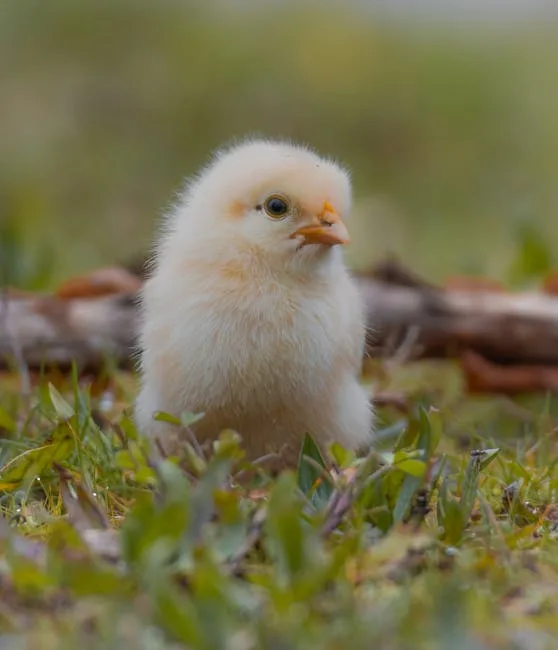
Yes, the post office really will deliver a box of live chicks. Day-old chicks can travel safely for 24 to 72 hours because they absorb the last of the egg yolk right before hatching, which feeds and hydrates them through shipping. Hatcheries have shipped chicks this way for over a century.
Why people love hatcheries: selection. A good hatchery lists dozens of breeds, lets you order exactly the sex you want, and often includes vaccination against Marek's disease and coccidiosis for a small fee. If you want a specific layer like an Easter Egger or a flashy Wyandotte, this is usually the easiest place to get it. For breed-specific sourcing, our guide to finding Wyandotte breeders covers hatcheries, clubs, and what quality birds cost.
The catch is the minimum order. Chicks stay warm in transit by huddling together, so hatcheries require a minimum, often somewhere between 3 and 15 birds depending on the company and the season. In cold months the minimum goes up. If you only want four hens, look for a hatchery that offers small-flock shipping or a heat pack, or split an order with a neighbor.
A few things to get right when you order:
- •Check that the hatchery is NPIP-certified. The National Poultry Improvement Plan is a USDA program that tests breeding flocks for diseases like pullorum-typhoid and avian influenza. Buying NPIP stock is one of the simplest ways to keep those diseases out of your yard.
- •Pick a delivery week you'll be home. You want to collect the box from the post office the morning it arrives, not let it sit.
- •Open the box at the post office if you can, and count the chicks. Reputable hatcheries often add an extra chick or two and will make good on any losses if you report quickly.
- •Have the brooder running before they land. A cold chick is an emergency. Set up the brooder a day ahead.
Local Feed Stores and Chick Days
Every spring, farm and ranch stores turn a corner of the shop into a brooder full of peeping chicks. Tractor Supply, Rural King, Atwoods, and independent feed stores all run these "chick days," usually from late February through May.
The upside: no shipping, no minimum order, and you can pick your chicks in person. If you want just three or four birds, this is often the simplest route, and the staff can point you to chick starter and a waterer in the same trip.
The downside: limited and sometimes mislabeled breeds. Store bins get restocked from big hatcheries, and chicks get mixed up. That "pullet" bin may include a few roosters, and the breed sign may be optimistic. Buy from a clean, well-run store, look closely at the birds, and accept that a surprise rooster is a real possibility. If a bin looks crowded, droopy, or has dead chicks in it, walk away and try another store.
Chick days are seasonal, so if you are shopping in July or October you will likely need a hatchery or a local breeder instead. Plan your flock around spring if the feed store is your preferred source.
Local Breeders and Poultry Swaps
For rare breeds, show-quality birds, or grown hens you can inspect before buying, a local breeder is hard to beat. A good breeder knows their lines, can tell you exactly how old a bird is, and often lets you see the parent stock and the conditions the birds were raised in.
This is the best route for breeds that ship poorly or sell out fast at hatcheries, like Silkies and other bantams. The Livestock Conservancy keeps breeder directories for heritage breeds, and breed-specific clubs usually list members who sell stock.
How to find a reputable breeder:
- •Search for a breed club and ask for members near you.
- •Visit a local poultry swap or county fair and talk to sellers in person.
- •Ask other keepers in your area who they bought from and whether the birds stayed healthy.
Questions worth asking any breeder:
- •Are your birds NPIP-certified or tested for disease?
- •How old are these birds, and are they laying yet?
- •Can I see the flock they came from?
- •Have you had any illness in your flock this year?
A breeder who welcomes those questions is one to trust. One who rushes you, won't let you see the coop, or dodges the health questions is one to skip. Bringing home a sick bird can cost you the whole flock, so a little caution here pays off.
Online Groups and Marketplaces
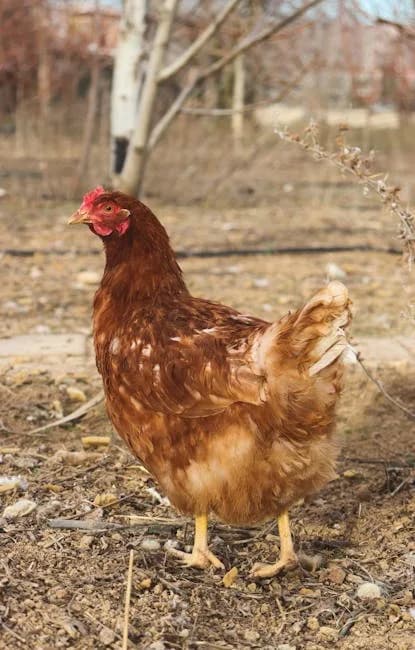
Facebook poultry groups, Craigslist, and local farm boards are full of chickens for sale, often grown hens at low prices. This can be a fine way to pick up a few layers, especially if someone is downsizing a healthy flock. It is also where the most risk hides.
Because these birds come with no paperwork and no health testing, the burden is entirely on you to inspect them. Meet in daylight, look each bird over carefully using the health checklist below, and never buy a bird you cannot hold and examine. Be wary of listings with stock photos, prices that seem too good, or sellers who want payment before you have seen the birds. Deposit scams for "rare" chicks are common in breed groups.
If you do buy secondhand hens, quarantine them away from any existing flock for at least two to four weeks before letting them mix. New birds are the number one way disease and mites arrive in a backyard flock. Once quarantine is clear, follow our guide on introducing new chickens to keep the peace.
Hatching Your Own From Eggs
If you like a project, you can buy fertile hatching eggs and incubate them yourself. Eggs ship more cheaply than chicks and open up breeds you may not find any other way. It is genuinely rewarding to watch a chick you incubated take its first steps.
Be realistic about the odds, though. Shipped hatching eggs often hatch at only 50 percent or less because rough handling scrambles the air cells. Even a great hatch gives you roughly half roosters. So hatching is a poor way to get a specific number of hens, and a wonderful way to learn.
If this appeals to you, read our 21-day incubation guide and pick up a reliable incubator. Learning to candle eggs partway through will tell you which are developing so you are not left guessing.
How to Spot a Healthy Bird
Whether you are peering into a feed-store bin or standing in a breeder's yard, the same quick checks apply. A healthy chicken looks alert and moves with purpose. Run through this before you hand over any money.
In a chick, look for:
- •Bright, clear eyes and a dry, fluffy coat
- •Steady standing and active movement, not huddling in a corner
- •A clean rear with no pasted-on droppings (a sign of "pasty butt")
- •Healthy legs and a straight beak
In a grown bird, look for:
- •A bright red comb and wattles, smooth and free of scabs
- •Clean, clear nostrils and no wheezing or rattling breath
- •Bright eyes with no bubbles or discharge
- •Smooth legs; raised, crusty leg scales can mean scaly leg mites
- •Clean feathers around the vent, and no visible lice or mites when you part the feathers near the vent and under the wings
- •A full, firm feel to the body, not a sharp, bony breastbone
Any droopiness, closed eyes, labored breathing, or diarrhea is a hard no. It is far cheaper to walk away than to bring home a problem. If you want a fuller reference, our sick chicken symptoms guide shows what trouble looks like.
Where to Buy a Chicken Coop
Buying the birds is only half the job. They need a predator-proof home ready on day one, or by about week six if you are brooding chicks indoors. You have three broad paths.
Buy a ready-made coop online. This is the fastest option, and marketplaces are full of "chicken and coop" bundles and flat-pack coops. The big warning: almost every mass-market coop badly overstates its capacity. A coop advertised "for 6 to 8 chickens" comfortably holds 3 to 4. Size up, and check our roundups of the best coops on Amazon and solid coops under $500 before you buy. You can find a compact starter coop like this style on Amazon, just plan to add a sturdier run.
Buy from a local builder. Search farm boards and swaps for handmade coops. They usually cost more than flat-pack kits but hold up far longer and are built for your climate.
Build your own. The cheapest path per square foot if you are handy, and you get exactly the size you need. Our how to build a chicken coop walkthrough and coop size guide cover the plans and the math.
Whatever you choose, give each standard hen about 3 to 4 square feet inside the coop and 8 to 10 square feet in the run. Cramped birds fight, and crowding is behind a lot of pecking and illness.
What Chickens and Coops Actually Cost
Here is a realistic budget so nothing surprises you at checkout. Prices vary by region and breed, but these ranges hold for most of the country.
| Item | Typical cost | Notes |
|---|---|---|
| Day-old chick (common breed) | $3 to $8 | Sexed pullets cost a bit more than straight run |
| Day-old chick (rare or show) | $8 to $30+ | Silkies, blue-egg layers, fancy breeds |
| Started pullet (15 to 22 weeks) | $25 to $50 | Skips the brooder, near laying age |
| Mature laying hen | $15 to $40 | Inspect closely; ask why they're selling |
| Fertile hatching egg | $2 to $5 each | Expect roughly half to hatch when shipped |
| Small ready-made coop | $150 to $500 | Overrated capacity; buy for fewer birds |
| Mid-size or walk-in coop | $500 to $2,500 | Better wood, real predator hardware |
| Custom or DIY coop | $300 to $4,000+ | DIY is cheapest per bird if you build it |
Do not forget the first-week extras: a brooder heat source, chick starter feed, a feeder, a waterer, and bedding usually run $75 to $150 on top of the birds. For the full picture across the first year, see our cost of raising chickens breakdown.
What to Have Ready Before They Arrive
The single most common beginner mistake is buying chicks on impulse with nowhere set up to put them. Chicks need warmth and clean water within minutes of coming home. Have this ready first.
- •A brooder (a large tote, stock tank, or box) with a heat source. A brooder heat plate is safer than a heat lamp and mimics a mother hen; see our pick of the best brooder heat plates.
- •Chick starter feed and a proper feeder and waterer. A no-spill chick waterer keeps bedding dry and chicks from drowning.
- •Pine shavings for bedding (never cedar, which is toxic to chicks).
- •A thermometer so you can hold the brooder near 95°F the first week and drop it about 5 degrees each week after.
For grown birds skipping the brooder, the coop and run need to be finished, predator-proofed, and stocked with feed and water before pickup day. Rushing this step is how new keepers lose birds in the first week.
Once you know the numbers work, decide the flock size that fits your household with our guide on how many chickens a beginner should start with, and pick breeds using the best breeds for beginners and best egg-laying breeds roundups.
Common Mistakes When Buying Chickens
- •Buying before the setup is ready. Chicks and hens both need a finished home on arrival. Set up first, buy second.
- •Skipping the sex question. A straight-run bin means roughly half roosters. If roosters aren't allowed or wanted, pay for sexed pullets and confirm it.
- •Trusting feed-store breed labels. Bins get mixed. Judge the bird in front of you, not the sign above it.
- •Bringing new birds straight into the flock. Always quarantine newcomers two to four weeks. This one habit prevents most flock-wide disease.
- •Under-buying the coop. Marketplace coops hold about half their advertised birds. Size up every time.
- •Overbuying on impulse. A bin of adorable chicks is hard to resist, but crowding a small coop causes fighting and stress. Buy the number your space and laws allow.
- •Ignoring local law. Some towns cap hen numbers or ban roosters outright. Check your local chicken laws before you order, not after.
Frequently Asked Questions
Where is the cheapest place to buy chickens?
Local marketplaces and poultry swaps usually have the lowest prices on grown hens, sometimes $5 to $15 a bird, because people rehome healthy flocks when they downsize. Day-old chicks from a feed store or hatchery are cheap too, at $3 to $8, but you then pay for six weeks of brooding. The cheapest bird is a false bargain if it brings disease home, so inspect anything secondhand carefully and quarantine it.
Can you buy just two or three chickens?
Yes, but it is easier from a feed store or local breeder than a hatchery. Mail-order hatcheries need a minimum order, often 3 to 15 birds, so chicks stay warm in transit. To buy just two or three, shop a feed store during spring chick days, find a local breeder, or split a hatchery order with a neighbor. Never keep a single chicken; they are flock animals and need at least two or three companions.
Is it better to buy chicks or grown hens?
Chicks are cheaper, let you tame the birds from day one, and give you a known start, but they need a brooder and about six weeks of care before they move outside. Grown hens or started pullets cost more and lay much sooner, which suits busy families, but you inherit the seller's history and more disease risk. Beginners who want the easiest path often buy started pullets; those who enjoy the process usually start with chicks.
How do I know if a chicken is healthy before I buy it?
Look for bright, clear eyes, clean nostrils, quiet breathing, a red comb, smooth legs, and clean feathers around the vent with no visible lice or mites. The bird should stand alert and feel firm, not bony. Avoid any bird that is droopy, wheezing, has discharge, or has diarrhea. When in doubt, walk away; a sick bird can infect your whole flock.
What is NPIP and why does it matter?
NPIP is the National Poultry Improvement Plan, a USDA program that tests breeding flocks for serious poultry diseases. Buying NPIP-certified chicks or birds greatly lowers the odds of bringing something like pullorum or avian influenza into your yard. Most reputable hatcheries and many good breeders are NPIP-certified, so it is worth asking before you buy.
When can you buy baby chicks?
Feed stores stock chicks mainly in spring, from late February through May, during "chick days." Mail-order hatcheries ship most of the year but slow down or stop in the coldest months because chicks can chill in transit. Local breeders may have chicks whenever their hens go broody. If you want birds outside spring, a hatchery or breeder is usually your best bet.
Can chickens really be shipped in the mail?
Yes. Day-old chicks absorb the last of the egg yolk just before hatching, which sustains them for 24 to 72 hours, long enough to travel by priority mail. Hatcheries have shipped chicks this way for more than a hundred years. Have your brooder warm and ready, collect the box from the post office the morning it arrives, and count the chicks right away.
Do I need a rooster to get eggs?
No. Hens lay eggs with or without a rooster; you only need one if you want fertile eggs to hatch. Many towns ban roosters because of the noise, so most backyard keepers skip them. If you are weighing it, our guide on whether you need a rooster lays out the trade-offs.
Buying chickens is not complicated once you know your options. Pick the age that fits your schedule, choose a source that lets you check the birds' health, and have the brooder or coop ready before you bring anyone home. Do that, and your first flock starts off healthy and stays that way. When you are ready to plan the rest, our beginner's guide to raising backyard chickens ties the whole first year together.
Sources:
- •USDA APHIS. National Poultry Improvement Plan (NPIP). https://www.aphis.usda.gov/livestock-poultry-disease/avian/np
- •University of Minnesota Extension. Raising chickens for eggs. https://extension.umn.edu/small-scale-poultry/raising-chickens-eggs
- •Penn State Extension. Small poultry flocks. https://extension.psu.edu/animals-and-livestock/poultry
- •The Livestock Conservancy. Choosing and finding heritage breed poultry. https://livestockconservancy.org/
Related Guides
Chicken Brooder Setup: The Complete Guide for Baby Chicks
Set up a chicken brooder the right way: box options, brooder plate vs heat lamp, temperature chart, bedding, and space requirements for baby chicks.
Beginner GuidesRaising Chicks: Week-by-Week Guide to Coop Day
Raising baby chicks week by week: brooder setup, temperature charts, feeding tips, and milestones through their first 8 weeks.
Beginner GuidesRooster vs Hen: How to Tell the Difference
How to tell a rooster from a hen: comb and wattle size, hackle and saddle feathers, crowing, spurs, and behavior, plus the age each clue appears.
Beginner GuidesDuck Eggs vs Chicken Eggs: Taste, Nutrition, Baking
How duck eggs compare to chicken eggs on size, taste, nutrition, and baking, plus whether raising ducks for eggs is right for your backyard.