Wyandotte Breeders: How to Find & Buy Quality Birds
How to find a reputable Wyandotte breeder, what quality birds cost, which color varieties to ask for, and the questions to ask before you buy.
Researched from university extension, USDA, and veterinary sources. How we research.
Wyandotte Breeders: How to Find & Buy Quality Birds
You've decided on Wyandottes, and honestly it's a good call. They are cold-hardy, they lay well, and those laced feathers are hard to beat. But the moment you start looking for birds, you hit a wall: hatchery chicks, a breeder two states away, a listing on a poultry swap page, and no clear way to tell which one gets you healthy, true-to-type Wyandottes.
The short version: for a few reliable backyard layers, a good mail-order hatchery is the simplest path. For a specific color variety, show-quality lacing, or breeding stock, you want a dedicated Wyandotte breeder, and the Wyandotte Breeders of America member directory and your regional poultry club are the best places to find one.
This guide covers where to look, what quality birds actually cost, how to tell a serious breeder from a backyard reseller, and the questions to ask before any money changes hands.
FlockGuide is reader-supported. We may earn a commission from links on this page at no cost to you. See our affiliate disclosure.
What You'll Learn
- •The Quick Answer: Where to Buy Wyandottes
- •Hatchery, Breeder, or Feed Store: Which One Fits You
- •What "Reputable" Means in a Wyandotte Breeder
- •Color Varieties and Which to Ask For
- •Show, Production, or Pet Quality
- •What Wyandottes Cost
- •Where to Start Your Search
- •Questions to Ask a Wyandotte Breeder
- •How to Inspect Birds and Hatching Eggs
- •Biosecurity: Bringing New Birds Home
- •Red Flags That Say Walk Away
- •Common Mistakes When Buying From a Breeder
- •Frequently Asked Questions
The Quick Answer: Where to Buy Wyandottes
Here are the four ways people buy Wyandottes, side by side, so you can match the source to what you actually want.
| Source | What you get | Best for | Typical price each |
|---|---|---|---|
| Mail-order hatchery | Day-old chicks, sexed, wide color choice | A few backyard layers, larger orders | $4 to $9 (rare colors more) |
| Dedicated breeder | Chicks, pullets, or hatching eggs bred to type | Show lines, specific varieties, breeding stock | $15 to $60+ per bird |
| Local feed store | Day-old chicks in spring, limited colors | Small flocks, no shipping | $4 to $7 |
| Poultry swap / online listing | Any age, mixed quality | Cheap local birds if you can inspect them | $8 to $40 |
If you want a handful of pretty, dependable hens, a hatchery order of sexed Silver Laced or Golden Laced pullets is the least hassle. If you care about correct lacing, a rarer color like Blue or Partridge, or birds you can breed forward, a dedicated Wyandotte breeder is worth the higher price and the wait. The rest of this guide helps you tell those breeders apart and buy with confidence.
Hatchery, Breeder, or Feed Store: Which One Fits You
The three sources are not competing for the same buyer, so start by being honest about what you want.
Hatcheries hatch in volume and ship day-old chicks across the country. You get sexed pullets, a health guarantee, and often a choice of five or six Wyandotte colors. The trade-off is that hatchery Wyandottes are bred for laying and hardiness, not for perfect lacing or show type. For most backyard keepers, that is exactly the right trade. Our guide to where to buy chickens walks through the major hatcheries and how shipping day-old chicks works.
Dedicated breeders keep a small number of carefully selected birds and hatch to improve type, color, and vigor within one or two varieties. You buy from them when you want a Wyandotte that looks like the standard, a color hatcheries don't sell well, or stock you can breed. Expect fewer birds, a waiting list, and a price several times higher than a hatchery chick.
Feed stores stock hatchery chicks during spring "chick days." Selection is limited and the bins are not always labeled accurately, but you avoid shipping and you can look before you buy. Good for grabbing a few layers, less good if you have your heart set on a particular color.
If you are not sure Wyandottes are the right breed for your setup, our roundup of the best chicken breeds for beginners puts them in context next to other easy first flocks.
What "Reputable" Means in a Wyandotte Breeder
"Breeder" is not a protected word. Anyone with a rooster and a hen can call themselves one. A serious Wyandotte breeder does a few things a reseller does not.
They breed toward the standard. They can tell you whether they select for Silver Laced lacing, for the rose comb shape, for body type, or for lay rate, and they can show you the parent stock. Someone who just hatches whatever eggs they collect and sells the chicks is a reseller, not a breeder.
They keep records. Which hen laid which eggs, which rooster covered which pen, hatch dates, and any health issues. Records are how a breeder improves birds year over year instead of drifting.
They manage a small number of pens on purpose. A breeder with one clean, well-run variety usually produces better birds than one juggling eight colors in a single mixed flock, because mixed pens make it impossible to know a chick's parentage.
They talk about health honestly. A good breeder tells you what their flock has been tested for, whether they participate in the USDA National Poultry Improvement Plan (NPIP), and what they do for biosecurity. NPIP participation means the flock is tested for pullorum-typhoid and, in many states, avian influenza, which matters a lot if birds will cross state lines.
They stand behind the birds. A clear policy on sexing errors, dead-on-arrival chicks, and what happens if a "pullet" crows in eight weeks tells you they expect to be around next season.
Color Varieties and Which to Ask For
Wyandottes come in more colors than almost any American breed, and which ones you can find depends heavily on where you buy. The American Poultry Association recognizes nine standard varieties: Silver Laced, Golden Laced, White, Black, Buff, Partridge, Silver Penciled, Columbian, and Blue.
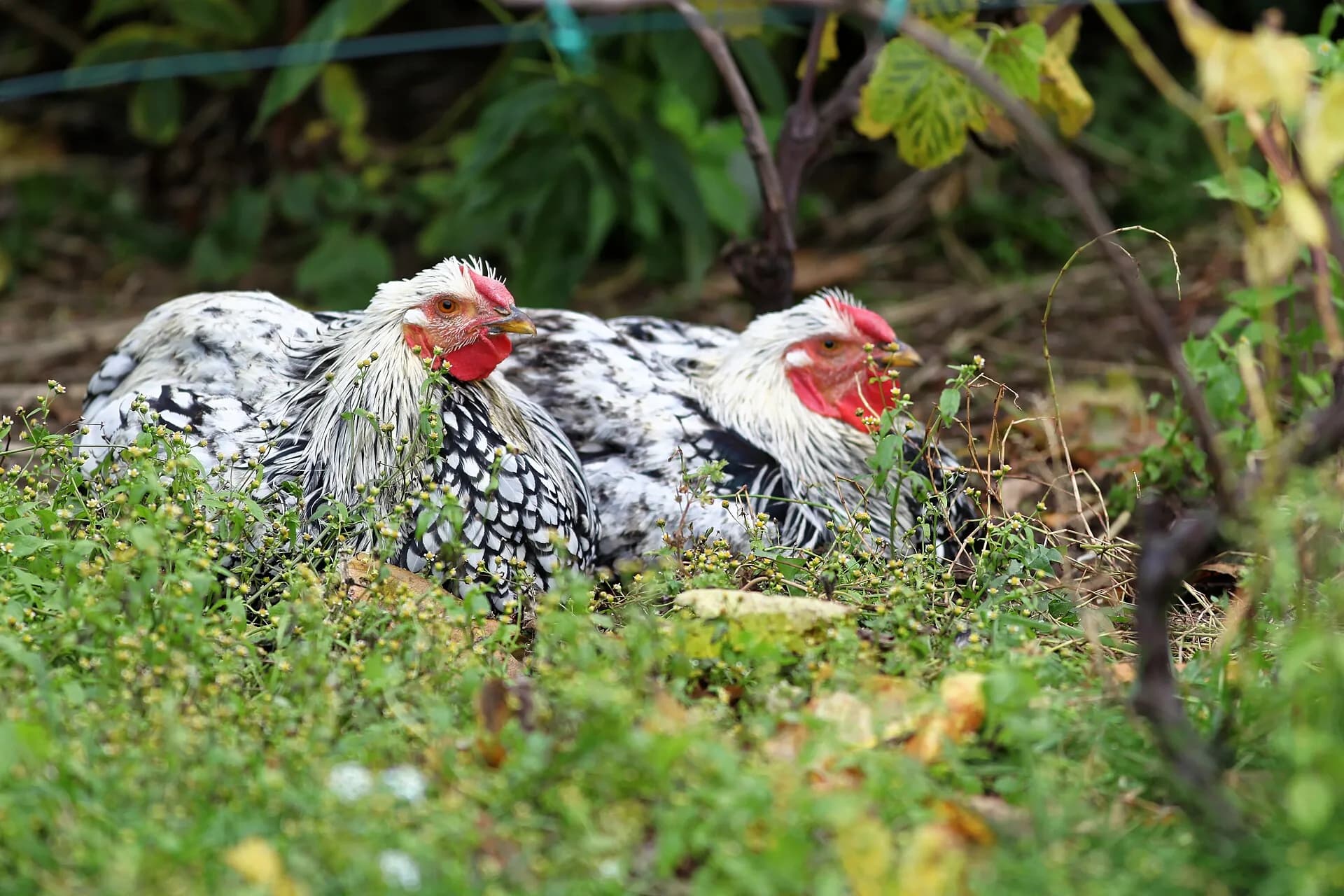
Silver Laced and Golden Laced are the easy ones. Every major hatchery carries them, and plenty of breeders specialize in them. If you want the classic laced look with the least searching, start here. We cover both in depth in the Silver Laced Wyandotte guide and the Golden Laced Wyandotte guide.
Blue, Black, Buff, Partridge, Silver Penciled, and Columbian show up at some hatcheries and from breeders who focus on them. Blue is worth understanding before you buy: blue plumage does not breed true, so a blue-to-blue pairing produces roughly half blue chicks, a quarter black, and a quarter splash. That is normal genetics, not a breeder cutting corners.
Blue Laced Red is one of the most requested colors online, and it is not an APA-recognized Wyandotte variety, so quality varies widely from seller to seller. It is beautiful when done well and muddy when done poorly. Buy it from someone who can show you consistent parent birds, and read our Blue Laced Red Wyandotte guide first so you know what good lacing looks like.
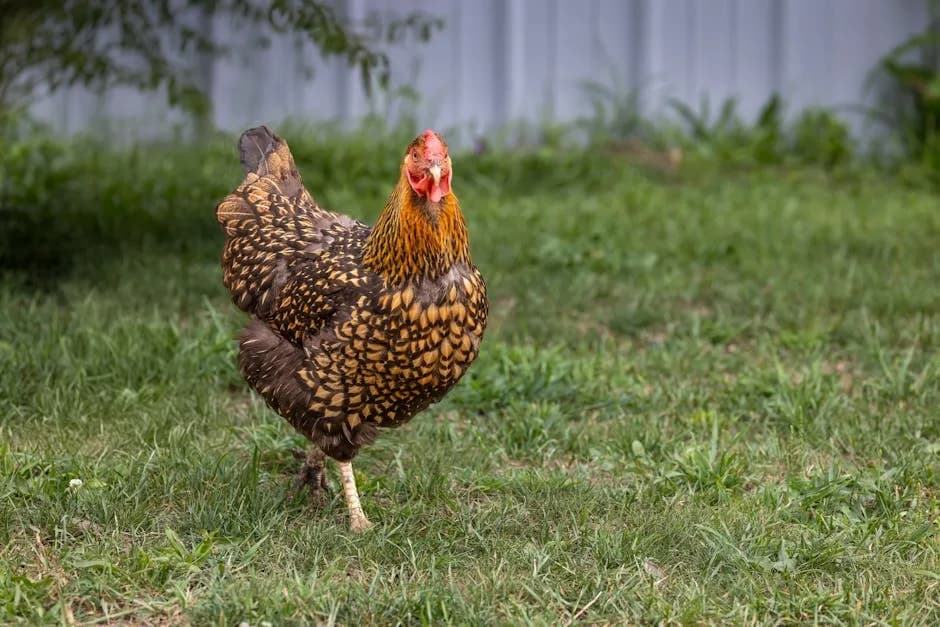
When you contact a breeder, name the exact variety and be ready to hear "not this year." Breeders hatch on a schedule, and a specific color may only run in one or two hatches per season.
Show, Production, or Pet Quality
The same variety can come in three grades, and breeders use these terms loosely, so ask what they mean by them.
Show quality birds are selected to match the APA Standard of Perfection: correct rose comb, body type, size, and lacing. These are the most expensive and usually sold as started birds or older, because you cannot judge show potential in a day-old chick. If you plan to exhibit, buy from a breeder who shows their own birds.
Breeder or production quality birds are healthy and true to type but not necessarily ribbon winners. This is the sweet spot for most people who want good-looking Wyandottes that lay well and can produce decent chicks.
Pet or fun quality birds may have a minor fault like slightly off lacing or a comb flaw. They lay eggs and make fine backyard hens, and they cost the least. Nothing wrong with them if eggs and looks in the yard are all you need.
Be direct about which grade you want. Paying show prices for pet-quality birds is a common and avoidable mistake.
What Wyandottes Cost
Prices move with variety, age, and region, but these ranges hold up across most of the United States.
| What you're buying | Typical price | Notes |
|---|---|---|
| Hatchery day-old chick (sexed pullet) | $5 to $9 | Common colors; rare colors run higher |
| Straight-run chick | $3 to $6 | 50/50 chance of a rooster |
| Breeder chick, quality lines | $10 to $25 | Higher for rare or show lines |
| Started pullet (15 to 22 weeks) | $30 to $60 | Skips the brooder stage |
| Show-quality started or adult bird | $50 to $150+ | Exhibition lines, proven type |
| Hatching eggs | $2 to $6 each | Sold by the dozen or half dozen; no hatch guarantee |
Two things drive the price up: rarity of the color and quality of the line. A hatchery Silver Laced pullet sits at the bottom. A show-line Partridge or a well-bred Blue from a breeder with a waiting list sits at the top. Budget for the birds plus setup: our breakdown of what it costs to raise chickens covers the coop, feed, and first-year expenses that come after the birds themselves.
Where to Start Your Search
Breed clubs. The Wyandotte Breeders of America keeps a member directory, and members are usually the most committed breeders. Regional poultry clubs and state poultry associations often list breeders too, and their members show birds where you can see quality in person.
Hatcheries. For common colors, a reputable mail-order hatchery is fast and predictable. You order online, choose your colors and sex, and pick a hatch date. Minimum order sizes exist to keep chicks warm in shipping, so plan for that.
Poultry shows and swaps. A show is the single best place to meet breeders and see their birds judged. Even if you are not buying that day, you can talk to people, collect contacts, and get on a waiting list for spring chicks.
Local feed stores. Spring chick days are convenient for common colors. Ask the staff which hatchery supplied the chicks and whether the birds are sexed.
Online listings and social groups. Facebook breed groups and marketplace listings can turn up local birds, and they can also turn up trouble. Only buy this way if you can inspect the birds and the seller's setup in person. Treat unseen birds with caution.
If you would rather hatch your own from a breeder's eggs, you will need an incubator. Our roundup of the best chicken egg incubators covers the models we trust, and you can find a solid starter incubator on Amazon if you want to jump straight in. New to hatching? Read how to hatch chicken eggs before the eggs arrive.
Questions to Ask a Wyandotte Breeder
A short conversation tells you most of what you need to know. Ask these before you commit.
- •Do you select for type, color, or lay rate? The answer reveals whether they breed with a goal or just hatch what they get.
- •Is your flock NPIP certified? Important for any bird crossing state lines, and a sign the breeder takes health seriously.
- •What has your flock been tested for, and when? Pullorum-typhoid at minimum; avian influenza in many programs.
- •Can I see the parent birds? Photos of the actual sire and dam, not stock images pulled from the internet.
- •How do you sex chicks, and what is your policy if I get a rooster? Vent sexing, feather sexing, or none. Set expectations now.
- •What age are the birds, and are they vaccinated? Marek's vaccination is common and worth asking about.
- •Do you have a waiting list, and when is your next hatch? Good breeders are often booked out, and that is a good sign.
- •Will you ship, or is this local pickup only? Shipping live birds and hatching eggs has real risks and added cost.
A breeder who answers these easily and asks you a few questions back, about your setup and your plans, is usually the one you want.
How to Inspect Birds and Hatching Eggs
If you can see the birds, look them over the way you would any chicken. Bright, clear eyes. Clean nostrils with no discharge. Smooth breathing with no rattle or open-mouth gasping. A clean vent with no pasting or mess. Legs free of raised, crusty scales, which point to scaly leg mites. Feathers checked at the base for lice or mite dirt. A bird that is alert and active, not puffed up and hunched in a corner.
For a Wyandotte specifically, check the comb. It should be a neat rose comb sitting close to the head, one of the breed's best cold-weather features. Look at the body shape too: Wyandottes are broad, rounded, and deep-chested, not lean and upright. Our full Wyandotte breed guide describes correct type in detail if you want a reference before you go.
For hatching eggs, ask how old they are. Fresh eggs under seven to ten days old hatch best. Ask how they were stored, whether they were shipped, and roughly what hatch rate the breeder sees. Shipped eggs take a beating in transit, so a lower hatch rate is normal and no seller can guarantee live chicks from an egg. If you are new to it, our guides on candling eggs and hatching chicken eggs walk through the whole process.
Biosecurity: Bringing New Birds Home
New birds are the most common way disease walks into a healthy flock, so do not skip this step even with a trusted breeder.
Quarantine every new bird for at least 30 days before it meets your existing flock. Keep them in a separate space, ideally out of sight and downwind, and care for them last each day so you are not carrying anything back to your main coop on your boots and hands. Watch for coughing, discharge, lethargy, or diarrhea during that window.
Set up the new birds' brooder or pen before they arrive so there is no scramble. Day-old chicks need a warm, clean brooder from the first hour, and our chick brooder setup guide covers heat, bedding, feed, and water. A brooder heat plate is safer than a heat lamp for a small batch of chicks and worth having ready.
When the quarantine period ends and everyone looks healthy, follow a slow introduction rather than dumping birds together. Our guide on introducing new chickens to your flock explains the "see but don't touch" method that keeps the pecking order from turning ugly. The USDA Defend the Flock program has free biosecurity checklists worth reading before you buy.
Red Flags That Say Walk Away
Some warning signs are worth trusting even when the birds look pretty.
- •No straight answer on health testing or NPIP. Vague replies about a flock's health history usually mean there isn't one.
- •A single mixed pen of many colors sold as "purebred." Without separate breeding pens, no one can tell you a chick's actual parentage.
- •Prices far below everyone else. Cheap birds can carry expensive problems. Respiratory disease can hide for weeks.
- •Refusal to let you see the setup or the parent birds. A breeder proud of their flock is usually happy to show it.
- •Pushy sales pressure or "cash only, meet me in a parking lot." Legitimate breeders are patient and transparent.
- •Sick-looking birds waved off as "just molting" or "just tired from the trip." Trust your eyes over the explanation.
Walking away from a bad seller costs you nothing. Bringing home a sick bird can cost you a whole flock.
Common Mistakes When Buying From a Breeder
Buying on impulse at a swap without inspecting the bird. The excitement of a rare color is how disease and roosters-labeled-as-hens end up in your coop. Slow down and check.
Confusing hatchery stock with show stock. Hatchery Wyandottes are lovely backyard birds, but they are not bred for the show table. If you want exhibition quality, buy from someone who exhibits, and expect to pay for it.
Skipping quarantine because the breeder "seemed clean." Even careful flocks carry things. Thirty days of separation is cheap insurance.
Ordering hatching eggs expecting a guaranteed hatch. Shipped eggs are a gamble by nature. Budget for a partial hatch and treat a full one as a bonus.
Not planning for straight-run roosters. If you buy unsexed chicks or hatch your own, half may be cockerels. Know your local rules and have a plan before they start to crow. Our guide on where to buy chickens covers sexing options in more detail.
Buy from a breeder who breeds with a purpose, ask the right questions, inspect what you can, and quarantine what you bring home. Do that, and your Wyandottes will reward you with years of eggs and some of the best-looking birds in the yard.
Frequently Asked Questions
How much does a Wyandotte chicken cost? Expect $5 to $9 for a sexed hatchery pullet chick in a common color, $10 to $25 for a breeder chick from quality lines, and $30 to $60 for a started pullet. Show-quality adult birds and rare colors can run $50 to $150 or more.
Where is the best place to buy Wyandotte chickens? For common colors and a few backyard layers, a reputable mail-order hatchery is simplest. For a specific variety, show lines, or breeding stock, a dedicated breeder found through the Wyandotte Breeders of America or a regional poultry club is the better source.
What is the difference between a hatchery Wyandotte and a breeder Wyandotte? Hatcheries breed for laying and hardiness at volume, so the birds are healthy but not selected for perfect type or lacing. Breeders keep small pens selected toward the standard, so their birds match the breed more closely and cost more.
Should I buy Wyandotte chicks or hatching eggs? Chicks give you a known number of live birds and, if sexed, a known number of hens. Hatching eggs are cheaper and let you access rare lines, but hatch rates vary and shipped eggs are a real gamble. Beginners usually do better with chicks.
What questions should I ask a Wyandotte breeder? Ask whether the flock is NPIP certified, what it has been tested for, whether they select for type or lay rate, if you can see the parent birds, how they sex chicks, and what their policy is if you receive a rooster.
Are Blue Laced Red Wyandottes recognized by the APA? No. Blue Laced Red is popular but not an American Poultry Association standard variety, so quality varies a lot between sellers. Buy from a breeder who can show consistent parent birds.
How long should I quarantine new Wyandottes? At least 30 days, kept fully separate from your existing flock and cared for last each day. Watch for respiratory signs, lethargy, and diarrhea before you let the new birds mix in.
Can Wyandottes be shipped in the mail? Yes. Day-old chicks ship well from hatcheries in insulated boxes, and hatching eggs can be shipped too, though transit lowers hatch rates. Adult birds can ship but it is stressful and costly, so most adult sales are local pickup.
Sources
- •Wyandotte Breeders of America: breed club and member breeder directory
- •The Livestock Conservancy: Wyandotte Chicken: breed background and heritage status
- •USDA APHIS Defend the Flock: biosecurity guidance for backyard flocks
- •National Poultry Improvement Plan (NPIP): flock testing and certification program
Related Guides
Breeding Wyandotte Chickens: A Complete Guide
How to breed Wyandotte chickens: picking breeder stock, lacing genetics, pen setup, hatching eggs, and raising quality silver, gold, and blue laced chicks.
BreedsBlue Laced Red Wyandotte: Complete Breed Guide
Blue Laced Red Wyandotte guide: eggs, size, temperament, cold hardiness, the blue gene that splits chicks into blue, black, and splash, plus buying tips.
BreedsGolden Laced Wyandotte: Complete Breed Guide
Golden Laced Wyandotte guide: eggs, size, temperament, cold hardiness, gold lacing genetics, chick care, and hatchery vs show stock compared.
BreedsSilver Laced Wyandotte: Complete Breed Guide
Silver Laced Wyandotte guide: eggs, size, temperament, cold hardiness, lacing genetics, chick care, and hatchery vs show stock compared.