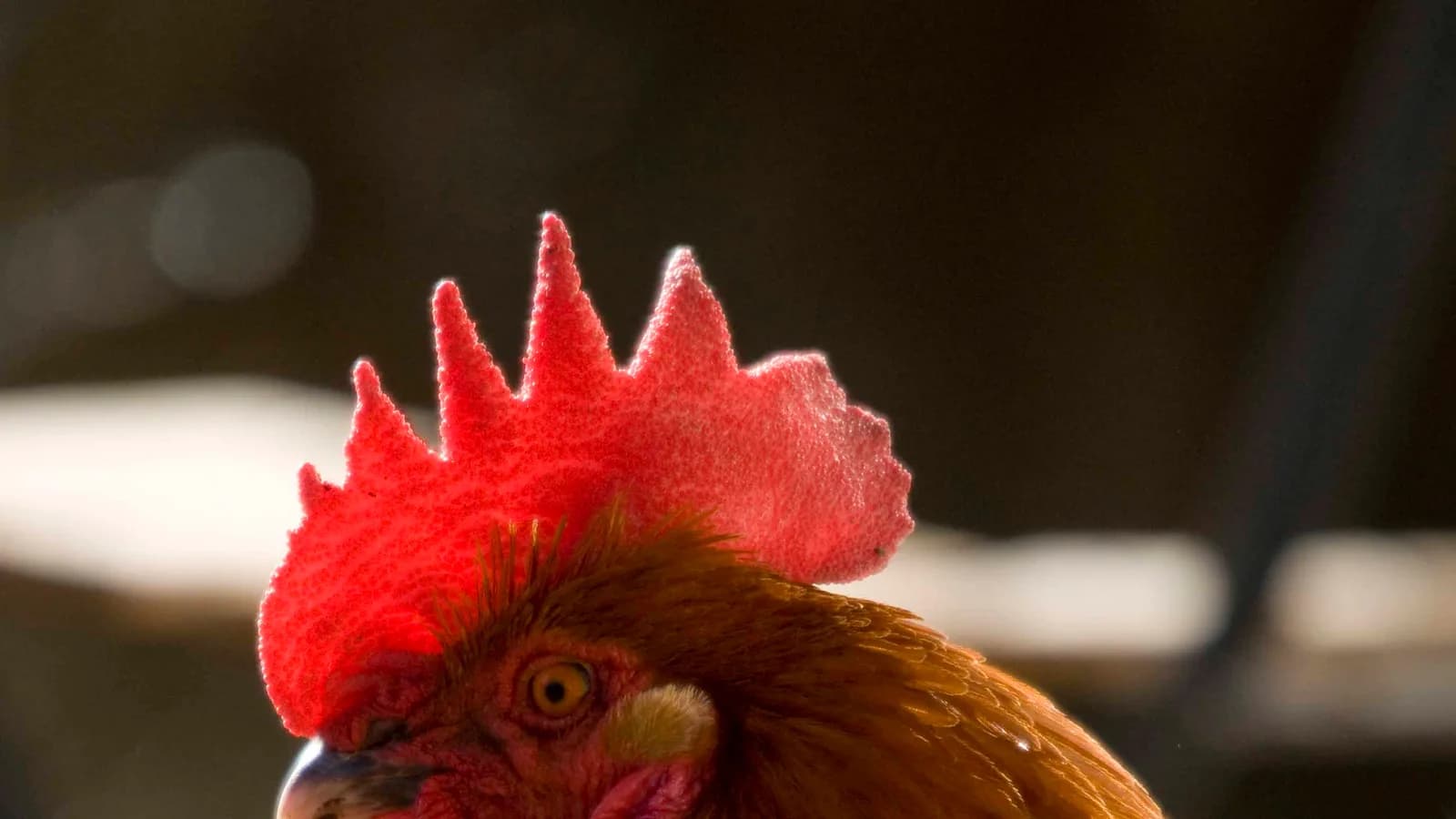
Black Copper Marans: Complete Breed Guide
Black Copper Marans lay the darkest chocolate-brown eggs of any chicken. Guide to egg color, appearance, temperament, hatchery vs breeder, and care.
Researched from university extension, USDA, and veterinary sources. How we research.
The Black Copper Marans is the chicken behind those deep chocolate-brown eggs you see all over Instagram and at farmers markets. It is the most popular and easiest-to-find variety of the French Marans breed, and it lays the darkest eggs in the poultry world. Expect roughly 150 to 200 dark brown eggs a year from a calm, quiet, feather-legged bird that fits into almost any flock. Hens weigh 6 to 7 lbs and roosters 7 to 8 lbs, and here is the part most people miss: the darkest eggs come from birds bred specifically for egg color, not from bargain hatchery stock.
What You'll Learn
- •Black Copper Marans at a Glance
- •What Is a Black Copper Marans?
- •The Famous Dark Eggs
- •Hatchery vs Breeder: The Difference That Matters
- •What Black Copper Marans Look Like
- •Temperament and Behavior
- •Size, Growth, and Egg Production
- •French vs American Black Copper Marans
- •Sexing Black Copper Marans Chicks
- •Housing, Feed, and Care
- •Health Issues to Watch For
- •Is a Black Copper Marans Right for You?
- •Common Mistakes
- •Frequently Asked Questions
Black Copper Marans at a Glance
| Trait | Details |
|---|---|
| Also called | BCM, Black Copper Maran (technically always "Marans") |
| Size | Roosters: 7-8 lbs, Hens: 6-7 lbs |
| Eggs | 150-200 per year, very dark brown, large |
| Egg color | 4-8 on the Marans scale (8-9 from top breeder lines) |
| Temperament | Calm, quiet, independent, not flighty |
| Comb | Single, red |
| Legs | Slate to pinkish-white, lightly feathered |
| Cold hardy | Good |
| Heat tolerant | Moderate |
| Broody | Occasionally |
| Beginner friendly | Yes |
| Lifespan | 6-8 years |
| APA recognized | Yes, Black Copper variety recognized 2011 |
Black Copper Marans are not the most productive layers and they are not the biggest birds in the run. What they are is the undisputed champion of egg color. If a basket full of dark, glossy, chocolate eggs is what pulled you toward this breed, nothing else comes close.
What Is a Black Copper Marans?
Marans are a French breed that comes in several color varieties: Cuckoo, Wheaten, Blue Copper, Black, Splash, and more. The Black Copper is the variety that made the breed famous in the United States. When someone talks about "the dark egg chicken" or shows off a bird with a black body and a copper-orange collar, they are almost always talking about a Black Copper Marans.
The variety takes its name from its coloring: a base of beetle-green black with copper feathering across the hackle (and, on roosters, the saddle and back). It was the first Marans variety accepted into the American Poultry Association's Standard of Perfection, in 2011, which is why it is the most widely bred and shown Marans in the country today.
A few quick facts that set the Black Copper apart from other varieties:
- •It lays the darkest eggs of any Marans variety. Cuckoo Marans are easier to find at hatcheries, but their eggs run lighter. The Black Copper is where the genuinely dark eggs come from.
- •It is feather-legged. Unlike a clean-legged Cuckoo you might see from some hatcheries, the standard Black Copper Marans has light feathering down the shanks and outer toes.
- •It is the show-quality standard bearer. Because it was recognized first, the Black Copper has the deepest pool of serious breeders selecting for type and egg color.
If you want the full picture of the breed's history, the marsh-hen and game-bird ancestry, and how all the varieties compare, our complete Marans breed guide covers it. This guide zooms in on the Black Copper specifically, because that is the bird most people are actually shopping for.
The Famous Dark Eggs
The whole reason to keep Black Copper Marans is the egg. So let's start there and be honest about what you can expect.
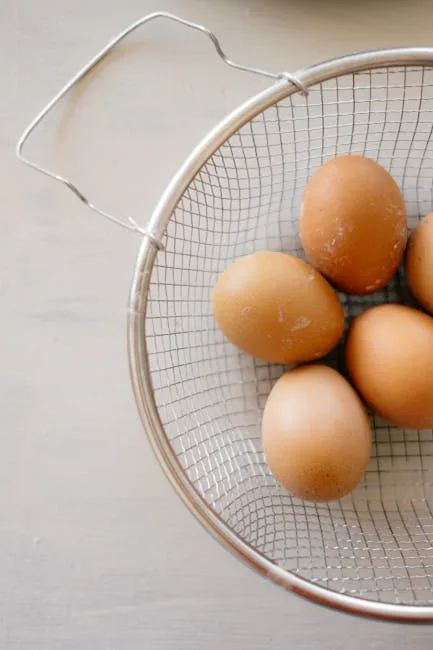
Marans eggs are graded on a color scale that runs from 1 (lightest) to 9 (darkest, nearly black-brown). Serious French breeders won't sell hatching eggs that grade below a 4. A good backyard Black Copper hen lays eggs in the 5 to 7 range. Eggs that hit 8 or 9 are exceptional and come from carefully bred lines that have been selected for color over many generations.
Here is what determines how dark your eggs actually turn out:
- •The pigment is painted on. The dark color comes from protoporphyrin, a pigment the hen's body applies as a coating in the last few hours before laying. It sits on the outside of the shell, so you can literally scratch some of it off a fresh egg with a fingernail. The inside of the shell is a normal light color.
- •Color fades through the laying cycle. The darkest eggs come at the very start of a cycle, right after a molt or a break in laying. As a hen keeps laying, her pigment supply runs down and the eggs gradually lighten. After a rest, the dark color resets. So even a great hen won't lay a 9 every single day.
- •Genetics set the ceiling. Some hens simply carry the genes for darker eggs than others. This is exactly what breeders select for, and it is why two Black Copper hens standing side by side can lay noticeably different eggs.
- •Age plays a role. Young pullets often lay lighter at first and darken over their first few months of production.
One thing worth clearing up: the dark color is purely cosmetic. Black Copper Marans eggs taste like any other good backyard egg, and they cook and bake exactly the same. French chefs have long prized them, and author Ian Fleming even had James Bond eating Marans eggs, but blind taste tests have never confirmed a flavor difference. You are paying for the color, and the color alone is reason enough for a lot of keepers.
Hatchery vs Breeder: The Difference That Matters
If you take one thing away from this guide, make it this. Where you buy your Black Copper Marans matters more than for almost any other breed.
Because the dark egg color is a selected trait, the birds vary enormously depending on how carefully they were bred. A "Black Copper Marans" chick from a large commercial hatchery and a Black Copper Marans chick from a breeder who culls for a 7-plus egg are the same variety on paper, but they can lay very different eggs.
| Source | Typical chick price | Typical egg color | Best for |
|---|---|---|---|
| Large hatchery | $8-15 per sexed pullet | 4-6 on the scale | Getting started, mixed flocks, decent dark eggs |
| Small hatchery / farm | $10-18 | 5-7 | Better color without breeder prices |
| Dedicated breeder | $10-25+ per chick, $5-10 per hatching egg | 6-9 | Genuinely dark eggs, showing, breeding |
None of these are wrong choices. A hatchery Black Copper still lays a pretty egg and makes a lovely backyard bird. But if you are dreaming about mahogany-dark eggs and you buy the cheapest chicks you can find, you may be disappointed when they come in at a medium brown. Set your expectations to match where you shop, or spend a little more up front for birds bred to the color you want.
If you plan to hatch your own from a breeder, our guides on candling eggs and hatching chicken eggs walk through the incubation basics.
What Black Copper Marans Look Like
Black Copper Marans are handsome, substantial birds with a distinctive look once you know what to watch for.
Roosters are the showstoppers. They have a black body with a strong green-beetle sheen, topped by a bright copper-to-gold hackle that flows over the neck, and copper across the saddle and back. The single comb is large, upright, and red, with matching red wattles. It is one of the more striking roosters you can keep.
Hens are mostly black with a green sheen, marked by copper or reddish feathering on the neck and hackle. They are quieter in color than the roosters but still elegant, and no two hens are marked exactly alike.
Shared features of the variety:
- •Single comb, red, medium to large, standing upright.
- •Reddish-orange to red-bay eyes.
- •Lightly feathered legs. The shanks and outer toes carry light feathering, a signature of the French type. Leg color runs from slate gray to pinkish-white.
- •White skin and a horn-colored beak.
- •Medium-large, well-balanced body with a slightly upright, active carriage that reflects the breed's game-bird ancestry.
A note on show birds: the American Poultry Association standard is specific about copper distribution, comb, and leg feathering. Too much copper on a hen's body, a clean leg, a sprig on the comb, or the wrong eye color are all faults or disqualifications in the show ring. For a backyard flock none of that matters, but it is why breeder birds cost more. They are bred to hit a written standard.
Temperament and Behavior
Black Copper Marans have a personality that fits their mixed heritage of marsh chickens and fighting game birds.
- •Calm but independent. They are not lap chickens the way a Buff Orpington or Silkie can be. They tolerate handling without a fuss but generally prefer to do their own thing. Keepers often describe them as "aloof but not mean."
- •Active foragers. Thanks to that game-bird ancestry, Black Coppers love to range, scratch, and hunt bugs. They make excellent free-range birds and will happily cover a lot of ground.
- •Quiet. They are one of the quieter breeds, which suburban keepers and anyone with close neighbors will appreciate.
- •Steady in a mixed flock. They usually settle into the middle of the pecking order. They won't bully smaller birds and they don't get pushed to the bottom either, which makes them easy to add to an existing flock.
- •Roosters tend to be well-behaved. Black Copper Marans roosters have a reputation for being calmer than average, though individual birds always vary and no rooster should be trusted blindly around small children.
Size, Growth, and Egg Production
Black Copper Marans are a medium-to-large, dual-purpose bird, though almost everyone keeps them for eggs rather than meat.
- •Roosters: 7-8 lbs
- •Hens: 6-7 lbs
- •Point of lay: roughly 5-7 months
On eggs, set realistic expectations:
- •150-200 eggs per year, around 3 to 4 a week.
- •Large eggs with thick, hard shells.
- •Occasionally broody, more often than a Leghorn but less than a Cochin. A broody Black Copper makes a decent mother.
Those numbers are respectable, not record-breaking. If pure egg count is your goal, an Australorp at 250-plus or a Leghorn at 280-plus will out-lay a Marans handily. You keep Black Coppers for the color of the egg, not the count, so pair them with a couple of high-output egg-laying breeds if volume matters to you.
One popular cross worth knowing: a Black Copper Marans rooster over a blue-egg hen produces an Olive Egger, because the dark brown pigment layered over a blue shell reads as olive green. Marans are one of the two parent breeds behind most Olive Eggers.
French vs American Black Copper Marans
You'll see "French" thrown around a lot when shopping for Black Coppers, and it causes confusion. Here is the short version.
- •French-type Marans have feathered legs. The French standard, which the American APA standard follows for Black Coppers, calls for light feathering on the shanks and outer toes. This is the type most US breeders are working with.
- •English-type Marans are often clean-legged. The British standard historically allowed clean legs. Some hatchery birds trace to this line, which is why you'll occasionally see a clean-legged bird sold as a Marans.
For the Black Copper variety specifically, the recognized American standard is feather-legged, so a show-quality Black Copper Marans should have that light leg feathering. When a breeder advertises "French Black Copper Marans," they are usually emphasizing that their birds are the feather-legged, standard type, and sometimes that they carry imported French bloodlines selected for very dark eggs. It is a selling point, not a separate breed.
Sexing Black Copper Marans Chicks
Black Copper Marans are not an auto-sexing breed, so day-old chicks cannot be told apart by color with any reliability. If you buy straight-run chicks, plan on roughly half turning out to be roosters.
What you can watch for as they grow:
- •Comb development. By 4 to 8 weeks, cockerels show larger, redder combs and wattles while pullets stay small and pale.
- •Feathering. Cockerels start showing copper in the hackle and pointier saddle and hackle feathers. Pullets feather in more evenly.
- •Behavior and posture. Cockerels tend to stand taller and grow leg mass and spurs earlier.
If you specifically want hens and don't want to gamble, buy sexed pullets from a hatchery or breeder rather than straight-run chicks. You'll pay more per bird, but you avoid ending up with a run full of roosters. Our guide to raising chicks week by week covers what to expect as they develop.
Housing, Feed, and Care
Black Copper Marans are hardy, low-drama birds, but their feathered legs add one small wrinkle to routine care.
Feed. Like any laying hen, a Black Copper does best on a quality layer feed as the base of the diet, offered free choice. Because they lay large eggs with thick shells, keep oyster shell calcium available in a separate dish so each hen takes what she needs. Treats and scratch should stay under about 10 percent of the diet. Our complete feeding guide has the full breakdown.
Coop and run. Standard housing rules apply: about 4 square feet per bird inside the coop and 8 to 10 square feet in the run, more if you can manage it. Marans love to forage, so they are happiest with room to range. A nesting box per three or four hens is plenty. If you sell those pretty dark eggs, a stack of egg cartons makes the farmers-market side of things easy.
Feathered feet. This is the one Marans-specific care note. Feathered legs pick up mud and can mat in wet or muddy runs, so keep the run reasonably dry with good drainage or deep bedding. Muddy foot feathering is also a spot where scaly leg mites can hide, so check legs and toes now and then.
Climate. Black Coppers are good in cold thanks to their heavy bodies, though that large single comb can be prone to frostbite in hard winters. A dry, draft-free coop and a smear of petroleum jelly on the comb during deep cold snaps handles it. In heat they do fine with shade and constant fresh water, though they tolerate cold better than extreme heat.
If you are still deciding whether Marans are your bird, our best breeds for beginners guide compares them against other easy-keeping options.
Health Issues to Watch For
Black Copper Marans are generally healthy and have no breed-specific diseases. Watch the same handful of things you would with any backyard flock, plus one that comes with the feathered legs:
- •Scaly leg mites. These burrow under the leg scales and are easier to miss on a feather-legged bird. Signs are raised, crusty, lifted scales. Check legs periodically and treat early if you see it.
- •External parasites. Regular mite and lice checks, plus access to a dust bath, keep the usual pests down.
- •Frostbite on the large single comb in hard winters, as noted above.
- •The everyday laying-hen issues any keeper should know: watch for signs of egg binding, and learn the general sick-chicken symptoms so you catch problems early.
None of these are unique or serious for the breed. A Black Copper Marans kept dry, fed well, and looked over now and then is a sturdy, long-lived hen that lays for years.
Is a Black Copper Marans Right for You?
A Black Copper Marans is a great fit if:
- •You want dark, dramatic eggs and you care more about color than sheer count.
- •You want a calm, quiet bird that does well in a suburban backyard.
- •You like the idea of a striking, foraging heritage-type bird.
- •You are willing to spend a bit more for breeder stock if egg color is the whole point.
It is probably not your bird if:
- •You need maximum eggs per dollar. A production layer will out-lay it.
- •You want a cuddly lap chicken. Black Coppers are friendly but independent.
- •You keep a wet, muddy run and don't want to deal with feathered feet.
For most backyard keepers who fell for the dark eggs, the Black Copper Marans delivers. Just buy from the right source for the color you want, give them room to range, and keep those feathered feet out of the mud.
Whatever breed you land on, the coop matters as much as the bird. Our best chicken coops roundup covers current picks across flock sizes and budgets.
Common Mistakes
- •Expecting a 9 from a hatchery chick. The single most common letdown. Cheap chicks lay lighter eggs. Match your source to the color you want.
- •Judging a pullet's egg color too early. Young hens often start lighter and darken over their first months. Give them time before deciding a hen is a poor layer.
- •Forgetting color fades through the cycle. Your darkest eggs come right after a break. A lighter egg mid-cycle is normal, not a problem.
- •Ignoring the feathered feet. A muddy run mats leg feathering and hides scaly leg mites. Keep it dry and check the legs.
- •Buying clean-legged birds as "Black Copper Marans." The recognized Black Copper is feather-legged. A clean-legged bird may be a different type or a mixed cross.
Frequently Asked Questions
Why aren't my Black Copper Marans eggs dark?
Usually because the birds came from hatchery stock that wasn't selected for egg color. Egg darkness is genetic, so cheaper birds often lay a medium brown rather than a deep chocolate. Color also fades as a hen moves through her laying cycle and is lightest late in a cycle, and young pullets often start lighter and darken with age. If you want consistently dark eggs, buy from a breeder who culls for a 7-plus on the Marans scale.
How dark should Black Copper Marans eggs be?
On the 1-to-9 Marans color scale, most backyard Black Coppers lay in the 5-to-7 range. Show and top breeder lines can reach 8 or 9. For hatching-egg sales, a 4 is usually the minimum a serious seller will offer. Remember darkness varies day to day within a single hen, so even an excellent bird won't lay her darkest egg every time.
Are Black Copper Marans rare?
Not anymore. Hatcheries sell them widely, so the birds themselves are easy to find. What is harder to find are Black Coppers from breeders who select for genuinely dark eggs and correct show type. Those command higher prices, often $10 to $25 per chick or $5 to $10 per hatching egg.
Do Black Copper Marans eggs taste different?
No. The dark color is an external pigment coating and does not change what is inside the egg. They taste like any other quality backyard egg and bake and cook the same. Claims of superior flavor haven't held up in blind taste tests. You are paying for the color.
Are Black Copper Marans good for beginners?
Yes. They are calm, quiet, hardy, and easy to keep, with no fussy needs beyond keeping their feathered legs out of the mud. The only beginner "gotcha" is egg-color expectations, so buy from the right source and you'll be happy.
How many eggs do Black Copper Marans lay?
About 150 to 200 large, dark brown eggs a year, or roughly 3 to 4 a week. They are moderate layers. You keep them for egg color, not maximum output, so pair them with heavier layers if volume matters to you.
Are Black Copper Marans loud or aggressive?
They are one of the quieter breeds, which makes them a good choice for suburban yards. They are independent rather than aggressive, and Black Copper roosters in particular have a reputation for being calmer than average. As with any breed, individual temperament varies.
Can you cross a Black Copper Marans to make Olive Eggers?
Yes. A Black Copper Marans over a blue-egg-laying hen produces Olive Eggers. The Marans lays down its dark brown pigment over the hen's blue shell genetics, and the result reads as olive green. Marans are one of the standard parent breeds for that cross.
At what age do Black Copper Marans start laying?
Most start around 5 to 7 months. They can be a touch slower to mature than production breeds, and their first eggs often lighten in color before settling into the hen's true darkness over the following weeks.
Black Copper Marans won't fill your basket with the most eggs, but they will fill it with the most striking ones. Pair a few with some blue-egg Easter Eggers and a reliable brown layer, and you'll have the prettiest dozen on the block. For everything about the wider breed and its other color varieties, see our complete Marans breed guide, or browse all our breed guides.
Sources:
- •Marans Chicken Club USA. Breed standard and egg color scale. https://www.maransofamerica.com/
- •The American Poultry Association. Standard of Perfection (Black Copper Marans recognized 2011). http://www.amerpoultryassn.com/
- •University of Kentucky Cooperative Extension / eXtension. Small and Backyard Flocks. https://poultry.extension.org/
- •The Livestock Conservancy. Heritage poultry breed resources. https://livestockconservancy.org/
Related Guides
Cuckoo Marans: Complete Breed Guide
Cuckoo Marans lay dark brown eggs and are the easiest Marans to find and sex. Guide to egg color, barred looks, temperament, care, and Cuckoo vs Black Copper.
BreedsAyam Cemani Breed Guide: The All-Black Chicken (2026)
Ayam Cemani explained: the Indonesian breed that is black to the bone, the gene behind it, cream eggs, weights, temperament, prices, and what is myth.
BreedsMarans Chicken: Complete Breed Guide (Dark Eggs, Size, Care)
Complete Marans chicken breed guide. Famous for dark chocolate-brown eggs, 150-200/year. Covers Black Copper Marans, varieties, temperament, and care.
BreedsAraucana Chicken Breed Guide: Blue Eggs, Tufts, Care
Araucana chicken breed guide: rumpless bodies, ear tufts, true blue eggs, the lethal tuft gene, care, and how they differ from Ameraucanas.