Salmon Faverolle Chicken: Complete Breed Guide (2026)
Salmon Faverolle chickens lay 160-200 eggs per year and thrive in cold weather. Learn about their temperament, care needs, and 5 toes in this breed guide.
Researched from university extension, USDA, and veterinary sources. How we research.
Salmon Faverolles are one of the friendliest, fluffiest chicken breeds you'll ever meet. They're gentle enough for kids to hold, they'll lay eggs through the coldest winter months, and they've got five toes on each foot (most chickens only have four). If you're looking for a backyard breed that's equal parts personality and productivity, this French heritage breed deserves a serious look.
What You'll Learn
- •Where Salmon Faverolles Come From
- •What Do Salmon Faverolles Look Like?
- •How Many Eggs Do Salmon Faverolles Lay?
- •Are Salmon Faverolles Good for Beginners?
- •Salmon Faverolle Temperament and Personality
- •Housing and Space Requirements
- •Feeding Your Salmon Faverolles
- •Health Issues to Watch For
- •Are Salmon Faverolles Cold Hardy?
- •Frequently Asked Questions
Where Salmon Faverolles Come From
The Faverolle breed originated in the village of Faverolles in north-central France during the 1860s. French farmers crossed several breeds, likely including Houdans, Dorkings, and Asiatic breeds like Cochins and Brahmas, to create a dual-purpose bird that could handle cold French winters while producing plenty of eggs and meat.
By the 1880s, Faverolles had become one of the most popular market birds in Paris. They were prized for their plump bodies and reliable winter laying. The breed made its way to England in 1894, and Dr. A.H. Phelps of Glen Falls, New York, brought them to America in 1901.
Today, the Salmon variety is by far the most popular color. The American Poultry Association recognizes both Salmon and White varieties, but you'll almost always see Salmon when people talk about Faverolles. The breed is listed as "Threatened" by the Livestock Conservancy, which means there are fewer than 1,000 breeding birds registered in North America each year.
What Do Salmon Faverolles Look Like?
Salmon Faverolles are one of the most distinctive-looking chickens you'll find. They've got several features that set them apart from other breeds:
Five toes. Most chicken breeds have four toes, but Faverolles have five on each foot. This trait comes from their Dorking and Houdan ancestry. It's one of the easiest ways to confirm you've got a true Faverolle.
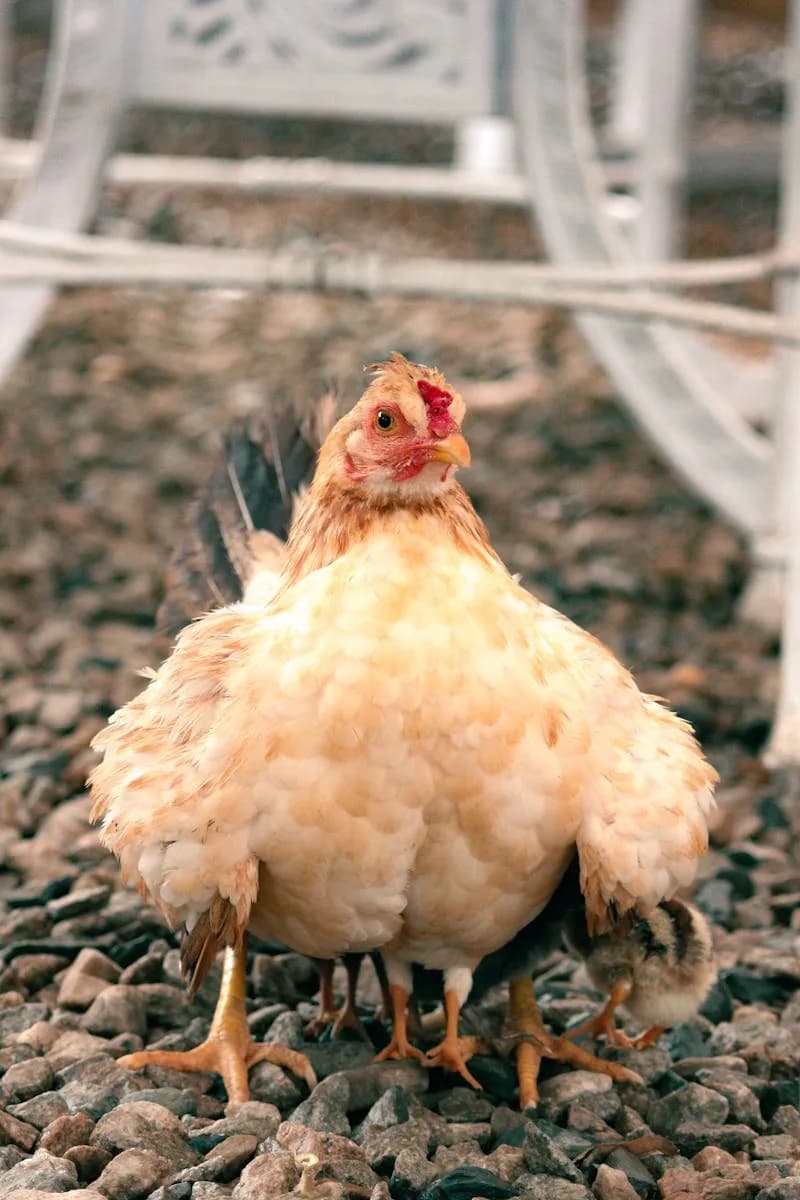
Feathered legs and feet. Their legs are covered in soft feathering that extends down to their outer toes. Combined with their fluffy body plumage, this makes them look almost comically round.
Muffs and beard. Faverolles sport fluffy muffs (feathered cheeks) and a beard under their beak. This gives them a sweet, owl-like face that's hard not to love.
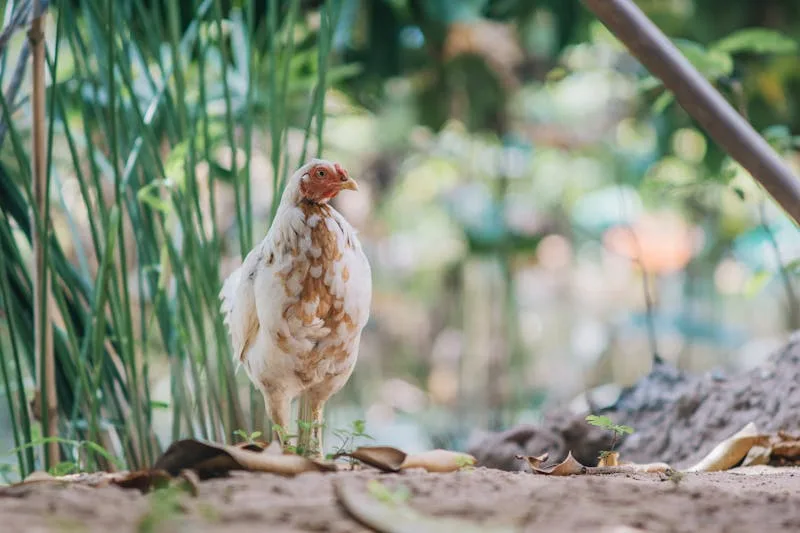
The "Salmon" color. Hens and roosters look completely different. Hens are a warm honey-brown (the "salmon" color) on their backs and wings, with a creamy white breast and light gray underfluff. Roosters are dramatically different, with black beards, breasts, and tails contrasted against straw-colored hackles and saddle feathers with rich mahogany on the back.
Hens typically weigh 6 to 7 pounds, while roosters reach 7 to 8 pounds. They're a medium-to-large breed, but their dense, fluffy feathering makes them look even bigger than they actually are.
How Many Eggs Do Salmon Faverolles Lay?
Salmon Faverolles are solid layers, producing around 160 to 200 eggs per year. That works out to roughly 3 to 4 eggs per week. Their eggs are light brown to cream-colored (some owners describe them as having a slight pinkish tint) and medium-sized.
What really makes Faverolles stand out isn't their total egg count. It's when they lay. Unlike many breeds that slow down or stop entirely during winter, Faverolles are known for consistent winter egg production. Their heavy feathering keeps them comfortable in cold temperatures, and they don't seem to mind shorter daylight hours as much as other breeds.
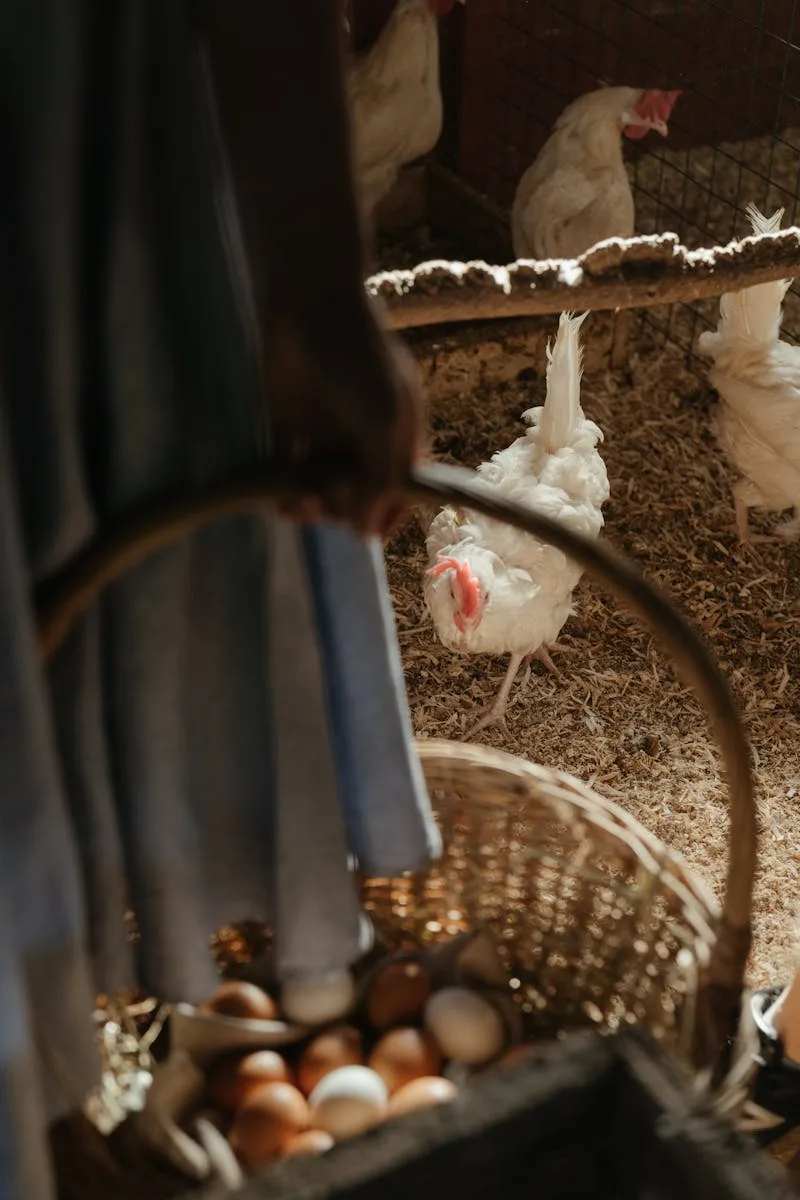
If you compare them to high-production breeds like Leghorns (280+ eggs per year) or Australorps (250+ eggs), Faverolles aren't going to win any contests. But if you want a steady supply of eggs year-round, including the months when your other hens take a break, they're a fantastic choice.
Faverolles typically start laying between 20 and 24 weeks of age. Some hens start a bit later, especially if they reach maturity during shorter fall days.
Are Salmon Faverolles Good for Beginners?
Yes. Salmon Faverolles are one of the best chicken breeds for beginners for several reasons:
- •Docile. They're calm, gentle, and rarely aggressive. Many owners say they're the friendliest breed they've ever kept.
- •Easy to handle. They'll often let you pick them up without a fuss. Kids can hold and pet them safely.
- •Cold hardy. Their dense feathering means you don't need to worry as much about supplemental heating in winter.
- •Low maintenance. They don't have any unusual dietary or housing needs compared to other standard breeds.
- •Good layers. 160 to 200 eggs per year is respectable, especially since they keep laying through winter.
The only real caveat for beginners is that Faverolles tend to land at the bottom of the pecking order in mixed flocks. They're so gentle that more assertive breeds like Rhode Island Reds or Leghorns can push them around. If you're mixing breeds, you'll want to keep an eye on your Faverolles to make sure they're getting enough food and aren't being bullied.
Salmon Faverolle Temperament and Personality
"Docile" doesn't even begin to cover it. Salmon Faverolles are some of the most personable chickens you'll ever encounter. Here's what to expect:
They're chatty. Faverolles love to "talk." They'll follow you around the yard making soft cooing and clucking sounds. They're not loud like some breeds, just conversational. Think of it as running commentary on their day.
They're curious. Faverolles want to know what you're doing at all times. Gardening? They'll supervise. Sitting on the porch? They'll come hang out. Carrying a bucket? They're convinced it's full of treats.
They're gentle with kids. Both hens and roosters tend to be calm around children. Faverolle roosters are known for being some of the most docile roosters of any breed, which is saying something. If you've got young kids and want a rooster that won't scare them, a Faverolle rooster is a solid choice.
They can be a bit goofy. Owners frequently describe Faverolles as the "class clowns" of the chicken world. They'll do things like lay down randomly in the middle of the yard, run in funny ways because of their feathered feet, or stare at you with their fluffy owl faces like they're pondering the meaning of life.
They're not great free-rangers. Because they're so docile and a bit clumsy, Faverolles don't do as well in free-range settings as more alert breeds. They're not great at evading predators, so they're better suited to a secure run or supervised free-ranging.
Housing and Space Requirements
Salmon Faverolles don't need anything radically different from other breeds, but there are a few things to keep in mind:
Coop space: Plan for 4 square feet per bird inside the coop, which is standard. Because Faverolles are fluffy and a bit larger than average, giving them a little extra room (5 square feet) isn't a bad idea.
Run space: At least 8 to 10 square feet per bird in the run. Since they don't free-range as well as other breeds, a spacious, secure run is especially important for Faverolles.
Roost height: Keep roosts relatively low, around 18 to 24 inches off the ground. Faverolles are heavy birds with feathered feet, so they're not the most agile jumpers. High roosts can lead to foot injuries on landing.
Dry bedding matters. Their feathered feet and legs can trap moisture and mud, which can lead to issues like bumblefoot or frostbite in winter. Use deep bedding and keep it clean and dry. Pine shavings work well.
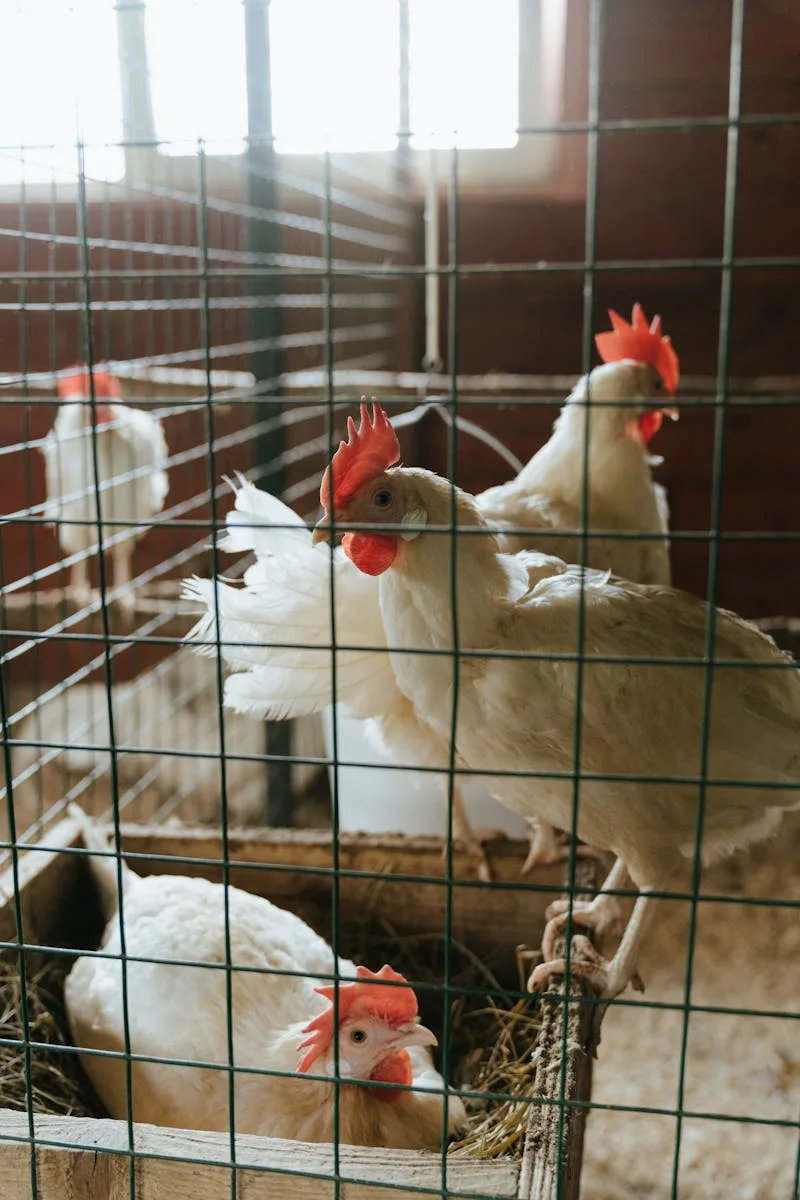
Ventilation over heat. Even though Faverolles are cold hardy, good coop ventilation is still critical. Moisture buildup in a sealed coop is more dangerous than cold air. Their fluffy feathering insulates them well as long as they're dry.
If you're building or buying a coop, Faverolles will do fine in any standard design. Just make sure the run is secure since they won't be as quick to escape predators as some other breeds.
Feeding Your Salmon Faverolles
Salmon Faverolles don't have any special dietary requirements. Standard chicken feeding guidelines apply:
Layers (18+ weeks): A quality 16% protein layer feed should be the foundation of their diet. This supports steady egg production and overall health.
Chicks (0-8 weeks): Starter feed with 18-20% protein. Faverolle chicks can be a bit more delicate than some breeds during their first week, so make sure they're eating and drinking within the first few hours.
Growers (8-18 weeks): Switch to a 16% grower feed until they start laying.
Calcium supplement: Provide crushed oyster shell free-choice in a separate dish. Faverolles that lay through winter need consistent calcium to maintain good eggshell quality.
Treats: Faverolles love treats, and they'll come running whenever they hear you opening a bag. Mealworms, scratch grains, leafy greens, and kitchen scraps are all fair game. Just keep treats to 10% or less of their total diet.
One thing to watch: because Faverolles are low on the pecking order, make sure they're actually getting to the feeder. In a mixed flock, more dominant birds might push them away. Multiple feeding stations solve this problem.
Health Issues to Watch For
Salmon Faverolles are generally healthy birds with no major breed-specific diseases. However, there are a few things to keep on your radar:
Feathered feet complications. Those cute feathered legs and feet need attention. Mud and moisture can get trapped in the feathering, leading to bacterial infections or frostbite. Check their feet regularly and keep their coop and run as dry as possible.
Bumblefoot. Because they're heavier birds that aren't the most graceful landers, Faverolles can be prone to bumblefoot (a staph infection on the foot pad). Low roosts and soft bedding help prevent this.
External parasites. Their dense, fluffy feathering provides ideal hiding spots for mites and lice. Do regular checks by parting the feathers around the vent and under the wings. Provide a dust bath area so they can self-treat.
Obesity. Faverolles love food and aren't the most active breed. Combined with their laid-back personality, they can put on extra weight if overfed. Stick to proper portions and don't go overboard with treats.
Bullying injuries. Since Faverolles sit at the bottom of the pecking order, watch for feather loss, bare spots, or wounds from more aggressive flock mates. If bullying is severe, you may need to separate them or rethink your flock composition.
For general health monitoring, check out our guide on sick chicken symptoms every owner should know.
Are Salmon Faverolles Cold Hardy?
Yes, and this is one of their biggest selling points. Salmon Faverolles were developed in northern France specifically to handle cold winters, and they excel at it.
Their dense, fluffy undercoat acts like a down jacket, trapping warm air close to their body. Their feathered legs and feet provide extra insulation. And unlike breeds with large combs and wattles that are prone to frostbite, Faverolles have small, single combs that sit close to their heads.
Faverolles handle cold temperatures down to well below freezing without supplemental heat, as long as their coop is dry and well-ventilated. They'll continue laying eggs through winter when many other breeds take a break, making them one of the most reliable cold-weather chicken breeds you can keep.
The flip side? They don't love extreme heat. That heavy feathering that keeps them warm in winter can cause overheating in hot, humid summers. If you're in a warm climate, provide plenty of shade, fresh cool water, and good ventilation during the hottest months. Check our summer chicken care guide for more tips.
Looking for the right coop? Whatever breed you settle on, the coop you put them in matters as much as the bird itself. Our best chicken coops on Amazon roundup covers current top picks across flock sizes and price ranges, from under-$100 starter coops to walk-in models for larger flocks.
Frequently Asked Questions
How many eggs do Salmon Faverolles lay per year?
Salmon Faverolles typically lay 160 to 200 eggs per year, or about 3 to 4 eggs per week. Their eggs are light brown to cream-colored and medium-sized. They're especially valued for continuing to lay through winter when many other breeds stop.
Are Salmon Faverolles friendly?
Salmon Faverolles are one of the friendliest chicken breeds available. They're docile, curious, and enjoy human interaction. Both hens and roosters tend to be calm enough for children to handle safely. They're often described as the "lap dogs" of the chicken world.
Why do Salmon Faverolles have 5 toes?
The extra toe is an inherited trait from their Dorking and Houdan ancestry. It's one of the breed's defining characteristics and is required by the American Poultry Association breed standard. The fifth toe sits above the hind toe on each foot and doesn't serve a particular function.
Can Salmon Faverolles live with other breeds?
They can, but you need to be careful. Faverolles are so docile that more aggressive breeds often bully them. They tend to end up at the bottom of the pecking order. Pair them with other gentle breeds like Buff Orpingtons, Cochins, or Brahmas for the best results.
Are Salmon Faverolles good for meat?
Faverolles were originally bred as a dual-purpose meat and egg bird. At 6 to 8 pounds, they have decent-sized carcasses with fine-textured, flavorful meat. They grow at a moderate rate and won't match commercial meat breeds for efficiency, but they're a good option if you want a heritage breed that serves both purposes.
Ready to add some personality to your flock? Salmon Faverolles bring charm, steady egg production, and winter hardiness that's tough to beat. If you're just getting started, check out our complete beginner's guide to raising backyard chickens for everything you need to know.
Sources:
- •Livestock Conservancy. Faverolles breed page. https://livestockconservancy.org/heritage-breeds/heritage-breeds-list/faverolles-chicken/
- •The American Poultry Association. Standard of Perfection (reference). http://www.amerpoultryassn.com/
- •University of Kentucky Cooperative Extension. Small Flock Poultry resources. https://poultry.extension.org/
- •The Livestock Conservancy. Heritage breed conservation. https://livestockconservancy.org/
Related Guides
Cuckoo Marans: Complete Breed Guide
Cuckoo Marans lay dark brown eggs and are the easiest Marans to find and sex. Guide to egg color, barred looks, temperament, care, and Cuckoo vs Black Copper.
BreedsAraucana Chicken Breed Guide: Blue Eggs, Tufts, Care
Araucana chicken breed guide: rumpless bodies, ear tufts, true blue eggs, the lethal tuft gene, care, and how they differ from Ameraucanas.
BreedsAyam Cemani Breed Guide: The All-Black Chicken (2026)
Ayam Cemani explained: the Indonesian breed that is black to the bone, the gene behind it, cream eggs, weights, temperament, prices, and what is myth.
BreedsChocolate Orpington Breed Guide: Genetics, Eggs, Care
Chocolate Orpingtons explained: the sex-linked chocolate gene, why hens show it and roosters carry it, 120 to 150 tinted eggs a year, care, and where to buy.