Welsummer Chicken Breed Guide: Eggs & Care
Complete Welsummer chicken breed guide covering their famous dark speckled eggs, 150-200/year production, auto-sexing chicks, temperament, and care tips.
Researched from university extension, USDA, and veterinary sources. How we research.
Welsummer chickens lay some of the most beautiful eggs you'll find in any backyard flock. Their large, terra cotta brown eggs often come covered in dark speckles, and they're one of the few breeds where you can tell males from females right at hatching. They produce about 150-200 eggs per year, weigh 5-7 lbs, and they've got an active, friendly personality that makes them a solid choice for free-range flocks.
What You'll Learn
- •Welsummer Chicken Overview
- •History and Origin
- •What Do Welsummer Chickens Look Like?
- •Welsummer Egg Color and Production
- •Auto-Sexing: Telling Males from Females at Hatch
- •Welsummer Chicken Temperament
- •Are Welsummers Good for Beginners?
- •Housing and Care Requirements
- •Health Issues to Watch For
- •Welsummers vs Marans: What's the Difference?
- •Frequently Asked Questions
Welsummer Chicken Overview
| Trait | Details |
|---|---|
| Size | Roosters: 6-7 lbs, Hens: 5-6 lbs |
| Eggs | 150-200 per year, dark brown with speckles, large |
| Temperament | Friendly, active, vocal |
| Cold Hardy | Good |
| Heat Tolerant | Moderate |
| Broody | Rarely broody |
| Beginner Friendly | Yes |
| Lifespan | 6-8 years |
Welsummers aren't the highest-producing layers out there, but their egg color is genuinely stunning. If you want an egg basket that looks like it belongs on a magazine cover, a few Welsummers in your flock will get you there.
History and Origin
The Welsummer was developed in the early 1900s in the small village of Welsum, located along the IJssel River in the Netherlands. Local farmers crossed their barnyard chickens with imported breeds including Rhode Island Reds, Barnevelders, Partridge Leghorns, and Cochins. The goal was a productive dual-purpose bird that laid dark brown eggs.
The breed was standardized in the Netherlands in 1924, and the Dutch Poultry Club officially recognized it shortly after. Welsummers arrived in England in 1928 and quickly became popular there. If you've ever seen the classic Kellogg's Corn Flakes rooster, that's actually based on a Welsummer, which tells you something about how striking these birds look.
The American Poultry Association recognized the Welsummer in 1991. They've grown steadily in popularity with backyard flock keepers who want something a little more interesting than standard brown eggs.
What Do Welsummer Chickens Look Like?
Welsummers sport a classic partridge color pattern, and there's a dramatic difference between the hens and roosters.
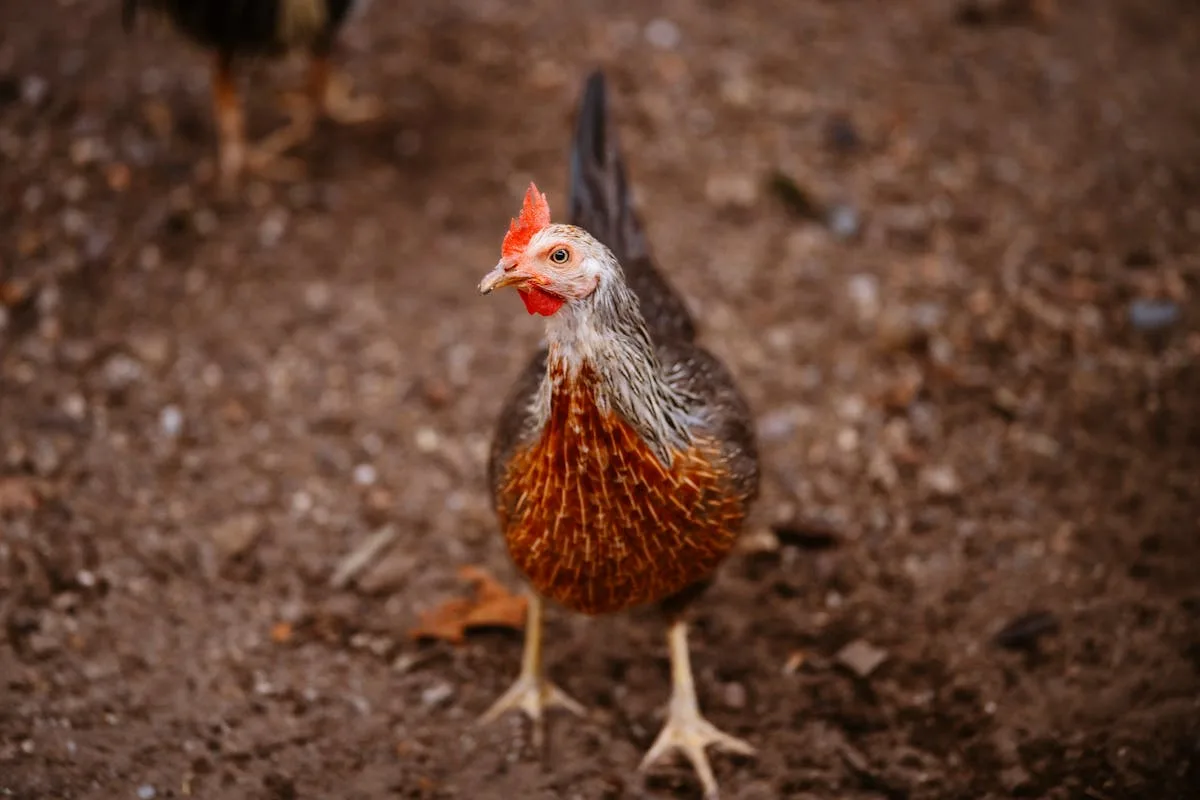
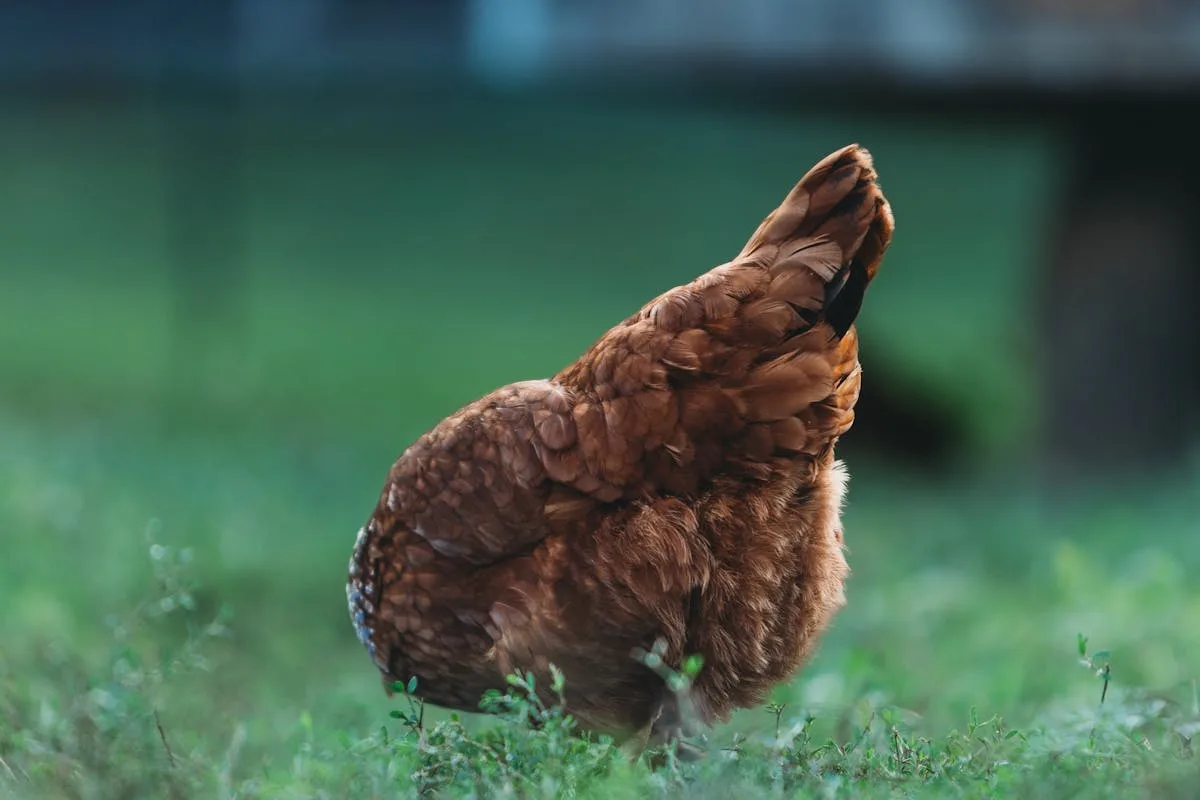
Hens have a soft brown body with darker brown and black stippling across their feathers. Their breast is a warm reddish-brown, and the overall look is earthy and understated. They've got a single red comb, reddish-brown eyes, and yellow legs.
Roosters are absolute showstoppers. They've got a deep reddish-brown chest, iridescent greenish-black tail feathers, golden hackle and saddle feathers, and a proud upright stance. Welsummer roosters are widely considered one of the most handsome chicken breeds, and they're the classic image most people picture when they think "rooster."
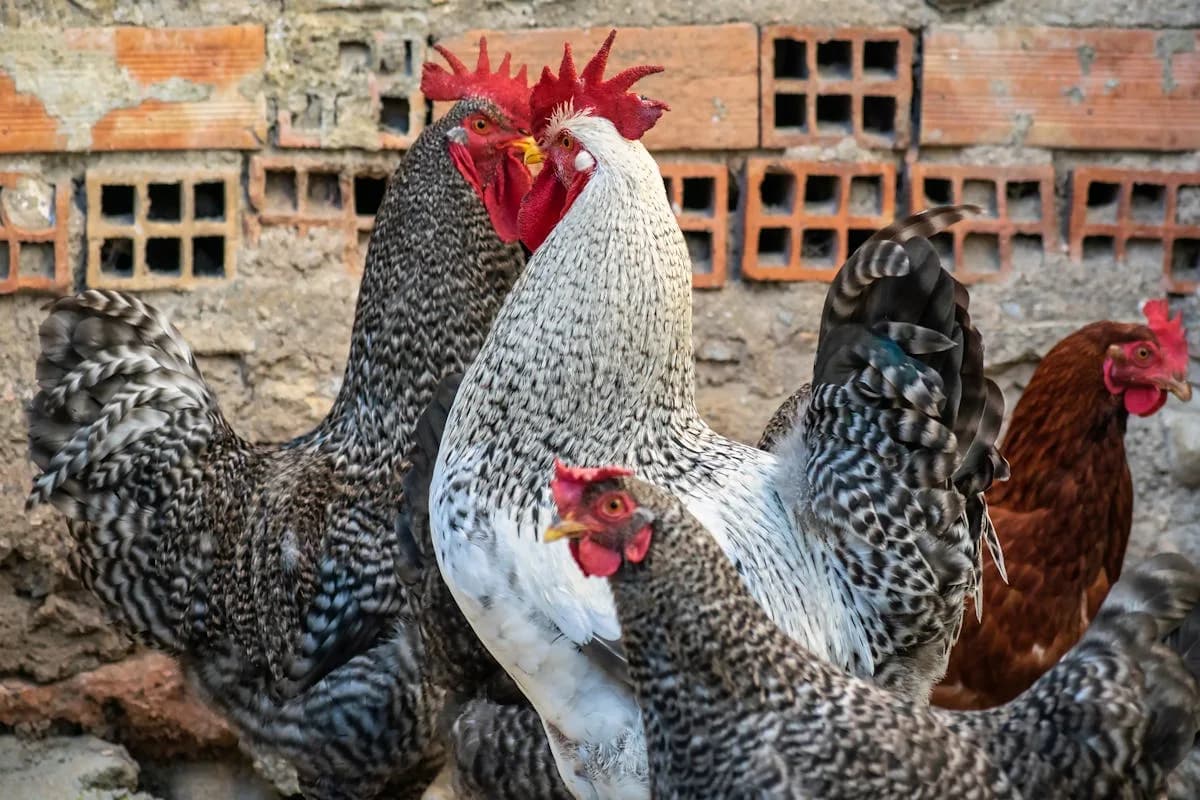
Both sexes are medium-sized birds. Roosters typically weigh 6-7 lbs and hens come in around 5-6 lbs. They've got a clean, athletic build, which makes sense given how much they love to forage.
The most recognized variety is the standard partridge pattern, but silver duckwing and gold duckwing varieties also exist. In the United States, the partridge pattern is by far the most common.
Welsummer Egg Color and Production
Here's where Welsummers really shine. Their eggs are a deep terra cotta brown, often covered with darker speckles and spots. Some eggs look almost painted. The color comes from a pigment called protoporphyrin that's applied to the shell in the final stage of egg formation. You can actually rub the speckles off a freshly laid Welsummer egg if you try hard enough, since the pigment sits on the surface.
A few things to know about Welsummer egg color:
- •Egg color fades through the laying cycle. The darkest eggs come at the start of a laying cycle, right after a break or molt. As the hen lays more eggs, the color gradually lightens because her pigment supply depletes. After a rest period, the dark color returns.
- •Not every egg will be heavily speckled. Some Welsummers lay consistently speckled eggs, while others produce eggs that are more uniformly brown. It varies by individual bird and breeding line.
- •Young hens lay the darkest eggs. First-year layers typically produce the richest color. Production and color both decrease gradually as the hen ages.
Welsummers produce about 150-200 large eggs per year, which works out to roughly 4 eggs per week. They start laying around 5-6 months old. They aren't the most prolific layers compared to breeds like Leghorns or Australorps, but few breeds can match their egg aesthetics.
One important trait: Welsummers rarely go broody. That's great if you want consistent egg production without interruptions, but it means you'll need an incubator or a broody hen from another breed if you want to hatch Welsummer chicks. Check out our incubator guide if you're thinking about hatching.
Auto-Sexing: Telling Males from Females at Hatch
Welsummers are one of the breeds that can be sex-linked at hatching, which is a huge advantage. Here's how to tell them apart as day-old chicks:
Female chicks have a distinctive dark "eyeliner" marking around their eyes, a clear dark triangle or V-shape on their head, and well-defined dark stripes on their back.
Male chicks have a more washed-out appearance overall. Their head markings are less defined, the back stripes are fuzzier and less distinct, and they lack that sharp eyeliner marking.
This isn't 100% accurate with hatchery stock (crossbreeding can muddy the markings), but with well-bred Welsummers from a reputable breeder, experienced chicken keepers can sex chicks with about 90% accuracy at hatching. That's a real advantage if you're in an area where roosters aren't allowed or if you simply don't want to deal with rehoming surprise cockerels.
Welsummer Chicken Temperament
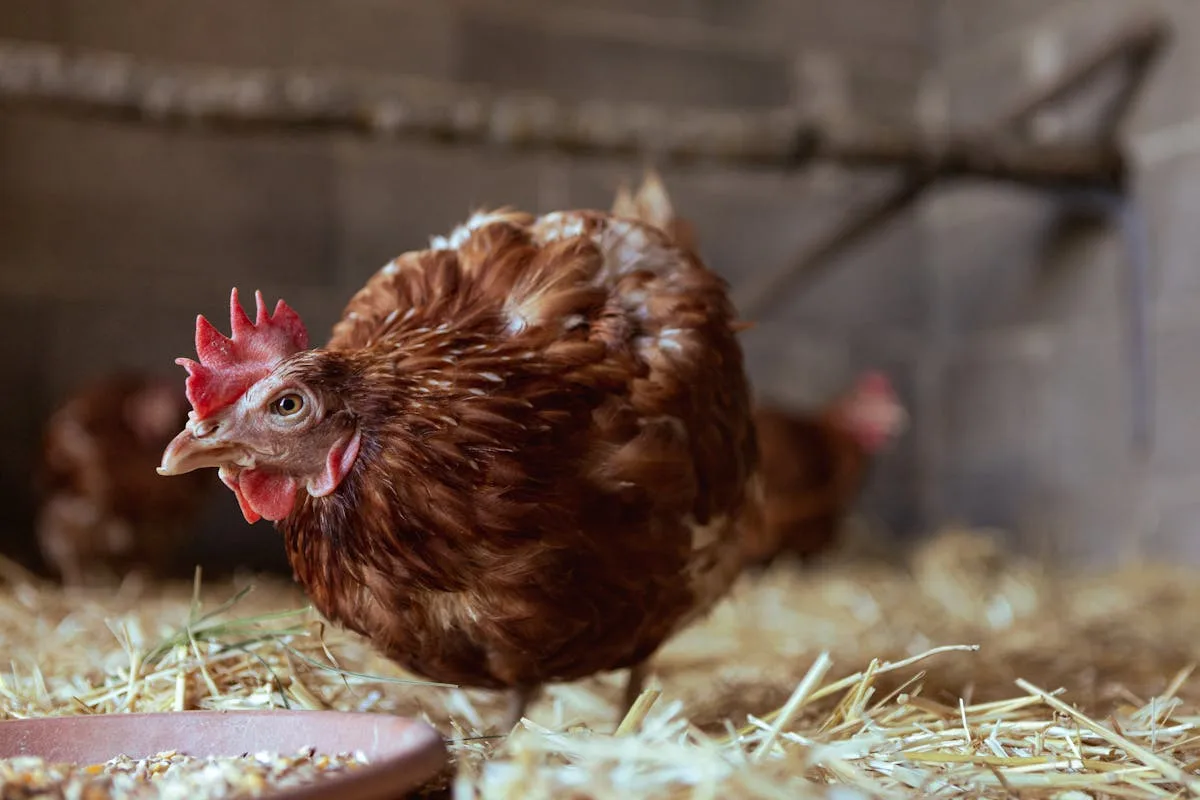
Welsummers tend to be friendly, curious, and active birds. They're not the cuddliest breed (that title goes to Buff Orpingtons or Cochins), but they're generally docile and won't run from you once they're used to your presence.
Here's what to expect personality-wise:
- •Excellent foragers. Welsummers love to roam and will spend hours scratching, hunting bugs, and exploring. They're one of the best foraging breeds, which can reduce your feed costs if you let them free range.
- •Vocal birds. Welsummer hens aren't quiet. They'll announce their eggs loudly, chat with each other throughout the day, and let you know if something's wrong. If you have close neighbors, keep this in mind.
- •Intelligent and alert. They tend to be very aware of their surroundings and are often the first birds to spot a hawk or other predator. This alertness is great for free-range flocks.
- •Not aggressive. Welsummer hens are generally peaceful with other breeds. Roosters can be protective but aren't typically human-aggressive.
- •Tolerates confinement, prefers space. They'll survive in a run, but they're noticeably happier with room to roam. If you keep them confined, make sure the run is large enough to prevent boredom.
Are Welsummers Good for Beginners?
Yes, Welsummers are a solid beginner breed. They're hardy, they don't have any special care requirements, and they produce well. Here's why they work for newcomers:
- •They're cold-hardy and do well in most climates
- •They rarely go broody, so you get consistent eggs
- •The auto-sexing trait means fewer surprise roosters
- •They're healthy and not prone to many breed-specific issues
- •They forage well, which makes management easier
The only minor drawback for beginners is their vocal nature. If you're in a suburban setting where noise matters, Welsummers might attract more attention than quieter breeds like Plymouth Rocks or Australorps. Check your local chicken-keeping laws before adding them to a suburban flock.
Housing and Care Requirements
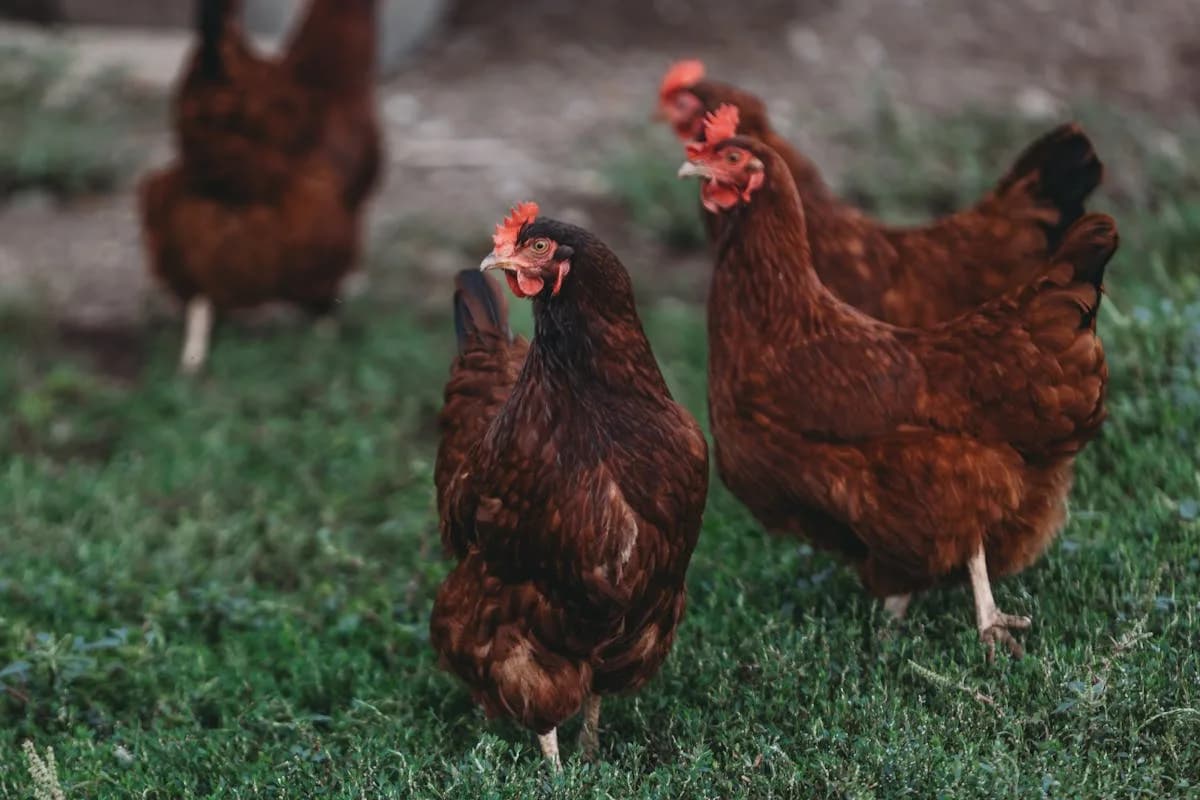
Welsummers don't need anything fancy, but there are a few things to keep in mind:
Coop Space
Give each Welsummer at least 4 square feet of indoor coop space and 8-10 square feet of outdoor run space. They're medium-sized birds, so standard coop dimensions work fine. If you're building from scratch, check out our coop building guide for plans and materials.
Roosting
Welsummers prefer to roost high. Provide roosts at least 2-3 feet off the ground with 8-10 inches of roosting space per bird. They aren't heavy flyers, but they can get up to a moderate perch without trouble.
Feeding
Standard layer feed (16% protein) works great for Welsummers. Supplement with oyster shell for calcium, especially since they produce those thick, heavily pigmented shells. A little extra calcium supports both shell strength and color. Free-ranging birds will supplement their own diet with bugs, seeds, and greens. See our complete feeding guide for more detail.
Climate Considerations
Welsummers handle cold weather well thanks to their single comb and dense feathering. They aren't as cold-hardy as Brahmas or Orpingtons, but they do fine in most northern climates with a draft-free coop.
In hot weather, they need shade and plenty of fresh water. Their dark feathering absorbs heat, so watch for signs of heat stress when temperatures climb above 90°F. Our summer care guide covers heat management in detail.
Egg Collection
Collect Welsummer eggs promptly. The pigment on their shells can smear or fade if eggs sit in damp nest boxes. Use clean, dry bedding like pine shavings and collect daily for the prettiest eggs.
Health Issues to Watch For
Welsummers are generally healthy birds without many breed-specific problems. Here's what to keep on your radar:
- •External parasites. Like all chickens, they can pick up mites and lice, especially if they're free ranging near wild bird populations. Check under their wings and around their vents regularly.
- •Internal parasites. Active foragers pick up more worms than confined birds. A fecal test once or twice a year can catch issues early.
- •Frostbite on combs. Their single comb is more vulnerable to frostbite than rose or pea combs. In cold climates, apply a thin layer of petroleum jelly to combs during bitter cold snaps.
- •Egg color fading. This isn't really a health issue, but flock keepers sometimes worry when their Welsummer eggs suddenly get lighter. It's a normal part of the laying cycle, not a sign of illness.
For a deeper dive on sick chicken symptoms, check our full troubleshooting guide.
Welsummers vs Marans: What's the Difference?
These two breeds get compared constantly because they both lay dark eggs. Here's how they stack up:
| Trait | Welsummer | Marans |
|---|---|---|
| Egg Color | Terra cotta brown with speckles | Deep chocolate brown, usually unspeckled |
| Eggs/Year | 150-200 | 150-200 |
| Size | 5-7 lbs | 6.5-8 lbs |
| Temperament | Active, vocal, great forager | Calmer, quieter, more laid-back |
| Broodiness | Rarely broody | Occasionally broody |
| Auto-Sexing | Yes (at hatch) | No |
| Feathered Legs | No | Yes (French standard) |
If you want the darkest possible eggs, Marans win. If you want gorgeous speckled eggs and an active foraging bird you can sex at hatching, Welsummers are the better pick. Many flock keepers add both for an striking egg basket.
Looking for the right coop? Whatever breed you settle on, the coop you put them in matters as much as the bird itself. Our best chicken coops on Amazon roundup covers current top picks across flock sizes and price ranges, from under-$100 starter coops to walk-in models for larger flocks.
Frequently Asked Questions
What color eggs do Welsummer chickens lay?
Welsummers lay large, dark terra cotta brown eggs that are often covered in darker brown speckles. The color comes from a surface pigment applied late in shell formation, and it's darkest at the beginning of each laying cycle. Color gradually lightens as the hen lays more eggs, then returns after a break or molt.
Are Welsummer chickens friendly?
Welsummers are generally friendly and curious, though they're more independent than lap-chicken breeds like Buff Orpingtons. They'll come to you for treats and tolerate handling, but they'd usually rather be out foraging than sitting on your lap. They aren't aggressive toward people or other chickens.
How can you tell Welsummer chicks apart by gender?
Welsummer chicks can be sex-linked at hatching. Female chicks show dark, well-defined "eyeliner" markings around their eyes and clear dark stripes on their backs. Male chicks have fuzzier, less distinct markings overall. This works best with well-bred stock from reputable breeders; hatchery birds can be less reliable.
Do Welsummer chickens go broody?
Welsummers rarely go broody, which is great for consistent egg production. If you want to hatch Welsummer eggs, you'll need either an incubator or a broody hen from another breed (Cochins and Silkies are popular choices) to sit on the eggs for the 21-day incubation period.
How many eggs do Welsummers lay per week?
A healthy Welsummer hen in her prime lays about 4 eggs per week, or 150-200 per year. Production starts around 5-6 months of age and peaks during the first two years. Like most breeds, they slow down during winter months and as they age past 3 years old.
Ready to add Welsummers to your flock? If you're just getting started, our beginner's guide to raising backyard chickens covers everything you need to know about setting up your first coop and bringing home your birds.
Sources:
- •Livestock Conservancy. Welsummer breed page. https://livestockconservancy.org/heritage-breeds/heritage-breeds-list/welsummer-chicken/
- •The American Poultry Association. Standard of Perfection (reference). http://www.amerpoultryassn.com/
- •University of Kentucky Cooperative Extension. Small Flock Poultry resources. https://poultry.extension.org/
- •The Livestock Conservancy. Heritage breed conservation. https://livestockconservancy.org/
Related Guides
Araucana Chicken Breed Guide: Blue Eggs, Tufts, Care
Araucana chicken breed guide: rumpless bodies, ear tufts, true blue eggs, the lethal tuft gene, care, and how they differ from Ameraucanas.
BreedsChocolate Orpington Breed Guide: Genetics, Eggs, Care
Chocolate Orpingtons explained: the sex-linked chocolate gene, why hens show it and roosters carry it, 120 to 150 tinted eggs a year, care, and where to buy.
BreedsLavender Orpington Breed Guide: Eggs, Color, Care
Lavender Orpingtons are calm, cold-hardy hens that breed true to color and lay 150-250 brown eggs a year. Full guide to looks, eggs, care, and cost.
BreedsNaked Neck Chicken (Turken) Breed Guide: Eggs & Care
Naked Neck chickens, or Turkens, are hardy dual-purpose birds with bare necks. Full breed guide: eggs, temperament, heat tolerance, size, and care.