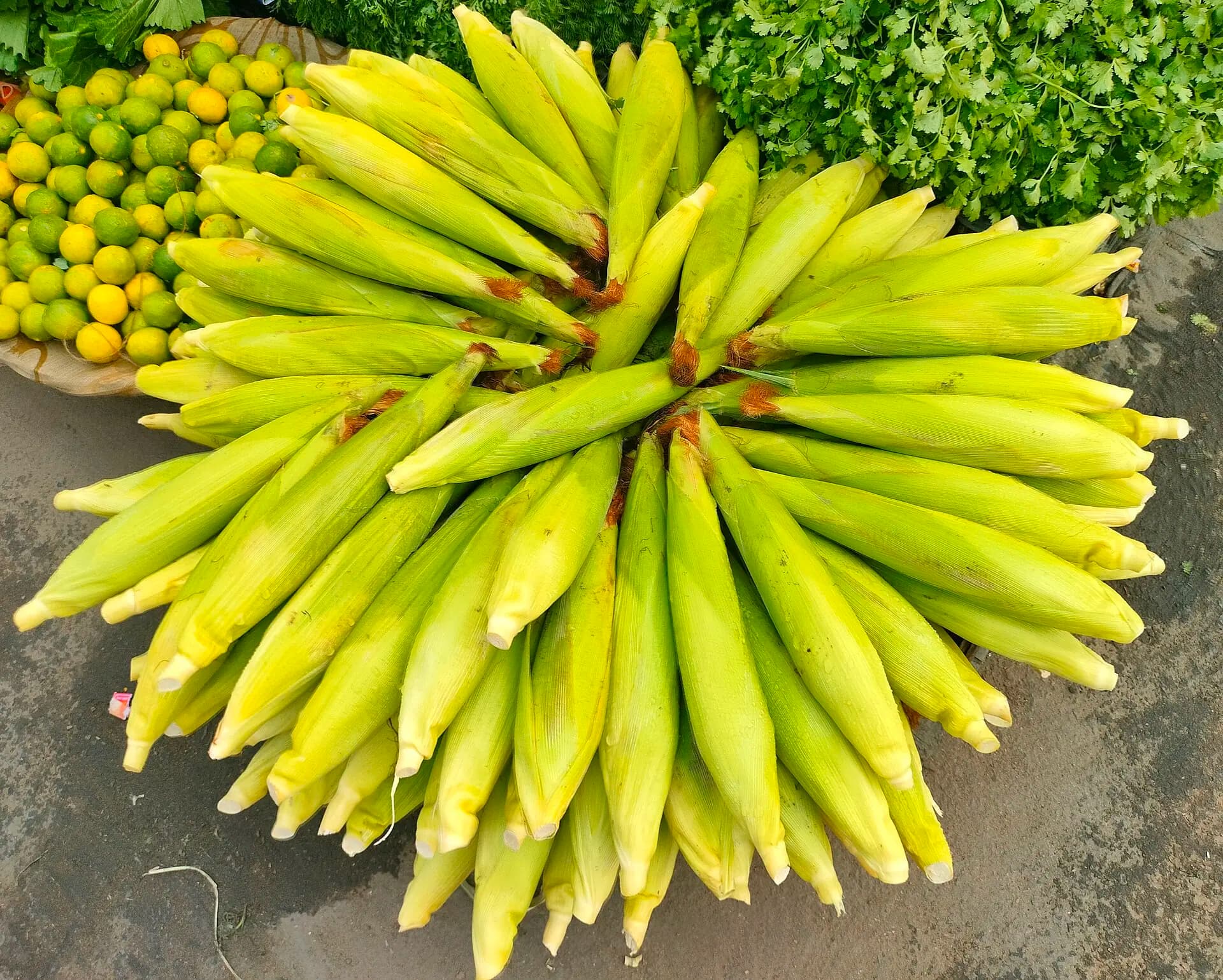
Can Chickens Eat Corn? Cob, Cracked, and the Myth
Chickens can eat corn: on the cob, cracked, sweet, or dried. The truth about the winter-warmth myth, why moldy corn is the real danger, and how much.
Researched from university extension, USDA, and veterinary sources. How we research.
Yes, chickens can eat corn, and they love it. Corn is not some iffy scrap you feed with a raised eyebrow; it is the base grain in nearly every bag of chicken feed on the shelf, which means your flock already eats it at most meals. Sweet corn off the cob, cracked corn, whole dried kernels, a leftover corn cob from dinner: all of it is safe, and hens will mob you for it.
The real questions about corn are not about safety. They are about how much, which form, and whether the old advice you keep hearing holds up. Does corn keep chickens warm in winter? Does it make them fat? Is scratch grain a feed or a treat? This guide works through the forms of corn, the one myth worth untangling, the genuine danger that has nothing to do with the corn itself, and how much a flock should get.
Is Corn Safe for Chickens?
Yes, in every ordinary form. Corn carries none of the toxins that put a few foods on the never-feed list, like the persin in avocado, the solanine in raw green potato, or the salt in a bag of chips. There is nothing in plain corn a chicken cannot handle, and poultry have been raised on it for as long as people have kept poultry.
In fact, corn is the single biggest ingredient in most commercial poultry rations, often half the bag or more, because it is the cheapest dense source of energy a bird can eat. So the question is never really "is corn safe." Your hens eat ground corn every day in their layer feed. The question is what happens when you add more of it on top, in the form of sweet corn, scratch, or a cob tossed over the fence, and that is where the useful answers are.
What Is in Corn
Corn is an energy food. It is high in starch, which is exactly why it is the backbone of poultry feed, but it is thin on the two things a laying hen leans on hardest: protein and calcium.
Sweet corn, the kind you eat off the cob in summer, is mostly water. USDA figures put 100 grams of raw sweet corn at about 86 calories, roughly 76 percent water, around 19 grams of carbohydrate with about 6 grams of that as sugar, about 3 grams of protein, and 2 grams of fiber. Dried field corn, the kind in cracked corn and scratch, has the water cooked out, so the same weight packs far more starch and calories and runs around 8 to 9 percent protein.
Either way, the pattern is the same. Corn brings energy and very little else:
- •It is high in carbohydrate and calories. That is useful fuel, especially in cold weather, and a problem when a flock gets too much and too little of anything else.
- •It is low in protein, and short on lysine. Corn protein is not only scarce, it is missing enough of an amino acid called lysine that hens need to lay well. Commercial feed fixes this by blending corn with soybean meal and other proteins. A pile of straight corn does not.
- •It has almost no calcium. A laying hen pulls a lot of calcium out of her diet to build shells. Corn gives her none, which is one more reason it rounds out a diet rather than running one.
- •Yellow corn deepens yolk color. Yellow corn carries pigments called xanthophylls that a hen deposits into her yolks, nudging them a richer orange. White corn does not have them, so a flock fed mostly white corn or wheat often lays paler yolks.
That last point aside, the whole frame for corn is the frame for any treat: good energy in the right amount, a problem when it crowds out the balanced feed that actually carries the protein and minerals.
Can Chickens Eat Corn on the Cob?
Yes, and a corn cob is one of the easiest treats you can hand a flock. You do not have to cut the kernels off. Set a cob of sweet corn in the run, raw or cooked and cooled, and the hens will peck it clean down to the woody core over an hour or two. A cob works like a built-in boredom buster: the birds have to work at it, which is exactly what you want from a treat.
A few small notes. Chickens eat the kernels, not the cob itself; the bare core is too hard and woody to bother with, and you just toss it afterward. Leftover cooked corn on the cob from a cookout is fine as long as it is plain, with no butter, salt, or heavy seasoning baked on. The corn husks and silk are safe too. Hens will shred and peck at the green husks, though they are stringy and not worth much, so most flocks nibble them and move on.
Keep grit available, as you would with any whole food. A hen has no teeth; she swallows kernels whole and grinds them in her gizzard with the grit she has picked up. Our grit and oyster shell guide covers why grit matters for anything beyond crumble or pellets.
Cracked Corn and Scratch Grain
This is the form most keepers mean when they ask about feeding corn, and it is the one most worth getting right.
Cracked corn is just dried corn kernels broken into smaller pieces so birds can eat them easily. Scratch grain is a mix built around cracked corn, usually with wheat, milo, oats, or sunflower seeds added. Both are sold as poultry food, both sit near the feed, and both get fed as if they were feed. They are not.
Scratch and cracked corn are treats, closer to candy than to a meal. Scratch runs around 8 or 9 percent protein against the 16 to 18 percent a layer feed carries, and it has little of the calcium, vitamins, and balanced amino acids hens depend on. A flock that fills up on scratch eats less of its real ration, takes in less protein and calcium, and over a few weeks that shows up as thinner shells, fewer eggs, and softer droppings. The grain is not harmful. Living on it is.
The time-honored way to use it is a scattered handful in the late afternoon. Toss it across the run or into deep litter and the flock scratches and forages for it, which is where the name comes from. It gives them something to do, it draws them back toward the coop at dusk, and in the amount they will clean up in a few minutes it does no harm. Treat it as the afternoon snack, not the dinner. Our guide to the best treats for chickens puts scratch in context with the rest of what a flock can safely be offered.
Does Corn Keep Chickens Warm in Winter?
This is the claim you hear every fall: feed cracked corn in winter because it keeps the flock warm. It is half right, and the half that is wrong leads people to overdo it.
Here is the honest version. Corn does not have a special heating power, and eating a kernel does not raise a bird's temperature the way a space heater would. What is true is that digestion itself produces heat. A hen burns energy breaking food down, and whole grains like corn digest slowly, so a cropful of scratch eaten right before roost keeps the gut working, and gently generating body heat, through part of the cold night. That is the grain of truth behind the old advice.
So a modest handful of scratch or cracked corn in the late afternoon is a reasonable winter habit. It tops off the crop before a long cold night and gives slow-burning fuel. What it is not is a substitute for the things that actually keep a flock warm: a dry, draft-free coop, good feather condition, and plenty of their normal feed, which hens eat more of in the cold because they are burning more energy. Pile on too much corn chasing warmth and you just dilute the protein and calcium in their diet at the exact season their bodies are working hardest. Keep the evening scratch small, keep the layer feed in front of them all day, and let the coop do the real work. Our winter chicken care guide and fall chicken care guide cover keeping a flock healthy through the cold months.
Does Too Much Corn Make Chickens Fat?
It can, and this is the flip side of the energy corn brings. Corn is dense, tasty, and low in protein, so a flock given free access to it will happily overeat and under-nourish itself at the same time.
Hens that put on too much fat lay worse, and over time can develop fatty liver problems. You also see the quieter version of the problem long before a bird looks fat: a flock that snacks heavily on corn eats less balanced feed, so shells thin and the egg basket lightens even though the birds seem perfectly content. This is not a reason to fear corn. It is a reason to keep it in the treat category instead of the feed category. A handful or two a day for a small flock does nothing but good. A bucket of it poured out every morning in place of their feed is how you end up with fat, poorly laying hens.
Sweet Corn, Canned, and Creamed Corn
Fresh sweet corn, raw or plain cooked, is a fine treat and the one most flocks see in summer and early fall. Off the cob or on it, kernels, it is all good as long as nothing has been added.
The added part is where you have to read the label or think about the plate:
- •Canned corn is usually packed with salt, and salt is on every extension list of things to limit for chickens. A little drained, rinsed plain canned corn now and then will not hurt, but it is not a treat to lean on. Rinse it first and keep it occasional.
- •Creamed corn is out. It carries added sugar, salt, and dairy, none of which belong in a chicken's diet. The same goes for corn casseroles, corn pudding, and anything buttered or heavily seasoned off your table.
- •Frozen corn thawed is fine, plain and in small amounts, and on a hot day a handful of frozen kernels doubles as a cool treat.
- •Cornbread and corn chips are human snacks, loaded with salt, fat, and sugar. A crumb is not going to poison a hen, but these are not a treat to feed on purpose.
Popped corn is its own question, because the popping changes things and the toppings matter even more. We cover that in full in can chickens eat popcorn: plain air-popped is a decent light treat, buttered and salted movie popcorn is not.
Moldy Corn Is the Real Danger
If there is one genuine hazard with corn, this is it, and it has nothing to do with the corn being corn. Corn stored damp or left out wet grows mold, and some of those molds produce toxins, called mycotoxins, that are genuinely dangerous to poultry. Aflatoxin, from a mold that grows on corn and grain, is the best known. It can suppress a bird's immune system, damage the liver, slow growth in young birds, and knock down egg production, and the toxin stays in the grain even after the visible mold is gone.
Young birds are hit hardest, but no bird should get moldy grain. The rule is simple and absolute: if corn or scratch smells musty, sour, or off, looks caked, fuzzy, or discolored, or has gotten wet and clumped, it goes in the trash, not the run. The same goes for a corn cob that has sat out in the rain and started to turn, or a pile of spilled scratch that has been rained on under the feeder.
Most mold problems come from storage, not from the feed store. Grain keeps best cool, dry, and sealed against both moisture and the rodents that foul it. A metal or heavy-duty airtight container beats the paper bag it came in, which wicks damp from a shed floor and invites mice. Our feed storage container guide walks through the options that keep corn and feed dry and mold-free between trips to the store.
How Much Corn Can Chickens Eat?
The standard treat rule covers corn cleanly: all treats together, corn included, should make up no more than about 10 percent of what a flock eats in a day, with the other 90 percent coming from a balanced feed that carries the protein and calcium hens actually need.
In practice that is a scattered handful or two of scratch for a small flock in the afternoon, or a cob or two of sweet corn set out for the birds to work on. You do not need to weigh it. Watch two things instead: the feed bin and the droppings. If the hens stop cleaning up their regular feed because they are holding out for corn, or if droppings turn loose and watery, you are overdoing the treats and should scale back. A flock laying well on bright, firm-shelled eggs, cleaning up its feed, and still mobbing you for the afternoon scratch has the balance about right.
The one habit to avoid is turning corn into the meal. Straight corn, fed as the main ration, is the classic way backyard flocks end up protein-starved and short on calcium, laying thin-shelled eggs or going off the lay entirely. Corn is the snack. The feed is the dinner.
Can Baby Chicks Eat Corn?
Go easy here. For the first several weeks a chick belongs on starter feed and little else, because starter is built for the fast early growth a chick is doing and carries the roughly 18 to 20 percent protein that growth demands. Cracked corn is low in protein and would dilute exactly what a chick needs most, so it is not a good early food.
After the first few weeks a few bits of soft corn, a little cooked sweet corn off the cob, or a small scatter of finely cracked corn make a fine occasional treat. Two rules apply. Keep it tiny, so treats never crowd out the starter doing the real work. And put chick grit in the brooder from the first day you offer anything other than feed, because a chick needs grit in its gizzard to grind whole foods like kernels. Whole dried kernels are too big for young chicks regardless; stick to soft or finely cracked corn until they are most of the way grown. Our brooder setup guide covers getting the early weeks right.
Corn vs Other Grain and Fall Treats
Corn sits in a crowd of grains and autumn treats a flock sees this time of year. Here is how it compares with a few others.
| Treat | Protein | Best use | Notes |
|---|---|---|---|
| Cracked corn / scratch | Low (~8 to 9%) | Afternoon scatter, winter evening | Energy, not nutrition; keep it a treat, not the meal |
| Sweet corn on the cob | Low | Boredom buster | Kernels, husk, and silk safe; skip butter and salt |
| Popcorn | Low | Light treat | Plain air-popped only; no butter, no salt |
| Pumpkin | Low | Fall boredom buster | Flesh, seeds, and guts all safe; feed fresh, not molded |
| Carrots | Low | Winter crunch | Grate or cook; chickens peck them slowly raw |
None of these replace feed. They round out the day, give the flock something to do, and in the amount hens will clean up in a few minutes they do no harm.
Common Mistakes
- •Feeding corn as the main ration. The big one. Straight corn is low in protein and calcium, and a flock living on it lays thin-shelled eggs or stops laying. Keep it to a tenth of the diet.
- •Overdoing scratch to "keep them warm." A small evening handful helps; a bucket a day just dilutes their feed in the season they need it most.
- •Feeding moldy or musty corn. The real danger. Mold toxins harm the liver and immune system. Smells off or looks fuzzy, it is trash.
- •Giving chicks cracked corn too early. Starter feed first. Corn is too low in protein and too big for young chicks.
- •Forgetting grit. Hens grind whole kernels with grit in the gizzard. Keep it available for any flock eating whole foods.
- •Feeding seasoned or creamed corn. Butter, salt, sugar, and dairy are the problem, not the corn. Plain only.
Frequently Asked Questions
Can chickens eat corn on the cob?
Yes. Set a cob of plain sweet corn in the run, raw or cooked and cooled, and the flock will peck the kernels clean off the woody core. The husks and silk are safe too. Skip anything buttered, salted, or heavily seasoned.
Is cracked corn good for chickens?
It is fine as a treat, not as a feed. Cracked corn is high in energy but low in protein and calcium, so it should make up no more than about 10 percent of the diet. A scattered afternoon handful is the classic way to use it.
Does corn keep chickens warm in winter?
Partly. Corn does not raise a bird's temperature directly, but digesting a cropful of grain overnight generates some body heat, so a small evening handful of scratch is a reasonable winter habit. It does not replace a dry, draft-free coop and full feed.
Can chickens eat canned or creamed corn?
Plain canned corn, drained and rinsed, in small occasional amounts, is okay despite the added salt. Creamed corn is not: it has added sugar, salt, and dairy that chickens should not have. Fresh or plain frozen corn is the better choice.
Can baby chicks eat corn?
Not in the first few weeks. Chicks need the high protein in starter feed for early growth, and cracked corn would dilute it. After a few weeks, a little soft or finely cracked corn is a fine treat, with chick grit available.
Will corn make my egg yolks more orange?
Yellow corn can. It carries pigments that hens deposit into yolks, deepening the color over time. White corn does not have them. It is one of several foods, along with greens and marigold, that nudge yolks oranger.
Can too much corn hurt my chickens?
Overfeeding corn makes hens fat and underfed at the same time, since it is dense in calories but low in protein and calcium. That shows up as thin shells, fewer eggs, and over time fatty liver problems. Keep it a treat and the flock is fine.
How much corn can I give my chickens?
Keep all treats, corn included, to about 10 percent of the daily diet. For a small flock that is a handful or two of scratch, or a cob or two of sweet corn. Scale back if they stop eating their feed or droppings turn watery.
Bottom Line
Corn is one of the most natural treats you can give a flock, which makes sense, because it is already the base of their feed. On the cob, cracked, sweet, or dried, all of it is safe, and a scattered handful of scratch or a tossed-out cob is cheap flock entertainment through fall and winter. Feed it as a treat, not a meal, keep it to about a tenth of the diet, and let a balanced layer feed carry the protein and calcium. The only real danger is moldy corn, so store it dry and sealed and throw out anything that smells off. For the full picture of what belongs in a flock's diet, see what can chickens eat and our complete feeding guide.
Image credit: Sweet corn photo by Papori Bora, CC BY-SA 4.0, via Wikimedia Commons.
Sources:
- •USDA FoodData Central. Corn, sweet, yellow, raw (water, sugar, protein, and calorie figures). https://fdc.nal.usda.gov/
- •Jacob, J. Feeding Chickens for Egg Production in Small and Backyard Flocks. Poultry Extension (grains as energy, treats, scratch, and the 90/10 balance). https://poultry.extension.org/articles/feeds-and-feeding/feeding-chickens/
- •Oregon State University Extension. PNW 477: How to Feed Your Laying Hens (scratch grains, supplemental calcium, and balanced rations). https://extension.oregonstate.edu/catalog/pub/pnw-477-how-feed-your-laying-hens
- •Merck Veterinary Manual. Mycotoxicoses in Poultry (aflatoxin and moldy grain). https://www.merckvetmanual.com/poultry/mycotoxicoses/mycotoxicoses-in-poultry
Related Guides
Can Chickens Eat Pumpkin? Seeds, Guts, and the Myth
Chickens can eat pumpkin, seeds and guts included. The truth about the pumpkin-seed dewormer claim, how to feed Halloween leftovers safely, and how much.
Feed & NutritionCan Chickens Eat Oranges? The Citrus Myth and Peels
Chickens can eat oranges. No extension source lists citrus as harmful, and the calcium myth has no evidence behind it. Peels, seeds, other citrus, and how much.
Feed & NutritionCan Chickens Eat Rice? Cooked, Raw, and the Swelling Myth
Chickens can eat rice, cooked or uncooked, and the myth that dry rice swells and hurts birds is false. What rice offers, brown vs white, and how much.
Feed & NutritionCan Chickens Eat Apples? Yes, But Core Them First
Chickens can eat apples, skin and all, but the seeds carry amygdalin, which releases cyanide. How much a hen would need to eat, how to feed apples, and cores.