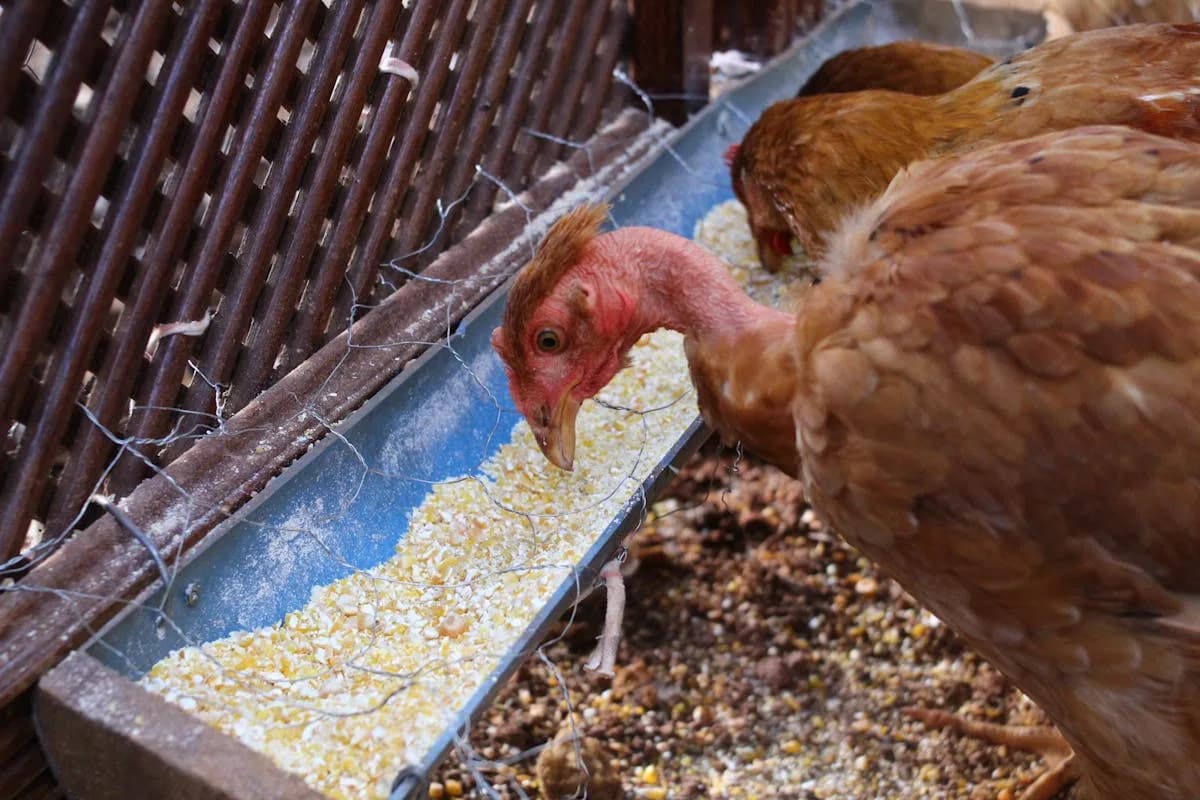
Best Feed Storage Containers for Chickens (2026)
Best feed storage containers to keep chicken feed dry, fresh, and safe from rats and mice. Airtight bins, galvanized cans, and rolling bins compared.
Researched from university extension, USDA, and veterinary sources. How we research.
A bag of feed left in its paper sack is a target. Rats chew through it in a night, humidity turns the bottom of the bag into a moldy brick, and the vitamins that make layer feed worth buying fade a little every week it sits open. A good storage container fixes all three problems at once, and it pays for itself the first time it saves you a ruined bag.
We keep chickens and we buy feed by the bag, so this list comes from what actually holds up in a garage and a shed, not a spec sheet. Here is what we would spend our own money on.
Our top pick: Gamma2 Vittles Vault Stackable 60 lb. Airtight, pest-resistant, and stackable so you can keep layer feed and scratch in separate towers. Around $75.
Best rodent-proof pick: Plexon 20-Gallon Galvanized Steel Can with Locking Lid. Metal a rat cannot chew, and a lid that stays on when a raccoon knocks it. Around $80.
Quick Answer: Best Feed Storage Containers
| Need | Pick | Price |
|---|---|---|
| Best overall | Gamma2 Vittles Vault 60 lb | ~$75 |
| Most rodent-proof | Plexon 20-Gal Galvanized, Locking Lid | ~$80 |
| Best on wheels | IRIS USA Airtight 54 lb w/ Wheels | ~$33 |
| Biggest capacity | Suncast 63-Gallon Resin Box | ~$150 |
| Budget metal can | KCHEX 20-Gallon Galvanized | ~$70 |
| Small spaces | IRIS USA Rolling 30 lb | ~$24 |
What You'll Learn
- •How We Picked
- •Why Feed Storage Matters More Than You Think
- •Types of Feed Storage Containers
- •Best Feed Storage Containers for Backyard Flocks
- •How Much Storage Do You Need?
- •What Good Feed Storage Costs
- •Common Feed Storage Mistakes
- •Frequently Asked Questions
How We Picked
We looked at three things, in this order. First, does it actually protect feed from the two things that ruin it: rodents and moisture. A container that a rat can chew or that sweats on the inside is not storage, it is a slower way to lose a bag. Second, is it easy to live with day to day, because a lid you have to wrestle with at 6 a.m. gets left off, and a left-off lid defeats the whole point. Third, value at each price tier, so there is a real answer whether you have $25 or $150 to spend.
Every product below is a real item we confirmed is currently listed and in stock before writing about it. Prices in the text are approximate because they move around; the live "Check Price" button on each pick carries the current number. Where a container we used to point to went out of stock, we swapped in the closest equivalent and said so.
Affiliate Disclosure: This article contains affiliate links to Amazon. If you buy something through these links, we earn a small commission at no extra cost to you. We only recommend products we genuinely think are worth your money. Full disclosure.
Why Feed Storage Matters More Than You Think
Feed is the biggest running cost of keeping chickens, and how you store it decides how much of that money you actually get to your birds. Three things go wrong when feed sits in the bag it came in.
Rodents. A paper feed sack is no barrier at all. Rats and mice smell grain from outside the shed, chew in overnight, and then they stay because you have handed them a free buffet. Beyond the feed they steal, they leave droppings that spread salmonella through everything they touch, and they draw snakes and other predators toward your coop. A sealed container is the single most effective step in our guide to stopping rats and mice eating chicken feed, and it is the cheapest one too.
Moisture and mold. Feed that gets damp grows mold, and some molds produce aflatoxins that are genuinely dangerous to chickens even in small amounts. A bag on a concrete floor wicks up moisture from below, and an open bag in a humid shed does it from the air. Damp feed clumps, sours, and gets refused by the flock. An airtight or tight-lidded container keeps the moisture out and the feed loose and dry.
Lost freshness. Feed is not shelf-stable forever. The vitamins that make a complete layer ration worth buying start to break down after milling, and most feed mills recommend using a bag within about three months. Heat and air speed that up. Storing feed cool, dark, and sealed slows it down, so the last scoop in the bag is nearly as good as the first.
Get storage right and a $20 bag lasts its full life and every ounce reaches a hen. Get it wrong and you are buying feed for rodents and throwing away spoiled clumps. For the bigger picture on what to put in the container in the first place, see our complete chicken feeding guide.
Types of Feed Storage Containers
There is no single best design, only the best fit for your setup. Here are the four you will actually shop for.
Airtight plastic vaults like the Vittles Vault and IRIS lines use a gasketed, screw-down or snap-latch lid to seal feed away from air and moisture. They are the best at keeping feed fresh, they do not rust, and pests cannot smell through a good seal. Hard HDPE resists chewing far better than a thin storage tote, though a determined rat can eventually gnaw plastic, so these are happiest indoors or in a rodent-controlled shed.
Galvanized metal cans are the classic answer, and for good reason. A rat cannot chew through steel, the metal will not leach anything into the feed, and a good one lasts a decade outdoors. The weak point is the lid: a plain tapered lid can be knocked off by a raccoon or a falling branch, so look for a locking or clamping lid if you have larger pests. Metal can also sweat if you move it between big temperature swings, so keep it in a stable, dry spot.
Rolling containers are airtight plastic bins on wheels. If your feed lives in the garage but your coop is across the yard, being able to roll a full 50-pound container instead of hauling scoops back and forth is worth a lot. They trade a little capacity for that convenience.
Large resin bins and deck boxes hold the most and often double as a bench or a catch-all for supplies. On their own they are weather protection, not rodent-proofing, so they work best in a garage or when you keep the feed inside its bag or a liner within the box. For a keeper with a big flock and several bags plus bedding and grit to store, one large bin can replace three cans.
Most keepers land on a simple combo: one airtight vault or metal can for the bag in current use, and a bigger bin for backups. If you are still sorting out feeders themselves, our best feeders and waterers roundup covers the delivery side of the same problem.
Best Feed Storage Containers for Backyard Flocks
At a Glance
| Container | Type | Capacity | Rodent-proof | Price | Best For |
|---|---|---|---|---|---|
| Gamma2 Vittles Vault | Airtight plastic | Up to 60 lb | Strong | ~$75 | Best overall |
| Plexon Galvanized | Metal, locking lid | ~50 lb / 20 gal | Excellent | ~$80 | Rodent-proof |
| IRIS USA 54 lb | Airtight, wheels | Up to 54 lb | Good | ~$33 | On wheels |
| Suncast Deck Box | Resin bin | 63 gallon | Moderate | ~$150 | Biggest capacity |
| KCHEX Galvanized | Metal, tight lid | ~50 lb / 20 gal | Excellent | ~$70 | Budget metal |
| IRIS USA 30 lb | Airtight, rolling | Up to 30 lb | Good | ~$24 | Small spaces |
1. Gamma2 Vittles Vault Stackable 60 lb: Best Overall
Gamma2 Vittles Vault Stackable 60 lb. Around $75
This is the container that comes up over and over in chicken-keeping circles, and it earns the spot. The lid screws down onto a double gasket to make a real airtight seal, so feed stays dry and fresh and pests cannot smell what is inside. The food-grade HDPE is thick and hard, a different animal from a flimsy tote, and it will not rust in a damp shed.
Why it works: The seal is the whole story. Airtight means no moisture creeping in, no feed odor leaking out to advertise the buffet, and vitamins that last closer to their full life. The 60-pound size swallows a full bag with room to spare, and because this model stacks, you can run a tower of two: layer feed on the bottom, scratch or chick feed on top, in the same footprint.
One thing to know: The screw-on lid takes a half turn to open and close, which is a second slower than a snap latch. That is a fair trade for the seal, but if you scoop feed a dozen times a day you may prefer the latch-style IRIS below. Keep it indoors or in a controlled shed; hard plastic slows a rat down but does not stop a determined one the way steel does.
2. Plexon 20-Gallon Galvanized Steel Can with Locking Lid: Most Rodent-Proof
Plexon 20-Gallon Galvanized Steel Can with Locking Lid. Around $80
If rats or raccoons are already a problem, buy metal. This 20-gallon galvanized can holds a 40 to 50 pound bag, and steel is the one material rodents cannot chew through. The feature that sets it apart from a plain trash can is the locking lid, which clamps down and stays put even if a raccoon leans on it or the can tips over. It is made in the USA and built to sit outside for years.
Why it works: A rat problem is a materials problem, and steel wins it outright. The locking lid closes the gap that plain tapered lids leave, where a clever animal simply noses the top off. Galvanized steel also will not absorb feed odors or leach anything into the ration, and it shrugs off weather that would crack a resin bin.
One thing to know: Metal can sweat with big temperature swings, so set it on a pallet or a couple of bricks to keep the base off a cold concrete floor and let air move underneath. It is not airtight, so for maximum freshness in a humid climate, keep the feed in its bag inside the can. A 20-gallon can handles one bag at a time comfortably.
3. IRIS USA Airtight Pet Food Container with Wheels (54 lb): Best on Wheels
IRIS USA Airtight Container with Wheels, 54 lb. Around $33
When your feed is stored in one place and used in another, wheels change the chore. This IRIS bin holds up to 54 pounds, seals with snap-lock latches and a gasket, and rolls on casters so a full container moves with one hand instead of a two-trip haul. At around $33 it is the value pick on this list, and it is made in the USA.
Why it works: The snap latches are quick, which matters because a lid that is fast to open is a lid that actually gets closed again. The airtight seal keeps feed fresh and blocks odor, and the wheels mean you can keep the bin in the garage and roll it to the coop on feeding day. The translucent body lets you eyeball how much feed is left without opening it.
One thing to know: Plastic on wheels is not the pick for an active rodent war; if rats are chewing at things, step up to one of the metal cans. Treat this as a fresh-and-convenient container for a rodent-controlled space. The casters pop off if you would rather set it on a shelf.
4. Suncast 63-Gallon Resin Deck Box: Biggest Capacity
Suncast 63-Gallon Resin Deck Box. Around $150
For a bigger flock, or for the keeper who wants to buy feed in bulk and store bedding and grit alongside it, one large bin beats a row of cans. This 63-gallon resin box holds several bags, resists rust and fading, sheds rain off its hinged lid, and doubles as a bench you can actually sit on to pull your boots off. It is the most expensive pick here, and the most versatile.
Why it works: Capacity and flexibility. You can drop two or three bagged sacks of feed inside, add a bag of bedding, and still close the lid. The resin will not rust like metal or crack in the cold like a cheap tote, and the size makes it a single tidy home for everything that used to clutter the shed floor.
One thing to know: A deck box is weather protection, not a rodent barrier. On its own, a rat can chew resin. Use it in a garage or shed, keep the feed inside its bags or a metal liner within the box, and it works beautifully. If your storage spot is exposed and pest-heavy, a metal can protects the actual feed better.
5. KCHEX 20-Gallon Galvanized Steel Trash Can: Best Budget Metal
KCHEX Pre-Galvanized Steel Trash Can, 20 Gallon. Around $70
If you want the rodent-proofing of steel without the locking-lid premium, this is the no-frills version. Pre-galvanized steel, a 20-gallon body that takes a full bag, side handles, and a plain tight-fitting lid. For a keeper whose only pest is the occasional mouse rather than raccoons, the standard lid does the job for less.
Why it works: It is metal, so mice and rats cannot chew in, and it will not rust out for years. The wider mouth of a trash-can shape makes scooping easy, and the side handles make it simple to drag out and empty for a cleaning. Simple, durable, and cheaper than the locking model.
One thing to know: A plain tapered lid can be nosed off by a raccoon or knocked loose if the can tips, so if you have larger pests, loop a bungee cord over the lid or spend up for the Plexon locking model above. Keep it off a bare concrete floor to avoid sweating, same as any metal can.
6. IRIS USA Airtight Rolling Container (30 lb): Best for Small Spaces
IRIS USA Airtight Rolling Container, 30 lb. Around $24
Not everyone has room for a 60-pound tower. For a small flock, an apartment-style garage corner, or a second container just for treats and scratch, this compact rolling bin holds up to 30 pounds, seals airtight, and tucks into a tight footprint. At around $24 it is the easiest yes on the list.
Why it works: It does the important jobs, an airtight seal and easy mobility, in a size that fits where a big can will not. Handy as a dedicated bin for scratch grains or treats so you are not opening the main feed container every time you want to toss the flock a handful. The wheels make a full bin easy to slide out from under a bench.
One thing to know: Thirty pounds is a small flock or a partial bag, so it is a supplement to a main container rather than the whole system for most keepers. Like the other plastic bins, keep it in a rodent-controlled spot.
How Much Storage Do You Need?
Size your storage to how you buy feed, not to your flock. Most keepers buy in 40 or 50 pound bags, so the practical question is how many bags you want to keep sealed at once.
A laying hen eats roughly a quarter pound of feed a day, which works out to about 1.5 pounds a week. So a 50-pound bag feeds a flock of six hens for around five to six weeks. Here is a rough guide:
| Setup | Feed used | Storage to buy |
|---|---|---|
| 3 to 5 hens | ~1 bag every 2 months | One 30 to 50 lb container |
| 6 to 10 hens | ~1 bag a month | One 50 to 60 lb container |
| 10 to 20 hens | ~2 bags a month | Two large cans or one 60+ gal bin |
| Buying in bulk | Several bags at once | A large resin bin plus a working can |
A useful pattern is one "working" container you scoop from daily, sized to a single bag, plus a larger bin for backup bags if you buy ahead. Keep the containers where the feed stays cool and dark, a garage or shed rather than a sun-baked corner, since heat speeds up spoilage the same way summer heat stresses the flock. Our summer care guide covers the heat side of chicken keeping in more depth.
What Good Feed Storage Costs
You do not need to spend much to store feed right. Here is what a starter setup and an upgraded one look like.
| Item | Starter setup | Upgraded setup |
|---|---|---|
| Main container | IRIS 54 lb w/ wheels (~$33) | Vittles Vault 60 lb (~$75) |
| Rodent protection | Bungee over the lid ($5) | Plexon locking metal can (~$80) |
| Backup storage | Skip until needed | Suncast 63-gal bin (~$150) |
| Realistic total | ~$38 | ~$155 to $305 |
For most keepers, a single good container in the $30 to $80 range is the whole solution, and it pays for itself the first time it saves a bag from a rat or a rain leak. A ruined 50-pound bag is $20 to $30 gone, so even the pricier metal can breaks even within a season. Buy the container that matches your actual pest pressure: plastic and airtight if your storage spot is clean and dry, metal if rats have already found you.
Common Feed Storage Mistakes
Leaving feed in the paper bag. The bag is for transport, not storage. It stops nothing. Pour feed into a real container the day you bring it home, and keep the bag's tag or a note of the mill date so you know how fresh it is.
Storing feed inside the coop. An open feeder or a bag in the coop is an overnight invitation to rodents, right next to your sleeping birds. Keep bulk feed in a sealed container in a garage or shed, away from where the flock roosts.
Setting metal cans on bare concrete. A cold slab makes a metal can sweat on the inside, and that condensation is exactly the moisture you are trying to keep out. Set cans on a pallet, bricks, or a scrap of wood so air moves underneath.
Buying more feed than you can use in three months. Feed is not wine; it does not improve with age. Vitamins fade and fats can go rancid. Only stock up as far ahead as your flock will eat within roughly three months, and rotate oldest to newest.
Trusting a plain lid against raccoons. A tapered lid that just sits on top is no match for clever paws. Use a locking lid, or loop a bungee cord across a standard one. The same goes for spilled feed around the container: sweep it up, because a trail of grain undoes a sealed can. When the manure and bedding pile up from all this, a compost bin turns the cleanup into garden gold.
Frequently Asked Questions
What is the best container to store chicken feed in?
For most backyard keepers, an airtight plastic vault like the Gamma2 Vittles Vault is the best all-around choice: it seals feed from moisture and air, blocks pest odor, and stacks to save space. If rats or raccoons are an active problem, a galvanized steel can with a locking lid is more rodent-proof because steel cannot be chewed. Many keepers use one of each.
How do you keep chicken feed fresh?
Store it sealed, cool, and dark. Pour feed out of its paper bag into an airtight or tight-lidded container the day you buy it, keep that container out of direct sun and off a cold concrete floor, and use the bag within about three months of its mill date. Airtight storage slows the loss of vitamins and keeps fats from going rancid.
Do you need an airtight container for chicken feed?
Airtight is best but not strictly required. An airtight seal keeps moisture and pest odor out and holds freshness longest, which is why the plastic vaults seal that way. A tight-lidded galvanized metal can is not airtight but still keeps feed dry and rodent-proof, and many keepers use metal cans successfully for years. In a humid climate, lean airtight.
Will rats chew through a plastic feed container?
A determined rat can chew through most plastic eventually, including storage totes, though thick HDPE vaults slow them down a lot more than a thin bin or a paper bag. If you have an active rat problem, store feed in galvanized steel instead, since metal is the one material rodents cannot gnaw. Plastic containers are best in a clean, rodent-controlled garage or shed.
How much chicken feed does a 20-gallon can hold?
A 20-gallon galvanized can holds a full 40 to 50 pound bag of feed with room to spare. That is about a month of feed for a flock of eight to ten laying hens, or longer for a smaller flock. If you buy two bags at a time or keep more than a dozen birds, step up to a 30-gallon can or a large resin bin.
Can I store chicken feed in a metal trash can?
Yes, and it is one of the best options. A new galvanized steel trash can with a tight lid is rodent-proof, keeps feed dry, and lasts for years. Buy one that has not held trash or chemicals, set it off the ground to prevent sweating, and add a locking lid or a bungee cord if raccoons are around. Metal is the go-to when rats have found your feed.
Where should I keep my chicken feed container?
Keep it in a cool, dry, dark spot such as a garage or shed, not inside the coop where it draws rodents next to your birds, and not in direct sun where heat speeds spoilage. Set metal cans on a pallet or bricks so the base stays off cold concrete. The closer the storage is to your feeders, the easier the daily chore, which is where a container on wheels helps.
How long does chicken feed last in storage?
Sealed in an airtight container and kept cool and dry, feed stays good for about three months from its mill date. Vitamins begin degrading after milling and fats can turn rancid, so freshness matters more than most keepers think. Buy only what your flock will eat within that window, rotate oldest to newest, and toss any feed that smells sour or shows mold.
Getting your feed storage right is one of those small setup jobs that quietly saves money every single month. Once the storage is handled, make sure the delivery end is sorted too with our best feeders and waterers roundup, and if you are just getting started, our beginner's guide to raising backyard chickens walks through the rest of the setup.
Sources:
- •University of Kentucky, Poultry Extension. Feeding and management of small flocks. https://afs.ca.uky.edu/poultry
- •Mississippi State University Extension. Feeding chickens for egg production. http://extension.msstate.edu/publications
- •Merck Veterinary Manual. Nutrition and mycotoxins in poultry. https://www.merckvetmanual.com/poultry
- •USDA Food Safety and Inspection Service. Safe handling and storage of animal feed. https://www.usda.gov/
Related Guides
What Is a Chicken Tractor? Benefits, Plans & Uses
A chicken tractor is a floorless, movable coop that gives your flock fresh grass daily. Learn the benefits, sizing, DIY plans, and how to use one.
Gear ReviewsBest Compost Bin for Chicken Manure (And How to Compost It)
The best compost bins for chicken manure, from a $36 wire ring to dual-chamber tumblers, plus the temperatures, ratios, and waiting periods that make it safe.
Gear ReviewsBest Heated Chicken Waterers for Winter (2026)
Nine heated chicken waterers, bases, and de-icers checked in stock for winter 2026, with the wattage, freeze rating, and flock size each one handles.
Gear ReviewsChicken Coops for Sale: 2026 Buyer's Guide
How to buy the right chicken coop: prefab, walk-in, and mobile types compared, plus sizing, pricing, predator-proofing, and where to buy.