Best Chicken Toys and Coop Enrichment (2026 Reviews)
The best chicken toys, swings, and coop enrichment to beat boredom and feather-pecking. Treat dispensers, activity gyms, and peck toys compared.
Researched from university extension, USDA, and veterinary sources. How we research.
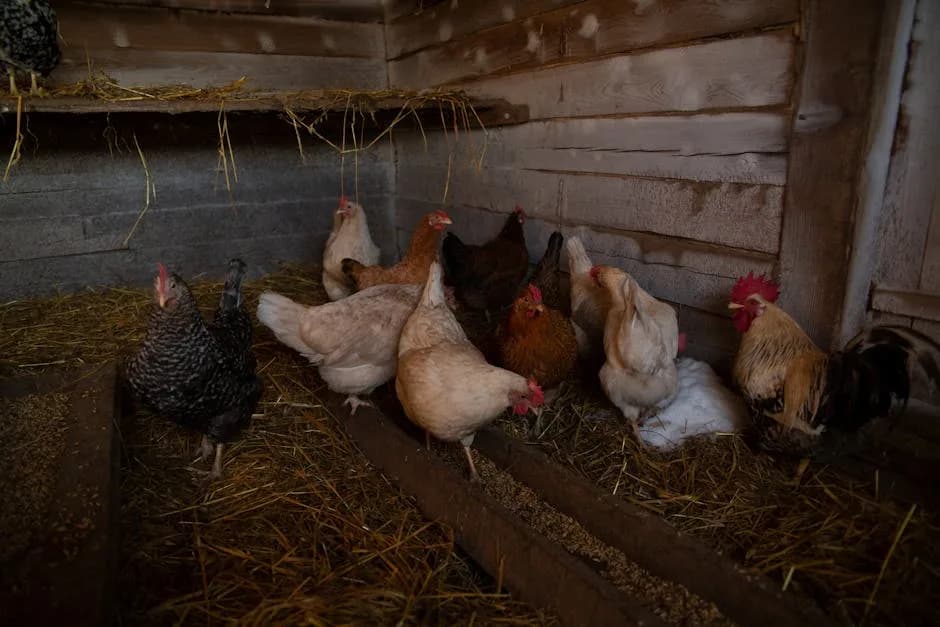
A bored flock is a destructive flock. When chickens run out of things to do, especially in a small run or during a long winter indoors, they turn that energy on each other: feather pecking, bullying, and in bad cases outright cannibalism. Enrichment is how you give them something better to do with their day, and most of it costs less than a bag of feed.
Our top pick: EOWOAN Multi-Level Activity Playground. A swing, multiple perches, and a built-in dust bath frame that keeps 10 to 12 hens busy for years. Around $76.
Best boredom-buster for the money: RentACoop 2-Tube Treat Dispenser. Wall-mounted, easy to fill, and your birds work for every bite. Around $30.
We keep chickens, so this list comes from what actually holds a flock's attention through a winter, not a quick scan of listings. Here is the gear worth buying, plus the free enrichment that works just as well.
Quick Answer: Best Chicken Toys and Enrichment
| Need | Pick | Price |
|---|---|---|
| Best overall activity set | EOWOAN Activity Playground | ~$76 |
| Best swing + perch under $50 | Luplom Roosting Ladder with Swing | ~$45 |
| Best treat dispenser | RentACoop 2-Tube Dispenser | ~$30 |
| Best premium foraging toy | Omlet Poppy Peck Toy | ~$22 |
| Best value treat balls | BingegePet Dispenser Balls (4-pack) | ~$20 |
| Best musical novelty toy | Vehomy Chicken Xylophone | ~$10 |
| Best starter bundle | Hipykat 7-Piece Toy Set | ~$20 |
| Cheapest classic | Ware Chicken Treat Roller | ~$8 |
What You'll Learn
- •Why Chicken Enrichment Matters
- •How We Picked
- •Types of Chicken Enrichment
- •Best Activity Gyms and Swings
- •Best Treat Dispensers and Foraging Toys
- •Best Novelty and Starter Toys
- •Free DIY Enrichment That Works
- •How Much Enrichment Does a Flock Need?
- •What Chicken Enrichment Costs
- •Common Enrichment Mistakes
- •Frequently Asked Questions
Why Chicken Enrichment Matters
Chickens are foragers by design. A hen with the whole yard to roam spends most of her waking hours scratching, pecking, dust bathing, and chasing bugs. That constant low-level activity is what keeps her body and her brain occupied. Take it away, which is exactly what a small run or a snowed-in winter does, and that drive has nowhere to go.
The result shows up fast. Feather pecking is the most common sign: birds start plucking at each other's backs, vents, and tails, sometimes drawing blood. Once a bird sees blood, the whole flock may pile on, and feather pecking can tip into cannibalism in a matter of days. Boredom also fuels bullying from the top of the pecking order and can nudge hens toward egg eating.
Enrichment breaks that cycle by giving the flock jobs to do. A treat dispenser turns a 30-second snack into 20 minutes of work. A swing gives a dominant hen somewhere to perch away from the others. A hanging cabbage or a xylophone gives curious birds something new to investigate. None of it replaces space and daily out-of-run time, but it takes the pressure off when space is tight.
Winter is when it matters most. Birds that free range happily all summer can get cooped up for weeks when snow and ice keep them in. Pairing enrichment with the rest of your winter chicken care routine is the difference between a calm flock in March and a bald, bullied one.
How We Picked
We looked for enrichment that earns its keep: gear that holds a flock's interest for more than a day, survives being rained on and pooped on, and is safe for birds that peck first and think never. Three things mattered most.
Durability outdoors. A toy that cracks in the first frost or rusts in a month is money wasted. We favored weatherproof plastic, solid wood, and metal frames over flimsy parts.
Real engagement. Some toys look fun to us but get ignored by the birds. The picks here are ones that reliably pull a flock in, usually because they involve food, movement, or something to climb on.
Value at each tier. Enrichment does not need to be expensive. We included a $76 activity set that does everything and an $8 treat roller that does one thing well, so there is a pick whether you are outfitting a big run or just testing the waters.
Every product link below was verified in stock and pointing at the exact item described at the time of writing. We do not take free units or paid placements. These are the toys we would buy with our own money, and in several cases already have.
Types of Chicken Enrichment
Enrichment falls into a few buckets, and a good setup mixes them so the flock does not get bored of the boredom busters.
Activity gyms, perches, and swings give birds something to climb, balance on, and roost on during the day. Height matters to chickens. A perch or swing lets a lower-ranking hen get up and away from a bully, which cuts down on squabbling. These double as daytime lounging spots, though for proper nighttime sleeping you still want dedicated roosting bars sized for your whole flock.
Treat dispensers and foraging toys make the birds work for food. A ball they roll, a tube they peck at, or a dispenser they have to nudge turns a handful of scratch into an activity that burns time and energy. This is the single most effective category for stopping feather pecking, because it redirects the pecking instinct onto an object instead of a flockmate.
Pecking and novelty toys are the xylophones, mirrors, hanging veggies, and chew blocks. They work by being new and interesting. The trick is to rotate them so they stay novel rather than leaving everything out at once.
Natural enrichment is free and often the best of all: dust baths, scratch grains tossed in deep litter, a hanging cabbage, a pile of leaves or a stump to pick apart. More on the DIY side below.
Best Activity Gyms and Swings
Activity Gyms at a Glance
| Product | Flock size | Material | What it includes | Price |
|---|---|---|---|---|
| EOWOAN Playground | 10 to 12 | Weatherproof wood + metal | Swing, perches, dust bath frame | ~$76 |
| Luplom Ladder + Swing | 6 to 8 | Wood | Swing, ladder perch | ~$45 |
1. EOWOAN Multi-Level Activity Playground: Best Overall
EOWOAN Multi-Level Activity Playground. Around $76
This is the piece that does the most in one purchase. It combines a hanging swing, multiple perch bars at different heights, and a frame that holds a dust bath, so your flock gets climbing, perching, and bathing in a single setup. It is sized for 10 to 12 hens, which suits a typical backyard run.
Why it works: The multiple levels give lower-ranking birds a way to get up off the ground and out of reach of pushier hens, which is one of the best things you can do for flock harmony. The weatherproof build means you can leave it in an open run without it falling apart after one season.
One thing to know: It takes up real floor space, so measure your run before buying. It is also a daytime activity piece first. If you need your birds to sleep up high at night, pair it with dedicated roosting bars sized for the full flock.
2. Luplom Roosting Ladder with Swing: Best Under $50
Luplom Roosting Ladder with Swing. Around $45
If the big playground is more than your run needs, this wooden ladder-and-swing combo covers the essentials for a smaller flock of 6 to 8. Birds climb the ladder, balance on the swing, and use the rungs as daytime perches.
Why it works: It hits the sweet spot of giving your flock something to climb and swing on without the footprint or price of a full activity gym. The simple wood construction is easy for chickens to grip and easy for you to hose off.
One thing to know: Wood weathers faster than plastic or metal. Keep it under the coop roof or in a covered part of the run and it will last; leave it in full sun and rain and expect a couple of seasons out of it.
Best Treat Dispensers and Foraging Toys
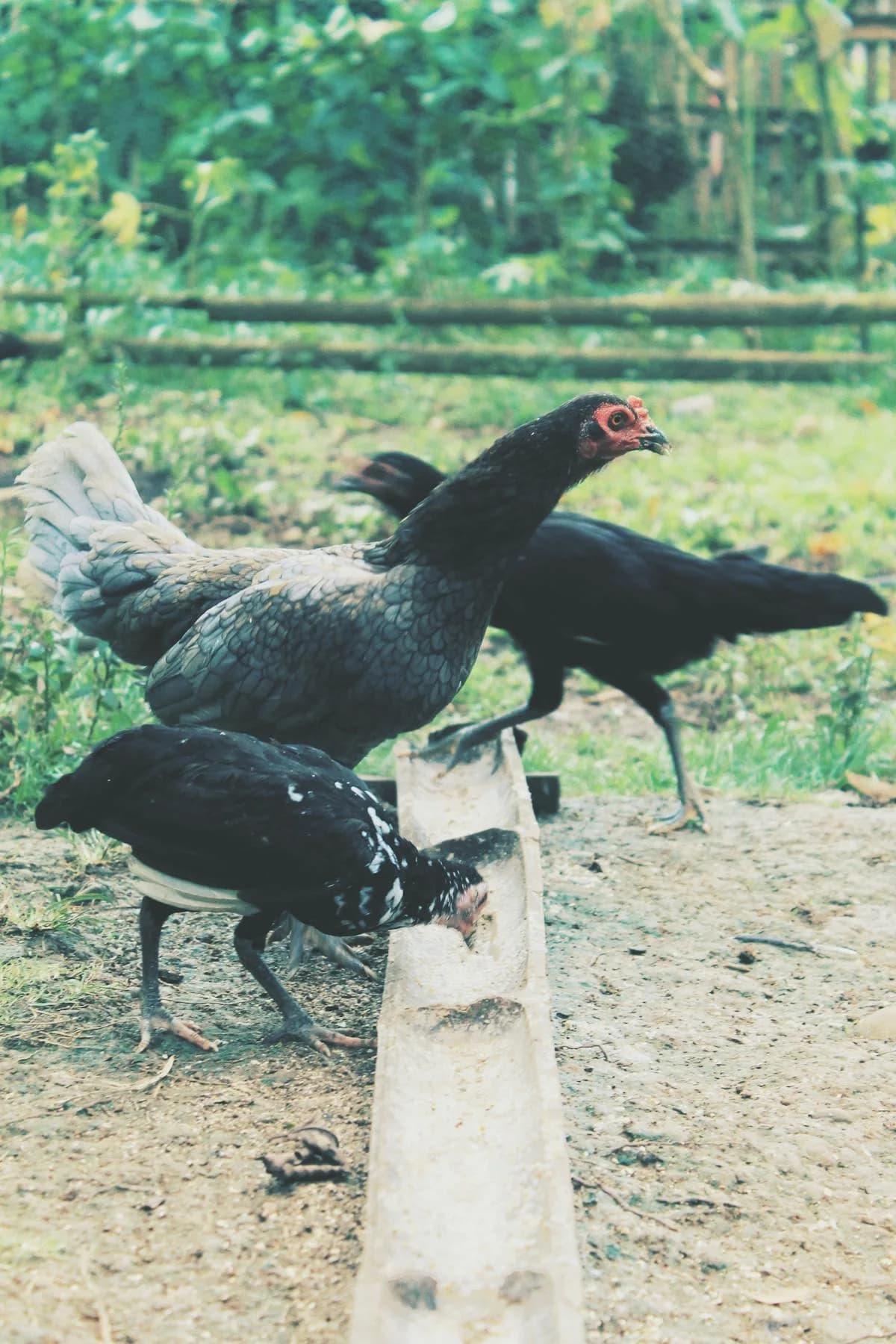
This is the category that does the most to stop feather pecking, because it gives the pecking instinct a target that is not another bird. Fill these with scratch grains or treats and let the flock work.
Treat Dispensers at a Glance
| Product | Type | Mount | Capacity | Price |
|---|---|---|---|---|
| RentACoop 2-Tube | Peck dispenser | Wall-mounted | 2 tubes | ~$30 |
| Omlet Poppy | Hanging slow feeder | Hangs | ~300g | ~$22 |
| BingegePet Balls | Rolling treat balls | Hang or roll | 4 balls | ~$20 |
3. RentACoop 2-Tube Treat Dispenser: Best Treat Dispenser
RentACoop 2-Tube Treat Dispenser. Around $30
RentACoop makes some of the most-recommended gear in backyard chicken circles, and this dispenser earns the reputation. It mounts to a coop or run wall, holds treats in two top-fill tubes, and makes birds peck at the openings to work a treat loose. One fill keeps a flock occupied far longer than tossing the same treats on the ground.
Why it works: Wall mounting keeps it off the floor, so it stays clean and does not get buried in bedding or droppings. Two tubes mean two birds can work it at once, which cuts down on squabbling over a single spot.
One thing to know: Fill it with something the birds have to work for, like dried mealworms or scratch, rather than something that pours out freely. The whole point is to slow them down.
4. Omlet Poppy Chicken Peck Toy: Best Premium Foraging Toy
Omlet Poppy Peck Toy. Around $22
Omlet is a premium brand, and the Poppy is a well-made hanging foraging toy that holds about 300 grams of feed. Hang it at head height and birds peck at it to shake treats loose, which encourages natural foraging movement and reduces boredom and feather pecking.
Why it works: The hanging design adds movement, so the toy swings as birds peck it, which keeps them re-aiming and working rather than emptying it in one go. It is built to last outdoors and comes apart for cleaning.
One thing to know: It costs more than a bag of plastic balls, but the build quality and the slow-feed design are a real step up. If you only buy one foraging toy, this is a safe one.
5. BingegePet Treat Dispenser Balls (4-Pack): Best Value
BingegePet Treat Dispenser Balls, 4-Pack. Around $20
Four hanging treat balls on chains, which means you can spread enrichment across the run so birds are not all crowding one spot. Each ball holds a handful of treats that drop out as the birds peck and knock it around.
Why it works: Spreading several dispensers around the run is smarter than one big one, because it stops a dominant hen from guarding the only toy. At around $5 a ball, this four-pack is the cheapest way to do that.
One thing to know: These are lighter-duty than the RentACoop or Omlet. Expect to replace them sooner if your flock is rough on them, but at this price that is an easy trade.
Best Novelty and Starter Toys
Novelty toys work by being new. The best approach is to own a few, leave one or two out at a time, and rotate them every week or two so they do not become part of the furniture.
6. Vehomy Chicken Xylophone Toy: Best Musical Novelty
Vehomy Chicken Xylophone Toy. Around $10
Yes, chickens will play a xylophone. This hanging wooden xylophone has eight metal keys and a grinding stone, and curious birds peck at it both for the sound and to wear down their beaks on the stone. It is more novelty than workhorse, but it is a cheap way to add variety.
Why it works: The sound and movement draw birds in, and the grinding stone gives a small functional bonus. It is a favorite for keepers who like watching their flock interact with something unexpected.
One thing to know: Hang it so the keys are at pecking height. Some flocks take to it right away; others ignore it until a bold bird figures it out and the rest copy her.
7. Hipykat 7-Piece Chicken Toy Set: Best Starter Bundle
Hipykat 7-Piece Chicken Toy Set. Around $20
If you want to figure out what your flock likes without buying seven separate things, this bundle is the way. It includes a xylophone, a mirror, a ladder bridge, a swing, a hanging veggie feeder, and chew toys, which covers climbing, foraging, and novelty in one box.
Why it works: Variety is the whole point of enrichment, and this set lets you test several categories at once, then double down on whatever the birds actually use. The hanging veggie feeder is quietly one of the best pieces in the box.
One thing to know: As a bundle of smaller items, the individual pieces are lighter-duty than standalone gear. Think of it as a sampler to learn your flock's preferences, then upgrade the categories that stick.
8. Ware Chicken Treat Roller: Cheapest Classic
Ware Chicken Treat Roller. Around $8
A simple rolling treat ball that birds nudge around the ground to release mealworms or scratch a little at a time. It has been a staple for years because it does one thing well at a price that makes it an easy add-on to any order.
Why it works: The rolling action gets birds moving across the run instead of standing in one spot, which is good low-key exercise. Fill it with dried mealworms and even a lazy flock will chase it.
One thing to know: It is small and single-purpose. Great as a cheap extra or a stocking stuffer for a chicken keeper, but not a standalone enrichment plan on its own.
Free DIY Enrichment That Works
You do not have to spend a dime to keep a flock busy. The best enrichment is often the stuff already in your yard.
A good dust bath. Dust bathing is how chickens clean themselves and ward off mites, and it is deeply satisfying to them. A tub or corner of dry dirt mixed with wood ash and a little sand gives the whole flock a daily activity. If your run stays damp, a dedicated dry dust bath is one of the highest-value things you can add.
A hanging cabbage or lettuce. Tie a whole cabbage to a string and hang it so it swings at head height. Birds will peck at it for hours, and the swinging keeps it interesting. This is the single most reliable free boredom buster there is.
Deep litter with scratch. Toss a handful of scratch grains into deep bedding and the flock will dig through it for ages looking for every last seed. It turns feeding time into foraging time and keeps bedding turned over at the same time.
A stump, a log pile, or a leaf pile. Anything the birds can climb on, pick apart, or scratch through adds interest. A rotting log full of bugs is a flock's idea of a buffet.
Supervised free range time. Nothing beats letting birds out to forage, even for an hour before dusk. If predators or gardens are a concern, a fenced run or poultry netting lets you expand their space safely.
Add a little electrolyte and probiotic supplement to the water during heat waves or stressful stretches, and the whole flock copes better with confinement.
How Much Enrichment Does a Flock Need?
The amount of enrichment a flock needs scales with how confined they are. Use this as a rough guide:
Free-range flocks with yard access all day need the least. A dust bath and the occasional hanging treat are plenty, because the birds are already foraging naturally for most of the day.
Flocks in a decent run (10+ square feet per bird) benefit from one activity piece plus a couple of foraging toys. Aim to give a dominant hen somewhere to perch away from the others and give the rest something to peck at.
Flocks in a small run or kept in during winter need the most. Plan on a perch or activity gym, at least two treat dispensers spread around the space, a dust bath, and a rotation of novelty toys. The tighter the quarters, the more jobs you need to give them.
A simple rule: if you see feather loss on backs and vents that is not from molting, bare patches on the lowest-ranking birds, or hens standing around listless, your flock is telling you it needs more to do. Confirm it is not a molt first, since molting birds lose feathers naturally, then add enrichment and more space if the pecking is behavioral.
What Chicken Enrichment Costs
Enrichment is one of the cheapest investments in chicken keeping. Here is what a starter setup and a loaded winter setup look like:
| Item | Starter setup | Loaded winter setup |
|---|---|---|
| Activity piece | Luplom ladder + swing (~$45) | EOWOAN playground (~$76) |
| Treat dispensers | Ware roller (~$8) | RentACoop + BingegePet 4-pack (~$50) |
| Novelty | Vehomy xylophone (~$10) | Hipykat 7-piece set (~$20) |
| Dust bath | Free (dirt + ash) | Free (dirt + ash) |
| Realistic total | ~$63 | ~$146 |
For most keepers, about $60 sets up a flock with a climbing piece, a treat toy, and a dust bath, which handles the majority of boredom problems. The bigger spend only makes sense if your birds spend long stretches confined, in which case the extra dispensers and the full activity gym pay for themselves in feathers not plucked and hens not bullied.
Common Enrichment Mistakes
Leaving every toy out at once. Novelty wears off. Rotate toys in and out every week or two so they stay interesting. A toy the flock ignored last month often gets a second look after a break.
Treating toys as a substitute for space. Enrichment reduces the damage of a cramped run, but it does not fix it. If your birds have less than the recommended run space, more space beats more toys every time.
Using only one treat dispenser. A single toy becomes something the top hen guards. Spread two or three foraging toys around the run so every bird gets a turn and lower-ranking birds are not shut out.
Ignoring the dust bath. Dust bathing is both enrichment and parasite control, and it costs nothing. A flock without a dry place to bathe is missing one of the most important daily activities there is.
Hanging toys at the wrong height. Toys hung too high or too low get ignored. Set hanging dispensers and xylophones at about head height for your birds so they can work them comfortably.
If you are still setting up your flock's home, our guide to the best chicken coops and the feeders and waterers guide cover the gear that goes in alongside the toys. New to all of this? Start with our beginner's guide to raising backyard chickens.
Frequently Asked Questions
Do chickens really need toys?
Chickens do not need toys the way they need food and water, but they do need activity. Birds with enough space to forage all day get it naturally. Birds in small runs or confined over winter need something to do, or they turn to feather pecking and bullying. In those cases, toys and enrichment are close to essential for a calm, healthy flock.
What is the best chicken toy for boredom?
A treat dispenser is the most effective single toy for boredom, because it makes birds work for food and redirects the pecking instinct onto an object. The RentACoop 2-tube dispenser and the Omlet Poppy are both strong choices. For free options, a hanging cabbage is hard to beat.
How do I stop my chickens from feather pecking?
Feather pecking usually comes from boredom, crowding, or a protein shortage. Add foraging toys and treat dispensers to redirect the pecking, make sure each bird has enough space, confirm the flock is on a complete feed, and give lower-ranking birds places to escape bullies, like perches and multiple feeding spots. If a bird is already drawing blood, separate it until it heals, because the sight of blood triggers more pecking.
Will chickens actually use a swing?
Some do and some do not, and it often comes down to one bold bird figuring it out first. Chickens like height, so a swing that gives them somewhere to perch away from the flock tends to get used more than one that just dangles. Hang it stable at first, lower to the ground, so timid birds try it before it starts moving much.
How do I keep chickens entertained in winter?
Winter confinement is the hardest on a flock. Give them a treat dispenser or two, hang a cabbage, scatter scratch in deep litter so they dig for it, make sure they have a dry dust bath, and rotate a few novelty toys. Let them out whenever the weather allows, even briefly. See our winter chicken care guide for the full routine.
Are chicken toys safe?
Most are, but check for hazards. Avoid anything with small parts that can be swallowed, strings long enough to tangle a bird, or sharp edges. Wooden and sturdy plastic toys from poultry brands are generally safe. Inspect toys regularly and pull anything that has broken into pieces small enough to eat.
How often should I rotate chicken toys?
Every one to two weeks is a good rhythm. Chickens lose interest in a toy that is always there, so swapping a couple of items in and out keeps the run feeling new. You do not need many toys to do this, just enough to keep a rotation going.
Can I just make my own chicken enrichment?
Yes, and a lot of the best enrichment is free. A hanging cabbage, scratch grains in deep litter, a dust bath, a stump or log pile, and supervised free range time all work as well as anything you can buy. Store-bought toys mostly buy you convenience and durability, not better results.
What is the difference between a chicken swing and a roost?
A swing is a daytime activity and perching spot that moves, which makes it interesting but not restful. A roost is a stable, fixed bar where birds sleep at night, up off the ground and away from droppings. You want both: enrichment pieces for the day and proper roosting bars sized for the whole flock for the night.
Enrichment is one of the easiest wins in chicken keeping: cheap, simple, and the payoff is a flock that gets along instead of picking each other bald. Start with a dust bath and one treat dispenser, watch what your birds take to, and build from there. For more on keeping a healthy, happy flock, see our beginner's guide to raising backyard chickens.
Sources:
- •University of Kentucky College of Agriculture. Poultry behavior and welfare. https://poultry.extension.org/
- •Merck Veterinary Manual. Cannibalism and Feather Pecking in Poultry. https://www.merckvetmanual.com/poultry/behavior/cannibalism-in-poultry
- •University of California Agriculture and Natural Resources. Small flock welfare and management. https://ucanr.edu/sites/poultry/
- •Penn State Extension. Poultry behavior and enrichment. https://extension.psu.edu/animals/poultry
Related Guides
Best Chicken Coop Fans for Ventilation (2026 Reviews)
The best chicken coop fans for summer heat and winter moisture: solar exhaust fans, shutter fans, and quiet inline fans compared, with real prices.
Gear ReviewsBest Chicken Coop Bedding and Litter (2026 Reviews)
The best chicken coop bedding for 2026. Pine shavings, hemp, aspen, and odor-control litter compared, with pros, cons, and pricing for every flock and budget.
Gear ReviewsBest Chicken Coop Cleaning Tools and Supplies (2026)
The best chicken coop cleaning tools and supplies for backyard flocks: extendable poop scoopers, coop cleaner sprays, disinfectants, and odor eliminators.
Gear ReviewsBest Chicken Saddles and Hen Aprons (2026 Reviews)
Top chicken saddles and hen aprons to protect bare-backed hens from rooster treading and feather pecking. Honest picks, sizing, and fit.