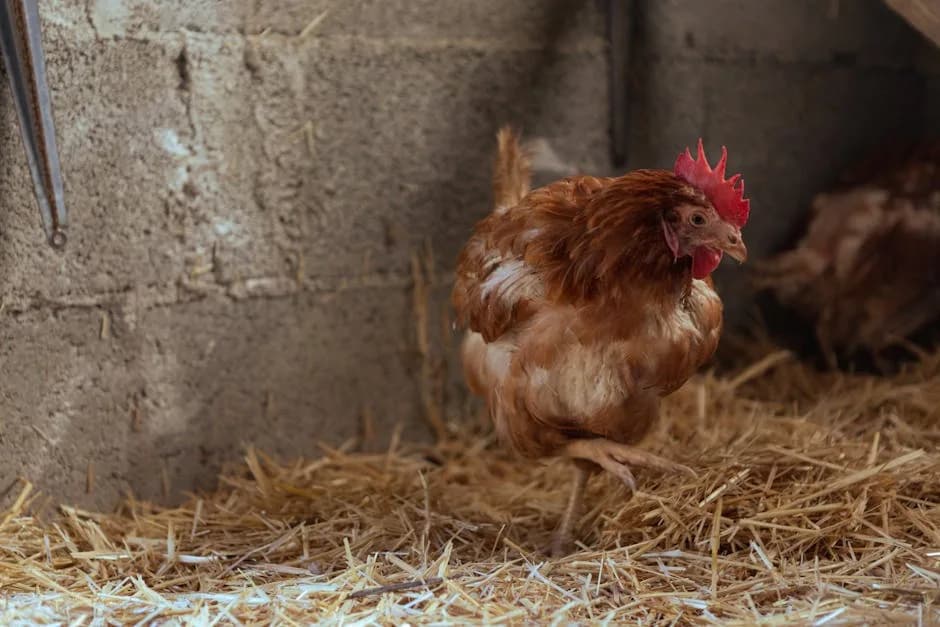
Best Chicken Coop Bedding and Litter (2026 Reviews)
The best chicken coop bedding for 2026. Pine shavings, hemp, aspen, and odor-control litter compared, with pros, cons, and pricing for every flock and budget.
Researched from university extension, USDA, and veterinary sources. How we research.
The bedding on your coop floor does more work than almost anything else you buy for your flock. It soaks up droppings, controls the ammonia smell that damages chickens' lungs, keeps the floor dry so mites and mold stay away, and adds a layer of insulation under your birds' feet in winter. Get it right and cleaning takes ten minutes a week. Get it wrong and you're fighting stink, damp, and respiratory problems all season.
Our top pick: Small Pet Select Pine Shavings, 2-Pack. Low-dust kiln-dried pine, the safe default for almost any coop. Around $70 for 282 liters.
Best odor control add-on: Sweet PDZ Coop Refresher. A zeolite powder you sprinkle under the roosts to kill the ammonia smell. Around $25.
We keep chickens, and we've cleaned a lot of coops with a lot of different bedding. Below are the products that actually hold up, ranked by how they perform for real backyard flocks, not by spec sheets. Every product here is in stock and links to the exact item described.
Quick Answer: Best Coop Bedding and Litter
| Need | Pick | Price |
|---|---|---|
| Best overall | Small Pet Select Pine Shavings 2-Pack | ~$70 |
| Cheapest per bag | Manna Pro Fresh Flakes Pine | ~$17 |
| Most absorbent, longest lasting | Aubiose Hemp Bedding 44 lb | ~$105 |
| Best for dust-sensitive birds | Small Pet Select Aspen 282L | ~$70 |
| Best for deep litter | Koop Clean Chopped Bedding | ~$40 |
| Best odor treatment | Sweet PDZ Coop Refresher | ~$25 |
What You'll Learn
- •How We Picked
- •Types of Coop Bedding (and Which to Choose)
- •Best Chicken Coop Bedding for 2026
- •Best Litter Treatments for Odor Control
- •How Much Bedding Do You Need?
- •What Coop Bedding Really Costs
- •Deep Litter vs. Clean-Out Bedding
- •Common Bedding Mistakes
- •Frequently Asked Questions
How We Picked
We judged every bedding on the four jobs it actually has to do: soak up moisture, hold down the ammonia smell, stay low on dust so it doesn't irritate your birds' airways, and give you a reasonable cost per cleaning. Absorbency and dust matter most, because damp bedding and dusty bedding are the two things most likely to make chickens sick.
We also weighed how each material handles the deep litter method, which is how a lot of keepers run their coops through winter. A bedding that composts in place and stays dry saves you the most work over a full year.
One rule ran through all of it: no cedar. Cedar shavings smell great to us, but the aromatic oils (plicatic acid and thujone) irritate a chicken's respiratory tract and can do real harm over time. Every wood bedding on this list is kiln-dried pine or aspen, never cedar. No paid placements here either. These are the beddings we'd fill our own coop with.
Types of Coop Bedding (and Which to Choose)
There's no single best bedding for every coop. The right choice depends on your climate, whether your birds have respiratory issues, and how you like to clean. Here are the main options.
Pine shavings are the default for good reason. Kiln-dried pine is absorbent, cheap, low on dust in a quality bag, and it composts well. If you're not sure what to use, use pine.
Hemp bedding is the premium choice. Chopped hemp hurd absorbs more moisture than pine per pound, throws off very little dust, and composts beautifully. It costs more upfront, but because it lasts longer between changes, the per-week cost is closer to pine than the sticker price suggests.
Aspen shavings are a hardwood bedding with no aromatic oils, which makes them the go-to for dust-sensitive birds or anyone wary of the light pine scent. Absorbent, low-dust, middle price point.
Chopped straw and hay blends like Koop Clean are made for the deep litter method. Long straw doesn't absorb much on its own, but chopped and mixed with a zeolite deodorizer it holds moisture better, insulates in cold weather, and lets the birds turn it as they scratch.
Sand is the low-maintenance option some keepers swear by: you scoop it like cat litter instead of doing full changes. It's heavy, doesn't compost, and you buy it in bulk locally, so it isn't on this product list. Our bedding comparison guide covers sand in full.
Litter treatments aren't bedding on their own. Products like Sweet PDZ are zeolite powders you sprinkle into whatever bedding you use to pull ammonia out of the air. A booster, not a base.
For most backyard flocks, start with pine shavings and add a litter treatment under the roosts. Want less frequent cleaning and better composting? Step up to hemp.
Best Chicken Coop Bedding for 2026
Bedding at a Glance
| Bedding | Material | Absorbency | Dust | Price | Best For |
|---|---|---|---|---|---|
| Small Pet Select Pine | Kiln-dried pine | High | Low | ~$70 (282L) | Best overall |
| Manna Pro Fresh Flakes | Pine shavings | High | Moderate | ~$17 (4 cu ft) | Budget |
| Aubiose Hemp | Hemp hurd | Very high | Very low | ~$105 (44 lb) | Longest lasting |
| Small Pet Select Aspen | Aspen | High | Very low | ~$70 (282L) | Sensitive birds |
| Koop Clean | Chopped hay/straw + PDZ | Moderate | Low | ~$40 | Deep litter |
1. Small Pet Select Pine Shavings (2-Pack, 282L): Best Overall
Small Pet Select Pine Shavings, 2-Pack. Around $70 for 282 liters
This is the pine bedding we'd hand a new keeper without a second thought. It's kiln-dried, sifted to keep the dust down, and it comes in a big compressed bale that fluffs up to fill a coop floor. Two 141-liter bags in one order means you're not reordering every few weeks.
Why it works: Pine is the bedding chickens have been raised on for decades because it does everything a coop needs: it soaks up droppings, dries fast, and composts into good garden soil. This one is milled cleaner than the cheap bags at the feed store, so there's less fine dust settling into your birds' airways. Spread three to four inches deep and it insulates the floor nicely through cold nights.
One thing to know: It's pricier per cubic foot than a basic feed-store bag. You're paying for the low dust and the two-pack convenience. If your birds have no respiratory issues, the budget pick below does the same core job for less. A single 141-liter bag runs around $36 if you want to try it first.
2. Manna Pro Fresh Flakes Pine Shavings: Budget Pick
Manna Pro Fresh Flakes Pine Shavings, 4 Cu Ft. Around $17
When you just need bedding and you need a lot of it, this is the honest, cheap answer. It's kiln-dried pine flakes in a compressed 4-cubic-foot bag that expands to cover a good stretch of floor. Nothing fancy, and nothing wrong with it.
Why it works: These are the same pine flakes keepers have used forever. They absorb well, they're safe, and at this price you can change bedding as often as you like without wincing. For a deep litter setup where you're adding fresh flakes on top every week or two, buying the cheapest quality pine makes sense.
One thing to know: Feed-store-grade pine like this carries a bit more fine dust than the sifted premium bags. Give a fresh bag a shake outdoors before you spread it, and skip it if a bird in your flock has an ongoing respiratory problem. For those birds, the aspen below is the safer call.
3. Aubiose Hemp Bedding (44 lb): Most Absorbent and Longest Lasting
Aubiose Hemp Bedding, 44 lb Bale. Around $105
Hemp is what keepers switch to when they're tired of changing bedding. Chopped hemp hurd drinks up moisture faster than pine and holds it, so the floor under the roosts stays drier for longer between cleanings. The dust is almost nonexistent, which your birds' lungs will thank you for.
Why it works: A 44-pound bale goes a long way because you use less of it and change it less often. It composts fast and clean, so used hemp bedding is close to ready-made garden gold. In a deep litter coop, hemp is about as low-maintenance as an organic bedding gets. Keepers who make the jump rarely go back.
One thing to know: The upfront price is the highest on this list, and that stops a lot of people before they try it. Run the math on how long a bale actually lasts before you decide it's expensive. Spread over a full winter, hemp often costs about the same per week as premium pine, with less hauling and less smell.
4. Small Pet Select Premium Aspen Bedding (282L): Best for Dust-Sensitive Birds
Small Pet Select Premium Aspen Bedding, 282L. Around $70 for 282 liters
Aspen is a hardwood, which means it has none of the aromatic oils that pine and cedar carry. If you've got a bird that wheezes, a flock in a tight or poorly ventilated coop, or you just don't want any wood scent in the air, aspen is the bedding to reach for.
Why it works: It's absorbent and low-dust like good pine, but with zero phenols in the mix. It's made in the USA, and the jumbo two-pack gives you enough to bed a coop and top it up for weeks. Chicks with developing lungs do well on it too, so it doubles as brooder bedding once they're past the paper-towel stage. Our week-by-week chick guide walks through brooder bedding by age.
One thing to know: It costs the same as premium pine while being a bit less common, so you may not find it at your local feed store. For most healthy adult flocks, pine is fine and cheaper. Reach for aspen specifically when respiratory sensitivity or coop ventilation is the concern.
5. Koop Clean Chopped Hay and Straw Bedding: Best for Deep Litter
Koop Clean Chopped Hay and Straw Bedding. Around $40
Koop Clean is a chopped blend of hay and straw with Sweet PDZ zeolite already mixed in. The chopping is the key: plain long straw sits on top of droppings and traps damp, but chopped and dehydrated straw absorbs far better and lets the birds turn it as they scratch.
Why it works: The built-in zeolite pulls ammonia out of the air, so this bedding fights odor without a separate treatment. It insulates well, which makes it a favorite for cold-climate coops in winter, and it's built for the deep litter method where you keep adding on top and let it compost in place. The straw texture also holds up nicely in nesting boxes.
One thing to know: A bag doesn't stretch as far as a compressed bale of shavings, so for a large coop it can work out pricier per square foot. It shines in smaller coops and in deep litter setups where its composting and insulating strengths pay off. Pair it with the right nesting box pads for clean eggs.
Best Litter Treatments for Odor Control
Bedding does most of the work, but even the best bedding builds up ammonia under the roosts where droppings concentrate overnight. A litter treatment sprinkled in those spots keeps the air breathable between full changes.
Sweet PDZ Coop Refresher: Best Odor Treatment
Sweet PDZ Coop Refresher, 10 lb. Around $25
Sweet PDZ is a natural zeolite mineral that captures and neutralizes ammonia instead of just masking it with fragrance. You shake it onto the bedding, concentrating it under the roost bars where the droppings pile up overnight, and it pulls the smell right out of the air.
Why it works: Ammonia is the real enemy in a coop. You can smell it at levels that are already irritating your birds' eyes and airways, and it's worst in winter when the coop is closed up. A dusting of Sweet PDZ under the roosts every few days keeps ammonia down without shortening the life of your bedding, so you clean less often. It's safe around chickens and won't hurt your compost.
One thing to know: It's a treatment, not a bedding. You still need a real base layer of shavings, hemp, or chopped straw underneath. Think of the 10-pound jug as a season's worth of odor insurance for a small to mid-size coop. Keepers sometimes use food-grade diatomaceous earth for the same job, but zeolite controls ammonia specifically and is gentler on dust.
How Much Bedding Do You Need?
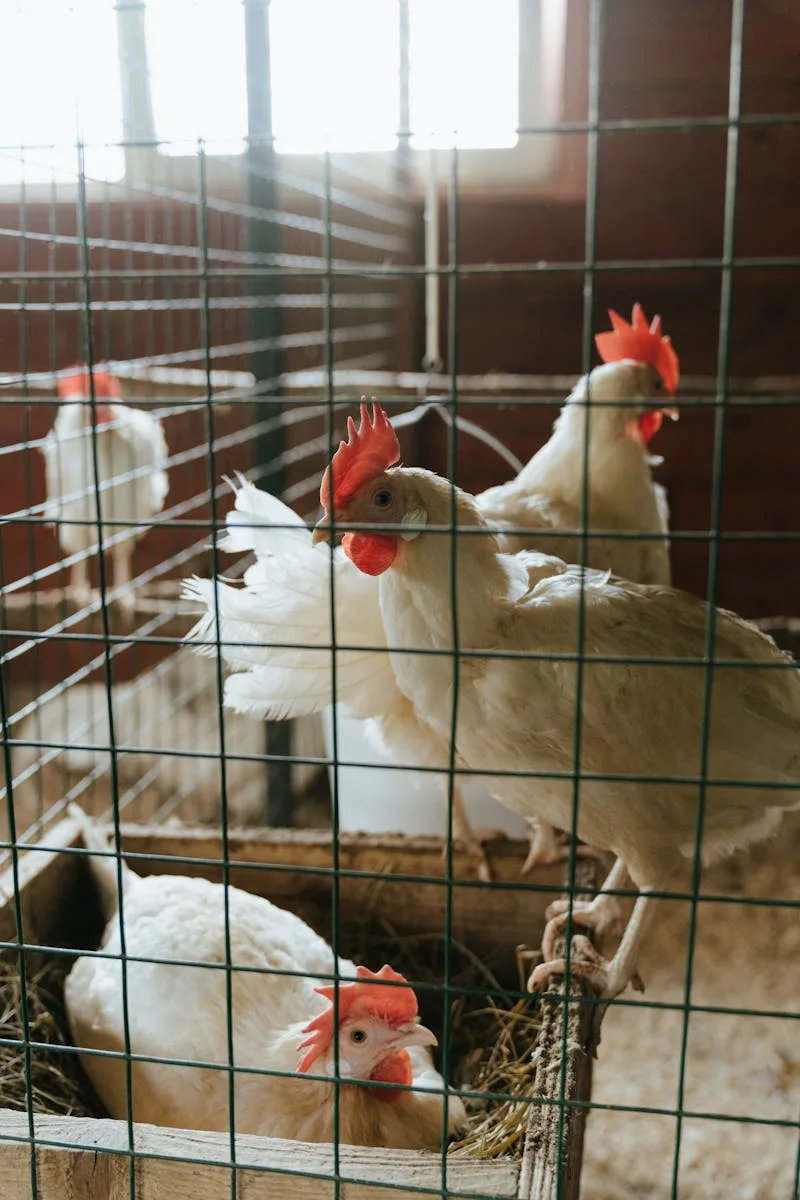
Bedding depth matters more than most new keepers expect. Too thin and it saturates fast; too deep and you're wasting money. Here's a working guide.
Standard depth: Aim for 3 to 4 inches across the coop floor for a normal clean-out routine, or 4 to 6 inches to start a deep litter bed.
Rough coverage per coop size:
- •Small coop (up to 4 birds, about 16 sq ft): One compressed bale of pine or a single Small Pet Select bag, with some to spare for topping up.
- •Medium coop (5 to 8 birds, about 32 sq ft): Two bags of shavings, or one 44-pound hemp bale that stretches further.
- •Large coop (10+ birds, 50+ sq ft): Two of the big two-packs, or hemp to cut down on hauling and changes.
Nesting boxes need their own handful of soft bedding, kept separate from the floor layer and topped up often so eggs stay clean. Chopped straw and pine both work; sand does not. A set of nesting box pads under the loose bedding keeps eggs from cracking. Buy a little more bedding than you think you need, since spreading it too thin is how damp and ammonia problems start.
What Coop Bedding Really Costs
Bedding is an ongoing cost, not a one-time buy, so the price that matters is per week, not per bag. Here's how a small-coop budget shakes out over a year, assuming a monthly clean-out plus weekly top-ups.
| Approach | Product | Rough yearly cost |
|---|---|---|
| Budget | Manna Pro Fresh Flakes, changed often | ~$120 to $180 |
| Balanced | Small Pet Select Pine + Sweet PDZ | ~$200 to $280 |
| Premium, low-effort | Aubiose Hemp, deep litter | ~$180 to $260 |
The surprise for most keepers is that hemp, the most expensive bag, lands near the middle over a year because you use less of it and change it less often. Cheap pine is cheapest only if you don't mind hauling it constantly. The balanced pine-plus-treatment route is where most flocks land.
Used bedding isn't waste, either. All of these except sand break down into excellent compost, so the money partly comes back as free garden fertilizer. A dedicated compost bin for chicken manure turns the cleanout pile into something your vegetables will love. For the full picture on flock expenses, see our cost breakdown for raising chickens.
Deep Litter vs. Clean-Out Bedding
How you manage bedding matters as much as which bedding you buy, and it comes down to two approaches.
The clean-out method lays down 3 to 4 inches of bedding, lets it work for a few weeks, then mucks the whole thing out for a fresh start. It's simple and works with any bedding here, but it means a full change every two to four weeks, more often in a crowded or damp coop.
The deep litter method turns your coop floor into a slow compost pile. You start with a thick base, add a fresh handful whenever the surface looks soiled, and let microbes break the droppings down in place. Done right it only needs a full clean once or twice a year, and it generates a little warmth as it composts. Pine, hemp, and chopped straw all work for deep litter; sand does not, because it can't decompose.
Deep litter is the lower-effort choice over a season, especially in winter. It does demand good ventilation and dry bedding, so it isn't set-and-forget. Our guide to keeping chickens warm in winter explains how it fits cold-weather management, and the bedding comparison guide walks through setup step by step.
Common Bedding Mistakes
Using cedar shavings. Cedar smells clean to us, but its aromatic oils irritate chickens' airways and can cause lasting respiratory damage. Stick to kiln-dried pine or aspen. This is the one bedding rule with no exceptions.
Letting bedding stay damp. Wet bedding is where ammonia, mold, and mite outbreaks begin. Fix the leak or ventilation problem first, then replace the soaked patch.
Spreading it too thin. A one-inch scatter saturates in days and does nothing to insulate. Commit to 3 to 4 inches, more for deep litter.
Ignoring ventilation. No bedding can fix a stuffy coop. If you smell ammonia, you need more airflow up high, not just more litter treatment.
Skipping the roost zone. Most droppings land under the roost overnight, so that's where odor and damp concentrate. Refresh that strip more often and hit it with a litter treatment instead of changing the whole floor.
Neglecting mite checks. Damp or old bedding harbors red mites and lice that hide in cracks and bite at night. Clean out on schedule and inspect the roosts. If you find an infestation, our mite treatment guide covers what actually clears it.
If you're still building out your coop setup, our feeders and waterers guide covers the other gear you'll use every day, and the beginner's guide to raising chickens ties the whole setup together.
Frequently Asked Questions
What is the best bedding for a chicken coop?
For most backyard flocks, kiln-dried pine shavings are the best all-around bedding: absorbent, low-cost, safe, and easy to compost. A premium low-dust pine like Small Pet Select is the safe default. If you want less frequent cleaning and the best composting, hemp bedding is worth the higher upfront price. Never use cedar shavings, which irritate chickens' respiratory systems.
How often should you change coop bedding?
With the clean-out method, do a full change every two to four weeks and spot-clean soiled patches under the roosts in between. With the deep litter method, you add fresh bedding on top as needed and only do a full clean once or twice a year. Crowded or damp coops need more frequent attention either way.
Is hemp bedding worth the extra cost for chickens?
Often, yes. Hemp absorbs more moisture than pine, throws off almost no dust, and lasts longer between changes. Because you use less of it and change it less often, the cost per week over a full year lands close to premium pine, even though the bag costs more. It's the best pick if you want low-effort bedding and easy composting.
Can I use straw as chicken coop bedding?
Straw works, but plain long straw doesn't absorb moisture well and can trap damp under the roosts. Chopped straw blends like Koop Clean, especially ones mixed with a zeolite deodorizer, absorb much better and are made for the deep litter method. Straw also insulates well, which makes it popular for winter coops in cold climates.
What bedding controls coop smell best?
The smell in a coop is ammonia, and the best defense is a dry, absorbent bedding plus a zeolite litter treatment like Sweet PDZ sprinkled under the roosts. Zeolite captures and neutralizes ammonia rather than masking it. Good ventilation is just as important: if you can smell ammonia, the coop needs more airflow up high, not just more litter.
Is sand good bedding for a chicken coop?
Sand suits keepers who prefer to scoop droppings daily like cat litter. Use coarse construction sand, never fine play sand, which compacts and holds moisture. Sand drains fast and harbors less bacteria, but it's heavy, doesn't insulate, and can't be used for deep litter because it won't compost.
What bedding is safe for baby chicks?
For the first week or two, paper towels over the brooder floor are safest because very young chicks may eat loose bedding. After that, pine or aspen shavings work well and keep the brooder dry. Skip long straw, which chicks can tangle in, and skip sand for the youngest birds. Our week-by-week chick guide covers brooder bedding by age.
Can I compost used chicken coop bedding?
Yes, and you should. Pine, aspen, hemp, and straw bedding all break down into excellent garden compost once mixed with the droppings, which are high in nitrogen. Let the pile age for several months so it fully composts before you put it on edible plants. Sand is the one bedding that won't compost. A dedicated compost bin makes the whole cleanout worth something.
How much bedding do I need for my coop?
Plan on 3 to 4 inches of depth across the floor, or 4 to 6 inches to start a deep litter bed. A small coop for up to four birds takes about one compressed bale or bag; a medium coop needs two; a large coop needs two big two-packs or a hemp bale that stretches further. Buy a little extra so you never have to spread it too thin.
The bedding under your flock is a quiet decision that shapes how much you enjoy keeping chickens. Get it dry, deep, and dust-free, and most of the smell and mess problems solve themselves. Start with quality pine and a litter treatment, then try hemp if you want to clean less often. For the rest of your setup, our beginner's guide to raising backyard chickens covers everything from coop to feed.
Sources:
- •University of Kentucky Cooperative Extension. Small flock poultry housing and litter management. https://poultry.extension.org/
- •Penn State Extension. Poultry housing, litter, and air quality. https://extension.psu.edu/animals/poultry
- •Merck Veterinary Manual. Respiratory issues and ammonia in poultry housing. https://www.merckvetmanual.com/poultry
- •University of Missouri Extension. Small flock housing recommendations. https://extension.missouri.edu/publications/g8351
Product prices and availability are accurate as of the date shown and are subject to change. Any price and availability information displayed on Amazon at the time of purchase will apply to the purchase of this product.
Related Guides
Chicken Coop Bedding: Pine vs Straw vs Sand
Compare the 3 most popular chicken coop bedding options. See the pros, cons, and costs of pine shavings, straw, and sand to pick the best fit for your flock.
Gear ReviewsBest Chicken Coop Cameras 2026: Solar, Wired & Budget Picks
Five coop cameras for 2026: solar Reolink, wired Wyze, battery Blink, Ring, and the Coop Smart kit, with night vision and no-subscription local storage.
Gear ReviewsBest Chicken Feeders and Waterers (2026 Reviews)
Top-rated chicken feeders and waterers for backyard flocks. Hanging, treadle, and nipple styles compared, with pros, cons, and pricing for every budget.
Gear ReviewsBest Automatic Chicken Coop Doors 2026: 7 Worth Buying
Automatic coop doors that close before predators come out. The 7 best in 2026 across price tiers, including the safety flaw each one has.