Best Chicken Roosting Bars and Perches (2026)
The best chicken roosting bars and perches for backyard coops. Freestanding roost ladders, platforms, and swings compared, with sizing and setup tips.
Researched from university extension, USDA, and veterinary sources. How we research.
Chickens do not sleep on the ground. Given the choice, every bird in your flock climbs as high as it can at dusk and sleeps shoulder to shoulder on a bar, because a raised roost is the one place a chicken feels safe from things that hunt at night. Get the roost right and your birds sleep well, stay off the cold floor, and keep their droppings in one place you can clean. Get it wrong and they cram into the nest boxes, foul the eggs, and pick up frostbite on their toes over winter.
We keep chickens, so this list comes from what actually holds up in a coop and a run, not a spec sheet. A good roost is not complicated, and honestly the cheapest one is a sanded 2x4 screwed across the coop. But plenty of keepers want a ready-made bar they can drop into a walk-in run, a freestanding perch for a rental where they cannot drill the coop, or an enrichment perch that keeps bored birds busy. Here is what we would spend our own money on, and how to size and set it up so the flock actually uses it.
Our top pick: PawHut Chicken Perch Roosting Bar Ladder. A galvanized steel frame with smooth wooden rungs that stands on its own, sized for 4 to 6 birds. Around $36.
Sturdiest for the money: XCL Platform Roosting Bar. A wide metal-framed platform perch with a low center of gravity that will not tip when the whole flock lands at once. Around $60.
Quick Answer: Best Roosting Bars and Perches
| Need | Pick | Price |
|---|---|---|
| Best overall | PawHut Roosting Bar Ladder | ~$36 |
| Sturdiest / platform | XCL Platform Roost | ~$60 |
| Large / walk-in flocks | Wenqik Large Perch | ~$38 |
| Best built (solid wood) | PawHut Wooden Perch + Swing | ~$96 |
| Budget multi-tier | UDPATIO 4-Tier Roost | ~$36 |
| Enrichment swing | Sunexinlo Perch Swing | ~$38 |
What You'll Learn
- •How We Picked
- •Why a Good Roost Matters More Than You Think
- •Roost Bar Basics: Shape, Width, and Height
- •Types of Roosting Bars and Perches
- •Best Roosting Bars and Perches for Backyard Flocks
- •How Much Roost Space Does Your Flock Need?
- •What Roosting Bars Really Cost
- •Common Roosting Mistakes
- •Frequently Asked Questions
How We Picked
We looked at three things, in this order. First, is it safe for a chicken's feet: a smooth surface with no splinters or sharp metal edges, a bar wide enough for a bird to sit flat rather than grip like a songbird, and a height that lets even a heavy hen get down without slamming her feet into the floor. Rough perches and hard landings are two of the top causes of bumblefoot, the foot infection that lands birds in the first aid kit.
Second, is it stable and easy to clean. A roost that tips when six birds land at once will not get used, and one you cannot wipe down or pull out becomes a hideout for red mites and northern fowl mites that live in the cracks and feed on your birds at night.
Third, value at each size, so there is a real answer whether you have a three-hen coop or a walk-in run for a dozen. A plain 2x4 does the core job for a few dollars, so every product here has to earn its price with convenience, sturdiness, or the ability to stand on its own where you cannot mount a bar.
Every product below is a real item we confirmed is currently listed and in stock before writing about it. Prices in the text are approximate because they move around; the live "Check Price" button on each pick carries the current number. Where a perch we used to point to went out of stock, we swapped in the closest equivalent and said so.
Affiliate Disclosure: This article contains affiliate links to Amazon. If you buy something through these links, we earn a small commission at no extra cost to you. We only recommend products we genuinely think are worth your money. Full disclosure.
Why a Good Roost Matters More Than You Think
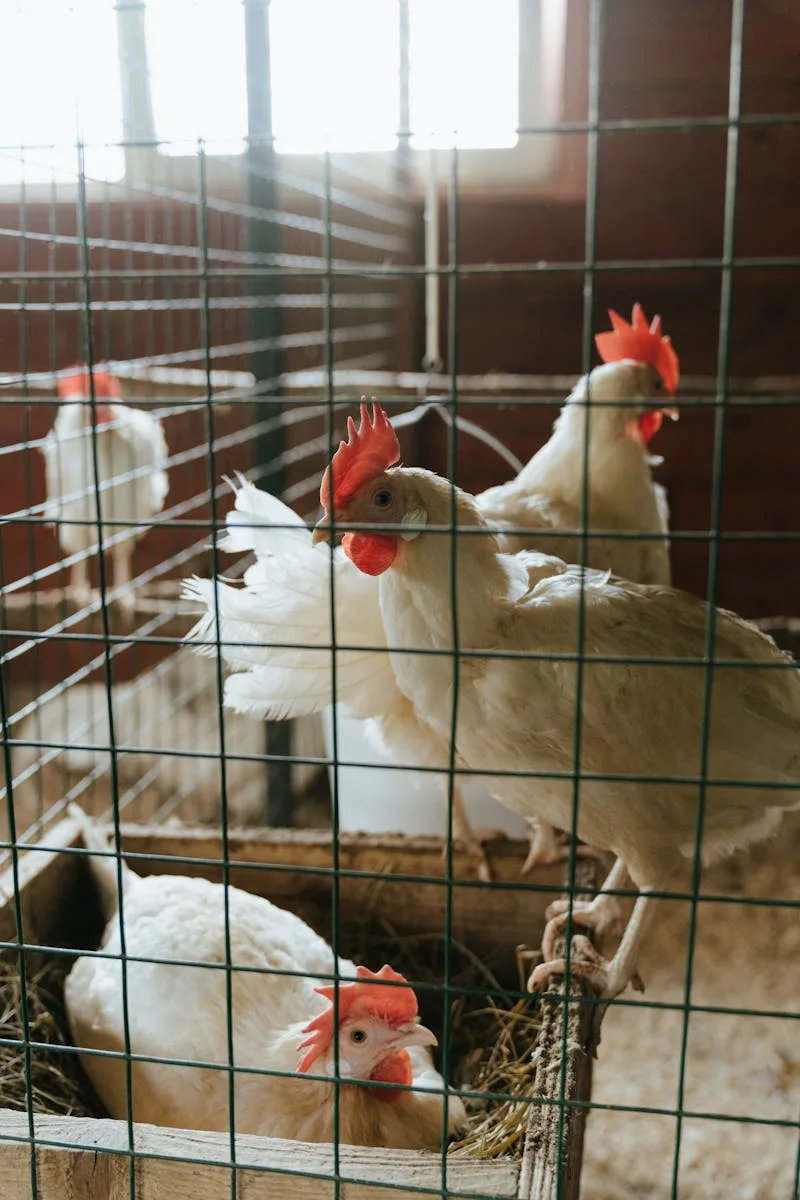
Roosting is instinct, not preference. Junglefowl fly up into trees at dusk to sleep out of reach of ground predators, and your backyard hens carry the same wiring. Come nightfall they climb to the highest safe spot they can find and pack together. If the highest spot in your coop is the lip of a nest box, that is where they sleep, and that causes three real problems.
Dirty eggs and ruined bedding. A chicken does most of its pooping overnight while it sleeps. Birds sleeping in the nest boxes cake manure on the boxes and eggs every morning. A roost set higher than the boxes pulls the flock out of the nests and drops that manure in one predictable line instead. Put a board or tray under it and you catch the bulk, the easiest way to cut coop ammonia and feed a compost bin.
Cold, damp birds. A chicken on the floor sits in its own droppings and soaks up cold and moisture from the bedding. A bird up on a bar stays dry, and a huddle on a roost shares body heat through the night. This matters most in winter, when floor-sleeping birds are far more prone to frostbite. Roosting is part of keeping chickens warm in winter without adding heat.
Stress and squabbling. The pecking order plays out on the roost. Higher-ranking birds take the top spots, and if there is not enough bar to go around, lower-ranking hens get shoved off onto the floor. Enough roost length for every bird keeps the peace.
Get roosting right and your birds sleep secure, dry, and warm, and your morning cleanup shrinks to sweeping one line of droppings. For the rest of setting up a coop the flock will use, our beginner's guide to raising backyard chickens walks through it.
Roost Bar Basics: Shape, Width, and Height
Before you buy, it helps to know what makes a roost work, because the specs that matter are not always the ones a listing brags about.
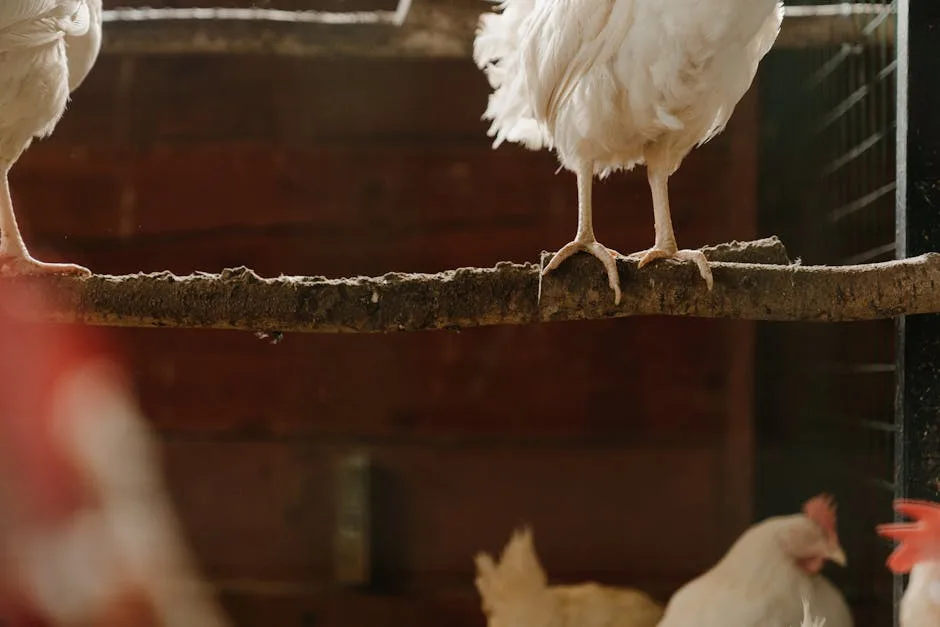
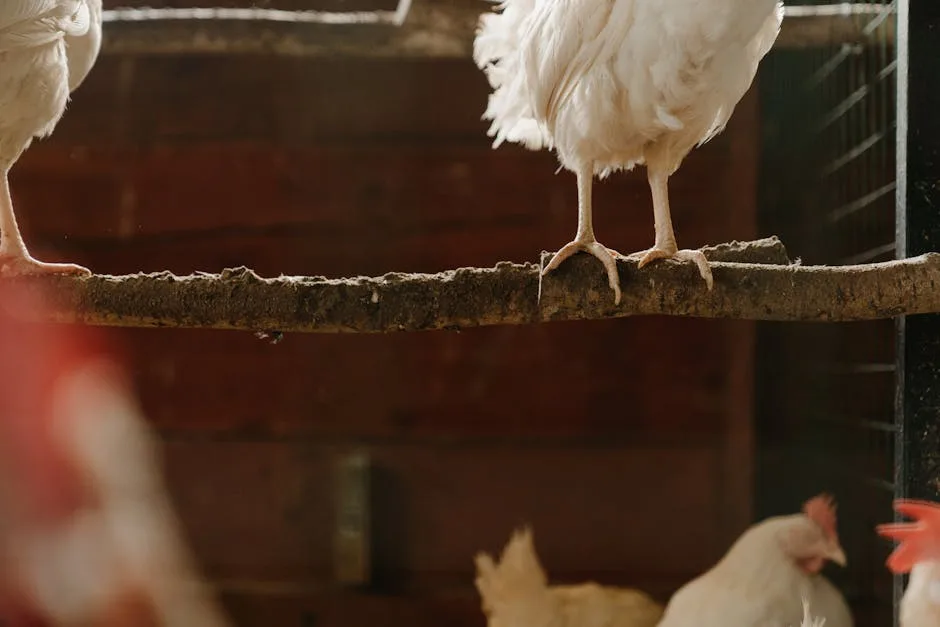
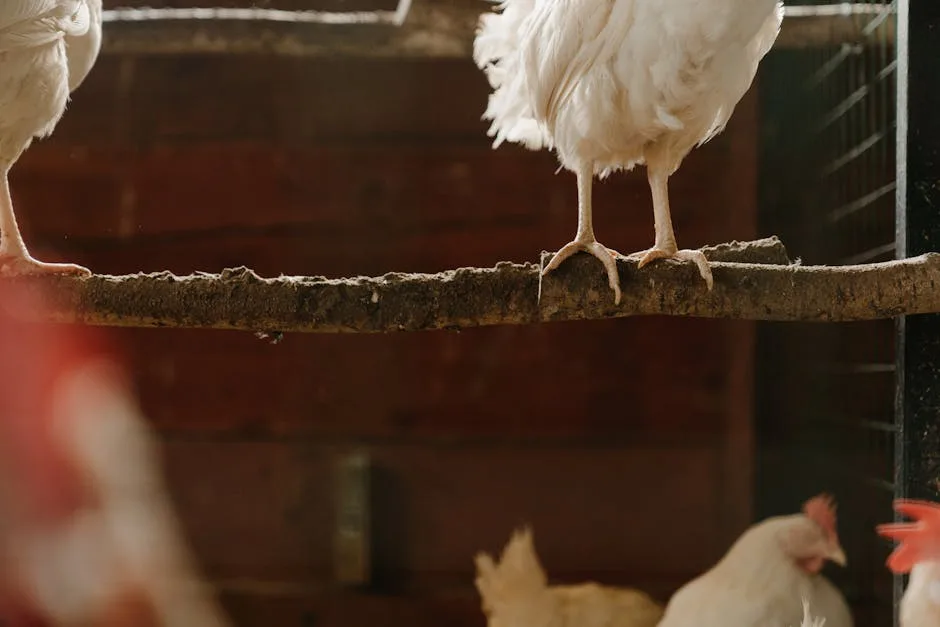
Shape and width. A chicken is not a parrot. It does not wrap its toes around a thin round bar; it squats down and covers its feet with its warm belly feathers. That is why the classic cold-country advice is a 2x4 laid flat, wide side up, so the bird sits on a 3.5-inch surface and its toes stay tucked away from frost. In mild climates a rounded bar or branch about 1.5 to 2 inches across gives good grip, and many commercial perches use dowels in that range. Avoid anything thin, slick, or sharp: no broom handles, bare metal pipe, PVC, or hard square edges that dig into a foot pad.
Height and spacing. Roosts should sit higher than your nest boxes so birds prefer the bar, and at least a couple of feet off the floor so the flock feels safe. But higher is not always better: heavy breeds like Orpingtons, Brahmas, and Jersey Giants can bruise their feet landing from a tall roost, which starts a bumblefoot infection. A laddered or tiered arrangement lets them hop up and down in stages. If you run more than one bar, keep them 12 to 15 inches apart, both side to side and in stair-step height, so a bird up top does not poop on the one below and tail feathers clear.
Material and cleanliness. Untreated, sanded wood is the standard: warm to the touch, grippable, and it does not conduct cold into a bird's feet the way metal does. Being able to wipe the perch down or pull it out for a scrub is a real advantage, because roost bars are ground zero for mite infestations. If you find tiny crawling specks in the cracks, our chicken mite treatment guide covers how to clear them, and a smooth removable roost makes that job far easier.
Types of Roosting Bars and Perches
There is no single best design, only the best fit for your coop and flock. Here are the four you will actually shop for.
Freestanding roost ladders are the most common ready-made option: a metal or wood A-frame with several wooden rungs at stair-step heights. They stand on their own, so you can set one in a walk-in run or a coop without drilling, and the tiers let heavy birds climb up and down in easy hops. Most are sized for 4 to 8 birds and break down for cleaning. This is the sweet spot for keepers who want a drop-in solution.
Platform perches put a wide flat bar or small deck on a low, stable frame. They sit lower and sturdier than a tall ladder, which suits heavy breeds, timid birds, and anyone whose flock knocked over a lighter perch. A platform also makes it easy to slide a droppings tray underneath.
Perches with swings add a hanging or swinging perch to the roost. Chickens get bored in a small run, and a swing gives them something to do during the day, which cuts down on feather picking. Treat it as daytime enrichment; birds still want a solid, still bar to sleep on at night.
DIY bars and wall-mount brackets are the cheapest route. A sanded 2x4 on a pair of brackets, or a sturdy branch lashed between two supports, does the core job for the price of lumber. The catch is you build and mount it, and a bar screwed to the wall cannot move to a rental or a run. If you are building from scratch, our how to build a chicken coop guide and our free chicken coop plans show where the roost goes.
Most keepers land on one freestanding ladder or platform for the coop, plus a swing in the run if the birds spend long days confined. If you are still choosing the coop itself, our best chicken coops on Amazon and best walk-in chicken coops roundups cover that side.
Best Roosting Bars and Perches for Backyard Flocks
At a Glance
| Perch | Type | Size | Best For | Price |
|---|---|---|---|---|
| PawHut Ladder | Freestanding ladder | 55 x 33.75 in | Best overall, 4 to 6 birds | ~$36 |
| XCL Platform | Platform perch | 42 x 24 in | Stability, heavy breeds | ~$60 |
| Wenqik Large | Freestanding ladder | 55 x 41 in | Large / walk-in flocks | ~$38 |
| PawHut Wooden + Swing | Solid wood + swing | Multi-level | Best built, enrichment | ~$96 |
| UDPATIO 4-Tier | Freestanding ladder | 55 x 40 in | Budget multi-tier | ~$36 |
| Sunexinlo Swing | Perch + swing | Ladder + swing | Enrichment, small flocks | ~$38 |
1. PawHut Chicken Perch Roosting Bar Ladder: Best Overall
PawHut Chicken Perch Jungle Gym Roosting Bar Ladder. Around $36
This is the freestanding roost that comes up over and over for backyard flocks, and it earns the spot. A galvanized steel frame holds several smooth wooden rungs at stair-step heights, it stands on its own without any mounting, and at 55 by 33.75 inches it suits a flock of 4 to 6 birds in a coop or a walk-in run.
Why it works: The tiered layout is the whole point. Birds hop up and down in stages instead of one long drop, which protects the feet of heavier hens, and the wooden rungs give a natural, grippable, splinter-free surface that beats bare metal in cold weather. Galvanized steel shrugs off coop humidity, and the frame breaks down for cleaning, which keeps mites from settling in.
One thing to know: It is a drop-in perch, not a permanent fixture, so on a slick coop floor set it against a wall or weight the base until the flock learns to trust it. The wooden rungs are the right diameter for standard hens; very heavy breeds may prefer the flatter platform below.
2. XCL Platform Roosting Bar: Sturdiest for the Money
XCL Chicken Roosting Bars Platform Perch. Around $60
If your flock knocked over a lighter perch, or you keep heavy breeds that want a low, solid place to sit, this platform-style roost is the answer. It pairs a metal frame with a wide wood perch on a 42 by 24 inch footprint, so the center of gravity stays low and it does not tip when the whole flock lands at once.
Why it works: Stability and simplicity. A wide platform lets birds sit flat with their feet tucked, which is exactly what you want for frostbite protection and for heavy hens that cannot grip a round bar comfortably. The low profile also leaves clear space underneath for a droppings tray, so cleanup stays in one spot.
One thing to know: It holds fewer birds per square foot than a tall multi-tier ladder because it is one main level, so for a big flock in a small footprint, a laddered roost gives you more total perch length. For heavy or timid birds, the trade is worth it.
3. Wenqik Large Chicken Perch: Best for Large or Walk-In Flocks
Wenqik Large Chicken Perch Roosting Bars. Around $38
When you have a dozen or more birds, one small perch turns into a nightly turf war. This larger freestanding ladder runs 55 by 41 inches with galvanized steel supports and wooden poles, and the extra width and rungs give a big flock enough roosting length to settle without shoving.
Why it works: More total bar length is the fix for pecking-order squabbles at bedtime, and this one packs several tiers into a footprint that still fits a walk-in run or a larger coop. The galvanized frame handles the humidity a bigger flock throws off, and it stands on its own so you can position it wherever the airflow is best.
One thing to know: It is built for a walk-in run or a roomy coop, not a small A-frame; measure your interior height and floor space first. As with any freestanding roost, give it a stable spot and let the flock learn it over a few nights.
4. PawHut Wooden Coop Perches with Swing: Best Built
PawHut Wooden Chicken Coop Perches with Swing. Around $96
For the keeper who wants a roost that looks and feels like real furniture, this solid-wood perch is the step up. It combines multi-level roosting bars with a hanging swing on a heavier wooden build, sized for 4 to 6 birds, and it is the most substantial pick on this list.
Why it works: Solid wood throughout means warm, grippable perches with no cold metal against a sleeping bird's feet, and the heft keeps it planted. The built-in swing doubles the unit as daytime enrichment, which pays off for flocks that spend long stretches confined to a run and get bored. It is the most versatile piece here, roost and activity center in one.
One thing to know: It is the priciest option and stock runs thin, so if the button shows a search page the exact model has sold through; the freestanding ladders above do the core roosting job for a third of the price. Treat this as the upgrade for a keeper who wants one nice piece rather than the budget baseline.
5. UDPATIO Heavy Duty Metal and Wood Roosting Perch: Best Budget
UDPATIO Heavy Duty Metal and Wood Roosting Perch. Around $36
If you want a proven multi-tier roost without paying up, this 4-tier metal-and-wood ladder is the no-frills version. At 55 by 40 inches it gives a mid-size flock several rungs of perching length, and the metal frame with wooden bars follows the same template as the pricier ladders for less.
Why it works: It hits the essentials, smooth wooden rungs, a stair-step climb for easy landings, and a freestanding frame you can drop in anywhere, at a price that makes it an easy first roost. The wide footprint keeps it stable once the flock settles.
One thing to know: Like the other freestanding ladders, it is a drop-in unit rather than a bolted fixture, so anchor it against a wall on a slick floor. Check that the assembled height clears your coop ceiling before you order.
6. Sunexinlo Chicken Perch Swing with Ladder: Best Enrichment
Sunexinlo Chicken Perch Swing with Ladder. Around $38
Not every perch is about sleeping. This one pairs roosting bars with a swing and a ladder, sized for a small flock of around 6 to 8 birds or bantams, and it is aimed squarely at keeping confined chickens busy during the day.
Why it works: Bored chickens pick feathers and pick on each other, and a swinging perch gives them a harmless outlet, especially in a covered run where they cannot forage. The ladder rungs still work as a low roost for smaller and bantam breeds, so it pulls double duty as daytime toy and nighttime perch for the little ones.
One thing to know: A swing moves, so most birds will still choose a solid, still bar to actually sleep on; treat this as enrichment plus a bonus low roost, not the main sleeping perch for a full-size flock. It suits bantams and small flocks better than heavy breeds.
How Much Roost Space Does Your Flock Need?
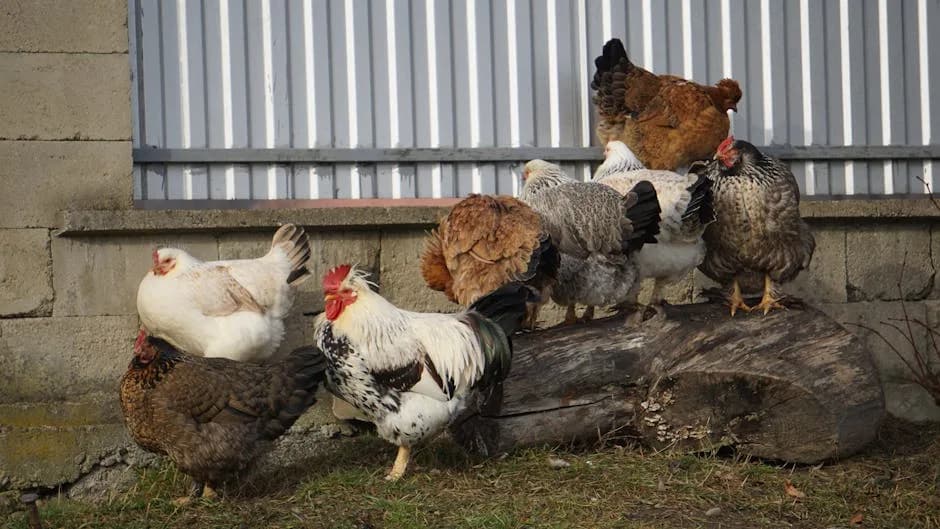
Size the roost to your flock, not to the coop. The rule of thumb is about 8 to 12 inches of roost length per standard-size bird, measured along the bars. Bantams need less, around 6 to 8 inches, and big heavy breeds like Brahmas and Jersey Giants want the full 12 or a touch more. Birds will pack tighter than that in winter to share heat and spread out in summer, so build in a little extra rather than cutting it close.
| Flock | Roost length needed | What to buy |
|---|---|---|
| 3 to 5 hens | ~3 to 5 ft total | One freestanding ladder or a single wall bar |
| 6 to 10 hens | ~6 to 9 ft total | A large ladder, or two bars at stair-step heights |
| 10 to 15 hens | ~10 to 14 ft total | A large walk-in roost plus a second bar |
| Bantams | ~6 to 8 in per bird | A smaller ladder or a low platform |
If you run more than one bar, remember it is total length that counts, so two 4-foot bars roost as many birds as one 8-foot bar and fit a smaller coop. Keep the bars off the walls a few inches so tail feathers clear, and always leave more length than your current headcount, because chicken math is real and the flock always grows. For deciding that headcount in the first place, see how many chickens a beginner should start with.
What Roosting Bars Really Cost
You do not need to spend much to roost a flock right. Here is what a starter setup and an upgraded one look like.
| Item | Starter setup | Upgraded setup |
|---|---|---|
| Main roost | Sanded 2x4 + brackets (~$12) | PawHut ladder (~$36) |
| Second perch | Skip until needed | XCL platform (~$60) |
| Enrichment | Skip | Perch swing (~$38) |
| Realistic total | ~$12 | ~$95 to $135 |
For most new keepers, a single freestanding ladder in the $35 to $60 range is the whole solution, and it drops in with no tools. The genuinely cheapest route is still a 2x4 you sand and mount yourself, and there is no shame in it; it is what a lot of experienced keepers use. Spend up only where it buys you something real: a platform for heavy or clumsy birds, a big walk-in roost so a large flock stops fighting at bedtime, or a swing to keep a confined run from turning into a feather-picking pit. Buy the roost that matches your flock's size and breeds, then add a droppings board underneath, which is the single upgrade that saves the most cleanup time.
Common Roosting Mistakes
Setting the roost lower than the nest boxes. Birds climb to the highest spot at night, so if the boxes are higher, they sleep in them and cake the eggs in manure. The roost must be the highest perch in the coop. If hens still pile into the boxes, block the boxes at dusk for a week to break the habit, then reopen them.
Using bare metal or thin round bars. Cold metal pulls heat straight out of a bird's feet and offers no place to tuck the toes, which invites winter frostbite, and slick or thin bars force birds to grip all night instead of resting flat. Use wood, and go wide or flat if your winters are cold. See our winter chicken care guide for the rest.
Mounting the roost too high for heavy breeds. A hard landing from a tall roost bruises foot pads and starts bumblefoot. Give heavy hens a laddered roost so they climb down in hops, and keep the landing zone clear of feeders, waterers, and anything sharp.
Skipping the droppings board. Most manure lands under the roost overnight. Without a board to catch it, that pile mats into the bedding, drives up ammonia, and doubles your cleaning. A removable board wiped each morning keeps the coop dry and feeds the compost. Stay on top of coop bedding and litter and the whole coop stays healthier.
Ignoring the roost when mites show up. Red mites and northern fowl mites live in the cracks of roost bars and feed on your birds at night. If your flock looks pale, stops laying, or hates going into the coop at dusk, check the underside of the roost with a flashlight. A smooth, removable perch is far easier to treat, and our mite treatment guide walks through clearing an infestation. A dust bath helps the birds keep parasites down on their own.
Frequently Asked Questions
How high should chicken roosting bars be?
Set the roost higher than your nest boxes and at least 18 inches to 2 feet off the floor so birds feel safe and prefer the bar to the boxes. Light, active breeds happily go higher, up to 4 feet or more. For heavy breeds like Orpingtons and Brahmas, keep the top bar lower or use a laddered roost so they can hop down in stages, because hard landings cause foot injuries.
What is the best shape for a roosting bar?
A flat or wide bar is best in most coops. Chickens do not grip a perch like wild birds; they squat down and cover their feet with their belly feathers, so a 2x4 laid flat (wide side up) lets them tuck their toes away from frost. In mild climates a rounded bar or branch about 1.5 to 2 inches across works well. Avoid thin, slick, or sharp-edged bars.
Can I just use a 2x4 for a roost?
Yes, and many experienced keepers do. A sanded 2x4 mounted wide side up is one of the best roosts you can offer, especially in cold climates, because the flat surface protects feet from frostbite. Round the edges, sand out splinters, and mount it securely higher than the nest boxes. A ready-made freestanding perch mainly buys convenience and the ability to move it.
How much roosting space does each chicken need?
Plan on about 8 to 12 inches of roost length per standard-size bird, less for bantams and a little more for large heavy breeds. Total bar length is what matters, so two shorter bars roost as many birds as one long one. Always provide more length than your current headcount so lower-ranking birds are not pushed onto the floor.
Why won't my chickens use their roost?
Usually the roost is not the highest spot, so they sleep in the nest boxes or on a ledge instead. Make sure the bar sits above everything else. Young birds may simply not have learned yet, so place them on the roost after dark for a few nights and they will get the idea. A wobbly or too-thin bar also gets refused, so make it stable and wide.
Do chickens need a perch or swing in the run?
Not essential, but it helps if your flock spends long days confined to a run with little to forage. Bored chickens pick feathers and bully each other, and an enrichment perch gives them a harmless outlet. Birds still want a solid, still bar to sleep on at night, so treat a swing as daytime activity, not their main roost.
At what age do chicks start roosting?
Chicks begin trying to perch as early as 4 to 6 weeks old. Offer a low perch a few inches off the brooder floor and they will practice hopping up. By the time they move to the coop, most roost on their own; start them low and raise the height as they grow more coordinated.
How do I keep mites out of my roosting bars?
Choose a smooth, sealed, removable perch so there are fewer cracks for red mites and northern fowl mites to hide in, and inspect the underside of the bars with a flashlight after dark. If you find mites, treat the roost itself, not just the birds, since the parasites live in the wood and only come out at night to feed.
For more on setting up a coop your flock will thrive in, see our beginner's guide to raising backyard chickens, and if predators are a worry once your birds are roosting at night, our predator-proofing guide covers how to keep them safe until morning.
Sources:
- •University of Kentucky, Poultry Extension. Small flock housing and management. https://afs.ca.uky.edu/poultry
- •Penn State Extension. Poultry housing and equipment. https://extension.psu.edu/animals/poultry
- •Michigan State University Extension. Housing considerations for small poultry flocks. https://www.canr.msu.edu/
- •Merck Veterinary Manual. Bumblefoot and external parasites of poultry. https://www.merckvetmanual.com/poultry
Product prices and availability are accurate as of the date shown and are subject to change. Any price and availability information displayed on Amazon at the time of purchase will apply to the purchase of this product.
Related Guides
Best Chicken Coop Bedding and Litter (2026 Reviews)
The best chicken coop bedding for 2026. Pine shavings, hemp, aspen, and odor-control litter compared, with pros, cons, and pricing for every flock and budget.
Gear ReviewsBest Feed Storage Containers for Chickens (2026)
Best feed storage containers to keep chicken feed dry, fresh, and safe from rats and mice. Airtight bins, galvanized cans, and rolling bins compared.
Gear ReviewsWhat Is a Chicken Tractor? Benefits, Plans & Uses
A chicken tractor is a floorless, movable coop that gives your flock fresh grass daily. Learn the benefits, sizing, DIY plans, and how to use one.
Gear ReviewsBest Compost Bin for Chicken Manure (And How to Compost It)
The best compost bins for chicken manure, from a $36 wire ring to dual-chamber tumblers, plus the temperatures, ratios, and waiting periods that make it safe.