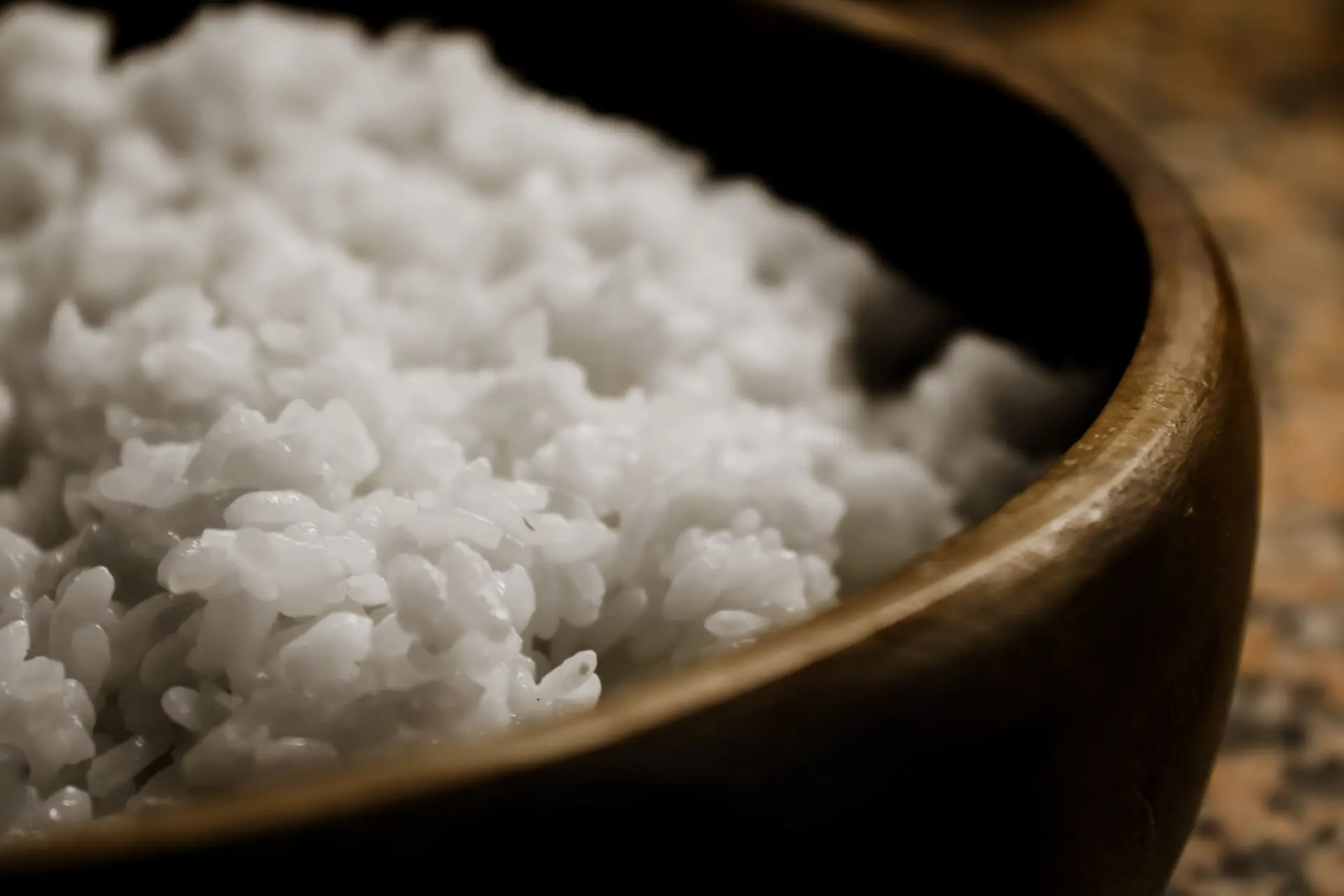
Can Chickens Eat Rice? Cooked, Raw, and the Swelling Myth
Chickens can eat rice, cooked or uncooked, and the myth that dry rice swells and hurts birds is false. What rice offers, brown vs white, and how much.
Researched from university extension, USDA, and veterinary sources. How we research.
Yes, chickens can eat rice, cooked or uncooked, white or brown, and the warning you may have heard about dry rice swelling inside a bird and killing it is a myth. Rice is a grain, chickens are grain eaters, and wild birds from ducks to bobolinks feed in rice fields without incident. What rice is not is nutritious: it is nearly all starch, and a hen that fills up on it eats less of the layer feed that makes eggs. That makes rice a harmless occasional filler and a poor regular treat.
This guide covers the swelling myth and where it came from, what rice offers a hen, cooked versus uncooked, brown versus white, leftovers, how much, and chicks.
Is Rice Safe for Chickens?
Yes. Rice is not on the University of Florida's extension list of foods never to feed chickens, and it carries no toxin, seed, or pit to worry about. Plain rice, cooked or raw, is safe. The things that make rice unsafe are what people put on it: salt, butter, oil, and sauces, and salty food is on the never list on its own.
The Swelling Myth
The claim is that uncooked rice absorbs water in a bird's crop, swells, and ruptures it, which is why some weddings switched from rice to birdseed. The Cornell Lab of Ornithology has answered this one directly: there is no truth to it, many wild birds feed on rice in the field, and it is easily digestible. The Lab's ornithologists urged people to keep throwing rice. A University of Kentucky biologist tested the physics in 2005 and found that soaked white rice expanded by about a third in volume, while ordinary birdseed expanded even more, at about 40 percent, so if rice could burst a bird, birdseed would too. Neither does. A chicken's crop is a stretchy storage pouch built to hold a day's worth of dry grain that swells as it softens; that is its job.
So uncooked rice is safe. It is also hard and small, and a hen gets less out of it than from cooked rice, but there is nothing to fear in a spilled bag.
What Is in Rice
USDA figures for plain cooked white rice put 100 grams at about 68 percent water, 2.7 grams of protein, almost no fiber, sugar, or fat, and 130 calories of starch. Brown rice adds a little fiber and fat. For a hen, either one is energy and nothing else:
- •No protein to speak of. Layer feed runs 14 to 16 percent protein; cooked rice is under 3.
- •No calcium. A layer needs about 4 percent calcium in her ration for shells; rice has essentially none.
- •Filling. A crop full of rice is a crop with no room for feed, which is the whole problem with starchy scraps.
Rice is a reasonable way to use up leftovers and a reasonable base for a warm winter mash with a scrambled egg and some greens mixed in. It is not something a flock benefits from on its own.
Cooked vs Uncooked Rice
Cooked rice, plain and cooled, is the easy form: soft, quick to eat, and a good carrier for things a hen actually needs, like egg or chopped greens. Uncooked rice is safe but hard, and hens treat it like small grit-sized grain; a flock will eat it, slowly. Brown or white makes little difference to a chicken. Wild rice and rice bran are also safe.
Rice with salt, butter, or sauce is the version to skip. USDA lists white rice cooked with salt at close to 400 milligrams of sodium per 100 grams, and Florida's extension warns that too much salt leads to dehydration and kidney damage in chickens. Fried rice, rice from a takeout container, and risotto go in the compost.
How Much Rice Can Chickens Eat?
A tablespoon or two of cooked rice per hen, once or twice a week, is plenty. The extension guideline for all treats combined is no more than the flock finishes in about 20 minutes, and because rice is filling, err low. A flock that gets rice daily will show it in the egg count within a few weeks, because rice displaces the protein and calcium in feed.
Can Baby Chicks Eat Rice?
Not worth it. Chicks need the protein in starter feed, and rice is starch. If you want to offer a treat, a crushed mealworm, grated carrot, or a halved blueberry gives a chick something it can use. See the brooder setup guide.
Rice vs Other Starchy Scraps
| Food | Protein per 100 g | Sodium | Notes |
|---|---|---|---|
| Cooked white rice, plain | 2.7 g | Under 10 mg | Filler; safe |
| Cooked white rice, salted | 2.7 g | About 380 mg | Skip |
| Bread, white | 8.9 g | About 490 mg | Salt and empty calories |
| Popcorn, air-popped plain | 12.9 g | Under 10 mg | The best of the starchy treats |
| Cooked potato, plain | About 2 g | Under 10 mg | Never green or raw |
Frequently Asked Questions
Can chickens eat uncooked rice?
Yes. The swelling story is a myth; wild birds eat raw rice in the field and the Cornell Lab of Ornithology has said so plainly. It is hard and slow for a hen to eat, so cooked is the more useful form.
Can chickens eat cooked rice?
Yes, plain and cooled, in small amounts. Not rice cooked with salt, butter, oil, or sauce.
Is rice good for chickens?
No, it is just harmless. Rice is starch with almost no protein or calcium, so it fills a hen without feeding her. Use it as an occasional filler or a base for a mash with egg and greens.
Can chickens eat brown rice?
Yes. Brown rice has a little more fiber and fat than white; for a chicken the difference is small.
Can baby chicks eat rice?
Better not. Chicks need starter feed's protein, and rice has almost none.
How much rice can chickens eat?
A tablespoon or two per hen once or twice a week, and less if the eggs drop off.
Bottom Line
Rice is safe cooked or raw, the swelling myth is a myth, and the only real rule is plain and small. It is a filler, not a treat with any value, so keep it occasional. For the full list of what chickens can and cannot eat, see what can chickens eat.
Sources:
- •The Cornell Lab of Ornithology, All About Birds. Is it true that rice causes birds' stomachs to explode? (myth debunked; rice expansion versus birdseed). https://www.allaboutbirds.org/news/im-getting-married-next-month-is-it-true-that-rice-causes-birds-stomachs-to-explode/
- •USDA FoodData Central. Rice, white, long-grain, regular, unenriched, cooked without salt (SR Legacy, FDC ID 169757); cooked with salt (168935); Bread, white, commercially prepared (174924); Snacks, popcorn, air-popped (167959). https://fdc.nal.usda.gov/food-details/169757/nutrients
- •UF/IFAS Extension Holmes County. 10 Foods You Should Never Feed Chickens (salty foods). https://blogs.ifas.ufl.edu/holmesco/?p=28475
- •University of Florida IFAS Extension. Raising Backyard Chickens for Eggs, AN239 (layer feed protein and calcium). https://ask.ifas.ufl.edu/publication/AN239
- •Poultry Extension (eXtension). Feeding Chickens for Egg Production in Small and Backyard Flocks (the 20-minute rule; scraps and egg production). https://poultry.extension.org/articles/feeds-and-feeding-of-poultry/feeding-chickens-for-egg-production/
Related Guides
Can Chickens Eat Broccoli? Stems, Leaves, Raw or Cooked
Chickens can eat broccoli, raw or cooked, florets to stems. What the goitrogen worry actually amounts to, why a hanging head beats a pile, and how much to feed.
Feed & NutritionCan Chickens Eat Carrots? Raw, Cooked, Tops, and Peels
Chickens can eat carrots raw or cooked, tops included. Why raw carrots need grating, what beta-carotene does and does not do for yolks, and how much to feed.
Feed & NutritionCan Chickens Eat Potatoes? Cooked Yes, Green or Raw No
Chickens can eat plain cooked potatoes. Green, sprouted, and raw ones are the problem: solanine, and starch that barely digests. Peels, sweet potatoes, amounts.
Feed & NutritionCan Chickens Eat Oranges? The Citrus Myth and Peels
Chickens can eat oranges. No extension source lists citrus as harmful, and the calcium myth has no evidence behind it. Peels, seeds, other citrus, and how much.