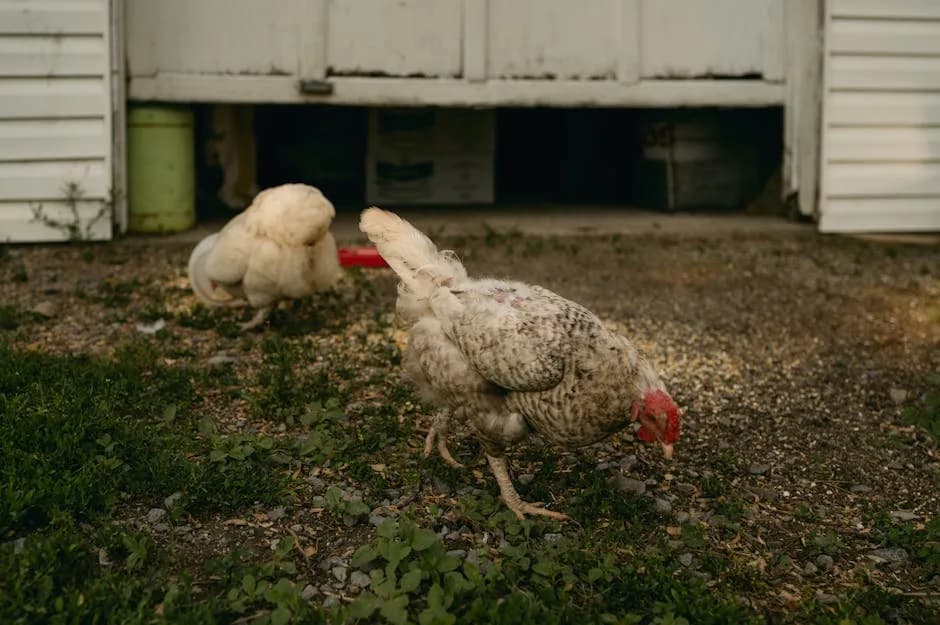
Best Grit and Oyster Shell for Chickens (2026)
The best grit and oyster shell for backyard chickens. Insoluble grit for digestion and oyster shell for strong eggshells, compared by flock size and budget.
Researched from university extension, USDA, and veterinary sources. How we research.
Grit and oyster shell are two of the cheapest things you'll put in front of your flock, and the two most often confused. They look alike in the bag, and plenty of new keepers buy one thinking it does the other's job. It doesn't. Grit grinds food, oyster shell builds eggshells, and your birds need both for completely different reasons. Mixing them up is how you end up with soft-shelled eggs or a hen that can't digest her scratch.
Best for most keepers: Mile Four Grit & Oyster Shell Bundle. One order covers both jobs, 4 pounds of each, USA-mined. Around $38.
Best grit: Manna Pro Poultry Grit with Probiotics. Crushed granite, the most trusted name in the coop. Around $19 for two 5-pound bags.
Best oyster shell: Mile Four Oyster Shell. Single-ingredient calcium for laying hens. Around $20.
We keep chickens, so this list comes from what actually sits in our feeders, not a spec sheet. Below is what each product is for, who needs it, and how to feed it so a $20 bag lasts your flock months.
Quick Answer: Best Grit and Oyster Shell
| Need | Pick | Price |
|---|---|---|
| Both, in one order | Mile Four Grit & Oyster Shell Bundle | ~$38 |
| Best grit (adult birds) | Manna Pro Poultry Grit | ~$19 |
| Most grit per dollar | Morning Bird Poultry Grit 18 lb | ~$43 |
| Grit for chicks | Scratch and Peck Starter Grit | ~$19 |
| Best oyster shell | Mile Four Oyster Shell | ~$20 |
| Cheapest oyster shell | Small Pet Select Flaked Oyster Shell | ~$15 |
| Big flock / bulk calcium | Homestead Harvest Coastal Oyster Shell 50 lb | ~$61 |
What You'll Learn
- •How We Picked
- •Grit vs Oyster Shell: Two Different Jobs
- •Does Your Flock Need Grit?
- •Best Grit for Chickens
- •Why Laying Hens Need Oyster Shell
- •Best Oyster Shell for Chickens
- •Best Combo Pick: Grit and Shell in One Order
- •How to Feed Grit and Oyster Shell
- •What Grit and Oyster Shell Really Cost
- •Common Mistakes
- •Frequently Asked Questions
How We Picked
Grit and oyster shell are commodity minerals, so the differences between brands are smaller than they are with feeders or coops. That makes a few things matter more. We looked for a clean ingredient list first: good grit is nothing but crushed granite, flint, or quartzite, and good oyster shell is nothing but crushed shell. Anything with fillers or added salt is paying for weight you don't want.
We weighed the size of the piece against the age of the bird it's sold for, because a grit that's too fine does nothing for a full-grown hen and a grit that's too coarse can bind a chick. We checked that each product was in stock and pointed at the exact item described, since cheap supplements go in and out of stock constantly. And we kept a value pick at both ends, so there's something sensible whether you have four hens or forty.
No free samples, no paid spots. These are the bags we'd buy for our own birds.
Grit vs Oyster Shell: Two Different Jobs
This is the part worth slowing down for, because everything else follows from it.
Grit is insoluble. It's crushed granite, flint, or quartzite that does not dissolve in the bird. A chicken has no teeth, so it swallows food whole into the gizzard, a muscular pouch that squeezes and grinds, and the grit sitting in there is what does the grinding. Think of it as the bird's teeth, stored in its stomach. Without grit, a chicken can't fully break down whole grains, scratch, treats, or tough forage. Grit is about digestion, and every bird can use it, hens and roosters and chicks alike.
Oyster shell is soluble. It's crushed shell, almost pure calcium carbonate, that dissolves in the hen's gut where the calcium is absorbed. Most of that calcium goes straight to the eggshell. A laying hen puts roughly two grams of calcium into every shell she makes, and if she comes up short she'll pull it from her own bones. Oyster shell is about eggshell strength and skeletal health, mainly for birds that are actively laying.
The simple version: grit helps a bird digest its food, oyster shell helps a hen build a shell. They are not interchangeable. Oyster shell is far too soft to grind anything in the gizzard, and granite grit carries no usable calcium. If you keep laying hens that eat anything beyond plain commercial feed, you want both on hand.
Does Your Flock Need Grit?
Almost certainly yes, but it depends on what your birds eat.
If a chicken eats only commercial pellets or crumble, it can get by without supplemental grit, because that feed is already ground fine and dissolves easily. The moment it eats anything else, the math changes. Scratch grains, whole corn, kitchen scraps, mealworms, long grass, weeds, treats of any kind: all of it needs grinding in the gizzard.
Free-range birds pick up small stones and coarse sand on their own, and in some yards that's enough. But the ground isn't a reliable supplier: sandy soil, heavy clay, a lawn with no exposed dirt, deep bedding, or winter snow can all leave a bird with nothing hard to swallow. The safe move is to offer grit free choice year-round and let the birds take what they need. A bag lasts a long time, because a chicken needs only a little.
Chicks need care here. A chick on only starter crumble doesn't need grit, but the day you offer anything else, even a few blades of grass, it needs chick-sized grit to handle it. Our week-by-week chick guide and chick starter kit roundup cover where grit fits in those first weeks.
Best Grit for Chickens
Grit at a Glance
| Grit | Material | For | Size | Price |
|---|---|---|---|---|
| Manna Pro Poultry Grit | Crushed granite | Adult birds | Two 5 lb bags | ~$19 |
| Morning Bird Poultry Grit | Mineral grit | Adult birds, big flocks | 18 lb | ~$43 |
| Scratch and Peck Starter Grit | Crushed granite | Chicks 1 to 8 weeks | 7 lb | ~$19 |
1. Manna Pro Poultry Grit with Probiotics: Best Overall
Manna Pro Poultry Grit with Probiotics. Around $19 for a two-pack
This is the grit you'll see in more backyard coops than any other. It's insoluble crushed granite sized for adult birds, with a dusting of probiotics for gut health. This listing is a two-pack of 5-pound bags, so you get 10 pounds, close to a year's supply for a small flock.
Why it works: Granite is hard and angular, and stays in the gizzard long enough to do real grinding before it wears down. The piece size is right for grown hens, and quality is consistent bag to bag. The probiotics are a minor bonus, not the reason to buy.
One thing to know: This is adult-sized grit. It's too coarse for young chicks, so keep a bag of chick grit separate until your birds are grown. If you'd rather start small, Manna Pro also sells a 5-pound chick-grit version for around $10.
2. Morning Bird Poultry Grit (18 lb): Most Grit Per Dollar
Morning Bird Poultry Grit 18 lb. Around $43
If you run a bigger flock or just hate reordering, the 18-pound bag is the sensible buy. The per-pound price beats the small bags by a wide margin, and grit keeps forever as long as it stays dry.
Why it works: It's a mineral-rich grit sized for laying hens and grown birds, and the big bag means you set it out once and forget about it for most of a year. For a flock of ten or more, this is the one that makes economic sense.
One thing to know: Store it dry with the top rolled shut. Grit doesn't spoil, but a bag left open in a damp coop clumps and picks up bedding. A lidded feed storage container keeps it clean.
3. Scratch and Peck Starter Grit for Chicks: Best for Chicks
Scratch and Peck Starter Grit. Around $19
Chicks need grit too, just much smaller. This is crushed granite ground down to a chick-safe size, meant for birds roughly one to eight weeks old that are eating anything beyond plain starter. The 7-pound pouch is far more than a brooder of chicks will use, so you'll have plenty left for the next batch.
Why it works: The fine particle size passes safely through a chick's small system while still giving the gizzard something to grind with. Scratch and Peck keeps the ingredient list to exactly one thing, crushed granite, with no additives.
One thing to know: Match the grit to the bird. Chick grit is too fine to do much for an adult hen, and adult grit is too coarse for a two-week-old chick. Step up to a grower or adult size once the birds are eight weeks or so. Scratch and Peck sells a grower size in the same line for the in-between stage.
Why Laying Hens Need Oyster Shell
A laying hen is doing something physically expensive: building a calcium shell around an egg, often every day. That shell is about 95 percent calcium carbonate and draws down roughly two grams of calcium per egg. Over a year of heavy laying, that's more calcium than the hen carries in her whole skeleton at once.
Layer feed already includes calcium, usually around 4 percent, and for many hens that's enough. But birds vary, demand spikes in peak lay and in heat, and older hens absorb calcium less efficiently. When a hen runs short, it shows up in the nest box: thin shells you can almost see through, rough or bumpy shells, soft rubbery ones, or eggs that crack as you pick them up. Our egg problem guide covers what each points to.
Oyster shell is the standard fix. Offered free choice in its own dish, it lets each hen top up exactly as much calcium as she needs: a hen that needs it eats it, one that doesn't leaves it alone. That self-regulation is why you offer it separately rather than mixing it into feed, and why it's a near-universal staple in laying flocks. Set it out when your pullets approach laying age or the first egg shows up.
One caution: oyster shell is for layers. Chicks, growing pullets, and roosters don't need the extra calcium, and too much over time is hard on the kidneys and growth of non-laying birds. Free choice in a separate dish handles this on its own, since birds that don't need calcium won't eat much. The problem only shows up if you mix heavy calcium into the main feed of a mixed-age flock.
Best Oyster Shell for Chickens
Oyster Shell at a Glance
| Oyster Shell | Size | Ingredients | Best For | Price |
|---|---|---|---|---|
| Mile Four | 4 lb | 100% oyster shell | Overall pick | ~$20 |
| Small Pet Select Flaked | 5 lb | 100% flaked shell | Value | ~$15 |
| Scratch and Peck | 4 lb | 100% oyster shell | Natural feeds | ~$20 |
| Homestead Harvest | 50 lb | Coastal oyster shell | Big flocks | ~$61 |
1. Mile Four Oyster Shell: Best Overall
Mile Four Oyster Shell for Egg-Laying Hens. Around $20
Mile Four keeps this as clean as oyster shell gets: a single ingredient, crushed shell, USA-sourced. The piece size is easy for hens to pick up, and the 4-pound bag is a realistic amount for a small flock, which can take a couple of months to work through it.
Why it works: You're paying for calcium, not fillers, and the consistent crush means hens get usable pieces rather than dust at the bottom of the bag. It's the oyster shell we reach for first.
One thing to know: Four pounds goes further than new keepers expect, because hens eat shell by the pinch. If you have more than eight or ten birds, step up to a bigger bag so you're not reordering constantly.
2. Small Pet Select Flaked Oyster Shell: Best Value
Small Pet Select Flaked Oyster Shell. Around $15
This is the cheapest clean option on the list and still 100 percent oyster shell. The flaked texture is a little finer than the crushed type, which some keepers find hens take to more readily, and at 5 pounds for around $15 it's the best price per pound among the small bags.
Why it works: It does exactly what the pricier bags do at a lower cost, with the same single-ingredient honesty. For a keeper watching the budget, there's no reason to spend more on a mineral supplement.
One thing to know: The flaked form can carry a bit more fine dust than the coarse crush. Set it out in a dish with a lip so the powder doesn't blow away, and the hens will clean up the rest.
3. Scratch and Peck Oyster Shell: Best for Natural-Feed Flocks
Scratch and Peck Oyster Shell. Around $20
If you already feed Scratch and Peck's whole-grain, natural-leaning feeds, their oyster shell rounds out the system with the same clean sourcing. It's a straightforward crushed oyster shell in a resealable 4-pound pouch, aimed at chickens and ducks alike.
Why it works: Same job as the others, from a brand that keepers who care about ingredient sourcing already trust. The resealable pouch is a small nicety that keeps the shell dry between refills.
One thing to know: It's priced like the Mile Four bag, so pick between them on brand loyalty and whichever is in stock. Function is the same.
4. Homestead Harvest Coastal Oyster Shell (50 lb): Best for Big Flocks
Homestead Harvest Coastal Oyster Shell 50 lb. Around $61
For a large laying flock, buying shell 4 pounds at a time gets old and expensive. The 50-pound bag drops the per-pound cost sharply and supplies a sizeable flock for a long time. It's coastal oyster shell crushed to a hen-friendly size.
Why it works: Calcium is calcium, and the only real variable at scale is price per pound. A 50-pound bag wins that comparison and spares you a dozen reorders.
One thing to know: This much shell has to stay bone dry, or it cakes. Decant it into a sealed bin and scoop from there rather than leaving the bag open in a humid coop.
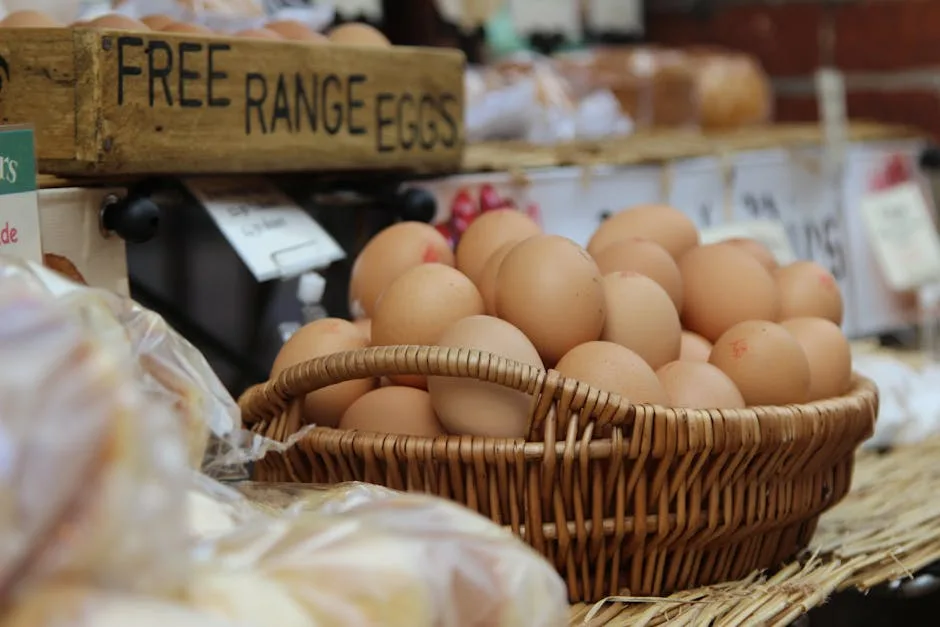
Best Combo Pick: Grit and Shell in One Order
Mile Four Chicken Grit & Oyster Shell Bundle
Mile Four Grit & Oyster Shell Bundle. Around $38
If you've read this far and just want both jobs handled in one click, this is it. The bundle pairs 4 pounds of natural mineral grit with 4 pounds of limestone-and-oyster calcium, both USA-mined, so you set out two dishes and cover digestion and eggshells at once.
Why it works: It takes the one decision new keepers get wrong, buying grit when they needed shell or the reverse, off the table. You get both minerals in a single order, in sensible small-flock amounts, from a brand that keeps its ingredient lists clean. For a first laying flock, it's the simplest honest start.
One thing to know: Keep the two dishes clearly separate so you can see which one your birds are actually emptying. That tells you whether your soil is short on grit, your hens are short on calcium, or both. At 4 pounds each, a small flock will run through the shell faster than the grit, which is normal.
How to Feed Grit and Oyster Shell
The method is the same for both, and it's refreshingly low-effort: offer them free choice, in their own containers, separate from the feed and from each other.
Use a separate dish, not the feed. Free choice lets each bird take what it needs and leave the rest, which is how a hen regulates her calcium and a rooster avoids getting too much. A small open dish, a wall-mounted length of PVC, or a cup all work. Some keepers run a two-compartment feeder, grit on one side and shell on the other, beside the main feeder and waterer.
Keep it dry and off the ground. Both minerals clump when wet and foul fast where birds scratch. Mount the dish at about back height or set it on a block, the way you'd raise a feeder.
Offer it year-round. There's no season to start or stop. Hens need calcium across the year and grit always works in the gizzard, so just keep the dishes topped up and let the birds set the pace.
Amounts take care of themselves. You don't measure free-choice minerals, you watch the dishes. If the shell empties fast while you still see thin shells, your hens need it and are using it. If the grit dish barely moves and your birds range over gravelly ground, they may be getting enough already. In hot spells, add a little poultry electrolyte to the water, since heat stress hits shell quality hard.
A note on crushed eggshell: you can feed your hens' shells back to them for calcium, and it works, but it's less consistent than oyster shell and you must dry and crush it well so birds don't connect it to eating eggs. Treat it as a supplement, not a replacement.
What Grit and Oyster Shell Really Cost
This is the rare corner of chicken keeping where the budget is tiny. Here's a realistic picture for a small flock versus a large one over a year.
| Setup | Small flock (4 to 6 hens) | Large flock (15+ hens) |
|---|---|---|
| Grit | Manna Pro two-pack (~$19) | Morning Bird 18 lb (~$43) |
| Oyster shell | Mile Four 4 lb (~$20) | Homestead Harvest 50 lb (~$61) |
| Rough yearly total | ~$40 | ~$100 |
A small flock often spends under $40 a year on both combined, because birds eat these minerals by the pinch: a 4-pound bag of oyster shell can last four to six hens a couple of months, and 10 pounds of grit most of a year. The bigger bags only pay off once you have enough birds to get through them. Next to your feed bill, grit and oyster shell barely register, which is why skipping them makes no sense. Pennies a day heads off soft shells and digestive trouble that cost far more to fix.
Common Mistakes
Buying grit when you needed oyster shell, or the reverse. The single most common mix-up. Grit grinds, shell builds eggshell. If you came for stronger shells, you want oyster shell. If your birds can't digest their scratch, you want grit. When in doubt, the combo bundle settles it.
Mixing oyster shell into the whole flock's feed. This forces calcium on chicks, pullets, and roosters that shouldn't get it, and too much over time damages their kidneys and growth. Always offer shell free choice in a separate dish so only the hens that need it eat it.
Skipping grit because the birds free-range. Sometimes the yard supplies enough, often it doesn't. Clay, sand, deep bedding, and snow all leave birds short. Offer grit anyway and let them take it or leave it.
Feeding chick grit to grown hens. Chick grit is too fine to grind an adult's food, and adult grit is too coarse for a chick. Match the particle size to the bird's age.
Letting the dish get wet. Damp grit clumps and damp shell cakes, and birds won't touch fouled minerals. Keep both dry, covered, and off the ground.
Starting oyster shell too early. Growing pullets don't need it until they approach point of lay, around 18 weeks. Set it out when the first eggs appear, not in the brooder.
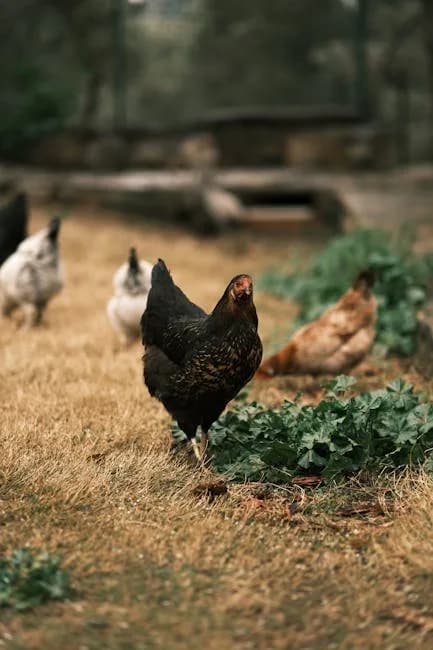
Getting grit and oyster shell right is one of the easiest wins in the whole hobby: a few dollars, two dishes, and your birds handle the rest. If you're still building out the rest of your setup, our feeder and waterer guide and our complete feeding guide cover what goes in the other dishes.
Frequently Asked Questions
What is the difference between grit and oyster shell?
Grit is insoluble crushed stone (granite, flint, or quartzite) that stays in the gizzard and grinds up food, since chickens have no teeth. Oyster shell is soluble crushed shell that dissolves in the gut and supplies calcium for eggshells. Grit is for digestion, oyster shell is for eggshells, and they are not interchangeable.
Can oyster shell be used as grit?
No. Oyster shell is soft and dissolves in the gut, so it can't grind food the way hard granite grit does. A hen eating oyster shell still needs separate insoluble grit to digest whole grains, scratch, and forage.
Do chickens need grit if they free-range?
Often, but not always. Birds pick up stones and coarse sand on their own, and in gravelly yards that can be enough, but sandy soil, heavy clay, bare lawns, deep bedding, and snow can all leave them short. Offer grit free choice year-round and let them take what they need.
When should I start giving my hens oyster shell?
Around point of lay, roughly 18 weeks, or whenever the first eggs appear. Chicks, growing pullets, and roosters don't need the extra calcium, so there's no reason to offer it in the brooder.
How much grit and oyster shell do chickens need?
You don't measure it: offer both free choice in separate dishes and the birds self-regulate. A small flock eats little, a 4-pound bag of oyster shell can last four to six hens a couple of months and 10 pounds of grit most of a year.
Can I use crushed eggshells instead of oyster shell?
You can feed dried, crushed eggshells back to your hens for calcium, and it works as a supplement. It's less consistent than oyster shell, and you should crush them well so birds don't start eating their own eggs. Most keepers use oyster shell as the base and treat eggshell as a bonus.
Should I mix oyster shell into the feed?
No. That forces calcium on chicks, pullets, and roosters that shouldn't get it, which harms their kidneys and growth over time. Offer it free choice in a separate dish so only the hens that need it eat it.
What kind of grit is best for baby chicks?
A fine, chick-sized insoluble grit like crushed granite, sized for birds one to eight weeks old. Chicks need it once they eat anything besides plain starter crumble, such as treats, grass, or scratch. Adult grit is too coarse for them.
Will oyster shell fix soft or thin eggshells?
Usually, if the cause is a calcium shortfall, which is the most common reason. Offer it free choice and affected hens will top up what they need. If shells stay thin after a week or two, look at heat stress, age, or disease, which our egg problem guide covers.
Sources:
- •Merck Veterinary Manual. Nutritional Requirements of Poultry. https://www.merckvetmanual.com/poultry/nutrition-and-management-poultry/nutritional-requirements-of-poultry
- •Penn State Extension. Poultry nutrition and management. https://extension.psu.edu/animals/poultry
- •eXtension Poultry (Cooperative Extension). Small and backyard flocks. https://poultry.extension.org/
- •University of Florida IFAS Extension. Backyard poultry feeding and nutrition. https://edis.ifas.ufl.edu/
Product prices and availability are accurate as of the date shown and are subject to change. Any price and availability information displayed on Amazon at the time of purchase will apply to the purchase of this product.
Related Guides
Best Chicken Saddles and Hen Aprons (2026 Reviews)
Top chicken saddles and hen aprons to protect bare-backed hens from rooster treading and feather pecking. Honest picks, sizing, and fit.
Gear ReviewsBest Chicken Coop Fans for Ventilation (2026 Reviews)
The best chicken coop fans for summer heat and winter moisture: solar exhaust fans, shutter fans, and quiet inline fans compared, with real prices.
Gear ReviewsBest Chick Starter Kits for Baby Chicks (2026)
The complete chick starter kit: brooder box, heat plate, feeder, waterer, and thermometer picks that keep baby chicks warm and thriving.
Gear ReviewsBest Predator Deterrent Lights and Alarms (2026)
Predator deterrent lights, motion sprinklers, and driveway alarms that keep raccoons, foxes, and coyotes away from your chicken coop at night.