Best Chick Starter Kits for Baby Chicks (2026)
The complete chick starter kit: brooder box, heat plate, feeder, waterer, and thermometer picks that keep baby chicks warm and thriving.
Researched from university extension, USDA, and veterinary sources. How we research.
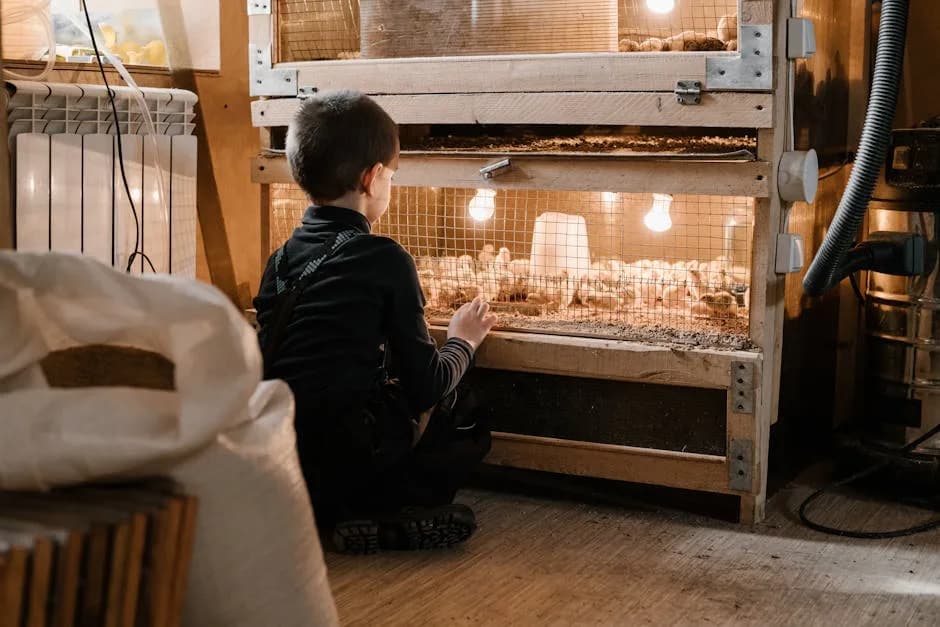
Your chicks ship the day they hatch, and they need a warm, safe, clean setup waiting for them the minute you open the box. A chick starter kit is just the short list of gear that keeps day-old chicks alive for the first six weeks: something to hold them, something to keep them warm, clean feed and water they cannot drown in or kick bedding into, and a way to check the temperature. Get those right and raising chicks is easy. Get the heat source wrong and you can lose the whole batch overnight.
Our top all-in-one pick: Kweetle All-in-One Brooder Box. Enclosure, heat, feeder, waterer, perch, and bedding in one box for a first batch of chicks. Around $60.
Our top build-your-own heat source: RentACoop 10x10 Heating Plate. A radiant plate the chicks huddle under, far safer than a heat lamp. Around $60.
We keep chickens and have brooded plenty of batches, and this list is built around what actually matters in those first weeks, not what makes the longest spec sheet. Below you will find two honest ways to buy: a ready-made kit that gets you started fast, or a build-your-own setup that costs a little more up front and lasts for years of hatches.
Quick Answer: The Complete Chick Starter Kit
| What you need | Our pick | Price |
|---|---|---|
| All-in-one kit | Kweetle All-in-One Brooder Box | ~$60 |
| Kit with heat plate included | TharroCotte Brooder Box Kit | ~$60 |
| Best heat source | RentACoop 10x10 Heating Plate | ~$60 |
| Heat for bigger batches | RentACoop 12x12 Heating Plate | ~$70 |
| Runner-up heat plate | Premier 1 Heating Plate | ~$68 |
| Feeder and waterer | RentACoop Chick2Chicken 5lb Set | ~$60 |
| Grow-with-them feeder/waterer | RentACoop Chick2Chicken 10lb Set | ~$75 |
| Brooder thermometer | TempPro Digital Thermometer | ~$10 |
What You'll Learn
- •How We Picked
- •What Actually Goes in a Chick Starter Kit
- •Two Ways to Buy: All-in-One Kit or Build Your Own
- •Best All-in-One Chick Starter Kits
- •Best Brooder Heat Plates
- •Best Chick Feeders and Waterers
- •Best Brooder Thermometer
- •Bedding, Feed, and Grit
- •What a Complete Chick Setup Costs
- •Common Chick Brooding Mistakes
- •Frequently Asked Questions
How We Picked
We focused on the handful of items that decide whether a batch of chicks thrives: a safe heat source, feed and water gear sized for tiny birds, and an enclosure that holds warmth without turning into a draft box. We prioritized radiant heat plates over heat lamps because lamps start coop and brooder fires every single year, and a dusty brooder full of dry bedding is the worst possible place for a 250-watt bulb to fall.
We also looked hard at value over the full brooding period, not just the first week. The cheapest gear is often the gear you replace twice. Chicks double in size fast and outgrow a tiny box feeder in a couple of weeks, so a feeder and waterer that carry you from day-old chicks right through to laying hens is usually the better buy even though it costs more at checkout.
Every product linked here was checked as real, in stock, and pointing at the exact item described. Prices shift, so the live Check Price buttons carry the current number and the figures in the text are approximate.
What Actually Goes in a Chick Starter Kit
Strip away the marketing and every chick setup comes down to six things:
- •A brooder (the enclosure). Something with walls high enough that chicks cannot hop out once they start testing their wings at two to three weeks. A large plastic tote, a stock tank, a cardboard appliance box, or a purpose-built brooder pen all work.
- •A heat source. Day-old chicks cannot regulate their own body temperature. They need a warm spot to duck under and a cooler spot to move away to. A radiant heat plate is the safe modern choice.
- •A feeder. Shallow and chick-height so they can reach the feed without climbing in and fouling it.
- •A waterer. Shallow enough that a chick cannot drown, and designed to stay clean as they kick shavings around.
- •A thermometer. The only way to know the warm zone is actually the right temperature instead of guessing.
- •Bedding and chick starter feed. Pine shavings (never cedar) and a bag of chick starter crumble.
That is the whole list. Everything else, a perch, a feather duster, a little swing, is nice but optional. If a kit or a shopping cart covers those six, you are ready for chicks.
Two Ways to Buy: All-in-One Kit or Build Your Own
The all-in-one kit is the fastest path. One box shows up with the enclosure, a heat plate, a small feeder and waterer, usually a perch, and sometimes bedding. You assemble it in a few minutes and you are done. The trade-off is size and longevity: these kits are built for a first batch of four to eight chicks, the included feeder and waterer are small, and the birds outgrow the enclosure in about three weeks. For a one-time first flock or a small hatch, that is often fine.
Building your own costs a little more and takes a trip through a few product pages, but it scales and it lasts. A large tote or stock tank costs almost nothing, a quality heat plate adjusts as the chicks grow, and a feeder and waterer that fit chicks now will still serve the flock as adults. If you plan to hatch or buy chicks more than once, build your own. You buy the heat plate and the feed and water gear a single time.
Plenty of keepers do both: a ready-made kit for the very first week when chicks are tiny and you want them close, then move them to a big tote with the same heat plate once they need room. Here are the picks for each path.
Best All-in-One Chick Starter Kits
Kweetle All-in-One Chicken Brooder Box: Best All-in-One Kit
Kweetle All-in-One Chicken Brooder Box. Around $60
This is the most complete single-box kit we found that is actually in stock and sensibly priced. It includes a large enclosure, a heat source with an adjustable stand, a feeder and waterer, a perch, and bedding, which covers five of the six essentials out of the gate. The enclosure is roomy enough for a first batch of chicks and the mesh sides give you the airflow a brooder needs so ammonia and damp do not build up.
Why it works: You open one box and you have a working brooder the same afternoon. For a new keeper who does not want to assemble a setup from five different listings, that simplicity is worth a lot. The adjustable heat stand lets you raise the warmth as the chicks feather out.
One thing to know: Like every all-in-one kit, it is sized for a first small batch, and chicks grow fast. Expect to move them to a larger space by around week three or four. Add a thermometer so you can confirm the warm zone is where it needs to be.
TharroCotte Brooder Box Chick Starter Kit: Best Kit With a Heat Plate
TharroCotte Brooder Box Chick Starter Kit. Around $60
This dual-door kit pairs a pop-up brooder pen with a 10 by 10 inch brooder heating plate, a nesting pad, a feeder and waterer, and a chick perch, rated for up to 15 chicks. The heating plate is the part that matters most here: you are getting a radiant warming surface rather than a heat lamp, which is the safer way to warm chicks, bundled in at the kit price.
Why it works: The two-door design makes it easy to reach in for daily feed, water, and bedding changes without the chicks bolting past you. Having a real heat plate in the kit, instead of a lamp, means you are not buying a safer heat source separately later.
One thing to know: Soft-sided pop-up brooders hold warmth well but can be harder to clean than a smooth-walled tote, and the fabric floor needs a liner you change often. Stock on these kit listings moves around, so if it is unavailable the Kweetle kit above is the closest equivalent.
Best Brooder Heat Plates
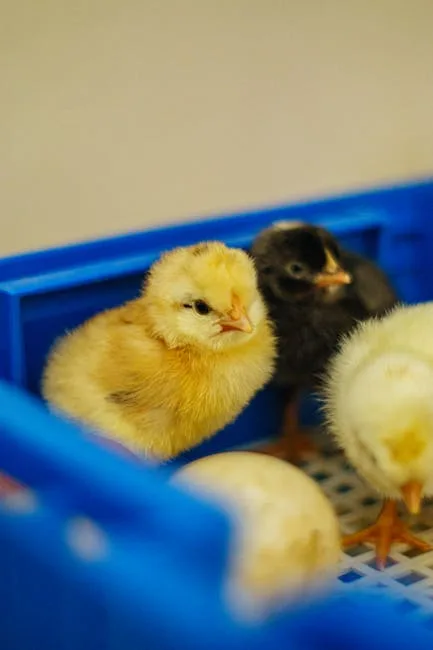
Heat is the one thing you cannot get wrong. A brooder plate is a low-voltage warming surface the chicks tuck under the way they would snuggle under a mother hen. It draws a fraction of the power of a heat lamp, never gets hot enough to start a fire, and gives chicks a natural dark warm space to sleep. If you build your own setup, this is the single most important purchase. For the full rundown of every plate worth buying, see our guide to the best brooder heat plates, and if you are weighing a lamp instead, read why we steer keepers away from them in our heat lamp and coop heater guide.
RentACoop 10x10 Chick Brooder Heating Plate: Best Heat Source
RentACoop 10x10 Heating Plate with Anti-Roost Cone. Around $60
This is the plate we point most new keepers to. The 10 by 10 inch surface warms up to about 15 chicks, the legs adjust through a wide range of heights so you can raise it as the birds grow, and it comes with a hard anti-roost cone that stops chicks from perching on top and pooping all over the heating element.
Why it works: The adjustable height is the whole game with a heat plate. Week one the chicks are tiny and the plate sits low; by week four they are tall and feathering and the plate rises to match. The anti-roost cone keeps the top clean, which is a bigger deal than it sounds once chicks start climbing on everything.
One thing to know: A heat plate warms by contact and radiant heat, not by heating the whole room like a lamp, so in a cold garage or basement check that chicks can get fully warm underneath. In a very cold space, a smaller enclosure holds heat better around the plate.
RentACoop 12x12 Chick Brooder Heating Plate: Best for Bigger Batches
RentACoop 12x12 Heating Plate with Anti-Roost Cone. Around $70
Same design and same adjustable legs as the 10 by 10, with more surface area for up to about 20 chicks. If you are starting a larger batch, or you know your chicks will be on the bigger side, the extra warm space means no one gets shut out of the heat at night when they all pile in.
Why it works: Chicks shove for the warmest spot, and the lowest-ranking birds get pushed to the cold edge. A larger plate gives everyone room underneath, which matters most in the first week when chicks cannot afford to get chilled.
One thing to know: It is only worth the extra cost if you actually have the chick numbers or a cold brooder space. For a typical starter batch of 6 to 10, the 10 by 10 plate is plenty.
Premier 1 Chick Brooder Heating Plate: Runner-Up
Premier 1 Chick Brooder Heating Plate (10x10). Around $68
Premier 1 is a trusted name in poultry gear, and their 10 by 10 plate is a solid, well-built alternative to the RentACoop. Adjustable legs, sturdy construction, and the same safe radiant-heat approach. If the RentACoop is out of stock or you already buy from Premier 1, this is an easy call.
Why it works: Build quality is excellent and the brand backs its gear. It does the core job, keeping chicks warm safely, without fuss.
One thing to know: It does not include an anti-roost cone in the base package the way the RentACoop does, so expect to wipe the top down more often once chicks start perching on it.
Best Chick Feeders and Waterers
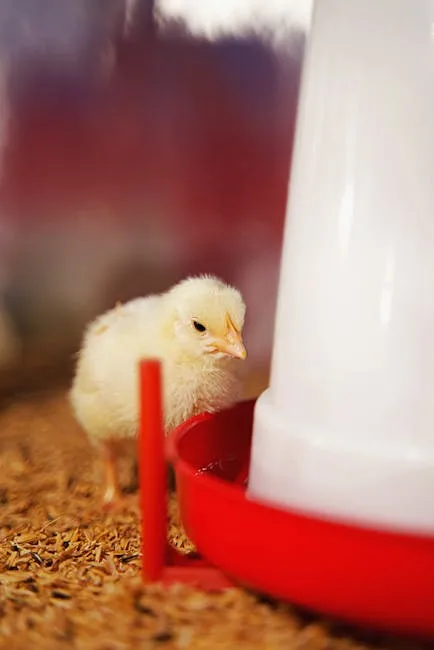
Chicks waste feed and foul water with astonishing speed. They kick shavings into open dishes, poop in the water, and tip over anything light. The fix is gear designed to stay clean and sit at chick height. The sets below are sized for chicks but keep working as the birds grow, so you buy once. For the full lineup of flock feeders and waterers, including adult and winter options, see our feeder and waterer guide.
RentACoop Chick2Chicken 5lb Feeder and 1-Gallon Waterer Set: Best Overall
RentACoop Chick2Chicken 5lb Feeder and 1-Gal Waterer Set. Around $60
This set solves the two biggest brooder headaches at once: a no-waste port feeder that keeps chicks from billing feed onto the floor, and a cup-and-nipple waterer that stays clean because the chicks drink from cups or nipples instead of an open dish. It is sized for a brooder now and will serve a small flock later.
Why it works: The port feeder cuts feed waste dramatically, which adds up over six weeks of growing appetites. The waterer keeps bedding and droppings out of the water, so you are not dumping and scrubbing a green dish twice a day. Chicks learn the cups and nipples quickly, often within a day.
One thing to know: Brand-new chicks sometimes need a day or two to figure out port feeders and nipple drinkers. For the first few days, a shallow open dish or the small waterer from a kit alongside this set helps them learn, then you remove the training dish.
RentACoop Chick2Chicken 10lb Feeder and 2-Gallon Waterer Set: Best Grow-With-Them Set
RentACoop Chick2Chicken 10lb Feeder and 2-Gal Waterer Set. Around $75
Same clean design as the 5 pound set, scaled up to a 10 pound feeder and a 2 gallon waterer that handles up to 20 chicks or around 12 adult birds. This is the buy-it-once option: it fits chicks in the brooder and still works when they move out to the coop as a full flock.
Why it works: The bigger capacity means fewer refills, which matters more than it sounds once you have a dozen hungry growing birds. Because it carries straight through to adulthood, you are not buying brooder gear and then flock gear separately.
One thing to know: It is larger than a small brooder needs on day one, so in a tiny first-week setup it can take up real estate. If you want something that grows even further, RentACoop also makes a High Rise 2-gallon waterer and 10lb feeder set for around $90 that raises the gear off the ground to keep it cleaner in the run.
Best Brooder Thermometer
TempPro Digital Thermometer and Hygrometer: Best Brooder Thermometer
TempPro Digital Thermometer and Hygrometer. Around $10
Cheap, and the one piece of gear that takes the guesswork out of brooding. Set it in the warm zone at chick level and you can see at a glance whether the spot under the plate is the right temperature. It reads humidity too, which is handy if you are also running an incubator.
Why it works: Chick comfort has a precise target, and chicks cannot tell you when they are cold until they are already chilled. A $10 readout lets you adjust the heat plate height before anything goes wrong instead of after.
One thing to know: Watch the chicks as well as the number. Chicks huddled tight under the plate and cheeping loudly are cold; chicks pressed to the far corners away from the heat are too hot; chicks spread evenly and busy are just right. The thermometer confirms what their behavior is already telling you.
Bedding, Feed, and Grit
Three consumables round out the kit, and none of them is expensive:
Bedding. Use large-flake pine shavings. Never use cedar shavings, because the aromatic oils give off fumes that damage a chick's airways. For the first three or four days, lay paper towels over the shavings so chicks learn to eat their feed and not the bedding. After that, straight pine shavings, changed often to keep the brooder dry.
Chick starter feed. Chicks eat a chick starter crumble, which is higher in protein than adult layer feed and sized small for tiny beaks. You can choose medicated starter, which helps protect against coccidiosis, or unmedicated if your chicks are vaccinated for it or you prefer to go without. Keep feed in front of them at all times; chicks eat small amounts constantly. Our complete feeding guide breaks down what chickens need at every age.
Grit. Chicks on nothing but starter crumble do not need grit, because the crumble dissolves easily. The moment you offer treats, greens, or anything other than crumble, they need a little chick-sized grit so their gizzards can grind it. A small bag lasts a long time.
What a Complete Chick Setup Costs
Here is what the two paths actually cost to get a first batch of chicks through the brooder:
| Item | All-in-one path | Build-your-own path |
|---|---|---|
| Enclosure | Included in kit | Large tote (~$15) |
| Heat source | Included in kit | RentACoop 10x10 plate (~$60) |
| Feeder and waterer | Included in kit (small) | RentACoop Chick2Chicken 5lb set (~$60) |
| Thermometer | Add (~$10) | Add (~$10) |
| Bedding and starter feed | ~$25 | ~$25 |
| Realistic total | ~$95 | ~$170 |
The all-in-one path is cheaper to start and perfect if this is a one-time first flock. The build-your-own path costs more up front but the heat plate and the feeder and waterer last for years and carry straight through to your adult flock, so across two or three batches of chicks it is the cheaper route. Do not forget the chicks themselves, which run a few dollars each; our breakdown of the real cost of raising chickens covers the full picture.
Common Chick Brooding Mistakes
Using a heat lamp over dry bedding. This is the big one. Heat lamps fall, bulbs shatter, and dry shavings catch. A radiant heat plate removes almost all of that risk. If you must use a lamp, secure it with two independent supports, never just the clamp.
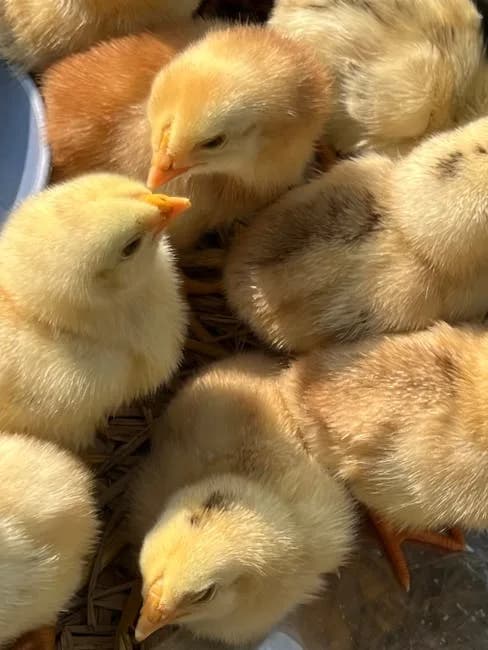
Making the whole brooder one temperature. Chicks need a warm zone and a cool zone so they can self-regulate. Put the heat at one end, not the middle, so they can move away from it when they are warm enough. A brooder that is uniformly hot gives them nowhere to cool down.
Open water dishes. Chicks foul open water within minutes and can drown in anything more than a shallow depth. Use a proper chick waterer, and if you start with an open dish in the first days, drop in clean pebbles or marbles so a chick cannot fall in and get chilled or worse.
Bedding they eat instead of feed. New chicks peck at everything. Start them on paper towels over the shavings for the first few days so they learn where the food is, then switch to shavings once they have the feeder figured out.
Underestimating how fast they grow. The adorable fuzzballs in a small kit box become awkward feathered teenagers in three weeks, and they will fly out of a low brooder. Plan the bigger space before you need it, and make sure your coop is ready for move-out day at around six weeks.
Skipping the thermometer. Guessing at brooder temperature is how chicks get chilled. A $10 readout at chick level pays for itself the first cold night.
For a week-by-week walkthrough of the whole brooding period, from hatch day to moving out to the coop, see our raising chicks week by week guide, and if you are still choosing birds, our best chicken breeds for beginners will help you start with easy ones.
Frequently Asked Questions
What do I actually need for baby chicks?
Six things: a brooder enclosure with walls they cannot escape, a safe heat source (a radiant heat plate), a chick feeder, a chick waterer they cannot drown in, a thermometer, and bedding plus chick starter feed. A good all-in-one kit covers most of those in one box; building your own lets you buy gear that lasts into adulthood.
Is an all-in-one chick starter kit worth it?
For a one-time first flock of four to eight chicks, yes. It gets you set up the same day with no guesswork. If you plan to raise chicks more than once, building your own setup around a quality heat plate and a feeder and waterer that grow with the flock is cheaper over time, because you buy the expensive parts a single time.
Should I use a heat plate or a heat lamp for chicks?
A heat plate. Heat lamps are a leading cause of brooder and coop fires, they run hot 24 hours a day over dry bedding, and a single fall can end in disaster. A radiant heat plate uses a fraction of the power, never gets hot enough to start a fire, and gives chicks a natural dark warm space to sleep under. See our brooder heat plate guide for the full comparison.
What temperature do baby chicks need?
Start the warm zone at about 95 degrees Fahrenheit in week one, then drop it roughly 5 degrees each week until the chicks are fully feathered at around six weeks or until it matches the outdoor temperature. The easiest way is to set a heat plate at the right height and confirm it with a thermometer at chick level. Watch behavior too: chicks spread out and active are comfortable, chicks piled under the heat are cold, chicks pressed to the far corners are too hot.
How big should a chick brooder be?
Plan for about half a square foot per chick in the first couple of weeks, then roughly a full square foot each as they grow toward six weeks. Most all-in-one kits suit a first small batch but get crowded by week three, so have a larger tote, stock tank, or pen ready to move them into before they start flying out.
What should baby chicks eat?
Chick starter crumble, which is higher in protein and smaller than adult feed. Keep it in front of them at all times. Choose medicated starter to help guard against coccidiosis, or unmedicated if your chicks are vaccinated. Chicks on crumble alone do not need grit, but once you offer any treats or greens, add a little chick-sized grit.
What bedding is safe for chicks?
Large-flake pine shavings. Avoid cedar shavings entirely, because the oils give off fumes that harm chicks' airways. For the first few days, put paper towels over the shavings so chicks learn to eat feed rather than bedding, then switch to plain shavings and change them often to keep the brooder dry.
When can chicks move out to the coop?
Once they are fully feathered, usually around six weeks, and the coop temperature is not dangerously cold for them. Introduce them gradually and make sure the coop is predator-proof and draft-free before move-out day. Our week-by-week chick guide covers the transition in detail.
Sources:
- •University of Kentucky Cooperative Extension. Raising chicks: brooding management. https://poultry.extension.org/
- •Mississippi State University Extension. Brooding and growing chicks. http://extension.msstate.edu/publications
- •Merck Veterinary Manual. Management of backyard poultry. https://www.merckvetmanual.com/poultry
- •University of Minnesota Extension. Raising chickens for eggs. https://extension.umn.edu/small-scale-poultry/raising-chickens-eggs
Related Guides
Best Brooder Heat Plates for Baby Chicks (2026)
Heat plates are the safe, low-cost alternative to fire-prone heat lamps. The best brooder plates and complete brooders for baby chicks in 2026.
Gear ReviewsBest Predator Deterrent Lights and Alarms (2026)
Predator deterrent lights, motion sprinklers, and driveway alarms that keep raccoons, foxes, and coyotes away from your chicken coop at night.
Gear ReviewsBest Chicken Roosting Bars and Perches (2026)
The best chicken roosting bars and perches for backyard coops. Freestanding roost ladders, platforms, and swings compared, with sizing and setup tips.
Gear ReviewsBest Chicken Coop Bedding and Litter (2026 Reviews)
The best chicken coop bedding for 2026. Pine shavings, hemp, aspen, and odor-control litter compared, with pros, cons, and pricing for every flock and budget.