Best Chicken Leg Bands (2026 Buyer's Guide)
The best chicken leg bands to tell your flock apart: adjustable, spiral, snap-on, and numbered bandettes compared, with sizing and safe-fitting tips.
Researched from university extension, USDA, and veterinary sources. How we research.
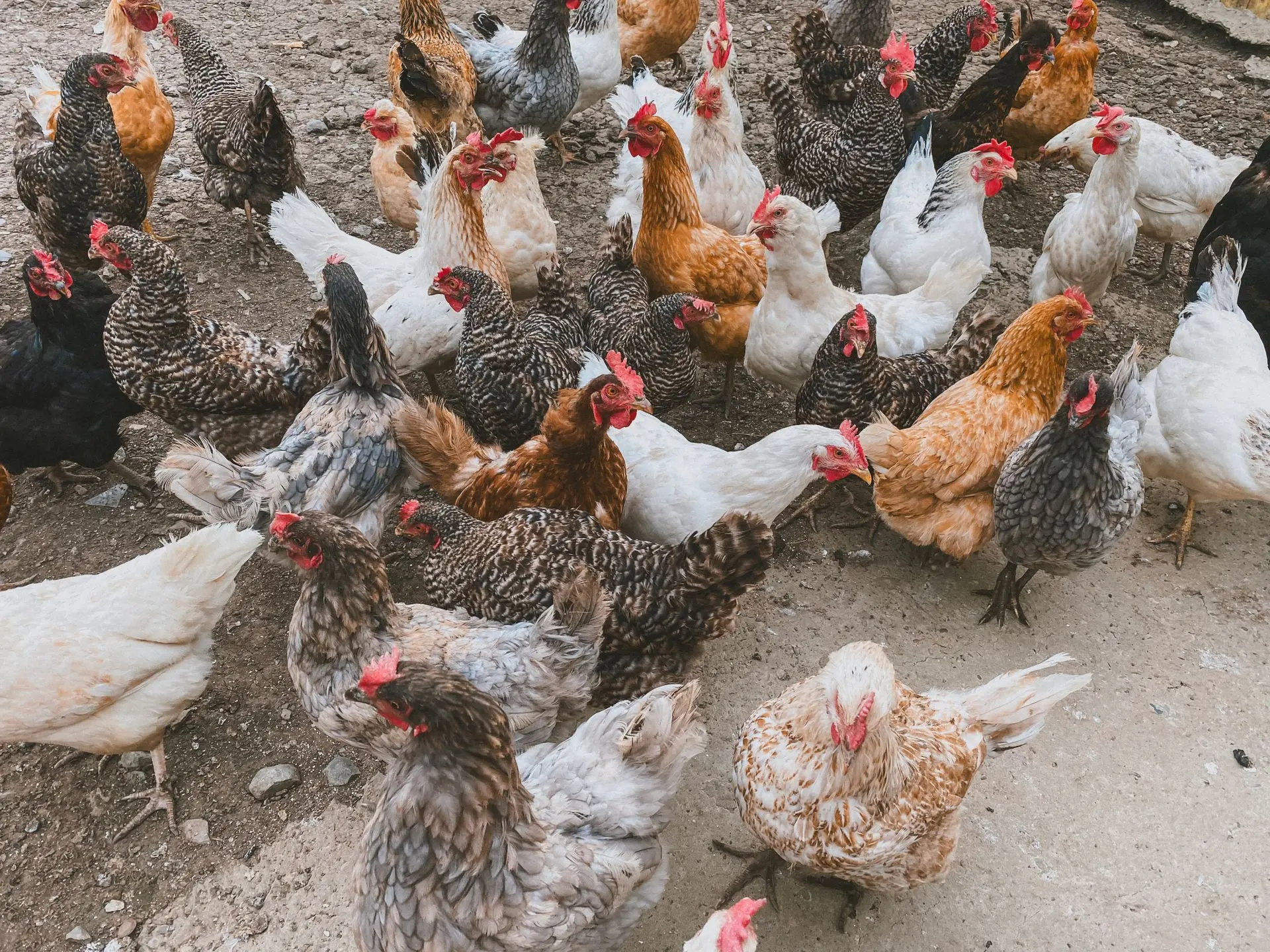
Once your flock passes four or five birds of the same breed, you stop being able to tell them apart. Which hen stopped laying? Which pullet is the bully at the feeder? Which bird did the vet treat last month? Leg bands answer all of that for a few cents a bird, and they are the cheapest useful gear you will ever buy for a coop.
Our top pick: Rurrbbe Adjustable Numbered Leg Bands, 200 Pack. Numbered, reusable, and the 14 to 22mm adjustable fit covers almost every standard hen and rooster. Around $20 for 200 bands.
Best for breeders: GERMODI Poultry Banding Kit. Applicator pliers plus three sizes of snug, hard-to-remove bandettes for permanent flock ID. Around $36.
We keep a mixed flock ourselves, so this guide comes from banding real birds, not a spec sheet. Below are the leg bands worth buying, how to size them so they never cut into a leg, and the color and number systems that actually help you keep records.
Quick Answer: Best Chicken Leg Bands
| Need | Pick | Price |
|---|---|---|
| Best overall | Rurrbbe Adjustable Numbered (200) | ~$20 |
| Best budget, mixed sizes | CELLIFEZY Snap-On (110, 3 sizes) | ~$10 |
| Best spiral, no tool | Bkaleme Spiral Size 11 (100) | ~$21 |
| Best for chicks and bantams | Chicken Hill Baby Bands 1/4 in (100) | ~$9 |
| Best permanent ID kit | GERMODI Banding Kit + pliers | ~$36 |
| Best lasting numbers | ARMLCL Laser-Engraved (120) | ~$14 |
What You'll Learn
- •How We Picked
- •Types of Chicken Leg Bands (and Which to Choose)
- •Best Chicken Leg Bands for Backyard Flocks
- •How to Size Leg Bands Correctly
- •How to Put On and Check Leg Bands Safely
- •Color and Number Systems That Actually Work
- •Leg Bands vs Wing Bands
- •Common Leg Band Mistakes
- •Frequently Asked Questions
How We Picked
Leg bands are simple, but not all of them are good. We judged each option on three things.
Fit range and sizing. A band that is too tight is a welfare problem, and a band that is too loose slips over the foot and vanishes in the run. We favored bands that either adjust across a range or come in several sizes, so one purchase covers bantams, standard hens, and roosters.
How easy they are to read. The whole point is identification, so the numbers or colors have to stay legible after a year of mud, dust baths, and sun. Printed numbers can fade. Laser-engraved and embossed numbers hold up better.
Whether you need a tool. Snap-on and spiral bands go on by hand in seconds. Bandettes applied with pliers are more secure and much harder for a bird to lose, but you have to buy or already own the applicator. We included both so there is a pick whether you want quick-and-cheap or permanent-and-serious.
We also confirmed every product linked here is in stock and points to the exact item described. Listings change often, so a buying guide is only useful if the links actually work.
Types of Chicken Leg Bands (and Which to Choose)
There are four common styles, and the right one depends on how permanent you need the ID to be.
Adjustable clip bands wrap around the leg and lock into a notch, so one band fits a range of leg sizes. Most are numbered and reusable. They are the easiest all-around choice for backyard keepers because a single pack covers nearly every bird you own.
Snap-on (solid) bands are rigid colored rings that clip shut around the shank. They come in fixed sizes, so you match the size to the bird. They are cheap, bright, and nearly impossible to open by accident, which makes them great for color-coding.
Spiral bands are coils of flexible plastic that you screw onto the leg like a key ring. Nothing clips or breaks, so they rarely pop off, and they come off just as easily when you want to reuse them. Pigeon and poultry breeders have used this style for decades.
Bandettes (pliers-applied bands) are open metal-style rings that an applicator tool crimps closed around the leg. Once crimped, a bird cannot work them off, which is why serious breeders and anyone selling birds tend to use them. The trade-off is that you need the pliers and you cut them off to remove them.
For most keepers who just want to tell hens apart, an adjustable clip band or a set of snap-on colored bands does everything you need. Step up to bandettes only if you are tracking a breeding program or need ID that cannot be lost.
Best Chicken Leg Bands for Backyard Flocks
Bands at a Glance
| Band | Style | Count | Tool needed | Price | Best for |
|---|---|---|---|---|---|
| Rurrbbe Adjustable | Clip, numbered | 200 | No | ~$20 | Best overall |
| CELLIFEZY Snap-On | Solid, 3 sizes | 110 | No | ~$10 | Budget, mixed flock |
| Bkaleme Spiral | Spiral, size 11 | 100 | No | ~$21 | Won't fall off |
| Chicken Hill Baby | Soft, chick size | 100 | No | ~$9 | Chicks and bantams |
| GERMODI Kit | Bandettes + pliers | Kit | Included | ~$36 | Permanent ID |
| ARMLCL Engraved | Clip, numbered | 120 | No | ~$14 | Numbers that last |
1. Rurrbbe Adjustable Numbered Leg Bands (200 Pack): Best Overall
Rurrbbe Adjustable Numbered Leg Bands, 200 Pack. Around $20
This is the pack we hand to anyone starting out. Each band is numbered and adjusts across a 14 to 22mm range, which fits the great majority of standard laying hens and most roosters without you having to measure first. You get 200 of them, enough to band a backyard flock several times over and keep spares for new birds.
Why it works: The adjustable design means you are not guessing a size. Slip the band around the shank, size it so it spins freely with a little room, and lock it. The printed numbers give you a running count so you can keep written records of who is who, who is laying, and who got treated for what.
One thing to know: The numbers are printed rather than engraved, so a well-used band can scuff over a year or two. Keep a written key by number and color so a faded band is still easy to replace.
2. CELLIFEZY Snap-On Leg Bands (110 Pack, 3 Sizes): Best Budget and Mixed Flock
CELLIFEZY Snap-On Chicken Leg Bands, 110 Pack. Around $10
If you keep a mix of body sizes, from bantams up to heavy breeds, this kit is the easy answer. It ships in three diameters (roughly 10, 15, and 18mm) and a spread of bright colors, so you match the ring to the leg and snap it shut. At around $10 for 110 bands, it is the cheapest way to color-code a whole flock.
Why it works: Solid snap rings do not have a clasp that can wear open, so they stay put. The three sizes mean a single purchase covers a pullet, a full-size hen, and a rooster. Bold colors read from across the yard, which is exactly what you want for a quick head count.
One thing to know: These are colored, not numbered, so they are best for group coding (by hatch year, by breed, by who is on medication) rather than individual numbers. Pick the size that spins freely on the leg with a little clearance, not the one that grips.
3. Bkaleme Spiral Poultry Leg Bands (100 Pack, Size 11): Best for Staying Put
Bkaleme Spiral Poultry Leg Bands, Size 11 (100 Pack). Around $21
Spiral bands are the answer to the number-one complaint about clip bands: birds losing them. These coil on like a keyring and will not spring open or snag loose on the run wire. Size 11 (about 11/16 inch, or 17mm) is the standard fit for common dual-purpose hens like Rhode Island Reds, Barred Rocks, and Orpingtons. The mixed-color pack lets you code by group at the same time.
Why it works: There is nothing to break. The coil holds by tension, so it rides smoothly on the shank and comes back off when you want to reuse it. Keepers who have lost a season of clip bands to the bedding tend to switch to these and stop worrying about it.
One thing to know: Spiral bands come in a fixed size, so measure or check your breed's typical shank first. Size 11 suits most standard hens; choose a smaller number for light breeds and bantams, or a larger one for big roosters. They are colored rather than numbered, so pair them with a written color key.
4. Chicken Hill Baby Poultry Leg Bands (1/4 inch, 100 Pack): Best for Chicks and Bantams
Chicken Hill Baby Poultry Leg Bands, 1/4 inch (100 Pack). Around $9
Standard bands are far too big for a day-old chick, so if you are hatching or brooding you need a small size made for tiny legs. Chicken Hill has been making poultry bands for years, and these 1/4 inch (medium chick) bands are the right starting size for most standard-breed chicks and a good fit for adult bantams.
Why it works: Banding at hatch lets you track which chick came from which hen or which egg, which matters if you are selecting breeders or just curious about your own lines. The soft, lightweight bands sit easily on a chick's leg, and they come in colors so you can separate hatches at a glance.
One thing to know: Chicks grow fast. A band that fits a one-week-old will be tight within a month, so plan to check weekly and move up to a larger adjustable or snap-on band once the legs thicken. Never leave a chick band on a growing bird without checking it. For a full brooding timeline, see our week-by-week chick guide.
5. GERMODI Poultry Banding Kit (Pliers Plus Red Bands): Best Permanent ID
GERMODI Poultry Banding Kit. Around $36
When you need ID a bird cannot remove, this is the kit to get. It pairs a set of applicator pliers with three sizes of bandettes (10, 15, and 20mm), so you can band quail and bantams through to full-size hens and turkeys. The pliers crimp each band closed around the leg, and from that point the bird is not getting it off.
Why it works: This is the setup breeders and anyone selling birds reach for, because a crimped band stays on for life and reads the same every time you catch the bird. Buying the pliers and bands together is the cheapest way into permanent banding, and the included sizes cover almost any poultry you keep. If you already own pliers, the same maker sells the applicator tool on its own for around $23.
One thing to know: Because the band is crimped on, you remove it by cutting it off, not by unclipping. Size carefully and leave clearance so the band spins on the leg. This is the one style where a too-tight fit is hardest to fix, so measure the shank before you crimp.
6. ARMLCL Laser-Engraved Numbered Leg Bands (120 Pack): Best Lasting Numbers
ARMLCL Laser-Engraved Numbered Leg Bands, 120 Pack. Around $14
If you have ever squinted at a faded band trying to read a number, this pack solves it. The numbers are laser-engraved rather than printed, so they stay readable after the sun and scratching that rub ink off cheaper bands. You get 120 numbered bands in several colors, which lets you combine a color code with an individual number.
Why it works: Engraved numbers are the detail that matters for long-term record keeping. Pair a color with a number (blue 12, green 7) and you have a system that survives years of outdoor wear. The adjustable design fits a wide range of standard hens.
One thing to know: Like other adjustable clip bands, these ride a little looser than a crimped bandette, so seat each one in its locking notch firmly. Check that the clasp is fully closed before you release the bird.
How to Size Leg Bands Correctly
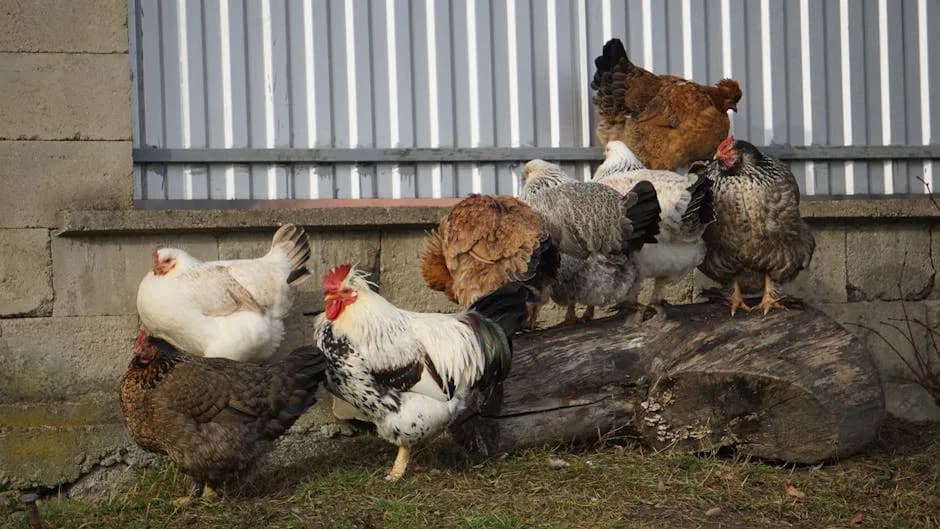
Band size is the one thing people get wrong, and it is the only thing that can hurt a bird. The rule is simple: the band should spin freely on the shank with a little room to spare, but not be loose enough to slip over the foot.
Poultry bands are often numbered by diameter in sixteenths of an inch, so a size 9 is 9/16 inch and a size 11 is 11/16 inch. Plastic adjustable bands list their range in millimeters instead. Here is a rough starting guide by bird type:
| Bird type | Approx. leg band size | Diameter |
|---|---|---|
| Bantams | Size 7 to 8 | ~8 to 11mm |
| Light breeds (Leghorn, Fayoumi) | Size 9 | ~12 to 14mm |
| Standard hens (Orpington, Wyandotte, Rhode Island Red, Barred Rock) | Size 11 | ~16 to 18mm |
| Large breeds and roosters (Brahma, Jersey Giant) | Size 12 to 14 | ~18 to 22mm |
Two practical notes. First, an adjustable band in the 14 to 22mm range (like the Rurrbbe pick above) covers almost every standard hen and most roosters, which is why it is the easiest choice if you do not want to measure. Second, if you are unsure, go slightly larger. A band one size up still identifies the bird; a band one size down can become a tourniquet. When in doubt, you can always double-check your bird against our breed guides for typical adult size.
How to Put On and Check Leg Bands Safely
Banding a calm bird takes about ten seconds. Do it in the evening when birds are roosting and easy to handle, or have a helper hold the bird against their body with its head gently tucked.
- •Choose the leg. Most keepers band the right leg of hens and the left leg of roosters, or pick any consistent rule so you can spot sex or group at a glance.
- •Fit above the foot. Slide or clip the band onto the shank, the scaly part between the foot and the first joint. It should sit there loosely.
- •Check the clearance. You should be able to spin the band around the leg and slide it up and down a little. If it grips, it is too small. If it threatens to pass over the foot, it is too big.
- •Lock or crimp it. Seat clip bands fully in their notch, screw spiral bands all the way on, or crimp bandettes closed with the pliers.
- •Watch for swelling. Check banded legs weekly for the first month, and any time a bird limps. Bands cause trouble when a leg swells from an injury or infection, or when a young bird outgrows a band you forgot about.
Remove any band that leaves a mark, pinches, or sits against a swollen leg right away. A scissors or wire cutter takes a crimped band off in seconds. Leg problems like scaly leg mites or bumblefoot can swell a shank fast, so if you spot a limp, check both the band and the leg itself. Our chicken first aid kit guide covers what to keep on hand for leg and foot issues.
Color and Number Systems That Actually Work
A band only helps if you can decode it later. The keepers who get the most out of banding use a written key and keep it simple.
Color by hatch year is the most popular system. Assign each year a color (2025 blue, 2026 green, and so on) and you can tell a bird's age across the run without catching it. This makes it easy to spot which hens are heading past peak lay. If you want the background on how long that productive window lasts, see how long chickens live and lay.
Color by group works when you run more than one line or breed, or when you want to flag a subset: red for birds on medication, white for this spring's pullets, yellow for keepers you plan to breed. A quick glance tells you who is in which bucket.
Numbers for individuals are what you want for real record keeping. Give each bird a numbered band, then log laying, health treatments, broody spells, and temperament against that number in a notebook or a notes app. This is how you finally answer which specific hen has gone off lay. Combining the two, a color for the group and a number for the bird, gives you the most information from a single band.
Whatever you choose, write the key down the day you band. A color system you can remember in June is a mystery by the following spring.
Leg Bands vs Wing Bands
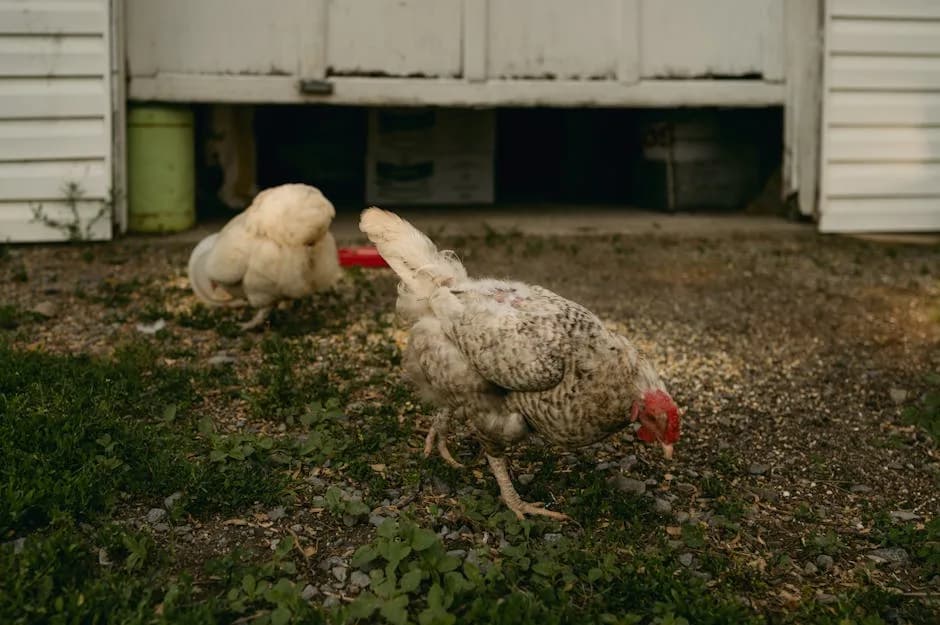
Leg bands are not the only way to mark a bird. Serious breeders and show exhibitors often use wing bands, small numbered tags applied through the wing web of a day-old chick with a special wing-band pliers (around $22). The difference comes down to permanence.
A wing band goes on once, at hatch, and stays for the bird's entire life. It cannot slip off or be swapped, which makes it the gold standard for pedigree records and show stock. The downsides are that it is harder to read without catching the bird, and applying it to a chick takes a steady hand.
A leg band is quick, readable from a distance, and removable, which is exactly what most backyard keepers want. You can re-sort, re-color, and reuse leg bands as your flock changes. For nearly everyone keeping a backyard flock, leg bands are the right tool; wing bands make sense only if you are running a documented breeding program and selling birds with pedigrees. If that is you, our notes on breeding Wyandottes walk through record keeping in more detail.
Common Leg Band Mistakes
Banding too tight. This is the only mistake that hurts a bird. A band must spin freely with clearance. If in doubt, size up.
Forgetting to check growing birds. A band that fit a chick becomes a tourniquet on an adult. Check weekly through the growing months and move up a size as legs thicken.
Using one size for the whole flock. Bantams, standard hens, and roosters have very different legs. Buy an adjustable band or a multi-size kit rather than forcing one size onto every bird.
Relying on printed numbers outdoors. Ink scuffs off in a season. Choose engraved or embossed numbers for anything you need to read a year later, and always keep a written key.
No written record. The band is only half the system. Without a notebook or a notes file that ties each number or color to a bird and its history, you are left guessing all over again.
Leaving a band on an injured leg. If a leg swells from bumblefoot, an injury, or leg mites, the band can cut in fast. Any limp means you check the band and the leg the same day.
If you are still building out your setup, our feeders and waterers guide and our coop buying guide cover the gear you will use alongside bands every day. And if you are adding birds to an existing flock, banding newcomers makes it much easier to follow how the introduction is going.

Frequently Asked Questions
What size leg band do I need for a chicken?
Most standard laying hens take a size 11 band (about 11/16 inch, or 16 to 18mm). Light breeds like Leghorns fit a size 9, bantams take a size 7 to 8, and large breeds or roosters need a size 12 to 14. If you do not want to measure, an adjustable band in the 14 to 22mm range fits nearly every standard hen and most roosters. The band should spin freely on the leg with a little room, never grip it.
How do you put a band on a chicken's leg?
Handle the bird when it is calm, ideally in the evening, with its body held securely. Slide or clip the band onto the shank, the scaly section above the foot, then check that it spins freely and will not slip over the foot. Lock a clip band in its notch, screw a spiral band on fully, or crimp a bandette with pliers. Check the leg weekly for the first month afterward.
Are leg bands safe for chickens?
Yes, when they are sized right. A correctly fitted band causes no harm and lasts for years. The only risk is a band that is too tight, which can cut into the leg as a bird grows or if the leg swells from injury. Always fit bands with clearance, size up if unsure, and remove any band that leaves a mark or sits against a swollen leg.
At what age can you band chickens?
You can band at hatch using small chick bands (around 1/4 inch), which is how breeders track lineage from day one. Because chicks grow quickly, a chick band must be checked weekly and replaced with a larger size as the legs thicken. Many keepers wait until birds are a few weeks old and use an adjustable band they can resize instead.
What do the colors on chicken leg bands mean?
The colors mean whatever you decide, as long as you write it down. Common systems are color by hatch year (so you can tell a bird's age at a glance), color by breed or line, or color to flag a group such as birds on medication. Combining a color for the group with a number for the individual bird gives you the most useful record.
Do leg bands fall off chickens?
Clip bands can pop off if they are not seated fully in their locking notch, which is the most common complaint. Spiral bands and crimped bandettes rarely come off because there is no clasp to spring open. If you keep losing bands, switch to a spiral style or a pliers-applied bandette.
What is the difference between leg bands and wing bands?
Leg bands are quick to apply, easy to read from a distance, and removable, which suits most backyard keepers. Wing bands are small numbered tags applied through a chick's wing web at hatch and stay on for life, which makes them the choice for pedigree breeders and show birds. Wing bands need a special applicator and are harder to read without catching the bird.
How many leg bands do I need?
Buy more than your current bird count. Bands get lost, birds get added, and you will want spares in several colors for coding. A pack of 100 to 200 covers a backyard flock for years and costs around $10 to $20, so there is little reason to buy just enough.
Can I reuse chicken leg bands?
Adjustable clip bands and spiral bands are reusable: take them off a bird you no longer have and put them on a new one. Crimped bandettes are cut off to remove, so those are effectively single use. If you re-sort your flock often, choose a reusable style and keep your written key updated as you move bands around.
Leg bands are a few dollars that save you hours of guesswork and let you keep real records on your flock. Start with an adjustable numbered pack, add a size for chicks if you hatch, and write your color key down the day you band. For more on setting up the rest of your flock, see our beginner's guide to raising backyard chickens.
Sources:
- •University of Kentucky Cooperative Extension. Poultry identification methods. https://poultry.extension.org/
- •Mississippi State University Extension. Small flock management and record keeping. http://extension.msstate.edu/poultry
- •University of Florida IFAS Extension. Small poultry flock identification and banding. https://edis.ifas.ufl.edu/
- •Merck Veterinary Manual. Routine management of poultry. https://www.merckvetmanual.com/poultry
Product prices and availability are accurate as of the date shown and are subject to change. Any price and availability information displayed on Amazon at the time of purchase will apply to the purchase of this product.
Related Guides
Chicken Coops for Sale: 2026 Buyer's Guide
How to buy the right chicken coop: prefab, walk-in, and mobile types compared, plus sizing, pricing, predator-proofing, and where to buy.
Gear ReviewsBest Chicken Egg Incubators: 2026 Buyer's Guide
The best chicken egg incubators for 2026 reviewed and ranked. 5 models from $50 to $400 across capacity, features, and hatch-rate reliability.
Gear ReviewsBest Chicken Coops Under $500 (2026 Buyer's Guide)
The best chicken coops on Amazon under $500 in 2026: an $88 starter, the $200 Aivituvin, a $360 coop-and-run, and a $400 walk-in, all checked in stock.
Gear ReviewsBest Walk-In Chicken Coops (2026 Buyer's Guide)
The best walk-in chicken coops for 6 to 20 birds in 2026: OverEZ Large and XL, a $400 wooden walk-in, and metal runs with real hardware cloth, sizes verified.