Best Predator Deterrent Lights and Alarms (2026)
Predator deterrent lights, motion sprinklers, and driveway alarms that keep raccoons, foxes, and coyotes away from your chicken coop at night.
Researched from university extension, USDA, and veterinary sources. How we research.
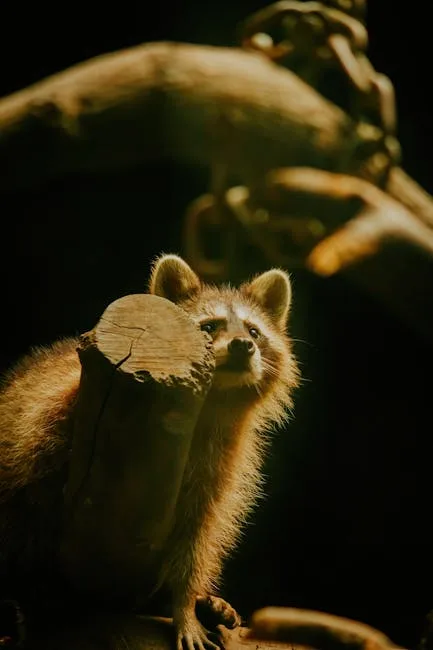
Most flock losses happen at night, and most of them happen to birds locked in a coop that a raccoon, fox, or weasel got into anyway. A good predator deterrent will not fix a weak coop, but paired with solid hardware it cuts down how often predators test your setup in the first place. The idea is simple: make your yard feel occupied, risky, or just not worth the trouble, so the animal moves on to an easier meal.
Our top pick: Orbit Yard Enforcer Motion-Activated Sprinkler. It fires a burst of water at anything warm that moves, day or night, and works on almost every ground predator. Around $90.
Best set-and-forget light: Nite Guard Solar. A flashing red "eye" that convinces nocturnal predators another animal already claimed the territory. Around $40 for a two-pack.
We keep chickens, we have lost birds, and we have tested and read years of keeper reports on what actually moves the needle. Below are six devices worth your money, sorted by what they do best. Every product link points to the exact item described and was confirmed in stock when this was written. Just as important, we are honest about what these tools can and cannot do, because a deterrent oversold as a magic fix gets birds killed.
Quick Answer: Best Predator Deterrents
| Need | Pick | Price |
|---|---|---|
| Best overall (ground predators) | Orbit Yard Enforcer Sprinkler | ~$90 |
| Best early warning | HTZSAFE Solar Driveway Alarm | ~$90 |
| Best for large or rural lots | Solar Foxlights | ~$160 |
| Best budget deterrent light | Nite Guard Solar (2-pack) | ~$40 |
| Best for raccoons and cats | DURANOM Ultrasonic Repeller | ~$44 |
| Best motion floodlight | LEPOWER Solar Flood Light | ~$42 |
What You'll Learn
- •How We Picked
- •How Predator Deterrents Work (and Which Type to Choose)
- •Best Predator Deterrent Lights and Alarms
- •What Deterrents Can and Cannot Do
- •Building a Layered Defense
- •What Predator Deterrents Really Cost
- •Common Predator Deterrent Mistakes
- •Frequently Asked Questions
How We Picked
We started with the predators that actually raid backyard flocks: raccoons, foxes, coyotes, opossums, weasels, stray dogs, and the occasional bobcat or bear. Then we looked at which deterrents have a real track record against them, not just clever marketing. We prioritized three things: does it target the way that predator hunts, will it survive outdoors through a wet winter, and does it hold up over months rather than working for a week until the animal figures it out.
We favored solar and battery units because most coops sit away from an outlet, and a deterrent you cannot power is a deterrent you will not use. We confirmed every link below points to the exact product described and was in stock at the time of writing. Where a listing rotates between pack sizes, the live "Check Price" button carries the current figure. We take no free units and no paid placements. These are the tools we would put around our own run.
How Predator Deterrents Work (and Which Type to Choose)
There are four main approaches, and each one fits a different predator and a different yard.
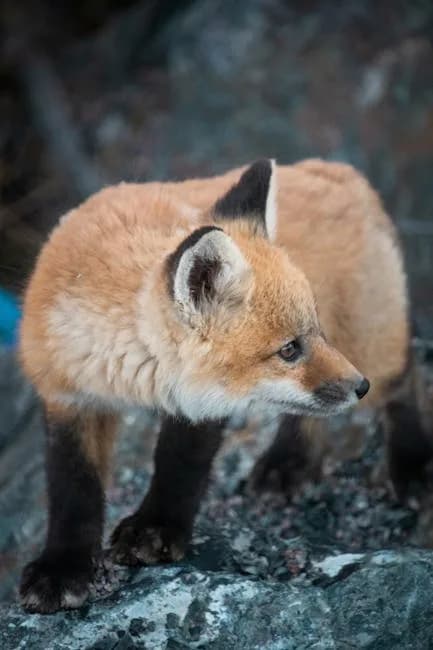
Deterrent lights are small red LEDs that flash after dark. To a nocturnal predator, a steady pair of red lights reads as the eyes of a larger animal already watching the area. Coyotes, foxes, and raccoons are wired to avoid a fight they might lose, so they detour around it. Lights are cheap, silent, need no water or wiring, and work all winter. They do nothing against daytime hawks and nothing against a predator that has learned the light never bites back.
Motion-activated sprinklers wait for a warm, moving body to cross a sensor, then fire a sharp burst of water. The combination of sudden movement, noise, and a cold soaking startles almost every mammal, and unlike lights it keeps working on animals that have gotten bold. The catch is water: you need a hose connection, and the unit has to be drained before a hard freeze.
Ultrasonic repellers emit a high-pitched sound people cannot hear, usually paired with a strobe. They target ground animals at close range, raccoons and cats especially. Evidence is mixed and some animals tune the sound out over time, so treat these as a helper, not a wall.
Alarms do not scare anything. They tell you a predator has arrived, which is the piece most keepers are missing. A driveway or perimeter alarm buys you the 30 seconds it takes to grab a flashlight before a raccoon has finished what it started.
For most backyard flocks, start with a motion sprinkler for close-in defense and a set of deterrent lights around the perimeter. Add an alarm if your coop is out of earshot, and reach for ultrasonic units when raccoons or cats are your specific problem.
Best Predator Deterrent Lights and Alarms
At a Glance
| Device | Type | Power | Works best against | Price |
|---|---|---|---|---|
| Orbit Yard Enforcer | Motion sprinkler | 4 AA + hose | Raccoons, deer, dogs, cats, coyotes | ~$90 |
| HTZSAFE Alarm | Perimeter alarm | Solar sensor | Anything that approaches | ~$90 |
| Solar Foxlights | Deterrent light | Solar/battery | Foxes, coyotes, at range | ~$160 |
| Nite Guard Solar | Deterrent light | Solar | Nocturnal predators | ~$40 |
| DURANOM Repeller | Ultrasonic + strobe | Solar/USB | Raccoons, cats, rodents | ~$44 |
| LEPOWER Flood Light | Motion floodlight | Solar | Startle + your own visibility | ~$42 |
1. Orbit Yard Enforcer Motion-Activated Sprinkler: Best Overall
Orbit Yard Enforcer (62100). Around $90
This is the one deterrent that keeps working after the novelty wears off, because getting hit with water is not something an animal shrugs at. A 120-degree sensor watches up to about 40 feet, and when a warm body crosses it the impact head fires a three to five second burst that reaches roughly 35 feet. You can set it for day only, night only, or around the clock, so it guards against daytime dogs and stray cats as well as the night shift.
Why it works: It combines three shocks at once, sudden motion, a hissing noise, and cold water, which is far harder to habituate to than light or sound alone. Orbit says the sensor learns the difference between a swaying branch and an animal, so it is not firing every time the wind blows. Four AA batteries run it for thousands of activations, and it sips about two cups of water per trigger.
One thing to know: It needs a hose, and it will crack if water freezes inside it, so drain it before your first hard frost and switch to lights for the winter. Position it to cover the approach to the run, not aimed where your own birds free-range, or you will soak the flock. For the cold months, lean on your winter care routine and the lights below.
2. HTZSAFE Solar Wireless Driveway Alarm: Best Early Warning
HTZSAFE Solar Wireless Driveway Alarm. Around $90
If your coop sits at the back of the property where you would never hear a commotion, this is the piece that changes the game. A solar-charged motion sensor mounts near the run and sends a wireless signal up to about a quarter mile to a plug-in receiver inside your house. When something crosses the beam, the receiver chimes. You get 35 tone options and four volume levels, and the system expands to several sensors so you can cover the coop, the gate, and the driveway on different tones and know which zone tripped.
Why it works: An alarm does not stop a raccoon, but knowing one has arrived lets you act while it still matters. The solar sensor means no battery swaps in a spot you rarely visit, and it is built to run through rain, snow, and heat. Keepers who add one usually find they were losing birds to raids they simply never heard.
One thing to know: Any warm mover trips it, so a roaming barn cat or a deer will chime the receiver too. Mount the sensor low and aimed along the predator's likely path rather than out across an open field, and pair it with a coop camera if you want to see what set it off before you head outside.
3. Solar Foxlights: Best for Large or Rural Properties
Solar Foxlights Predator Deterrent. Around $160
Foxlights are a step up from a single red LED. The unit flashes nine LEDs in changing colors and a random pattern across a full 360 degrees, so from a distance it reads like a person walking the property with a flashlight. That randomness is the point: predators habituate to anything predictable, and a light that never repeats the same sequence keeps them guessing far longer than a steady glow. It runs on solar with a battery backup and is built for farms, vineyards, and open pasture where a predator's first look at your birds comes from a long way off.
Why it works: The random, moving, multi-color flash is much harder for a coyote or fox to write off as harmless than a fixed light. Over open ground, one unit on a post covers a wide arc, which is why sheep and goat keepers have leaned on this design for years.
One thing to know: It is the priciest option here, and the value shows on bigger, rural lots rather than a small suburban yard, where the cheaper Nite Guard units below do the same job over a shorter distance. Give it a spot with a clear line of sight and nothing blocking the panel from the sun.
4. Nite Guard Solar: Best Budget Deterrent Light
Nite Guard Solar Predator Control Light (2-pack). Around $40
Nite Guard is the name most keepers reach for first, and it has earned that with a long track record on farms. Each unit is a single sealed red LED that charges by day and starts flashing automatically at dusk. Mount it at the eye level of the predator you are worried about, roughly the height of a crouching coyote or fox, and face it outward toward where they approach.
Why it works: The steady red flash mimics a watching animal, and nocturnal predators avoid what looks like a set of eyes fixed on them. It is sealed, solar, and maintenance-free, so once it is mounted you can forget it. At around $40 for two, it is the cheapest credible option on this list.
One thing to know: Predators can come from any direction, so one light guards one side only. The standard advice is a unit facing each compass point around the coop, which means this two-pack covers two sides and a second pack finishes the job on a fully exposed run. Lights also do nothing for daytime aerial threats, so keep reading our predator protection guide for hawk defense.
5. DURANOM Solar Ultrasonic Animal Repeller: Best for Raccoons and Cats
DURANOM Solar Animal Repeller. Around $44
This one covers the close-range ground threats that lights alone miss. A motion sensor triggers an ultrasonic tone plus a bright strobe, and you can tune the frequency for the specific animal giving you trouble, whether that is raccoons digging at the run, stray cats stalking chicks, or rodents raiding feed. It charges by solar with a USB backup, so it keeps running through cloudy stretches.
Why it works: Pairing sound with a strobe hits two senses at once, which lands better than ultrasonic alone. For animals that patrol the same path every night, the sudden burst breaks the routine and pushes them to look elsewhere.
One thing to know: Be honest with yourself about ultrasonic devices. The research is mixed, and a determined or hungry animal can habituate, especially without the strobe. Treat this as one layer against raccoons and cats, not a substitute for a locked, predator-proof coop. Rodents are also a feed problem as much as a predator one, so pair it with sealed storage.
6. LEPOWER Solar Motion Flood Light: Best Motion Floodlight
LEPOWER Solar Motion Flood Light (1000LM). Around $42
A bright light snapping on is a genuine startle to a predator sneaking up in the dark, and it does something the other tools do not: it lets you see the coop when you go out to check a chime or a squawk. This LEPOWER unit puts out 1000 lumens across two adjustable heads at a daylight 5500K, runs on solar with an IP65 weatherproof rating, and offers modes from a short motion burst to staying on dim and brightening when triggered.
Why it works: Sudden bright light interrupts a predator mid-approach, and the two aimable heads let you cover the run door and the fence line from one mount. Because it is solar, you can put it exactly where the coop needs light instead of where an outlet happens to be.
One thing to know: A light that fires the same way every night eventually stops scaring a bold raccoon, so a floodlight is best as a startle-plus-visibility layer rather than your only defense. Angle the panel for good sun, and keep the heads pointed at approach paths, not into your neighbor's windows.
What Deterrents Can and Cannot Do
Here is the part most product pages skip. Every device on this list reduces how often predators visit and test your coop. Not one of them reliably stops a determined, hungry predator that has already decided your birds are worth the risk. Deterrents work on the margin, by making the easy meal feel less easy, so the animal picks a softer target down the road.
That means the deterrent is the second line, never the first. The first line is a coop a raccoon physically cannot enter. Raccoons have hands and patience: they open simple latches, reach through chicken wire to pull a bird apart piece by piece, and pry at any gap wider than an inch. The fixes that actually stop them are half-inch hardware cloth instead of chicken wire, two-step locks a raccoon cannot work, a buried apron or solid floor against diggers, and birds shut inside every single night. Get those right and the deterrents become what they should be: insurance that keeps pressure off a coop that could already hold the line on its own.
Also match the tool to the threat. Lights and sprinklers are ground-predator tools. They do nothing about hawks and owls, which call for overhead netting or a covered run instead. A deterrent aimed at the wrong predator is worse than none, because it lulls you into thinking a gap is covered when it is not.
Building a Layered Defense
Think of predator control as rings around your birds, from the outside in.
The perimeter. Deterrent lights on each side of the run and an electric fence or predator-proof run fencing form the outer ring. This is where you want raccoons and foxes to decide it is not worth continuing.
The approach. A motion sprinkler close to the run door and an alarm that alerts you cover the middle ring. This is the band where a predator commits to getting closer and where a soaking or a chime turns them back.
The coop itself. Hardware cloth, secure latches, and an automatic coop door that shuts your birds in at dusk are the inner ring and the one that has to hold no matter what. An auto door is the single best upgrade most keepers can make, because it closes on schedule even on the nights you forget.
No single ring is enough on its own. Stack two or three and a predator that slips one still runs into the next. That redundancy, not any one gadget, is what keeps a flock alive.
What Predator Deterrents Really Cost
You do not need everything at once. Here is a starter setup and a fuller one.
| Item | Starter setup | Full setup |
|---|---|---|
| Deterrent lights | Nite Guard 2-pack (~$40) | Two Nite Guard packs (~$80) |
| Close-in defense | Skip at first | Orbit sprinkler (~$90) |
| Early warning | Skip at first | HTZSAFE alarm (~$90) |
| Ground repeller | Skip at first | DURANOM ultrasonic (~$44) |
| Realistic total | ~$40 | ~$300 |
For a small suburban yard with a sound coop, a $40 set of lights on the corners of the run is often all the deterrent you need. Rural keepers, anyone losing birds already, or coops far from the house get real value from stacking a sprinkler and an alarm on top. Spend on the ring that is failing you: if predators are reaching the run, add the sprinkler; if you never hear them coming, add the alarm.
Common Predator Deterrent Mistakes
Treating a deterrent as a substitute for a strong coop. The gadget reduces visits; it does not replace hardware cloth and locks. Fix the coop first, then add deterrents on top.
Mounting lights at the wrong height. A deterrent light aimed over a predator's head does nothing. Set it at the eye level of a crouching coyote or fox and face it outward toward the approach.
Covering only one direction. Predators come from any angle. One light or one sensor guards one side. Ring the coop so there is no blind approach.
Leaving a sprinkler out to freeze. Water expands when it freezes and cracks the housing. Drain motion sprinklers before the first hard frost and switch to lights for winter.
Never moving anything. Smart predators habituate to a light or sound that never changes. Shift units every few weeks, vary which are active, and lean on the random-flash and water-based tools that are harder to tune out.
Forgetting daytime and aerial threats. These tools guard against nighttime ground predators. Hawks hunt in daylight from above, so a covered run or netting is the answer there, not a red light.
Frequently Asked Questions
Do predator deterrent lights actually work?
Yes, on nocturnal ground predators, and best as one layer of several. Coyotes, foxes, and raccoons avoid what looks like the eyes of a larger animal, so a flashing red light will turn many of them away before they commit. They do not work on daytime hawks, and a bold predator can learn to ignore a light that never changes, which is why keepers ring the coop with several units and pair them with a sprinkler or solid fencing.
What is the best deterrent for raccoons specifically?
A motion-activated sprinkler like the Orbit Yard Enforcer is the most reliable, because raccoons are bold enough to ignore lights but not a sudden soaking. Back it up with a raccoon-proof coop: half-inch hardware cloth, two-step latches they cannot open, and no gaps wider than an inch. Ultrasonic repellers help at close range, but a determined raccoon needs a physical barrier, not just a sound.
How many deterrent lights do I need around a coop?
Plan on one facing each direction a predator could approach, usually four around an open run. Predators circle and probe, so a single light only guards one side and leaves the rest open. Mount each unit at the predator's eye level and face it outward. A run against a solid wall or building may only need lights on the two or three exposed sides.
Will a motion sprinkler work in winter?
No. Water left in the unit freezes and cracks the housing, so you have to drain and store motion sprinklers before the first hard frost. Through the cold months, switch to solar deterrent lights, which keep flashing regardless of temperature, and rely on a locked coop and a secure run. Come spring, reconnect the sprinkler once the freeze risk has passed.
Do ultrasonic repellers keep predators away from chickens?
They help against close-range ground animals like raccoons and cats, especially the models that add a bright strobe, but the evidence is mixed and some animals habituate to the sound over time. Treat an ultrasonic unit as a supporting layer, not a standalone fix. The reliable defenses are still physical: a predator-proof coop, secure fencing, and birds locked in at night.
What is the single most important thing to stop predators?
Locking your birds inside a secure coop every night. Most losses happen after dark to flocks that were left with an open door, so a coop built from hardware cloth with latches a raccoon cannot work, closed up at dusk, prevents more deaths than any deterrent. An automatic coop door handles the closing for you on the nights you forget, which is why it is the upgrade we recommend first.
Are solar predator deterrents reliable, or do they die?
Quality solar units from Nite Guard, HTZSAFE, and similar brands hold a charge well and run for years, as long as the panel gets real daylight. The common failure is a unit mounted in shade or under a roof overhang where the panel never fully charges. Give each one a spot with a clear view of the sky, wipe the panel clean now and then, and most will run through the seasons without attention.
Should I use a light or a sprinkler?
Use both if you can, because they cover different gaps. Lights are cheap, silent, work all winter, and set a wide perimeter, but bold animals can learn to ignore them. A sprinkler is harder to habituate to because water is a real consequence, but it needs a hose and has to come down before it freezes. Lights for the outer ring and a sprinkler guarding the run door is a strong, affordable pairing.
Sources:
- •University of Nebraska-Lincoln Extension. Controlling coyotes and reducing livestock loss. https://extension.unl.edu/
- •The Livestock Conservancy. Predator management for small flocks. https://livestockconservancy.org/
- •USDA APHIS Wildlife Services. Nonlethal predator deterrent methods. https://www.aphis.usda.gov/
- •Merck Veterinary Manual. Backyard poultry management and biosecurity. https://www.merckvetmanual.com/poultry
Related Guides
Best Chicken Roosting Bars and Perches (2026)
The best chicken roosting bars and perches for backyard coops. Freestanding roost ladders, platforms, and swings compared, with sizing and setup tips.
Gear ReviewsBest Chicken Coop Bedding and Litter (2026 Reviews)
The best chicken coop bedding for 2026. Pine shavings, hemp, aspen, and odor-control litter compared, with pros, cons, and pricing for every flock and budget.
Gear ReviewsBest Feed Storage Containers for Chickens (2026)
Best feed storage containers to keep chicken feed dry, fresh, and safe from rats and mice. Airtight bins, galvanized cans, and rolling bins compared.
Gear ReviewsWhat Is a Chicken Tractor? Benefits, Plans & Uses
A chicken tractor is a floorless, movable coop that gives your flock fresh grass daily. Learn the benefits, sizing, DIY plans, and how to use one.