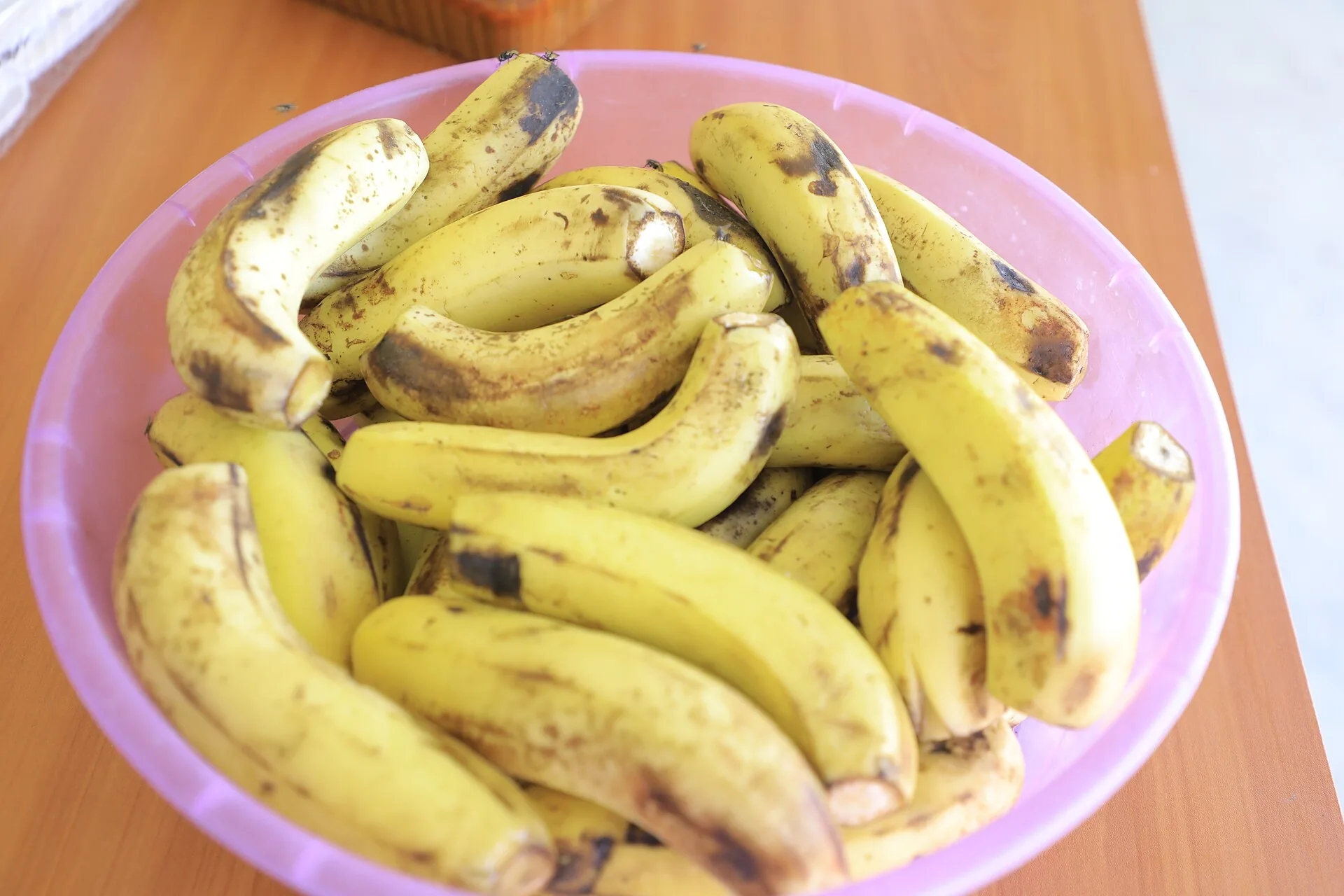
Can Chickens Eat Bananas? Peels and How Much
Yes, chickens can eat bananas, and the peel is safe too. Here's how much to feed, why sugar is the real limit, and how to serve peels the right way.
Researched from university extension, USDA, and veterinary sources. How we research.
Yes, chickens can eat bananas, and most flocks go straight for a soft, ripe one. Banana flesh is safe, easy to peck, and packed with potassium and vitamins. Unlike tomatoes or a few other garden foods, there is no toxic part to worry about here. The peel is safe too, though your birds may or may not bother with it.
For the full list of foods chickens can and cannot eat, see what can chickens eat.
The one real catch is sugar. A banana is basically a sweet, starchy snack, and too much of any sugary treat throws off a hen's balanced diet. So the short version is this: ripe banana in small amounts is a fine treat, the peel is safe if you handle it right, and moderation is the whole game.
Quick tip: Mash or slice a banana instead of tossing it in whole. A whole banana disappears into one greedy hen's crop, but a mashed one spreads the treat, and the foraging, across the whole flock.
| Banana part or form | Safe for chickens? | Notes |
|---|---|---|
| Ripe flesh | Yes | Feed in small amounts as a treat |
| Overripe or brown banana | Yes | Softer and easier to peck, still fine |
| Banana peel | Yes | Safe but tough, chop small or use organic |
| Green underripe banana | Yes, but | Very starchy and less appealing, mash it |
| Dried banana chips (store-bought) | No | Usually fried and sweetened, skip them |
| Banana bread or baked goods | No | Too much sugar, salt, and fat |
What You'll Learn
- •Are Bananas Safe for Chickens?
- •What Bananas Offer Your Flock
- •The Sugar Catch: Why Moderation Matters
- •Can Chickens Eat Banana Peels?
- •Overripe, Brown, and Green Bananas
- •Dried Banana Chips and Banana Bread
- •How to Feed Bananas to Your Flock
- •How Much Banana Is Too Much?
- •Can Baby Chicks Eat Bananas?
- •Do Bananas Change Eggs or Laying?
- •Common Mistakes
- •Frequently Asked Questions
Are Bananas Safe for Chickens?
Bananas are safe. There is no solanine, no cyanide, no toxic seed or pit, none of the concerns that come with foods like avocado or green potato. The whole fruit, flesh and peel, is edible for a chicken. That puts bananas in the easy column: the question is never "is any part dangerous," it is only "how much and how often."
Chickens tend to love the flesh. It is soft, sweet, and warm-weather friendly, and a hen can strip a mashed banana in seconds. The peel is a different story, and we will get to that, but the fruit itself is a treat you can hand out with confidence.
If you want the bigger picture on where treats fit alongside feed, our complete feeding guide breaks down what your flock should eat at every age. Bananas belong firmly in the treat category, not the staple category.
What Bananas Offer Your Flock
A ripe banana is more than empty calories. It brings a few genuinely useful nutrients to the treat pile:
- •Potassium. Bananas are famous for it, and potassium supports muscle function, nerve signals, and fluid balance. It is especially handy during hot weather when birds lose electrolytes.
- •Vitamin B6. This helps with protein metabolism and overall energy use.
- •Vitamin C. A mild immune and stress helper, useful during molting or other stressful stretches.
- •Magnesium and manganese. Both play a role in bone health and enzyme function, and manganese in particular matters for strong eggshells.
- •Moisture. A banana is roughly three-quarters water, so it adds a little hydration to a summer snack.
None of this replaces a complete feed. A quality layer or grower ration should still make up about 90 percent of the diet, the same as with any other treat. Bananas are a flavorful extra, in the same family as the good treats you might already offer, not a source of the balanced protein and calcium hens actually run on.
The Sugar Catch: Why Moderation Matters
Here is the part that separates bananas from a low-sugar treat like leafy greens or cucumber. Bananas are high in natural sugar, around 12 to 15 grams in a single medium fruit, plus a good amount of starch. That sweetness is exactly why chickens love them, and exactly why you cannot free-pour them.
Too much sugary, starchy food causes real problems over time:
- •Weight gain. Extra calories with little protein pack on fat. Overweight hens lay less reliably and are more prone to health trouble.
- •Fatty liver. Diets heavy in sugar and carbohydrates are linked to fatty liver disease in laying hens, a serious and sometimes fatal condition.
- •Crowded-out nutrition. A crop full of banana is a crop with no room for balanced feed. Fill up on sugar and a hen misses the protein and calcium she needs for good eggs.
- •Loose droppings. Sudden or large amounts of sweet, watery fruit can cause runny droppings for a day or two.
None of this means bananas are bad. It means they are a once-in-a-while snack, not a daily habit. A thin slice or a spoonful of mash per bird, a couple of times a week, is plenty. Think of it the way you would think about candy for a kid: fine as an occasional treat, a problem as a food group.
Can Chickens Eat Banana Peels?
Yes, banana peels are safe for chickens. The peel is not toxic, and it actually holds fiber and some of the same nutrients as the flesh. Whether your flock will eat it is another question.
Most chickens turn their beaks up at a whole peel. It is tough, rubbery, and bitter, and a hen faced with sweet flesh and a chewy skin will pick the flesh every time. If you want your birds to actually eat the peel rather than trample it into the run, you have a few options:
- •Chop it small. Cut the peel into thin, short strips or small squares. Little pieces are far easier for a hen to grab and swallow than a long, leathery ribbon.
- •Blend or cook it. Some keepers blend peels into a mash or briefly boil them to soften them up. A softened, mashed peel goes down much easier.
- •Let it get overripe. A peel from a very ripe, spotty banana is softer and a little sweeter than one from a firm yellow fruit.
There is one honest caveat with peels: pesticide residue. Bananas are treated after harvest to stop rot in transit, and the peel is where that treatment sits. A 2023 survey in the journal Foods of 733 bananas from the Canary Islands found imazalil, a postharvest fungicide, in about 68 percent of samples and chlorpyrifos in about 71 percent, though only about 2 percent of samples exceeded legal residue limits and none did in the last five years of the study. Those limits are set for people eating the flesh, not hens eating the skin. A quick rinse helps, but if you plan to feed peels regularly, buying organic bananas is the safer route. If that feels like too much fuss, there is nothing wrong with tossing peels in the compost instead. Your birds are not missing out on much, since the flesh is where the real appeal is.
Overripe, Brown, and Green Bananas
Ripeness changes the texture more than the safety.
Overripe and brown bananas are actually the sweet spot for chickens. Once a banana goes soft and spotty, the flesh is mushy and easy to peck, and the natural sugars are more available. Those sad, forgotten bananas on your counter are a perfect flock treat. Just skip any part that has gone genuinely moldy, since mold is far more of a health risk to a chicken than an overripe banana ever will be.
Green, underripe bananas are safe but less appealing. They are firmer, more starchy, and less sweet, so hens are less enthusiastic. If all you have is a green one, mash it up to make it easier to eat. There is no toxin to worry about, just a texture your birds care less for.
Dried Banana Chips and Banana Bread
This is where people get tripped up. Fresh banana is a good treat, but banana in processed form usually is not.
Store-bought banana chips are the classic mistake. Most commercial chips are deep fried in oil and coated in extra sugar or honey. That turns a decent fruit into a fatty, sugary snack that has no place in a chicken's diet. Skip them. If you want to offer dried banana, make your own by dehydrating plain slices with nothing added, and even then keep it to tiny amounts.
Banana bread, muffins, and baked goods are also off the list. They carry too much sugar, salt, butter, and sometimes ingredients like chocolate or nuts that chickens should not have. A crumb that falls on the ground will not hurt anyone, but do not hand your flock a slice of banana bread as a treat.
The rule of thumb: the closer the banana is to how it grew, the better. Plain, fresh, and ripe is the version your chickens should get.
How to Feed Bananas to Your Flock
Feeding bananas is simple once you know the routine:
- •Start with a ripe banana. Soft and spotty is ideal. Peel it, or leave an organic, chopped peel on if you want the extra fiber.
- •Mash or slice it. Mashing spreads the treat across the flock and prevents one bird from bolting the whole thing. Slices work too, especially for smaller flocks.
- •Keep the portion small. A few slices or a spoonful of mash per bird is plenty. Bananas count toward the 10 percent treat allowance.
- •Serve it up off the ground. A shallow dish, a clean board, or a treat feeder keeps the sticky fruit out of the mud and makes cleanup easier.
- •Offer grit. Birds that do not free range need grit to grind up soft produce in the gizzard. Free-ranging birds usually pick up their own.
- •Clean up leftovers. Sweet fruit attracts flies, ants, and rodents. Pull anything uneaten after a couple of hours.
A fun summer trick: freeze banana slices and offer them on a hot afternoon. A frozen banana coin is a cooling snack that also slows a hen down and gives her something to work at. Our summer care guide has more ways to keep the flock comfortable when temperatures climb.
How Much Banana Is Too Much?
The golden rule for any treat is the 90/10 split. About 90 percent of the diet should come from a complete feed, and no more than 10 percent from treats, scraps, and produce combined. For a standard laying hen, that 10 percent works out to only a couple of tablespoons of extras a day.
Because bananas are sugary, they should take up only a slice of that already small treat budget, not all of it. A realistic amount looks like this:
| Flock size | Reasonable banana treat | Frequency |
|---|---|---|
| 1 to 2 hens | Half a banana, mashed | 1 to 2 times a week |
| 3 to 6 hens | 1 banana, mashed and spread out | 1 to 2 times a week |
| 7 to 12 hens | 2 bananas, shared | 1 to 2 times a week |
Rotate bananas with lower-sugar options so no single treat dominates. A hen that gets banana one day, a ripe tomato another, and some leafy greens on a third is getting variety without a sugar overload. If you notice loose droppings or hens ignoring their feed, dial the fruit back.
Can Baby Chicks Eat Bananas?
Hold off on bananas for very young chicks. For the first several weeks, a chick's entire diet should be a balanced starter feed built to deliver the protein and nutrients it needs to grow fast. Sugary treats just get in the way at that stage, and a chick's system does best on consistency.
Once chicks are around six to eight weeks old, you can offer a tiny taste of mashed ripe banana. Keep the portion genuinely small, a smear rather than a serving, and make sure they have chick grit available so they can digest it. For a week-by-week look at when to introduce treats, see our raising chicks guide. As with adults, moderation matters even more for growing birds.
Do Bananas Change Eggs or Laying?
In normal treat amounts, bananas will not harm your eggs. The vitamins and minerals in fruit can slightly support overall condition, and some keepers feel a varied treat diet keeps hens active and content.
The risk shows up only with overfeeding. Too much sugar and not enough balanced feed can lead to fewer eggs, thinner shells, or a pause in laying, simply because the hen is not getting the protein and calcium she needs. That is not a banana problem, it is a portion problem. If your egg quality slips and you are feeding a lot of treats, that is the first place to look. Our guide to egg problems can help you sort out other causes if the diet checks out.
Common Mistakes
A few habits turn a harmless treat into a problem:
- •Feeding banana every day. It is sugary. Daily bananas crowd out real nutrition and pile on fat. Keep it to a couple of times a week.
- •Offering banana chips or banana bread. Processed banana is loaded with added sugar and fat. Fresh only.
- •Dumping whole peels in the run. Chickens rarely eat a whole tough peel, so it just becomes litter. Chop it, soften it, or compost it.
- •Skipping grit. Penned birds need grit to process soft fruit. Without it, produce sits heavy in the gut.
- •Leaving leftovers out. Sweet fruit draws pests fast. Clear uneaten banana within a couple of hours.
- •Feeding moldy fruit. Overripe is great, moldy is not. Mold can make a chicken seriously ill, so cut away any fuzzy spots.
Frequently Asked Questions
Can chickens eat bananas every day?
They can have a little most days, but bananas should not be a daily staple. Because they are high in sugar, daily feeding can lead to weight gain and crowd out balanced nutrition. A small amount a couple of times a week is the safer rhythm.
Can chickens eat banana peels?
Yes, banana peels are safe and hold extra fiber. The catch is that most chickens find a whole peel too tough and bitter to bother with. Chop it small, soften it by cooking or blending, or use organic peels to limit pesticide residue. If your birds ignore it, compost it instead.
Are banana peels toxic to chickens?
No. Banana peels contain no toxins that harm chickens. The only real concern is pesticide residue on conventionally grown bananas, which a rinse reduces and organic fruit avoids. Toughness, not toxicity, is why chickens often skip them.
Can baby chicks eat bananas?
Wait until chicks are about six to eight weeks old, then offer only a tiny taste of mashed ripe banana. Before that, chicks should eat starter feed exclusively. Always provide chick grit if you offer any treat so they can digest it.
Do chickens like bananas?
Most do, and they usually love the soft ripe flesh. Overripe, brown bananas are an especially easy sell because they are mushy and sweet. The peel is where enthusiasm drops off, since it is chewy and less appealing.
Can chickens eat banana chips?
Skip store-bought banana chips. They are typically fried in oil and coated in added sugar, which makes them a fatty, sugary snack chickens do not need. Plain homemade dehydrated banana in tiny amounts is the only dried version worth offering.
Will bananas give my hens diarrhea?
A large or sudden serving of sweet, watery fruit can cause loose droppings for a day or so. Keep portions small and this is rarely an issue. If runny droppings continue beyond a day or come with other symptoms, look past the banana for the cause.
Can bananas help chickens in hot weather?
Bananas add a little moisture and potassium, which helps replace electrolytes lost in the heat. Frozen banana slices make a nice cooling summer treat. They are a supplement to plenty of fresh water and shade, not a substitute for them.
Bananas are one of the easier treats to get right: no toxic parts, a bit of real nutrition, and a flavor chickens genuinely enjoy. Just respect the sugar. Serve ripe fruit in small amounts a couple of times a week, handle the peel smartly or compost it, and keep processed banana off the menu. For more on building a healthy diet around the right treats, see our complete feeding guide.
Sources:
- •Merck Veterinary Manual. Nutrition in poultry. https://www.merckvetmanual.com/
- •University of Kentucky Cooperative Extension. Poultry nutrition and feeding. https://poultry.extension.org/
- •Penn State Extension. Feeding chickens for egg production. https://extension.psu.edu/animals/poultry
- •Pesticide Residues in Bananas from the Canary Islands. Foods 2023 (imazalil in 68.5 percent and chlorpyrifos in 71.2 percent of 733 samples, 2.05 percent over the limit). https://pmc.ncbi.nlm.nih.gov/articles/PMC9914906/
- •USDA FoodData Central. Bananas, raw. https://fdc.nal.usda.gov/
Related Guides
Can Chickens Eat Carrots? Raw, Cooked, Tops, and Peels
Chickens can eat carrots raw or cooked, tops included. Why raw carrots need grating, what beta-carotene does and does not do for yolks, and how much to feed.
Feed & NutritionCan Chickens Eat Cucumbers? Peels, Seeds, and Bitter Ones
Chickens can eat cucumbers, peel and seeds included. At 95 percent water they are a hot-day treat. What to do with bitter ones, and how much to feed.
Feed & NutritionCan Chickens Eat Oranges? The Citrus Myth and Peels
Chickens can eat oranges. No extension source lists citrus as harmful, and the calcium myth has no evidence behind it. Peels, seeds, other citrus, and how much.
Feed & NutritionCan Chickens Eat Apples? Yes, But Core Them First
Chickens can eat apples, skin and all, but the seeds carry amygdalin, which releases cyanide. How much a hen would need to eat, how to feed apples, and cores.