Can Chickens Eat Tomatoes? Safe Parts and Risks
Yes, chickens can safely eat ripe tomatoes, but the leaves, stems, and green unripe fruit are toxic. Here's what to feed and how much.
Researched from university extension, USDA, and veterinary sources. How we research.
Yes, chickens can eat ripe tomatoes, and most flocks love them. A juicy summer tomato is hydrating, full of vitamins, and a favorite treat when the garden is overflowing. The catch is that the rest of the plant is a different story. Tomato leaves, stems, vines, flowers, and the hard green unripe fruit all contain solanine, the same natural toxin found in green potatoes.
For the full list of foods chickens can and cannot eat, see what can chickens eat.
So the short version is simple: ripe red tomato flesh is safe and healthy in moderation, and everything green on the plant should stay out of the run. Below is exactly what is safe, what to avoid, how much to feed, and how to keep your flock out of trouble at harvest time.
Quick tip: If a tomato is still hard and green, hold onto it and let it ripen on a windowsill instead of tossing it to the birds. Ripe and red means safe. Green means skip it.
| Tomato part | Safe for chickens? | Notes |
|---|---|---|
| Ripe red flesh | Yes | Feed in moderation as a treat |
| Ripe skin and seeds | Yes | No need to remove either |
| Unripe green tomato | No | High in solanine, bitter and risky |
| Leaves and stems | No | Toxic, keep out of the run |
| Vines and flowers | No | Toxic, part of the nightshade plant |
| Cooked ripe tomato | Yes, plain only | Skip sauces, ketchup, and canned versions |
What You'll Learn
- •Are Tomatoes Safe for Chickens?
- •The Solanine Problem: Why Green Parts Are Toxic
- •Which Parts of the Tomato Are Dangerous
- •Health Benefits of Ripe Tomatoes
- •Cherry Tomatoes and Other Types
- •Cooked Tomatoes, Sauce, and Canned
- •How to Feed Tomatoes to Your Flock
- •How Much Tomato Is Too Much?
- •Can Baby Chicks Eat Tomatoes?
- •Chickens and the Tomato Garden
- •Signs of Solanine Poisoning
- •Frequently Asked Questions
Are Tomatoes Safe for Chickens?
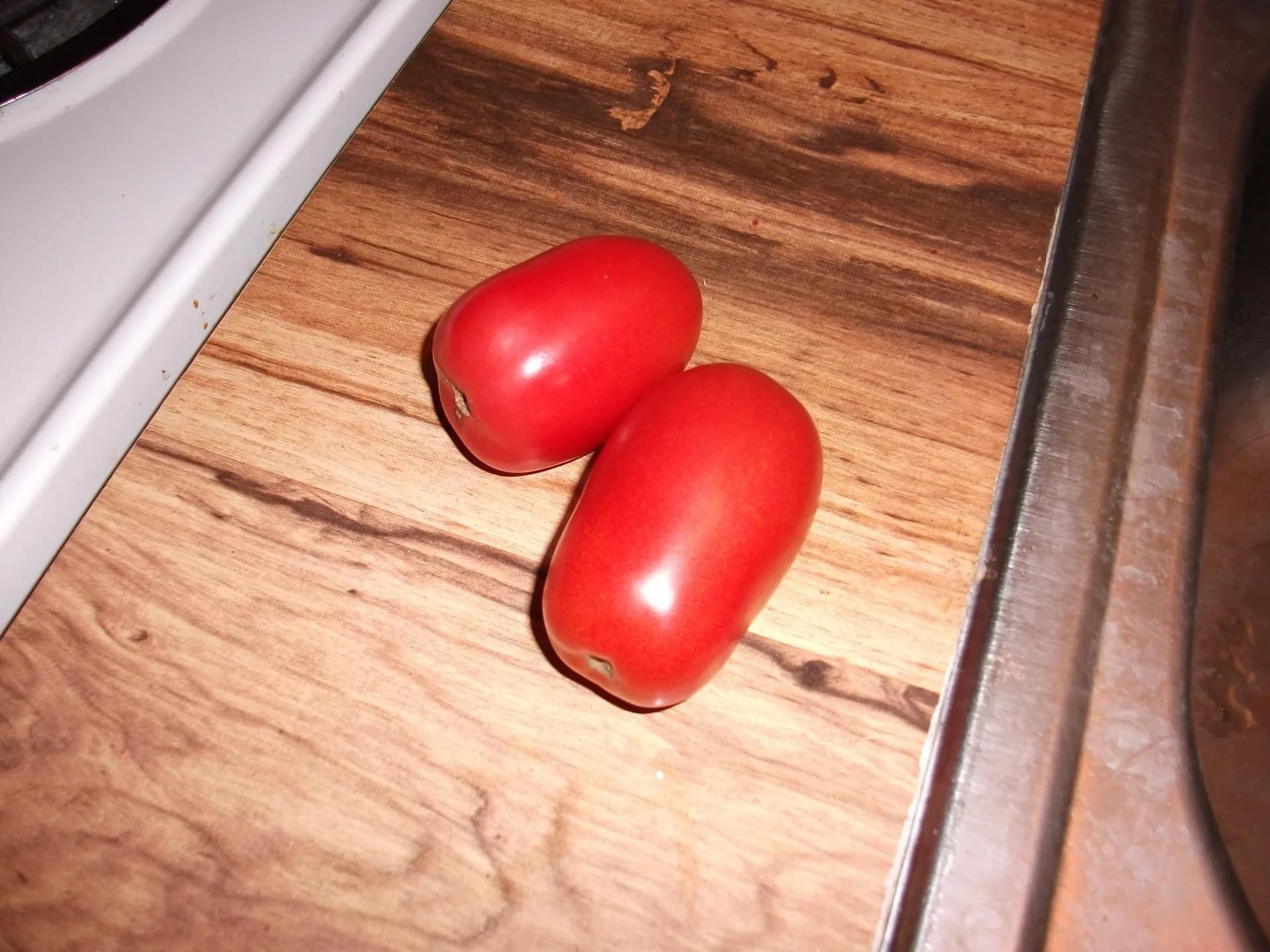
Ripe tomatoes are safe, and chickens will happily peck a soft tomato down to the skin. The fruit is about 95% water, so on a hot afternoon it doubles as a cooling snack. You can hand a hen a whole ripe tomato, cut one in half and set it in the run, or scatter chopped pieces around to get the flock foraging.
The reason people worry is that tomatoes belong to the nightshade family, which includes potatoes, peppers, and eggplant. Nightshades have a reputation because parts of these plants really are toxic. With tomatoes, the danger lives in the green tissue and the unripe fruit, not in the ripe tomato you would eat yourself.
Think of it the way you think about apples. The flesh is a great treat, but you wouldn't feed a pile of apple seeds. Same idea here: the ripe fruit is the safe part, and the plant around it is not.
If you want the bigger picture on how treats fit into a balanced diet, our complete feeding guide breaks down what your flock should eat at every age.
The Solanine Problem: Why Green Parts Are Toxic
Tomato plants produce natural chemicals called glycoalkaloids to defend themselves against insects and disease. The two that matter for tomatoes are solanine and its cousin tomatine. These compounds are bitter, and in large enough amounts they interfere with the nervous system and the gut.
Here is the important part for chicken keepers: glycoalkaloids are concentrated in the green, growing parts of the plant. The leaves, stems, vines, and unripe green fruit carry the highest levels. As a tomato ripens and turns red, those compounds break down and drop to trace amounts that pose no real threat. That is why ripe fruit is fine and green fruit is not.
Chickens are not defenseless here. They tend to avoid bitter, unpleasant plants when they have better options, and it usually takes a large quantity of green material to make a bird sick. Serious solanine poisoning in a backyard flock is uncommon. Still, the smart move is to never give them the chance, especially with young or bored birds that might peck at anything.
Which Parts of the Tomato Are Dangerous
To keep it straightforward, here is the full rundown of what stays out of reach.
Leaves and stems
Tomato foliage has the highest solanine content of any part of the plant. Never toss pruned leaves, suckers, or trimmings into the run. If you are cleaning up the garden, those clippings belong in the compost pile or yard waste, not the coop.
Vines and flowers
The whole vine, including the yellow flowers, is part of the toxic green plant. When a tomato plant dies back at the end of the season, resist the urge to let the flock "clean it up." Pull the plant and dispose of it away from your birds.
Unripe green tomatoes
A green tomato is essentially an immature fruit that has not yet broken down its glycoalkaloids. It is also hard, bitter, and not something a chicken enjoys anyway. If you grow tomatoes, green fruit that falls or gets picked early should go on the windowsill to ripen, not into the run.
The ripe skin and seeds are fine
One common worry is that tomato skin or seeds might be a problem. They are not. Ripe skin and seeds pass through a chicken with no trouble, and there is no need to peel or deseed anything. Just serve the ripe fruit as is.
Health Benefits of Ripe Tomatoes
When you stick to ripe fruit, tomatoes are more than a fun snack. They bring real nutrition to the treat pile.
- •Hydration. At roughly 95% water, tomatoes help your flock stay cool and hydrated during summer heat. Pair them with plenty of fresh water and shade for the best effect. Our summer care guide covers more ways to keep hens comfortable on hot days.
- •Vitamins A and C. Tomatoes deliver beta-carotene and vitamin C, which support immune health and overall condition.
- •Vitamin K and potassium. These support healthy blood and muscle function.
- •Lycopene. This is the antioxidant that gives ripe tomatoes their red color. Antioxidants help protect cells from everyday stress.
- •Folate. Useful for growth and healthy cell development.
None of this replaces a complete feed, of course. A quality layer or grower feed should still make up about 90% of the diet. Tomatoes and other produce are the flavorful extras that round things out, the same way good treats do.
Cherry Tomatoes and Other Types
Every ripe tomato variety is safe, so you can share whatever your garden produces:
- •Cherry and grape tomatoes are perfect because they are already bite sized. They are especially easy for bantam breeds and smaller hens to grab and swallow.
- •Roma and paste tomatoes are meatier and less juicy, which some flocks actually prefer.
- •Beefsteak and slicing tomatoes are big and watery, great for cutting in half and setting out on a hot day.
- •Heirloom tomatoes in any color are fine as long as they are ripe. A ripe yellow or purple heirloom is just as safe as a red one.
The only real difference is size. For cherry tomatoes fed to standard hens, no prep is needed. For smaller or younger birds, cutting them in half removes any choking risk.
Cooked Tomatoes, Sauce, and Canned
Plain cooked tomato is safe for chickens, and cooking does reduce whatever trace glycoalkaloids remain. But cooked tomato products are usually a bad idea, and it has nothing to do with the tomato itself.
The problem is everything else in the jar. Pasta sauce, ketchup, salsa, and canned tomatoes are loaded with salt, sugar, onion, and garlic. Chickens are sensitive to salt, and large amounts of onion can damage their red blood cells. So while a bit of plain stewed tomato won't hurt, there is no reason to feed sauces or canned tomatoes, and several reasons not to.
Stick with fresh, ripe tomato. It is cheaper, cleaner, and better for your flock than anything processed.
How to Feed Tomatoes to Your Flock
Feeding tomatoes is easy once you know the rules. Here is the routine that keeps it safe.
- •Pick fully ripe fruit only. If it is red (or fully colored for a non-red variety) and slightly soft, it is good to go. Discard anything hard and green.
- •Remove all leaves, stems, and vines. Anything green and leafy from the plant should never reach the run.
- •Rinse the tomato. A quick rinse removes garden dirt, dust, and any spray residue.
- •Cut it up. Halve or quarter larger tomatoes so hens can peck the flesh easily. Cherry tomatoes can be halved for small birds.
- •Serve in moderation. Treat tomatoes as part of the 10% treat allowance, not a daily staple.
- •Provide grit. Chickens that don't free range need grit to grind up produce in the gizzard.
- •Clean up leftovers. Pull any uneaten tomato out of the run after a few hours so it doesn't rot and attract pests.
How Much Tomato Is Too Much?
The golden rule for any treat is the 90/10 split. Around 90% of the diet should come from a complete feed, and no more than 10% from treats, scraps, and produce combined. For a standard laying hen, that 10% works out to only a couple of tablespoons a day.
Tomatoes are watery and mildly acidic, so overdoing them causes its own issues even though the ripe fruit is safe. Too much tomato can lead to loose, runny droppings simply because of all the water. Filling up on low-protein produce also crowds out the balanced nutrition hens need, which can show up as fewer or thinner-shelled eggs. If you notice egg quality slipping, our guide to egg problems can help you sort out the cause.
A good rhythm is to offer tomato a few times a week when the garden is producing, not a giant bowl every single day. Variety matters more than volume, so rotate tomatoes with other safe fruits like a bit of mashed banana to keep the treat pile interesting without overdoing any one food.
Can Baby Chicks Eat Tomatoes?
Hold off on tomatoes for very young chicks. For the first several weeks, a chick's entire diet should be a balanced starter feed that gives it the protein and nutrients it needs to grow. Treats at that stage just get in the way.
Once chicks are about six to eight weeks old, you can start introducing small amounts of soft, ripe tomato. Cut it into tiny pieces, offer just a little, and make sure the chicks have access to chick grit so they can digest it. As with adult birds, keep every bit of the green plant away from them. For a week-by-week breakdown of when to add treats, see our raising chicks guide.
Chickens and the Tomato Garden
If you grow tomatoes and keep chickens, you already know the tension. Chickens will happily strip ripe fruit off low branches, scratch up seedlings, and peck holes in tomatoes you were saving for yourself. Ironically, the ripe fruit they want is the safe part, and the leaves they mostly ignore are the toxic part.
A few habits keep the peace:
- •Fence the garden. A simple barrier around the tomato bed is the surest fix. Many keepers only let the flock into the garden after the harvest is done.
- •Supervise free-range time. If your birds free range, keep an eye on them near ripening plants, or use temporary netting during peak season.
- •Don't rely on the leaves as a deterrent. Chickens usually avoid the bitter foliage on their own, but a bored or hungry bird might sample it. Fencing is more reliable than hoping they behave.
- •Share the surplus. Split, overripe, or bug-damaged tomatoes that you won't use make a perfect treat. Just cut off any moldy spots first, since mold is far more dangerous to chickens than a ripe tomato ever will be.
Signs of Solanine Poisoning
Solanine poisoning is rare in backyard flocks, but it helps to know what it looks like so you can act if a bird gets into a pile of green material. Watch for:
- •Lethargy, weakness, or a hunched, fluffed-up posture
- •Loss of appetite
- •Diarrhea or drooling
- •Labored breathing
- •In severe cases, trembling, poor coordination, or paralysis
If you suspect a bird has eaten a large amount of tomato leaves or green fruit, remove the source right away, provide plenty of fresh clean water, and keep the bird calm and warm while you watch it. Mild cases usually pass on their own as the toxin clears. For serious symptoms, call a vet who treats poultry. It is also worth learning the general signs of a sick chicken so you can spot trouble early with any health issue, not just this one.
Frequently Asked Questions
Can chickens eat tomatoes every day?
They can have a little most days, but tomatoes shouldn't be a daily staple. Keep all treats to about 10% of the diet. Too much watery tomato can cause loose droppings and crowd out the balanced feed hens need for good egg production.
Can chickens eat green tomatoes?
No. Unripe green tomatoes contain high levels of solanine, the same toxin found in tomato leaves and green potatoes. Let green tomatoes ripen fully before offering them, or keep them for yourself and skip the flock entirely.
Are tomato leaves poisonous to chickens?
Yes. Tomato leaves, stems, and vines carry the highest concentration of solanine on the plant. Never put trimmings or dead vines in the run. Compost them or dispose of them away from your birds.
Do I need to remove tomato seeds or skin?
No. Unlike apple seeds, ripe tomato seeds and skin are completely safe. There is no need to peel, deseed, or do any special prep beyond a rinse and a rough chop.
Can chickens eat cherry tomatoes?
Yes, and they are one of the easiest tomatoes to serve. They are already bite sized, so standard hens can gulp them down whole. For bantams or younger birds, cut them in half to remove any choking risk.
Can chickens eat cooked tomatoes or tomato sauce?
Plain cooked tomato is fine, but skip sauces, ketchup, salsa, and canned tomatoes. Those are high in salt, sugar, onion, and garlic, all of which are bad for chickens. Fresh ripe tomato is the better choice.
Will tomatoes change my hens' eggs?
Not in any harmful way. The antioxidants and carotenoids in produce like tomatoes can slightly deepen yolk color over time, which many keepers see as a bonus. They won't affect the taste or safety of the eggs.
How many tomatoes can one chicken eat?
Think in tablespoons, not tomatoes. A couple of tablespoons of chopped ripe tomato is plenty for one hen as part of a mixed treat allowance. A whole beefsteak tomato is better split among the flock than given to a single bird.
Ripe tomatoes are a genuinely good treat when you follow the simple rule: red and ripe is safe, green and leafy is not. Serve them in moderation, keep the plant itself out of the run, and your flock gets a hydrating, vitamin-rich snack all summer long. For more on building a healthy diet around the right treats, see our complete feeding guide.
Sources:
- •Merck Veterinary Manual. Solanum (nightshade) toxicity in animals. https://www.merckvetmanual.com/
- •University of Kentucky Cooperative Extension. Poultry nutrition and feeding. https://poultry.extension.org/
- •Penn State Extension. Poultry feeding programs. https://extension.psu.edu/animals/poultry
- •USDA FoodData Central. Tomatoes, red, ripe, raw. https://fdc.nal.usda.gov/
Related Guides
Can Chickens Eat Bread? Safe, Empty, and Easy to Overdo
Chickens can eat bread in small pieces, but it is salt and starch with no value to a hen. Moldy bread, crop trouble, and better uses for a stale loaf.
Feed & NutritionWhat Can Chickens Eat? The Safe, Limited, and Never Lists
What chickens can eat, what to limit, and the ten foods extension services say never to feed. A sourced table of fruits, vegetables, grains, and scraps.
Feed & NutritionCan Chickens Eat Apples? Yes, But Core Them First
Chickens can eat apples, skin and all, but the seeds carry amygdalin, which releases cyanide. How much a hen would need to eat, how to feed apples, and cores.
Feed & NutritionCan Chickens Eat Avocado? No, and Here Is the Evidence
Chickens cannot safely eat avocado. Persin in the skin, pit, leaves, and flesh damages the heart in birds. What Merck and the case reports say, and what to do.