Can Chickens Eat Avocado? No, and Here Is the Evidence
Chickens cannot safely eat avocado. Persin in the skin, pit, leaves, and flesh damages the heart in birds. What Merck and the case reports say, and what to do.
Researched from university extension, USDA, and veterinary sources. How we research.
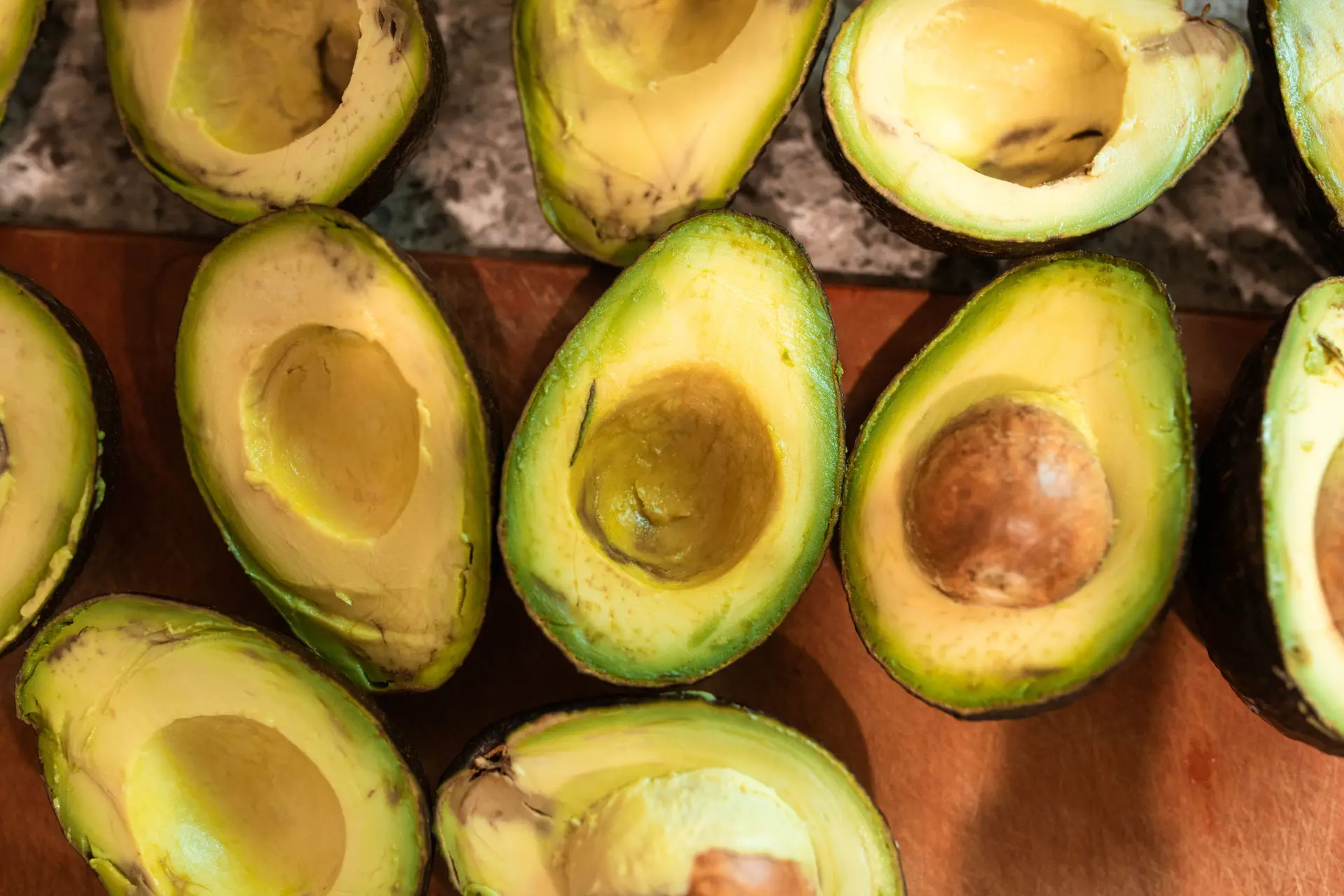
No. Chickens should not eat avocado, and this is one of the few foods where the answer is not "in moderation." Avocado contains persin, a compound that damages heart muscle in birds, and the Merck Veterinary Manual names chickens and turkeys specifically among the species known to be susceptible. It is the first item on the University of Florida's extension list of foods never to feed chickens. Every part of the plant is a problem, with the leaves the most toxic, and while the flesh carries less persin than the skin and pit, extension advice is to skip avocado entirely.
This guide lays out what persin does, what the bird studies found, which parts are worst, what to do if a hen got some, and why guacamole is a triple problem.
What Persin Does to Birds
Persin is a fatty-acid-like compound in the avocado plant. In birds and in many mammals it causes myocardial necrosis, which means death of heart muscle tissue. Merck describes the course: birds become lethargic, breathe with difficulty, stop eating, develop fluid swelling under the skin of the neck and chest, and die. The damage shows up within a day or two of eating the avocado, and there is no antidote. Merck notes that no test exists to confirm the diagnosis and that treatment is limited to supporting the heart and treating symptoms.
Merck's list of susceptible animals includes cattle, goats, horses, sheep, rabbits, rodents, budgerigars, canaries, cockatiels, ostriches, chickens, and turkeys. Dogs, oddly, seem relatively resistant, which is one reason a family with a dog that has eaten avocado without trouble may assume a hen can too. She cannot.
What the Research Found
The bird evidence is not folklore. Two studies stand behind the warnings:
- •Caged birds, 1989. Veterinarians at Washington State University fed mashed avocado of two varieties to budgerigars and canaries by feeding tube. Six of eight budgerigars and one of eight canaries died within 24 to 47 hours of the first dose, with higher doses killing more birds, and the postmortem findings included the fluid swelling under the skin that Merck describes. Both varieties of avocado were lethal.
- •Ostriches, 1994. A South African report described heart muscle disease in ostriches after they ate avocado of the Guatemalan variety, which Merck notes is the type most often involved in poisonings.
Chickens are much closer in size to an ostrich than a budgerigar, and a hen would need to eat more than a parakeet to reach a harmful dose. The point is not that one lick of avocado kills a chicken; it is that the compound is genuinely toxic to poultry, the harmful amount is unknown, and there is nothing in an avocado a hen needs.
Which Parts Are Dangerous
All of them, in this order:
- •Leaves. Merck calls the leaves the most toxic part. If you have an avocado tree, the fallen leaves in the yard are the biggest risk to a ranging flock, more than the fruit.
- •Skin and pit. High in persin. These are the parts that end up in a scrap bucket, which is why avocado scraps are the usual way backyard chickens get exposed.
- •Flesh. Lower in persin than the skin and pit but not free of it. Florida's extension puts it plainly: the flesh is less dangerous, but it is still best to avoid feeding avocados entirely.
- •Stems and bark. Also toxic, though a chicken is unlikely to eat them.
Guatemalan varieties are the most often implicated, but the 1989 study found both varieties it tested were lethal to budgerigars, so no variety should be treated as safe.
Guacamole and Avocado Dishes
Guacamole is the worst version: avocado plus onion, which damages red blood cells in quantity, plus salt, which is on the never list on its own. Avocado toast crusts, salad with avocado, and leftover avocado dip all go in the compost, not the run. Fence the compost too; chickens dig.
What About the Nutrition?
There is none worth the risk. USDA figures put avocado at about 73 percent water, roughly 7 grams of fiber and 15 grams of fat per 100 grams, and a good deal of potassium. The fat and potassium are why people eat it. A hen on a complete layer feed gets everything she needs from the feed, and the fat in avocado is not a nutrient she is short of. Compare a food like carrots, which gives a hen fiber and vitamin A with no downside.
If a Chicken Ate Avocado
A hen that snatched a bite of flesh off a plate is probably going to be fine, but the right response is the same either way:
- •Remove the rest and check the scrap bucket for skins and pits.
- •Watch the bird closely for 48 hours, which is the window Merck gives for signs to appear. Look for lethargy, sitting fluffed up, open-mouth or labored breathing, refusal to eat, and any puffiness at the neck or chest.
- •Call a vet at the first sign. There is no antidote, but supportive care for the heart and breathing is possible, and earlier is better.
- •Do not wait on a bird that is breathing hard. Respiratory distress in a bird that ate avocado is a heart problem, not a cold.
If the whole flock got into a pile of avocado skins, call the vet before signs appear and ask what to watch for.
Avocado Trees and Free-Range Flocks
If you live where avocados grow, the tree is the hazard, not the kitchen. Fallen leaves are the most toxic part of the plant and they fall year-round. Keep the flock fenced out of the drip line, rake under the tree before letting birds range nearby, and pick up dropped fruit. Chickens that have never been offered avocado do not seek it out, but a windfall split open on the ground is exactly the kind of thing a curious hen will sample.
Frequently Asked Questions
Is avocado poisonous to chickens?
Yes. Avocado contains persin, which causes heart muscle damage in birds. Merck lists chickens and turkeys among susceptible species, and feeding studies killed budgerigars within two days.
Can chickens eat avocado flesh?
The flesh carries less persin than the skin, pit, and leaves, but it is not persin-free, and extension guidance is to avoid avocado entirely. There is no nutritional reason to take the chance.
Can chickens eat avocado skin or pit?
No. The skin and pit carry more persin than the flesh, and they are the parts most likely to end up in a scrap bucket.
What happens if a chicken eats avocado?
A small taste of flesh is unlikely to cause harm. A larger amount, or skin, pit, or leaves, can cause lethargy, labored breathing, swelling at the neck and chest, and death within one to two days. Watch the bird for 48 hours and call a vet at the first sign.
Can chickens eat guacamole?
No. It combines avocado with onion and salt, which are each on the limit or never lists.
Are avocado leaves dangerous to chickens?
They are the most toxic part of the plant. Keep ranging birds away from avocado trees and rake up fallen leaves.
Bottom Line
Avocado is a real never for chickens: persin damages the heart, chickens are on the list of species it affects, and nothing in the fruit is worth the risk. Skins and pits go in a fenced compost, leaves get raked, and a bird that ate some gets watched for two days. For the rest of the safe and unsafe lists, see what can chickens eat.
Sources:
- •Merck Veterinary Manual. Avocado Toxicosis in Animals (persin, susceptible species including chickens and turkeys, leaves most toxic, signs in birds, no antidote). https://www.merckvetmanual.com/toxicology/food-hazards/avocado-toxicosis-in-animals
- •Hargis AM, Stauber E, Casteel S, Eitner D. Avocado (Persea americana) intoxication in caged birds. Journal of the American Veterinary Medical Association 1989 (budgerigar and canary feeding study). https://pubmed.ncbi.nlm.nih.gov/2914792/
- •Burger WP, et al. Cardiomyopathy in ostriches (Struthio camelus) due to avocado (Persea americana var. guatemalensis) intoxication. Journal of the South African Veterinary Association 1994. https://pubmed.ncbi.nlm.nih.gov/7595917/
- •UF/IFAS Extension Holmes County. 10 Foods You Should Never Feed Chickens (avocado first on the list). https://blogs.ifas.ufl.edu/holmesco/?p=28475
- •USDA FoodData Central. Avocados, raw, all commercial varieties. FDC ID 171705. https://fdc.nal.usda.gov/food-details/171705/nutrients
Related Guides
Can Chickens Eat Onions? Small Amounts Only, Here's Why
Chickens can eat a little onion, but large amounts damage red blood cells and cause anemia. What Merck and extension say, garlic and green onions, and eggs.
Feed & NutritionCan Chickens Eat Apples? Yes, But Core Them First
Chickens can eat apples, skin and all, but the seeds carry amygdalin, which releases cyanide. How much a hen would need to eat, how to feed apples, and cores.
Feed & NutritionCan Chickens Eat Bell Peppers? Fruit Yes, Plant No
Chickens can eat bell peppers, seeds and all. The plant is a nightshade, so leaves and stems stay off the menu. Hot peppers, colors, how much, and chicks.
Feed & NutritionCan Chickens Eat Blackberries? Berries, Leaves, and Canes
Chickens can eat blackberries, the lowest-sugar berry a flock gets. Leaves and canes, purple droppings, frozen and wild berries, and how many to feed.