Best Egg Candlers for Hatching Eggs (2026)
The best egg candlers for checking fertility and development during incubation, with bright LED picks compared for white, brown, blue, and dark eggs.
Researched from university extension, USDA, and veterinary sources. How we research.
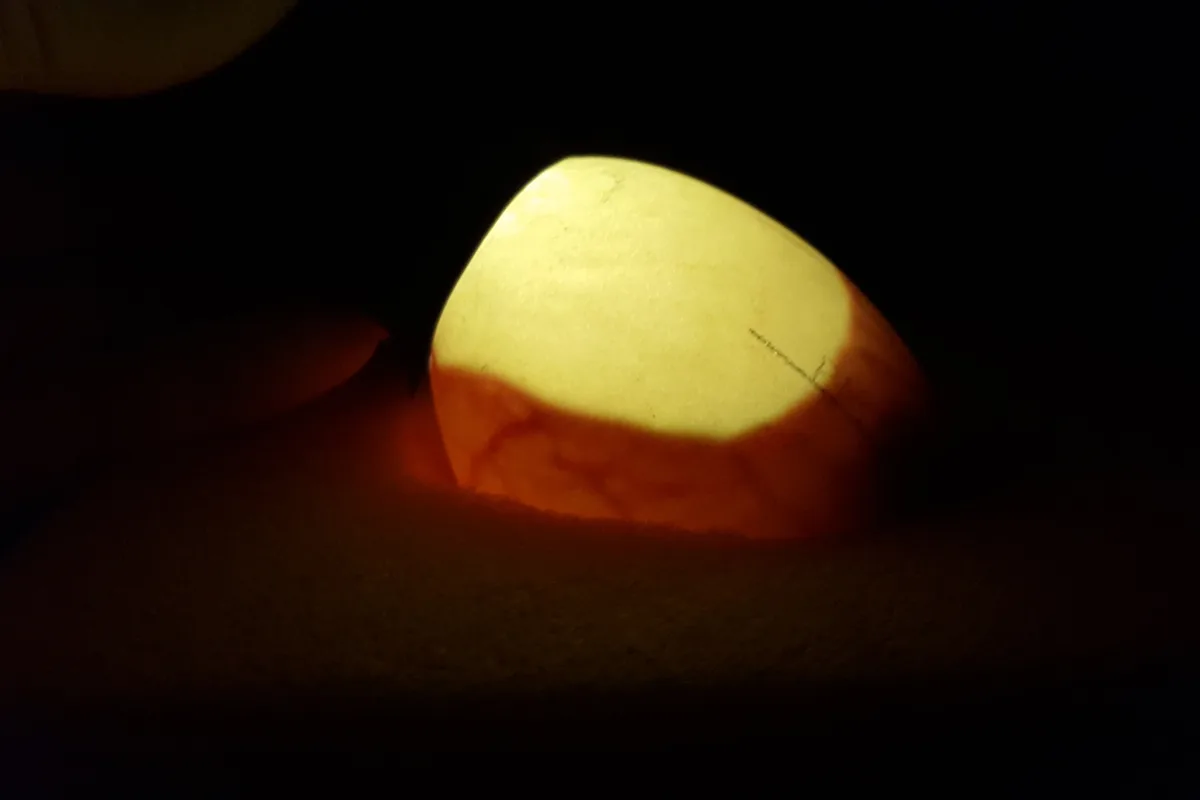
If you are hatching eggs, a candler is the one small tool that saves you three weeks of guessing. You shine a bright light through the shell and the light tells you the truth inside: an embryo with a web of veins, a clear egg that was never fertile, or a quitter that stopped partway. Pull the ones that are not developing and you stop wasting incubator space, you lower the risk of a rotten egg exploding, and you actually understand what your hatch is doing.
Our top pick: Magicfly Rechargeable Egg Candler. Cordless, cool-running LED, bright enough for most brown eggs, and it costs about $15.
Best for dark and blue eggs: Brinsea Ovaview. A high-intensity lamp that reads Marans, Welsummer, and Easter Egger shells a cheap light cannot. Around $60.
Affiliate Disclosure: This article contains affiliate links to Amazon. If you buy something through these links, we earn a small commission at no extra cost to you. We only recommend products we genuinely think are worth your money. Full disclosure.
Quick Answer: Best Egg Candlers
| Need | Pick | Price |
|---|---|---|
| Best overall | Magicfly Rechargeable | ~$15 |
| Best for dark and blue eggs | Brinsea Ovaview | ~$60 |
| Best bright value | Incu-Bright 250 Lumen | ~$22 |
| Best high-intensity battery | Titan Incubators LED | ~$30 |
| Best budget (corded) | Magicfly Corded | ~$12 |
| Cheapest handheld | BrightArk Rechargeable | ~$10 |
What You'll Learn
- •Do You Even Need a Dedicated Candler?
- •How We Picked
- •Types of Egg Candlers
- •Best Egg Candlers for Backyard Hatching
- •Match the Candler to Your Egg Color
- •How to Use a Candler Safely
- •What a Candler Really Costs
- •Common Candling Mistakes
- •Frequently Asked Questions
Do You Even Need a Dedicated Candler?
Honest answer first: for white or pale eggs in a fully dark room, a phone flashlight or a small LED penlight will show you veins and an air cell well enough. Plenty of people candle a dozen white eggs that way and never buy anything.
The moment you move to brown, blue, green, or speckled shells, that changes. Less light passes through a dark shell, so a weak, scattered beam just lights up the whole egg orange and shows you nothing. A dedicated candler does two things a phone cannot. It concentrates a tight, bright beam into the shell, and most have a soft rubber or silicone ring that seals against the egg so stray light does not blind you and wash out the view. On a dark Marans egg that difference is the difference between seeing a clear answer and shrugging.
So the rule is simple. White or cream eggs, you can get by. Brown, blue, or dark eggs, a real candler earns its keep fast, and even the good ones cost less than one wasted incubator run. If you want the full day-by-day walkthrough of what the light reveals, our guide to candling eggs covers day 7, 14, and 18 in detail. This page is about which light to put in your hand.
How We Picked
We keep chickens and we hatch our own eggs, so this list comes from real candling sessions in a dark bathroom at night, not a spec sheet skim. We leaned on four things:
Brightness that reaches through dark shells. The whole job is pushing light through a shell. We favored high-output LEDs and noted which picks are strong enough for brown and blue eggs versus which are really only for white.
A cool-running LED, never a hot bulb. A candler should not warm the egg. Modern units use LEDs that stay cool, which matters because heat on a developing embryo is exactly what you are trying to control inside the incubator. We did not include old-style incandescent lamps that get hot.
A tip that seals against the shell. A rubber or silicone cone around the light blocks stray glare and lets you press the egg right up to the source. It is the detail that separates a candler from a flashlight.
Value at each tier. There is a real pick here whether you want to spend $10 or $60. We confirmed every product below is in stock and points to the exact item described. Listings rot, so we check the links.
No paid placements and no free units in exchange for a ranking. These are the candlers we would buy with our own money.
Types of Egg Candlers
A few styles cover almost everything on the market:
Handheld rechargeable lights. A small wand or puck with a built-in battery you charge over USB. Cordless, portable, and the most convenient for candling a few eggs at a time. Most backyard hatchers are happiest here.
Corded (plug-in) candlers. The light runs off a cord into the wall or a USB adapter, so it never needs charging and never dies mid-session. The tradeoff is you are tethered to an outlet. Great as a cheap, always-ready option that lives next to the incubator.
High-intensity lamps. Brighter, often pricier units built to punch through the darkest shells. If you hatch Marans, Welsummer, or blue and green layers, this is the category that actually works for you.
DIY and phone. A phone flashlight, or a bright flashlight pressed into a cardboard tube with an egg-sized hole, costs nothing and works on white eggs. It is a fine starting point. It just falls apart on dark shells, which is where most people decide to buy a real one.
For most flocks a handheld rechargeable is the sweet spot. If your hens lay dark or blue eggs, step up to a high-intensity model.
Best Egg Candlers for Backyard Hatching
Candlers at a Glance
| Candler | Power | Brightness | Best egg colors | Price |
|---|---|---|---|---|
| Magicfly Rechargeable | USB rechargeable | High | White to most brown | ~$15 |
| Brinsea Ovaview | Mains/battery | Very high | All, incl. dark and blue | ~$60 |
| Incu-Bright 250 Lumen | Battery | High (250 lm) | White to dark brown | ~$22 |
| Titan Incubators LED | Battery | Very high | White to dark | ~$30 |
| Magicfly Corded | Plug-in | Medium-high | White to medium brown | ~$12 |
| BrightArk Rechargeable | USB rechargeable | Medium-high | White to brown | ~$10 |
1. Magicfly Rechargeable Egg Candler (Best Overall)
Check price on Amazon | About $15.
Magicfly is the name most backyard hatchers land on, and the rechargeable version is why. It is a cordless cool-LED wand with a focused beam and a recessed tip you press the egg against. It charges over USB, so there is no cord dragging across your incubator and no batteries to swap in the dark. It is bright enough to read white eggs easily and most standard brown eggs with a firm press and a dark room.
It is not the absolute brightest light here, so very dark Marans or heavily speckled shells can still be tough. For the money, though, it covers the great majority of backyard hatches and it is the one we reach for first.
Pros: Cordless and rechargeable, cool-running LED, sealed tip, trusted brand, cheap. Cons: Not quite strong enough for the darkest shells.
2. Brinsea Ovaview High Intensity (Best for Dark and Blue Eggs)
Check price on Amazon | About $60.
Brinsea is the brand serious incubation people trust, and the Ovaview is their high-intensity candling lamp. The difference shows the instant you hold a dark egg to it: where a cheap light gives you a dull orange glow, the Ovaview pushes enough light through to show veins and movement in Marans, Welsummer, olive, and blue Easter Egger eggs. A shaped rubber hood blocks side glare so you see detail, not a halo.
It is the priciest pick here by a wide margin, and for a flock that only lays white or light-brown eggs it is more than you need. But if your hatches are full of dark shells and you are tired of squinting at mush, this is the one that solves it, and it is built to last years.
Pros: Reads the darkest shells, excellent glare hood, durable, the reliable premium choice. Cons: Costs several times what a basic candler does.
3. Incu-Bright 250 Lumen LED (Best Bright Value)
Check price on Amazon | About $22.
Sold by Incubator Warehouse, the Incu-Bright packs 250 lumens into a compact portable body with a soft silicone ring that seals nicely against the shell. It sits in the gap between the budget wands and the premium Brinsea: noticeably brighter than a $12 light, strong enough for most dark brown eggs, and it still fits in a pocket. The silicone tip is a cut above the hard-plastic cones on cheaper units and is gentle on the shell.
If you want more reach than the entry models without paying Brinsea money, this is the value sweet spot. It is also rated for reptile and other poultry eggs if you hatch beyond chickens.
Pros: 250 lumens, soft silicone sealing ring, pocketable, good brightness per dollar. Cons: Still short of a true high-intensity lamp on the very darkest eggs.
4. Titan Incubators High Intensity LED (Best Battery High-Intensity)
Check price on Amazon | About $30.
Titan Incubators makes a high-intensity battery candler that gets you most of the way to Brinsea brightness for about half the price. It is a solid middle option for someone who hatches the occasional dark egg but does not want to spend $60. Battery power means it goes wherever you are, including out to the broody coop, with no outlet needed.
Being battery powered, you will want spares on hand so you are not caught dim mid-hatch. But the output is genuinely strong, and for mixed flocks that lay a range of shell colors it is a smart, cheaper bright pick.
Pros: Strong high-intensity output, cordless battery freedom, well under the premium price. Cons: Runs on batteries you have to keep charged or stocked.
5. Magicfly LED Egg Candler, Corded (Best Budget)
Check price on Amazon$12.47 as of Nov 21 | About $12.
This is the plug-in sibling of our top pick, and it is the cheapest honest candler we recommend. It runs off a power cord rather than a battery, which means it is always ready and never dies at the wrong moment, and the cool LED and sealed tip are the same Magicfly quality. The catch is the tether: you candle wherever the cord reaches, so it lives next to the incubator rather than traveling with you.
For a first-time hatcher who wants a real candler for the price of a takeout lunch, this is the easy call. It handles white and medium-brown eggs without complaint.
Pros: Cheapest reliable candler, never needs charging, same cool LED and sealed tip. Cons: Corded, so you are tied to an outlet; medium output, not for the darkest eggs.
6. BrightArk Rechargeable Egg Candler (Cheapest Cordless)
Check price on Amazon | About $10.
If you want cordless convenience at the absolute lowest price, the BrightArk is a rechargeable handheld that comes in around ten dollars. It charges over USB, runs a cool LED, and works fine for white and standard brown eggs. It will not match the brightness of the Incu-Bright or the Brinsea, and the build is more basic, but for a small first hatch it does the job without you spending much to find out whether candling is for you.
Pros: Cordless and rechargeable, lowest price on the list, cool LED. Cons: Basic build, medium brightness, struggles on dark shells.
Match the Candler to Your Egg Color
The single biggest factor in whether a candler works for you is the color of the eggs you hatch. Match the light to the shell:
| Egg color | Example breeds | What you need |
|---|---|---|
| White or cream | Leghorn, Ancona | A phone or any basic candler is fine |
| Light to medium brown | Rhode Island Red, Orpington, Plymouth Rock | Any candler on this list |
| Dark brown | Marans, Welsummer | High-intensity (Brinsea, Titan) |
| Blue or green | Easter Egger, Araucana | High-intensity, dark room essential |
| Olive and heavily speckled | Olive Egger, dark Welsummer crosses | Brinsea Ovaview; the hardest to read |
If you do not know what colors your hatch will throw, buy for the darkest eggs in the batch. A bright light reads a white egg perfectly, but a dim light will never read a dark one.
How to Use a Candler Safely
A candler is simple, but a few habits protect both your eggs and your reading:
- •Wait until day 7. Before then there is usually too little to see on chicken eggs, and handling early eggs for no reason just risks them. Our candling guide breaks down what shows up on day 7, 14, and 18.
- •Work in a fully dark room at night. Candling is about contrast. The darker the room, the more you see, especially on brown shells.
- •Hold the light to the large (fat) end. That is where the air cell sits, and it is your clearest window into the egg.
- •Keep it quick. Candle for well under a minute per egg and get them back into the warmth. You are reading the egg, not warming your hands on it. Taking eggs out too long or too often lets them cool and swings the humidity in the incubator.
- •Use a cool LED, never a hot bulb. Every pick on this list stays cool. Heat is the one thing that can hurt a developing embryo, so skip anything incandescent.
- •Wash your hands first. Shells are porous. Clean, dry hands keep you from pushing bacteria or oils through the shell.
- •Mark the doubtful ones. A soft pencil mark lets you track a "maybe" egg and recheck it a few days later instead of tossing it early.
Candling tells you about development, not fertility on its own. An egg can look clear because it was never fertile, or because the embryo died very early. If a lot of your eggs are clear at day 7, the issue is usually the rooster, the ratio, or storage before setting, not the incubator. Our guide on whether you need a rooster covers fertility basics.
What a Candler Really Costs
Candlers are not an expensive category, which is part of why they are worth buying. Here is the honest range:
| Item | Typical price |
|---|---|
| Phone flashlight (white eggs only) | Free |
| Budget corded or cheap rechargeable candler | $10 to $15 |
| Bright value LED (Incu-Bright) | ~$22 |
| High-intensity battery (Titan) | ~$30 |
| Premium high-intensity lamp (Brinsea Ovaview) | ~$60 |
For most people, $15 to $25 buys a candler that does everything they need for years of hatches. The only reason to spend $60 is dark or blue eggs, where the extra brightness is not a luxury, it is the difference between reading the egg and guessing. Set next to the cost of a full incubator and a batch of hatching eggs, even the premium pick is a rounding error.
Common Candling Mistakes
Buying a dim light for dark eggs. The most common regret. A $10 candler that is perfect on white Leghorn eggs will frustrate you on a Marans. Buy for your darkest shell.
Candling in a lit room. Even a little ambient light washes out the view. Turn everything off. If you can still see the room, it is too bright.
Candling too often. Every time an egg leaves the incubator it cools and the humidity shifts. Three checks over the 21 days (around day 7, 14, and 18) is plenty. Resist the urge to peek daily.
Using a hot bulb. Old incandescent candlers and strong work lights get hot enough to harm an embryo if you linger. Stick to cool LEDs.
Tossing eggs too early. Early development is subtle and slow-starting eggs catch up. If an egg looks clear at day 7, mark it and recheck at day 10 before you pull it.
Opening the incubator during lockdown. After day 18 you stop candling and stop opening the lid. The humidity spike at lockdown is what helps chicks hatch, and breaking it to candle one more time does more harm than good.
Frequently Asked Questions
Can I candle eggs with a phone flashlight?
Yes, on white or pale eggs in a fully dark room. A phone light struggles on brown, blue, or speckled shells because less light passes through the darker shell. That is exactly where a dedicated bright LED candler pulls ahead.
What is the best egg candler for dark Marans or blue eggs?
A high-intensity model. The Brinsea Ovaview reads the darkest shells best; the Titan Incubators battery light is a cheaper bright option. A standard $12 candler will not get through a dark Marans egg cleanly.
Will a candler hurt the egg or the embryo?
No, as long as you use a cool LED and keep each check short. The picks here stay cool. The two things that can hurt eggs are heat from an old incandescent bulb and letting eggs sit out of the incubator too long and cool down, so candle quickly and get them back in the warmth.
When should I start candling chicken eggs?
Day 7 is the standard first check on chicken eggs. You can usually see a spider web of veins and a dark embryo shadow by then. Check again around day 14, and do a final look at day 18 before lockdown. See our day-by-day candling guide for what to look for each time.
Why do all my eggs look clear when I candle them?
A clear egg either was never fertile or the embryo died very early. If most of a batch is clear, suspect fertility (rooster, hen-to-rooster ratio, or eggs stored too long or too cold before setting) rather than the candler or incubator.
How often should I candle during incubation?
Three times is plenty: around day 7, day 14, and day 18. Candling more often means opening the incubator more often, which cools the eggs and swings the humidity. After day 18 (lockdown) stop candling entirely.
Do I need a candler if I have an incubator?
They do different jobs. The incubator keeps the eggs at the right temperature and humidity; the candler lets you see which eggs are actually developing so you can pull the duds. Most incubators do not come with a candler, so it is a separate small purchase.
Can I use the same candler for duck, quail, or reptile eggs?
Yes. A bright candler works across egg types. Thicker or darker eggs (some duck eggs, dark quail) benefit from a high-intensity light, same as dark chicken eggs. Several picks here are rated for multiple species.
Is an expensive candler worth it?
Only if you hatch dark or blue eggs. For white and light-brown eggs, a $12 to $22 candler does everything. The premium Brinsea earns its price specifically on Marans, Welsummer, olive, and blue shells where cheaper lights fail.
The Bottom Line
For most backyard hatchers, the Magicfly Rechargeable at about $15 is all the candler you need: cordless, cool, and bright enough for white and standard brown eggs. If your hens lay dark or blue eggs, spend up for the Brinsea Ovaview, which is the one light here that reliably reads a Marans shell. And if you just want to try candling for the price of a coffee, the Magicfly corded light gets you started.
Whatever you buy, the real skill is in the reading. Once your candler is in hand, our step-by-step guide to candling eggs walks you through exactly what a developing egg, a clear egg, and a quitter look like on day 7, 14, and 18. Pair that with a good incubator and a brooder setup ready for the chicks, and you are set for a strong hatch.
New to hatching? Start with how to hatch chicken eggs and our week-by-week chick guide, then line up the chick starter gear you will need the day they pip.
Sources
- •Mississippi State University Extension: Testing Incubated Eggs for Embryo Development
- •Mississippi State University Extension: Hatching Quality Chicks
- •Penn State Extension: The Science of Incubation
- •Merck Veterinary Manual: Laying and Reproduction in Backyard Poultry
Product prices and availability are accurate as of the date shown and are subject to change. Any price and availability information displayed on Amazon at the time of purchase will apply to the purchase of this product.
Related Guides
Best Egg Washers for Fresh Eggs (2026 Reviews)
Best egg washers and cleaning supplies for fresh eggs: dry brushes, enzyme washes, wipes, and machines. Plus when to wash eggs and when to skip it.
Gear ReviewsBest Egg Cartons for Selling Backyard Eggs 2026
The best egg cartons for selling backyard eggs: pulp, plastic, and foam compared, where to buy in bulk, plus the labeling rules you have to follow.
Gear ReviewsBest Egg Scales and Graders (2026 Reviews)
The best egg scales and graders for weighing and sorting eggs by USDA size. Mechanical graders and digital scales compared, with prices for every budget.
Gear ReviewsBest Chicken Egg Incubators: 2026 Buyer's Guide
The best chicken egg incubators for 2026 reviewed and ranked. 5 models from $50 to $400 across capacity, features, and hatch-rate reliability.