Best Egg Cartons for Selling Backyard Eggs 2026
The best egg cartons for selling backyard eggs: pulp, plastic, and foam compared, where to buy in bulk, plus the labeling rules you have to follow.
Researched from university extension, USDA, and veterinary sources. How we research.
Best Egg Cartons for Selling Backyard Eggs 2026
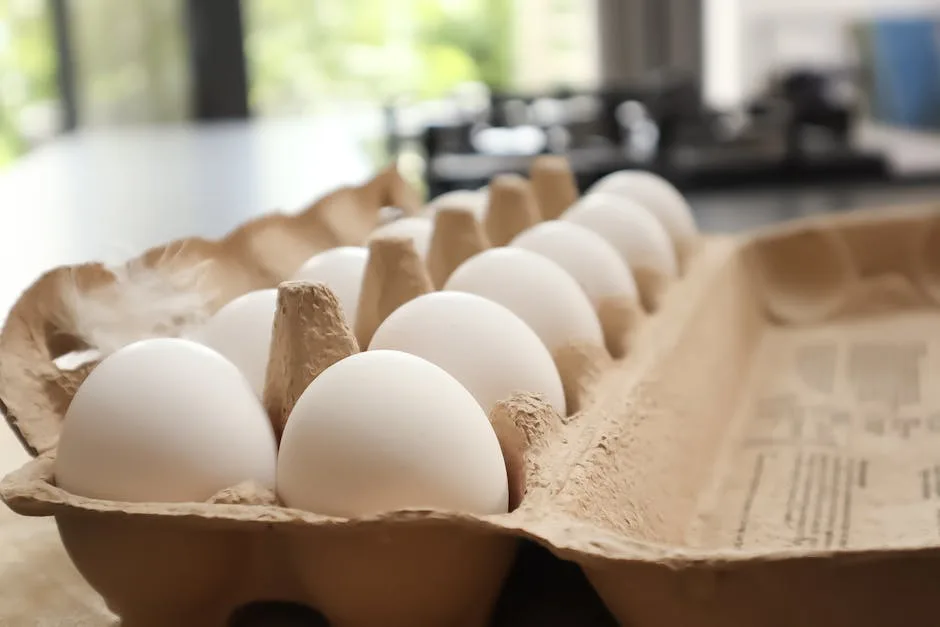
Once your hens outproduce your kitchen, the next question is how to package the surplus. The carton you pick affects how your eggs travel, how your farm stand looks, and whether you stay on the right side of your state's labeling rules. The best choice for most backyard sellers is a blank paper pulp carton, because it protects eggs well, costs the least per unit in bulk, and gives you a clean surface to add your required label. If you sell at a farmers market and want buyers to see the eggs, a clear plastic clamshell wins on shelf appeal.
Our top pick: Blank paper pulp egg cartons, sold in packs of 25 to 250. Cheapest per carton in bulk, plenty of blank space for your farm label, and made from recycled material buyers like. Roughly $0.15 to $0.35 each depending on quantity.
FlockGuide is reader-supported. We may earn a commission from links on this page at no cost to you. See our affiliate disclosure.
What You'll Learn
- •What to Look for in an Egg Carton
- •Best Egg Cartons Compared
- •1. Blank Paper Pulp Cartons, Best Overall
- •2. Clear Plastic Clamshell Cartons, Best for Farmers Markets
- •3. Reusable Heavy-Duty Plastic Cartons, Best for Repeat Customers
- •4. Foam Cartons, Best Budget Pick
- •5. Labels and a Date Stamp, Best for Branding
- •Where to Buy Egg Cartons in Bulk
- •Egg Carton Labeling Rules You Have to Follow
- •Can You Reuse Egg Cartons?
- •Carton Sizes and Types Explained
- •Common Mistakes
- •Frequently Asked Questions
What to Look for in an Egg Carton
A carton is not just a container. When you sell eggs, it is your packaging, your billboard, and your compliance paperwork all at once. Here is what actually matters.
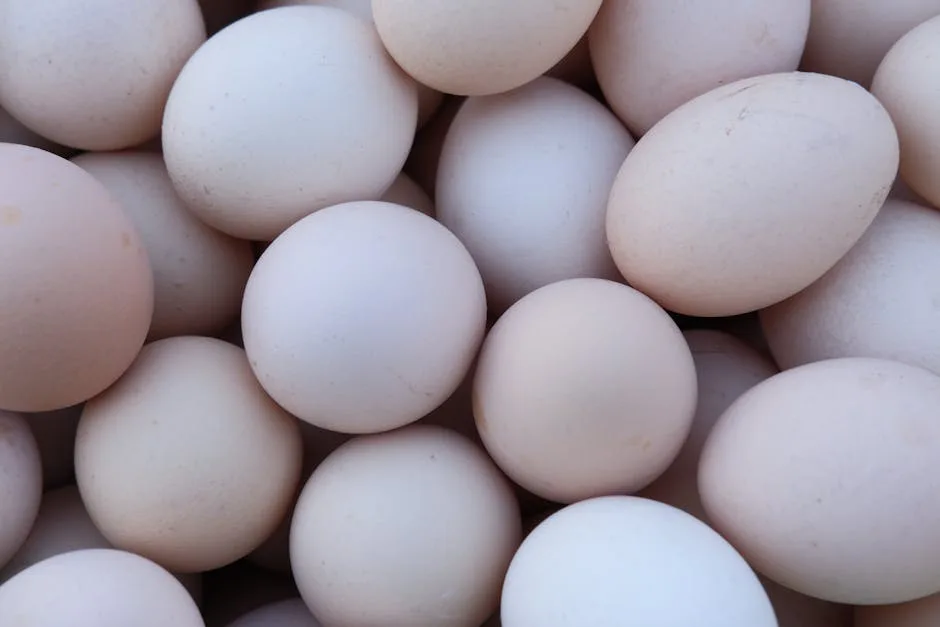
Egg fit. Backyard eggs vary in size far more than the uniform grocery-store dozen. Cartons with deep, roomy cups hold everything from small pullet eggs to jumbo double-yolkers without crushing them. Shallow cups made for graded medium eggs will not close over a big brown Marans egg.
Blank labeling space. Whatever you sell, you almost certainly need to add your farm name and a few required lines of text. A carton with a plain top panel makes that easy. Cartons pre-printed with someone else's brand or the word "USDA" create legal headaches you do not want.
Closure strength. A carton that pops open in a customer's tote bag means broken eggs and an unhappy buyer. Look for a positive latch or tab that stays shut. Pulp cartons use a tuck tab, plastic clamshells use a snap, and both work when they are new.
Cost per carton. This is where bulk buying pays off. A pack of 25 might run $0.40 to $0.60 each, while a case of 250 can drop under $0.20. If you sell a dozen a day, cartons quietly become your second-biggest cost after feed, so the per-unit price matters.
Material and impression. Recycled pulp reads as rustic and eco-friendly, which is exactly the image most egg buyers are paying a premium for. Clear plastic shows off colorful eggs. Foam is cheapest but feels like a grocery afterthought. Match the material to your customer.
Best Egg Cartons Compared
| Carton | Price Each (bulk) | Material | Shows Eggs? | Best For |
|---|---|---|---|---|
| Paper Pulp | ~$0.15-0.35 | Recycled paper | No | Everyday selling, labeling |
| Clear Plastic Clamshell | ~$0.25-0.50 | PET plastic | Yes | Farmers market display |
| Reusable Heavy Plastic | ~$0.50-1.00 | Thick plastic | Partly | Repeat neighbor customers |
| Foam | ~$0.12-0.25 | Polystyrene foam | No | Tight budgets, insulation |
| Labels + Stamp | ~$0.05-0.15 | Add-on | n/a | Branding any carton |
Prices reflect typical 2026 US bulk pricing and move with paper and plastic costs. Buying by the case of 100 to 250 is where the real savings show up.
1. Blank Paper Pulp Cartons, Best Overall
Shop blank paper pulp egg cartons on Amazon
Price: ~$0.15 to $0.35 each in bulk
This is the carton most backyard sellers settle on, and for good reason. Molded recycled pulp cushions eggs better than any other material, it breathes so eggs do not sweat, and the plain top gives you a clean canvas for a stamp or label. Buyers associate the rustic brown pulp with small farms, which is the whole point when you are charging $5 to $8 a dozen.
What's great:
- •Best egg protection of any carton type
- •Cheapest per unit once you buy a case
- •Breathable material keeps unwashed eggs fresh
- •Plain top panel is easy to stamp or label
- •Recycled and compostable, which customers notice
- •Roomy cups fit backyard eggs of mixed sizes
What's not:
- •Absorbs moisture, so it can stain if an egg breaks inside
- •Not see-through, so buyers cannot admire colorful eggs
- •Plain look needs a label to feel finished
Best for: The default choice for almost everyone selling eggs from home, at a farm stand, or to coworkers. Start here unless you have a specific reason not to.
2. Clear Plastic Clamshell Cartons, Best for Farmers Markets
Shop clear plastic egg cartons on Amazon
Price: ~$0.25 to $0.50 each in bulk
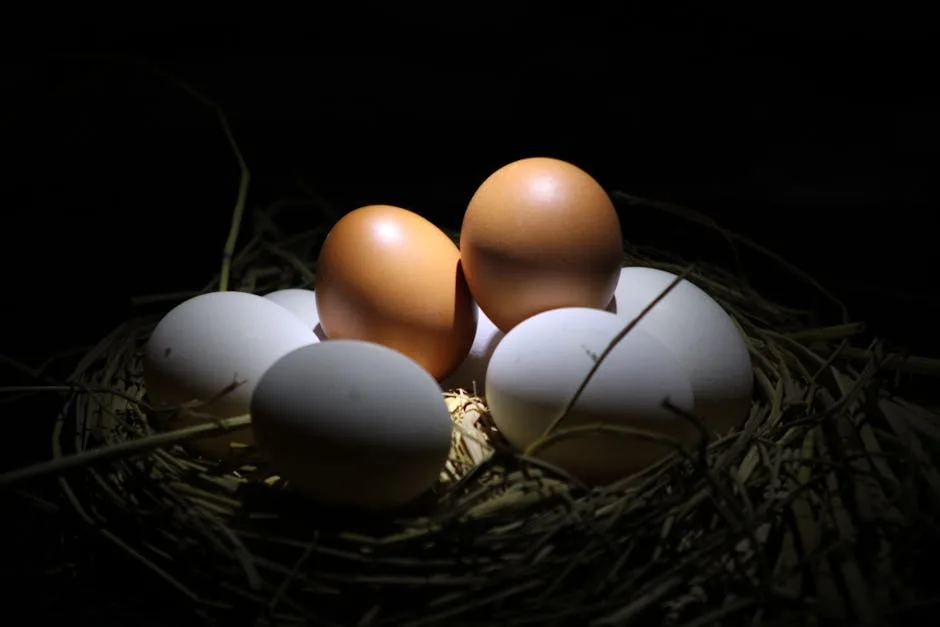
If you keep colorful egg layers like Easter Eggers, Marans, or Olive Eggers, a clear clamshell is your best salesperson. Customers walking a market see a rainbow of blue, green, and dark chocolate eggs through the plastic and reach for yours over the plain competition. The snap closure also holds tight during transport.
What's great:
- •Shows off colorful and varied eggs, which sells them
- •Strong snap latch survives a tote bag
- •Wipes clean and resists moisture staining
- •Stackable and rigid for transport
- •Looks polished with just a small front label
What's not:
- •Costs more per carton than pulp or foam
- •Plastic reads as less eco-friendly to some buyers
- •Smooth surface needs adhesive labels, not a stamp
- •Less breathable than pulp for long storage
Best for: Farmers market sellers and anyone whose flock lays showy eggs worth putting on display.
3. Reusable Heavy-Duty Plastic Cartons, Best for Repeat Customers
Shop reusable plastic egg cartons on Amazon
Price: ~$0.50 to $1.00 each
Thick, rigid plastic cartons are built to be used dozens of times. They shine when you have regular neighbor customers on a carton-swap system: they bring back last week's empty, you fill it, and nobody buys new cartons every time. Over a year, a small stock of reusable cartons can be cheaper than a steady stream of disposables.
What's great:
- •Lasts for dozens of fill-and-return cycles
- •Rinses clean in seconds, dishwasher safe
- •Very strong latch and crush resistance
- •Lowest long-term cost with a carton-return system
- •Holds up to rough handling in car trunks
What's not:
- •Highest upfront cost per carton
- •Only works if customers actually return them
- •Reusing cartons for sale has sanitation rules in some states
- •Bulkier to store than flat-packed disposables
Best for: Sellers with a loyal, local customer base who will return cartons. Pair it with a small deposit or a "bring your carton back" ask.
4. Foam Cartons, Best Budget Pick
Shop foam egg cartons on Amazon
Price: ~$0.12 to $0.25 each
Polystyrene foam cartons are the cheapest new option and they insulate eggs a little against temperature swings on a market table. They are lightweight and hold eggs securely. The tradeoffs are image and environment: foam feels like a grocery castoff and is not widely recyclable or compostable, which matters to the kind of buyer who seeks out farm eggs.
What's great:
- •Lowest price of any new carton
- •Light insulation against heat and cold
- •Lightweight and stackable
- •Secure egg cups
What's not:
- •Least eco-friendly material, hard to recycle
- •Cheap look works against a premium price
- •Smooth foam is awkward to label neatly
- •Can crack rather than flex if crushed
Best for: Sellers on the tightest budget, or bulk sales where price beats presentation.
5. Labels and a Date Stamp, Best for Branding
Shop egg carton labels and date stamps
Price: ~$0.05 to $0.15 per label, or a one-time stamp around $10 to $20
The carton is only half the package. A simple round label with your farm name turns a plain pulp carton into something a customer remembers and comes back for. A self-inking date stamp lets you print the pack date fast, which several states require and which every buyer appreciates. This is the cheapest upgrade with the biggest effect on repeat sales.
What's great:
- •Turns any blank carton into your brand
- •A reusable stamp costs pennies per carton over time
- •Covers required label lines cleanly
- •Helps customers track freshness by pack date
- •Makes a hobby look like a real small farm
What's not:
- •Adhesive labels do not stick well to foam
- •Custom-printed labels have a minimum order
- •One more step in your packing routine
Best for: Anyone selling regularly who wants to charge a premium and build a repeat customer base.
Where to Buy Egg Cartons in Bulk
You have four realistic sources, and the right one depends on how many cartons you go through.
Amazon. Best for convenience and small-to-medium quantities. Packs of 25 to 100 arrive in a couple of days, and you can compare pulp, plastic, and foam in one place. Prices are fair but not the rock-bottom you get from a wholesale supplier at high volume.
Dedicated carton suppliers. Companies that sell egg cartons and poultry packaging (Eggcartonstore, Uline, and similar) offer the lowest per-unit price once you buy by the case of 250 or more. They also stock printed cartons, blank cartons, and custom-printed runs. Best for sellers moving several dozen a week.
Local feed and farm stores. Your Tractor Supply or independent feed store often stocks pulp cartons in packs. You pay a little more per carton, but there is no shipping and you can grab them the same day you run low.
Fellow keepers and buy-back. Many sellers ask customers to return empties, and some post in local chicken groups to collect clean used cartons. This is close to free, with the reuse caveats covered below.
For most people, the smart move is to buy a case of blank pulp cartons from a dedicated supplier for everyday sales, and keep a small stock of clear clamshells for market days when presentation earns a higher price. If you are still working out whether selling is worth it, our guide on how much money you can make selling eggs runs the real numbers, including what cartons cost you per dozen.
Egg Carton Labeling Rules You Have to Follow
The carton is where most of the legal requirements live, so pick one you can label properly. Rules vary by state, but small direct-sale egg producers are commonly asked to put the following on the carton:
- •Your name and address (the producer or farm and its location)
- •The statement "Ungraded" if you are not officially grading your eggs
- •Net quantity, such as "One Dozen"
- •A safe handling or refrigeration statement, often "Keep Refrigerated"
- •A pack date, which is where a date stamp earns its keep
What you generally cannot do is imply a USDA grade you do not have, or use another brand's printed carton without covering their information. Some states also require a specific egg size or grade statement once you sell above a certain volume or through retail. None of this is hard, but it does mean your carton needs blank space and a way to add text.
This is a summary, not legal advice, and the details change from state to state. Before you sell your first dozen, read our full walkthrough on how to sell eggs legally, then confirm the current rules with your state department of agriculture. Getting the carton label right the first time saves you reprinting a whole case later.
Can You Reuse Egg Cartons?
Reusing cartons is tempting because it is nearly free, but there are rules and a health angle to respect.
For eggs you keep or give to family, reuse cartons freely. For eggs you sell, the picture is stricter. Many states allow reused cartons only if they are clean, undamaged, and the previous seller's information is completely removed or covered by your own label. Reusing a carton still printed with a store brand or a USDA grade you do not hold is a common way sellers accidentally break the rules. A number of states restrict or discourage carton reuse for sale entirely, so check yours.
There is also a food-safety reason to be picky. Pulp cartons absorb moisture and any residue from a cracked egg, which can harbor bacteria that a rinse will not remove. If you reuse pulp, use only cartons that are clean and dry with no stains. Plastic and heavy reusable cartons are the safer choice for a return system because they actually wash clean. When in doubt, a fresh carton for a paying customer is cheap insurance for your reputation.
Carton Sizes and Types Explained
By count. The standard is the 12-egg dozen carton, and it is what most buyers expect. Half-dozen (6-count) cartons are handy for small flocks, sampler sales, or premium specialty eggs. Flats and 18- or 30-egg cartons suit high-volume sellers and wholesale, though most direct customers prefer a dozen.
By material. Pulp is the rustic, protective, compostable standard. Clear PET plastic shows off eggs and wipes clean. Heavy reusable plastic is built for return systems. Foam is the budget option. Each has a place depending on your customer and your margins.
By egg size. If your flock lays consistently large or jumbo eggs, buy cartons rated for large or jumbo. Cartons sized for medium eggs will not latch over big eggs, and forcing them cracks shells. Mixed-size backyard flocks do best with roomy jumbo-friendly pulp cartons that close over anything.
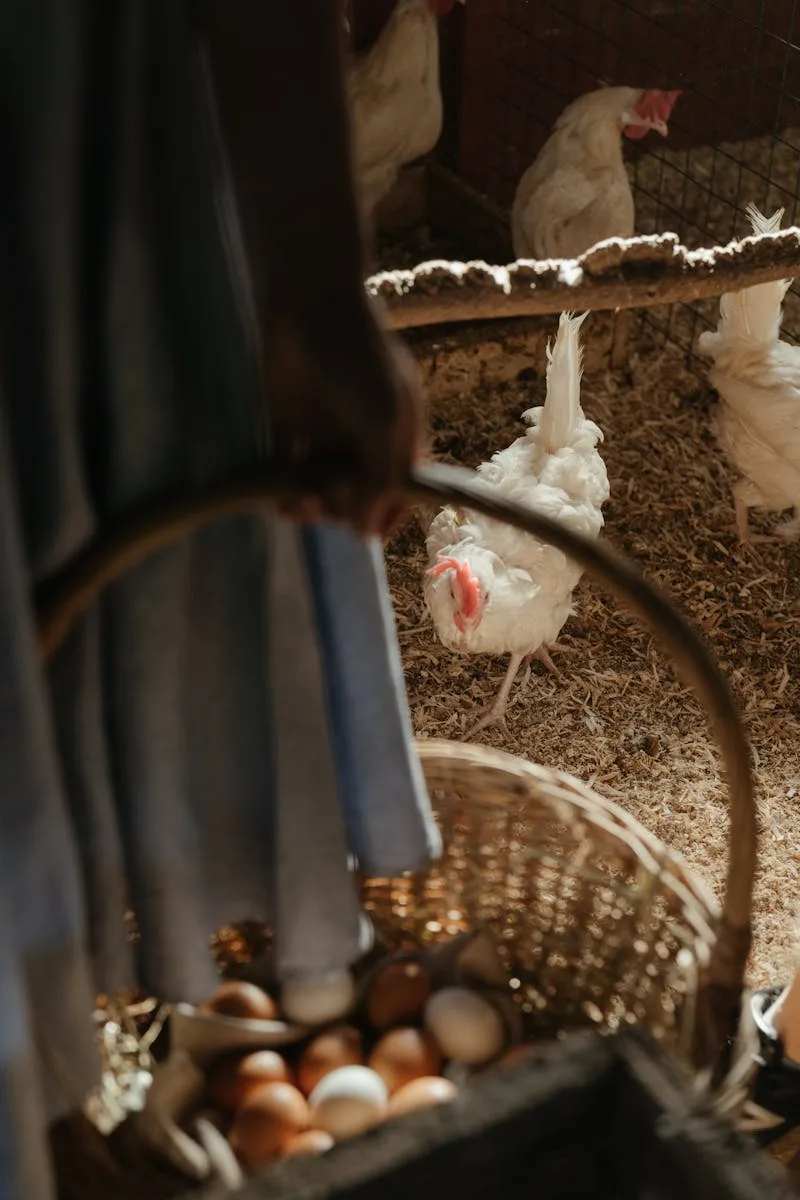
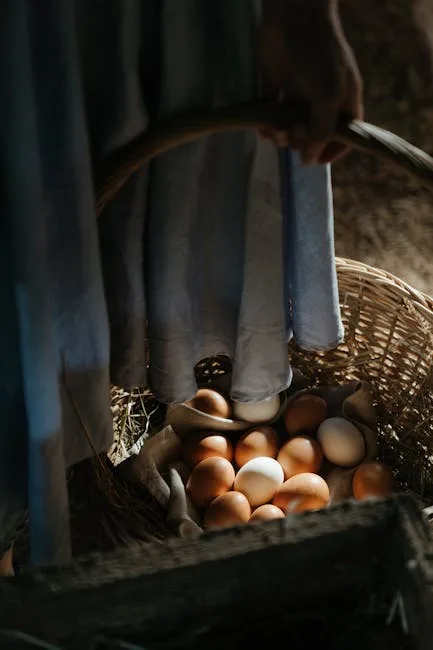
Whatever you choose, keeping eggs clean at collection makes the carton do less work. A good collecting routine and the right egg basket means fewer dirty or cracked eggs reaching the carton in the first place.
Common Mistakes
Buying cartons sized for medium eggs. Backyard hens lay big, irregular eggs. A carton that will not close over a jumbo is useless. Buy roomy or jumbo-rated cups.
Reusing branded or USDA cartons for sale. This is the most common labeling violation. If you reuse, the old information must be gone or fully covered by your label.
Skipping the pack date. Buyers want to know eggs are fresh, and some states require a date. A $15 self-inking stamp solves this for years.
Buying tiny quantities repeatedly. Packs of 12 or 25 cost far more per carton. If you sell steadily, a case of 100 to 250 cuts your cost per dozen noticeably.
Choosing looks over protection. A gorgeous carton that lets eggs crack in transit costs you customers. Protection first, presentation second.
Storing cartons where they get damp. Pulp cartons soak up humidity and can grow musty. Keep your stock somewhere dry and off a concrete floor.
Frequently Asked Questions
What kind of egg carton is best for selling eggs?
For most backyard sellers, blank paper pulp cartons are the best all-around choice. They protect eggs well, cost the least per unit in bulk, breathe so eggs stay fresh, and give you a clean surface to add your required label. Switch to clear plastic clamshells for farmers markets where showing off colorful eggs helps them sell.
Where can I buy egg cartons cheap in bulk?
Dedicated carton suppliers like Eggcartonstore or Uline offer the lowest per-unit price once you buy a case of 250 or more. Amazon is best for smaller quantities and fast shipping, and local feed stores work when you need cartons the same day. Buying by the case rather than in packs of 25 is where the savings really appear.
How much do egg cartons cost per dozen sold?
In bulk, expect roughly $0.15 to $0.35 for a pulp carton, $0.25 to $0.50 for clear plastic, and $0.12 to $0.25 for foam. Add a few cents for a label or a fraction of a cent for a reusable stamp. On a dozen selling for $5 or more, the carton is a small but real cost that adds up over a laying season.
Can I reuse egg cartons to sell eggs?
Sometimes, with conditions. Many states allow reused cartons only if they are clean, dry, undamaged, and the previous seller's branding and any USDA grade information is completely removed or covered by your own label. Some states restrict reuse for sale. Pulp cartons that are stained or hold moisture should not be reused for paying customers because they can harbor bacteria.
What has to go on an egg carton label?
Rules vary by state, but small producers are commonly asked to include the producer name and address, the word "Ungraded" if the eggs are not officially graded, the net quantity such as "One Dozen," a "Keep Refrigerated" or safe handling statement, and a pack date. You cannot imply a USDA grade you do not hold. Always confirm your state's current requirements.
Do egg cartons need to be a specific size for large eggs?
Yes. Cartons are sized for the eggs they hold, and one built for medium eggs will not latch over the large or jumbo eggs many backyard hens lay. If your flock produces big or mixed-size eggs, buy cartons rated for large or jumbo so the lid closes without cracking shells.
Are pulp or plastic egg cartons better?
Pulp cartons protect eggs better, breathe, cost less, and compost, which is why they are the everyday standard. Clear plastic wins when you want customers to see colorful eggs, as at a farmers market, and it wipes clean. Many sellers keep both: pulp for regular sales and plastic for market days.
How many egg cartons should I buy to start?
If you sell casually, a pack of 25 to 50 is a fine start. If you already sell a dozen or more a day, jump to a case of 100 to 250 to cut your cost per carton. Keep them stored somewhere dry, and stock a few clear clamshells on the side for special or market sales.
The right carton protects your eggs, sells them at a glance, and keeps you compliant, all for pennies apiece. Start with blank pulp cartons and a simple date stamp, add clear clamshells if you sell colorful eggs at market, and you are set. For the bigger picture on turning your flock into income, see our guides on how to sell eggs legally and raising chickens for eggs.
Sources:
- •USDA Agricultural Marketing Service. Egg Grading Manual and shell egg labeling. https://www.ams.usda.gov/grades-standards/egg-grading-manual
- •U.S. Food and Drug Administration. What You Need to Know About Egg Safety. https://www.fda.gov/food/buy-store-serve-safe-food/what-you-need-know-about-egg-safety
- •Penn State Extension. Small-Scale Egg Production. https://extension.psu.edu/small-scale-egg-production-organic-and-conventional
- •University of Kentucky Cooperative Extension. Marketing eggs from small flocks. https://poultry.extension.org/
Related Guides
Best Chicken Egg Incubators: 2026 Buyer's Guide
The best chicken egg incubators for 2026 reviewed and ranked. 5 models from $50 to $400 across capacity, features, and hatch-rate reliability.
Gear ReviewsBest Egg Collecting Baskets 2026: 5 Top Picks
Top 5 egg collecting baskets and aprons for chicken keepers in 2026. Covers wire baskets, canvas aprons, wicker, and more for safe egg gathering.
Gear ReviewsBest Predator Deterrent Lights and Alarms (2026)
Predator deterrent lights, motion sprinklers, and driveway alarms that keep raccoons, foxes, and coyotes away from your chicken coop at night.
Gear ReviewsBest Chicken Roosting Bars and Perches (2026)
The best chicken roosting bars and perches for backyard coops. Freestanding roost ladders, platforms, and swings compared, with sizing and setup tips.