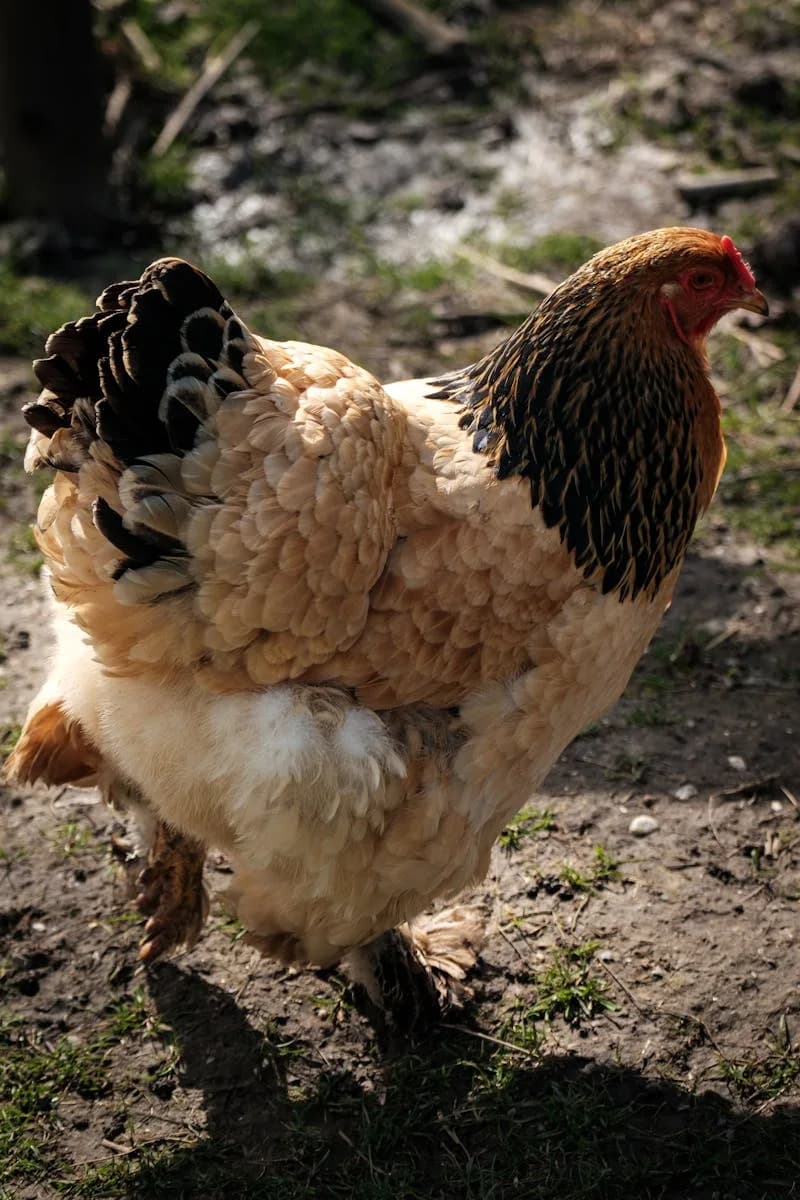
Barnevelder Chicken Breed Guide: Eggs, Care, Traits
Complete Barnevelder chicken breed guide covering their dark brown eggs, 175-200/year production, stunning double-laced plumage, temperament, and care tips.
Researched from university extension, USDA, and veterinary sources. How we research.
Barnevelder chickens are one of the most striking dual-purpose breeds you can add to a backyard flock. They're known for their gorgeous double-laced feather pattern, rich dark brown eggs, and calm, friendly temperament. Barnevelders lay about 175-200 eggs per year, weigh 6-8 lbs, and they handle cold weather well. If you want a bird that looks incredible and pulls its weight in the egg department, this Dutch breed deserves a spot on your short list.
What You'll Learn
- •Barnevelder Chicken Overview
- •History and Origin
- •What Do Barnevelder Chickens Look Like?
- •Barnevelder Egg Color and Production
- •Barnevelder Chicken Temperament
- •Are Barnevelders Good for Beginners?
- •Housing and Care Requirements
- •Health Issues to Watch For
- •Barnevelders vs Marans: Which Lays Darker Eggs?
- •Where to Buy Barnevelder Chickens
- •Frequently Asked Questions
Barnevelder Chicken Overview
| Trait | Details |
|---|---|
| Size | Roosters: 7-8 lbs, Hens: 5.5-6.5 lbs |
| Eggs | 175-200 per year, dark brown, large (60-65g) |
| Temperament | Docile, calm, friendly |
| Cold Hardy | Very good |
| Heat Tolerant | Moderate |
| Broody | Low to moderate |
| Beginner Friendly | Yes |
| Lifespan | 7-10 years |
Barnevelders are the kind of chicken that makes visitors stop and stare. Their feather pattern is genuinely unique, and their dark eggs make your morning basket look like something from a farm magazine.
History and Origin
The Barnevelder gets its name from the town of Barneveld in the Gelderland province of the Netherlands. Dutch farmers developed the breed in the late 1800s and early 1900s by crossing their local landrace chickens with Asian breeds that were being imported to Europe at the time, including Langshans, Brahmas, and Cochins. Later crosses with Rhode Island Reds and Plymouth Rocks helped refine the breed further.
The original goal was purely practical. Dutch egg markets paid a premium for dark brown eggs, and breeders wanted a chicken that could consistently produce them. The Barnevelder Club was formed in Holland in 1921, and the breed was officially standardized shortly after.
Barnevelders arrived in Britain in the 1920s and were recognized by the American Poultry Association in 1991. While they're not as common as breeds like Rhode Island Reds or Plymouth Rocks, they've built a loyal following among backyard chicken keepers who appreciate their beauty and reliable egg production.
The town of Barneveld, by the way, is still a major center for the Dutch poultry industry. There's even a poultry museum there, which tells you how seriously they take their chickens.
What Do Barnevelder Chickens Look Like?
The Barnevelder's most famous feature is its double-laced plumage. Each feather has a reddish-brown base with a black border that creates an detailed, almost iridescent pattern. In sunlight, the feathers shimmer with green and purple highlights that you won't see in many other breeds.
Here's what to look for:
- •Hens: Deep reddish-brown feathers with distinct black double lacing across the breast, back, and wings. The neck feathers are solid black.
- •Roosters: Mostly black with reddish-brown markings on the hackle and saddle feathers. They're less flashy than the hens in terms of the lacing pattern.
- •Comb: Single comb, medium size, bright red
- •Legs: Yellow, clean (no feathering)
- •Skin: Yellow
- •Eyes: Orange-red
The APA recognizes the double-laced variety as the standard. You'll also find blue double-laced, silver double-laced, and solid black Barnevelders from specialty breeders, though these aren't as widely available.
There's also a bantam version of the Barnevelder that weighs about 2 lbs. They've got the same beautiful lacing pattern in a smaller package.
Barnevelder Egg Color and Production
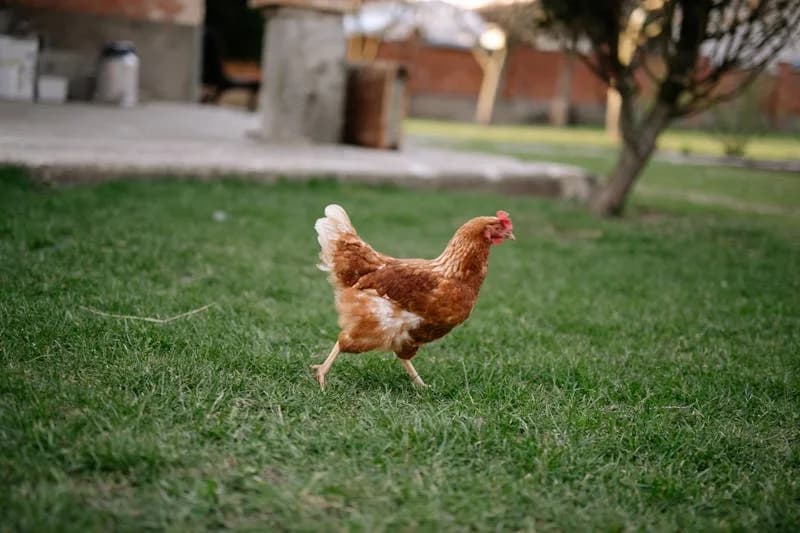
Barnevelder eggs are one of the breed's biggest selling points. They lay large, dark chestnut brown eggs that sometimes have a slightly speckled appearance. The color is noticeably darker than what you'll get from most brown-egg layers like Rhode Island Reds or Buff Orpingtons.
Here's the egg production breakdown:
- •Eggs per year: 175-200
- •Egg size: Large (60-65 grams)
- •Egg color: Dark chocolate brown
- •Start of lay: 24-28 weeks (they're on the later side)
- •Winter laying: Good; they'll keep producing through the colder months
One thing to know: the egg color can fade slightly as the laying season goes on. The darkest eggs usually come early in the season, with later eggs being a shade lighter. This is completely normal and happens with most dark-egg breeds.
Barnevelders are also one of the more reliable winter layers. While many breeds slow down or stop when the days get short, Barnevelders tend to keep going, which is a nice bonus if you live somewhere with cold, dark winters.
Barnevelder Chicken Temperament
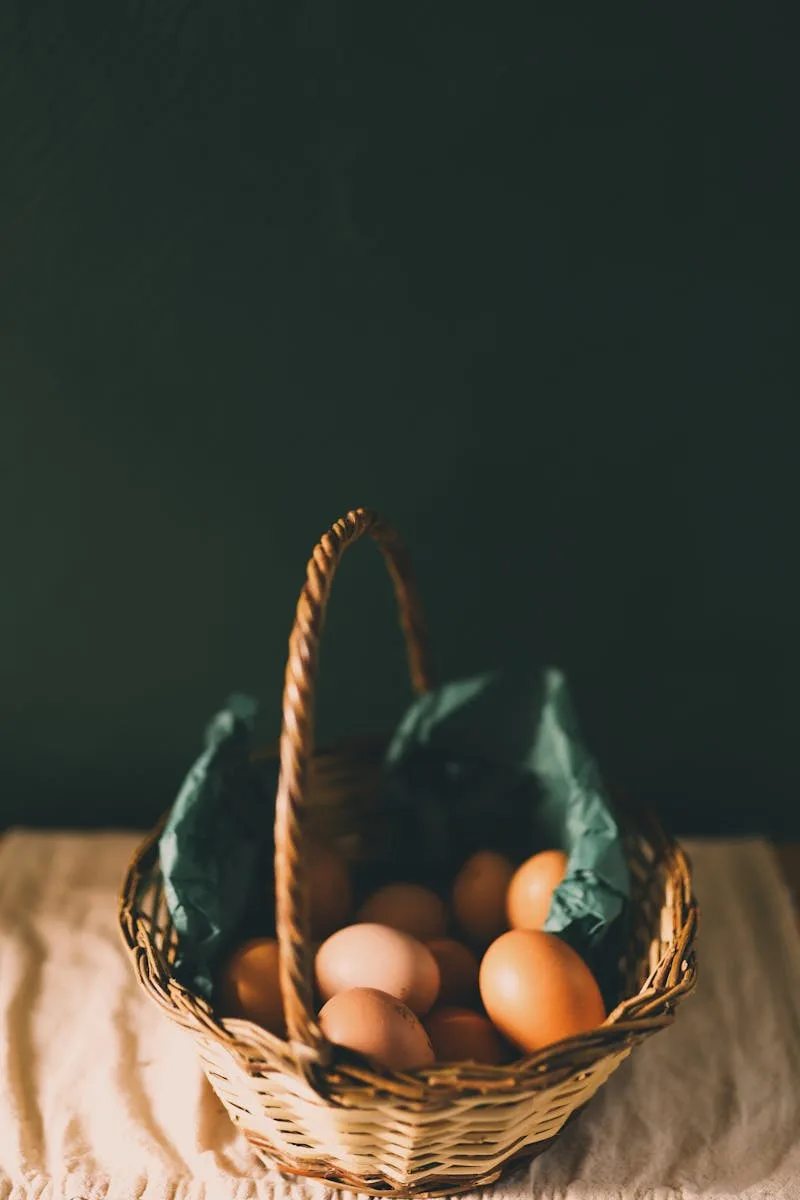
Barnevelders are one of the calmest, most easygoing breeds you'll find. They're docile without being skittish, and they generally get along well with other chickens in a mixed flock. Here's what you can expect:
- •Personality: Quiet, gentle, curious. They'll follow you around the yard but won't demand constant attention.
- •Noise level: Moderate. They're not as loud as Leghorns, but they'll sing their egg song and chat with the flock throughout the day.
- •Friendliness: Most Barnevelders are friendly toward people, though they can be a bit shy at first. With regular handling from a young age, they'll warm up nicely.
- •Flock dynamics: They tend to land in the middle of the pecking order. They're not aggressive, which means they can get pushed around by more assertive breeds. Keep this in mind when choosing flockmates.
- •Kids: Their calm nature makes them a solid pick for families with children.
Reddit users who keep Barnevelders frequently describe them as "beautiful but shy." They're not lap chickens by default, but they're also not flighty or hard to manage. One owner noted their Barnevelder was "the softest chicken I've ever held, her feathers feel like rabbit fur."
Are Barnevelders Good for Beginners?
Yes, Barnevelders are a great choice for people just starting out with chickens. Here's why:
Pros for beginners:
- •Low-maintenance temperament; they don't require a lot of special handling
- •Hardy breed that tolerates cold weather well
- •Good egg production without being as high-strung as production breeds
- •They do well in confinement, so you don't need a huge property
- •Beautiful birds that make chicken-keeping more rewarding
Things to consider:
- •They can be hard to find. You won't see them at most local feed stores. You'll likely need to order from a specialty hatchery.
- •They start laying later than some breeds (24-28 weeks vs 18-20 for Leghorns)
- •Their calm nature can make them targets for bullying in a mixed flock with aggressive breeds
If you're a first-time chicken keeper who wants a breed that's forgiving, pretty, and productive, the Barnevelder checks all those boxes. Check out our beginner's guide and how many chickens to start with if you're still planning your flock.
Housing and Care Requirements
Barnevelders aren't high-maintenance, but they do have a few specific needs to keep in mind.
Coop Space
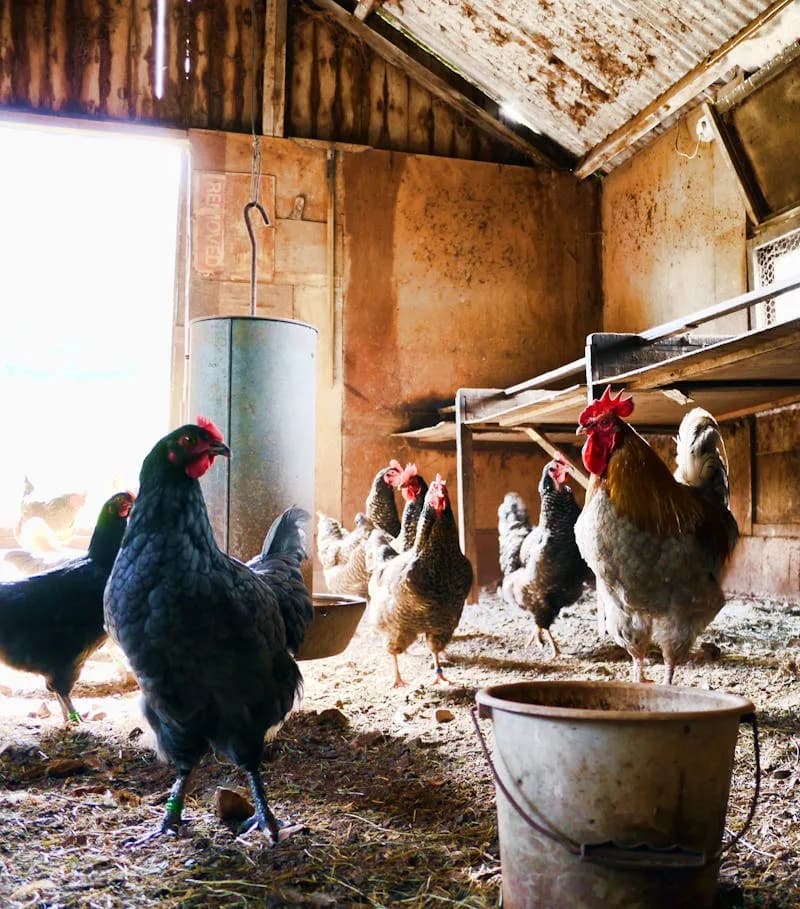
Plan for 4 square feet per bird inside the coop and 8-10 square feet per bird in the run. Barnevelders are medium-large birds, so don't skimp on space. They tolerate confinement well, but they'll be happier and healthier with room to move. If you're shopping for a coop, check out our best chicken coops guide.
Roosting
Barnevelders are relatively heavy, so provide sturdy roosts that are 2-3 feet off the ground. Wide, flat roosts (2x4 boards with the wide side up) work better than round dowels for heavier breeds because they can cover their feet with their body to keep warm in winter.
Foraging
These chickens are decent foragers. If you give them free-range time, they'll happily scratch around for bugs and greens. They're not great at evading predators though, so supervised free-ranging or a secure run with proper fencing is the way to go.
Feed
Barnevelders do well on standard layer feed (16% protein) once they start laying. During molting season, bump up the protein to 18-20% to help feathers grow back faster. They're not particularly prone to obesity, but keep treats to 10% of their overall diet. Our complete feeding guide covers everything you need to know.
Cold Weather
Barnevelders handle cold weather very well. Their dense feathering provides good insulation, and their single comb is small enough that frostbite usually isn't a major concern. They'll keep laying through winter better than most breeds. In very cold climates (below 0°F for extended periods), make sure the coop is draft-free but ventilated, and apply petroleum jelly to combs on the coldest nights.
Heat
Moderate heat is fine, but Barnevelders can struggle in extreme heat (above 95°F consistently). Provide shade, plenty of fresh water, and good ventilation during hot months. Frozen treats and misters can help them cope.
Health Issues to Watch For
Barnevelders are generally healthy, hardy chickens with a long lifespan of 7-10 years. They don't have any major breed-specific health problems, which is another reason they're great for beginners.
That said, here are the common issues to watch for (these apply to most chicken breeds):
- •Parasites: Mites, lice, and worms. Check your flock regularly and treat as needed. Their dense feathering can make it harder to spot external parasites, so do thorough inspections monthly.
- •Marek's disease: Vaccinate chicks at hatch. Most reputable hatcheries offer this.
- •Bumblefoot: Can affect heavier breeds. Keep roosts at a reasonable height and the coop floor clean.
- •Respiratory infections: Maintain good coop ventilation to prevent ammonia buildup from droppings.
If you want to learn more about recognizing health problems early, our guide to sick chicken symptoms covers the 12 most important warning signs.
Barnevelders vs Marans: Which Lays Darker Eggs?
This is the question every dark-egg enthusiast asks. Both Barnevelders and Marans are famous for their dark brown eggs, but they're not quite the same.
| Feature | Barnevelder | Marans |
|---|---|---|
| Egg color | Dark chocolate brown | Very dark chocolate brown (usually darker) |
| Eggs per year | 175-200 | 150-200 |
| Egg size | Large | Large to extra-large |
| Temperament | Docile, calm | Active, can be flighty |
| Cold hardiness | Very good | Good |
| Availability | Less common | Moderate |
Marans generally lay slightly darker eggs, especially the Black Copper Marans variety. But Barnevelders are usually calmer, more consistent layers, and better suited to confinement. If the absolute darkest egg is your priority, go with Marans. If you want a calmer bird with still-impressive egg color, the Barnevelder has the edge.
Many flock keepers add both to their flock. Between the two breeds, you'll have an egg basket that looks striking.
Where to Buy Barnevelder Chickens
Barnevelders aren't as widely available as popular breeds like Rhode Island Reds or Orpingtons. Here's where to find them:
- •Specialty hatcheries: Cackle Hatchery, Meyer Hatchery, and My Pet Chicken all carry Barnevelders. Expect to pay $5-8 per chick.
- •Breeders: For show-quality birds with the best lacing patterns, look for breeders through the American Barnevelder Club or poultry show connections. Expect to pay $15-30+ per chick.
- •Hatching eggs: If you've got an incubator, you can find Barnevelder hatching eggs online for $3-6 per egg. This is a good option for rare color varieties like silver or blue double-laced.
Order early in the season. Barnevelders often sell out at hatcheries because they're not produced in huge numbers. Spring is peak ordering time, so place your order by January or February if you want chicks for spring delivery.
Frequently Asked Questions
Are Barnevelder chickens friendly?
Yes, Barnevelders are known for their calm, docile temperament. They're not typically lap chickens, but they're gentle and easy to handle. With regular interaction from a young age, they'll become comfortable around people and are a great choice for families with kids.
What color eggs do Barnevelder chickens lay?
Barnevelders lay large, dark chocolate brown eggs. The color is noticeably darker than standard brown eggs, though not quite as dark as Black Copper Marans. Egg color can lighten slightly as the laying season progresses, with the darkest eggs appearing early in the cycle.
How many eggs do Barnevelders lay per year?
Barnevelder hens average 175-200 eggs per year, which works out to about 3-4 eggs per week. They're good winter layers and tend to keep producing when other breeds slow down during the shorter days.
Are Barnevelder chickens cold hardy?
Very much so. Barnevelders originated in the Netherlands, which has cold, damp winters. Their dense feathering provides excellent insulation, and their moderately-sized single comb resists frostbite better than large-combed breeds. They're a solid choice for northern climates.
How much do Barnevelder chickens cost?
Barnevelder chicks from hatcheries typically run $5-8 each. Show-quality birds from breeders cost $15-30 or more. Hatching eggs are available for $3-6 per egg. They're pricier than common breeds because they're produced in smaller numbers.
If you're building a flock with beautiful egg colors, pair your Barnevelders with some Easter Eggers for blue and green eggs, or add Welsummers for speckled terra cotta eggs. Your egg basket will look incredible.
Sources:
- •Livestock Conservancy. Barnevelder breed page. https://livestockconservancy.org/heritage-breeds/heritage-breeds-list/barnevelder-chicken/
- •The American Poultry Association. Standard of Perfection (reference). http://www.amerpoultryassn.com/
- •University of Kentucky Cooperative Extension. Small Flock Poultry resources. https://poultry.extension.org/
- •The Livestock Conservancy. Heritage breed conservation. https://livestockconservancy.org/
Related Guides
Ameraucana Chicken Breed Guide: Eggs, Care, Traits
Complete Ameraucana chicken breed guide. Covers blue eggs (150-200/yr), 8 color varieties, temperament, and how they differ from Easter Eggers.
BreedsSilkie Chicken Breed Guide: Traits, Eggs, Care
Silkie chickens explained: fur-like feathers, black skin, five toes, 100 to 120 eggs a year, the APA colors, roosters, prices, and dry, safe housing.
BreedsAraucana Chicken Breed Guide: Blue Eggs, Tufts, Care
Araucana chicken breed guide: rumpless bodies, ear tufts, true blue eggs, the lethal tuft gene, care, and how they differ from Ameraucanas.
BreedsChocolate Orpington Breed Guide: Genetics, Eggs, Care
Chocolate Orpingtons explained: the sex-linked chocolate gene, why hens show it and roosters carry it, 120 to 150 tinted eggs a year, care, and where to buy.