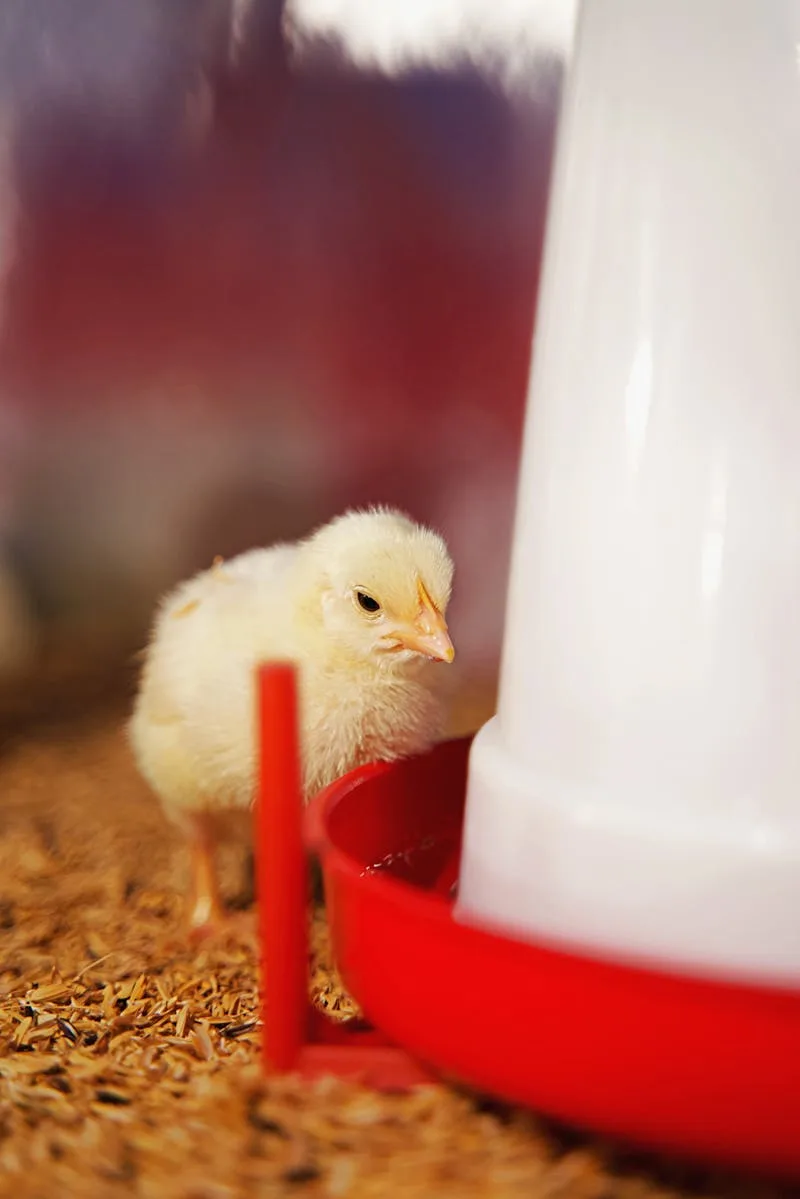
Chicken Starter Feed: A Complete Guide for Chicks
Chicken starter feed explained: protein levels, medicated vs unmedicated, crumble vs mash, how much to feed, and when to switch chicks to grower feed.
Researched from university extension, USDA, and veterinary sources. How we research.
Chicken Starter Feed: A Complete Guide for Chicks
Bring home a box of day-old chicks and the very first thing they need, before the cute names and the Instagram photos, is the right feed. That feed is called starter, and it does most of the heavy lifting in the first six weeks of a chick's life.
The trouble is that a farm store shelf throws a dozen bags at you: starter, starter-grower, medicated, unmedicated, crumble, mash, 18 percent, 20 percent, meat bird, organic. It is a lot to sort through when you are standing there with a peeping cardboard box in the car.
I have raised chicks on medicated and unmedicated starter, on crumble and on soaked mash, and I have made most of the beginner mistakes at least once. This guide covers what starter feed actually is, how much protein it needs, when medicated is the right call, how much a chick eats, and exactly when to move them off it. No fluff.
Quick Answer: Chicken starter feed is a high-protein (18 to 20 percent) crumble made for chicks from hatch to about six weeks old. Keep it available all day, every day. Choose medicated starter if your chicks were not vaccinated for coccidiosis, or unmedicated if they were. Switch to a grower feed around six weeks, and hold off on layer feed until the first egg at about 18 to 20 weeks.
| Question | Short Answer |
|---|---|
| What protein? | 18 to 20 percent for layer chicks, 22 to 24 percent for meat birds |
| What form? | Crumble (small enough for chick beaks) |
| Medicated or not? | Medicated if unvaccinated for coccidiosis, unmedicated if vaccinated |
| How often? | Free choice, available at all times |
| How long? | Hatch to about 6 weeks, then grower feed |
| When is layer feed OK? | First egg, around 18 to 20 weeks, never sooner |
What You'll Learn
- •What chicken starter feed is
- •How much protein starter feed has
- •Medicated vs unmedicated starter feed
- •Crumble, mash, or pellets for chicks
- •How much starter feed chicks need
- •How long to feed starter and what comes next
- •Layer chicks vs meat bird chicks
- •Setting up starter feed in the brooder
- •Organic, non-GMO, and soy-free options
- •What starter feed costs
- •Common starter feed mistakes
- •Choosing a good starter feed
What Is Chicken Starter Feed?
Starter feed is a complete diet formulated for baby chicks. "Complete" is the key word: it has the exact balance of protein, energy, vitamins, and minerals a growing chick needs, so you do not have to mix or supplement anything. You open the bag, fill the feeder, and that is the meal.
Chicks grow faster in their first weeks than at any other point in their lives. A day-old chick that weighs about 40 grams can be pushing 500 to 600 grams by six weeks. Building that much muscle, feather, and bone in a month takes a nutrient-dense feed, which is why starter is richer than the grower and layer feeds that come later.
According to Oregon State University Extension, commercial poultry feeds are considered a complete diet and provide all of the nutrients chickens require. For chicks, that means you do not need to add anything to good starter feed except clean water and, once they start eating treats, a little grit.
You will see the product labeled a few different ways:
- •Chick Starter: protein around 18 to 20 percent, made for the first six weeks
- •Starter-Grower (or "Chick Starter/Grower"): a single feed you can run from hatch all the way to laying age, usually around 18 percent protein
- •Meat Bird Starter (or "Broiler Starter"): higher protein, 22 to 24 percent, for fast-growing meat breeds
For most backyard keepers raising laying hens, a standard chick starter or an all-in-one starter-grower is what you want.
How Much Protein Starter Feed Has
Protein is the number that matters most on a starter bag. Chicks use it to build muscle and grow feathers, and feathers themselves are roughly 85 percent protein. Standard chick starter for future layers runs 18 to 20 percent crude protein. That range is the sweet spot: enough to fuel fast early growth without pushing birds so hard that their frames outrun their organs.
Meat birds are a different story. Cornish Cross and other broilers are bred to gain weight quickly, so their starter is higher, usually 22 to 24 percent. Feeding that high-protein meat bird starter to laying-breed chicks is not dangerous, but it is not ideal either. It can push growth faster than you want and it costs more. Match the feed to the bird.
Here is how protein needs step down as a laying hen grows up:
| Life Stage | Feed | Crude Protein | Extra Calcium? |
|---|---|---|---|
| Hatch to 6 weeks | Chick Starter | 18 to 20% | No |
| 6 to 18 weeks | Grower / Developer | 15 to 16% | No |
| 18+ weeks (laying) | Layer Feed | 16 to 18% | Yes (3 to 4%) |
Notice that calcium stays low the entire time a bird is growing. This matters, and it is the reason you cannot just feed layer feed to chicks to save a trip to the store. More on that below.
Medicated vs Unmedicated Starter Feed
This is the choice that confuses new keepers the most, so let me settle it plainly.
Medicated chick starter contains a small amount of amprolium. Amprolium is not an antibiotic and it is not a hormone. It is a coccidiostat, which means it slows down the reproduction of coccidia, the intestinal parasites that cause coccidiosis. Coccidiosis is the single most common killer of brooder chicks, and it moves fast, so this is worth understanding.
Amprolium works by mimicking thiamine (vitamin B1), which the coccidia need to multiply. It does not wipe them out. Instead it keeps their numbers low enough that a chick's own immune system can build lasting resistance through gradual exposure. Think of it as a training-wheels effect for the gut.
Here is the rule that ties it all together:
- •Use medicated starter if your chicks were not vaccinated for coccidiosis. This is most hatchery and farm store chicks unless you specifically paid for the vaccine.
- •Use unmedicated starter if your chicks were vaccinated for coccidiosis at the hatchery. The vaccine works by exposing chicks to a controlled dose of the parasite so they build immunity, and amprolium in the feed would blunt that vaccine and waste the money you spent on it.
If you are not sure whether your chicks were vaccinated, check the hatchery paperwork or ask the farm store. When in doubt with unvaccinated birds, medicated starter is the safer default. The Merck Veterinary Manual notes that coccidiosis control in young poultry relies on either preventive medication or vaccination, and mixing the two undercuts both.
A few things medicated starter does not do, because the marketing can be misleading:
- •It does not protect against Marek's disease, respiratory illness, or anything except coccidiosis.
- •It is not a dewormer and does not treat existing heavy infections. If chicks are already sick with bloody droppings, they need a treatment dose of amprolium in the water (Corid) from a vet or farm store, not just medicated feed.
- •It leaves no meaningful residue concern for backyard flocks. Chicks are nowhere near laying, and birds are off medicated feed long before any eggs arrive.
Crumble, Mash, or Pellets: Which Form for Chicks?
Starter feed comes in three physical forms, and only two of them make sense for chicks.
Crumble is the standard. It is feed that has been pressed and then broken into small, irregular bits, sized so a chick beak can pick them up easily. If you buy one bag of starter, buy crumble. It stays put in the feeder, wastes less than powder, and chicks take to it instantly.
Mash is a fine, ground, almost powdery feed. Chicks can eat it just fine, and some keepers like mixing it with a little warm water into a porridge for the first day or two, which can help weak or shipped chicks get going. The downside is waste: dry mash blows around and gets scratched out of the feeder, and wet mash spoils within hours and has to be tossed. Use it if you like it, but know what you are signing up for.
Pellets are too big. A pellet is sized for a grown hen, not a two-week-old chick, and you will not find starter sold as pellets for exactly that reason. If you ever see chick feed in pellet form, skip it.
How Much Starter Feed Chicks Need
Chicks eat small amounts constantly rather than a couple of big meals, so the answer to "how much" is really "always have it out." Starter should be available free choice, all day, every day. Chicks self-regulate well on starter and will not overeat it the way a hen might gorge on scratch grains.
For planning and shopping, here are realistic numbers:
| Age | Feed Per Chick Per Week | Notes |
|---|---|---|
| Week 1 | About 1 ounce per day, roughly half a pound a week | Tiny appetites, frequent nibbling |
| Weeks 2 to 3 | About 3 to 4 ounces per day | Growing fast |
| Weeks 4 to 6 | About 1 to 1.5 pounds per week | Appetite climbing quickly |
Over the whole starter period, budget roughly 8 to 10 pounds of feed per chick from hatch to six weeks. So a batch of six chicks will eat somewhere around a 50-pound bag by the time they graduate to grower feed, give or take. Buy accordingly. Starter is often sold in smaller 25-pound bags precisely because a small flock does not go through it as fast as adult hens do.
Do not ration a chick's feed to make it last. Underfeeding growing chicks stunts them and can trigger picking and cannibalism in the brooder. Keep the feeder full.
How Long to Feed Starter (and What Comes Next)
Feed starter from hatch to about six weeks old, then transition to a grower (also called developer) feed at roughly 15 to 16 percent protein. Grower feed dials the protein back on purpose. You want steady, healthy growth from here, not a growth spurt that a pullet's skeleton cannot keep up with.
There is one simplification worth knowing about. Many brands now sell an all-in-one starter-grower feed at around 18 percent protein that you feed straight through from hatch until the first egg at about 18 to 20 weeks. If you use one of these, you skip the six-week switch entirely and just keep feeding the same bag until laying age. It is the easiest option for a small backyard flock, and it is what I usually reach for.
The one hard line, no matter which system you use, is calcium. Do not put growing birds on layer feed early. Layer feed carries 3 to 4 percent calcium for eggshells, and that much calcium is too much for a bird that is not laying yet. Fed to chicks and young pullets, the excess can damage developing kidneys and bones. Wait for the first egg, or roughly 18 to 20 weeks, before you open a bag of layer feed. Our guide on when chickens start laying eggs covers how to read the signs that a pullet is close.
Here is the clean version of the timeline either way:
- •Two-stage: Starter (0 to 6 weeks) then Grower (6 to 18 weeks) then Layer (first egg on)
- •All-in-one: Starter-Grower (0 to 18 weeks) then Layer (first egg on)
For the full picture of feeding at every age, including treats and supplements, see our complete chicken feeding guide.
Layer Chicks vs Meat Bird Chicks
Not every chick is headed for the nest box, and the feed changes if you are raising birds for the freezer.
Laying-breed chicks (the vast majority of backyard flocks) do best on standard 18 to 20 percent starter, then grower, then layer. Steady is the goal.
Meat birds like the Cornish Cross grow so fast that they need higher protein from the start, usually a 22 to 24 percent meat bird or broiler starter, and a slightly different feeding rhythm. Some meat bird programs pull feed for a period each night to slow growth just enough to protect the birds' legs and hearts, which can give out if the birds gain too fast. If you are raising meat birds, follow a broiler feeding schedule rather than a layer one. Our guide to raising chickens for meat walks through the differences.
One more note for mixed brooders: if you are raising ducklings alongside chicks, know that ducklings eat more by volume and can take in a higher dose of amprolium from medicated feed. Many keepers use unmedicated starter for mixed chick-and-duckling brooders and manage coccidiosis through clean, dry bedding instead. Ducklings also need more niacin than chick starter provides, so they usually get a niacin supplement in the water.
Setting Up Starter Feed in the Brooder
Good feed only helps if the chicks can get to it cleanly. A few brooder basics make a real difference in that first week.
Use a chick feeder, not a bowl. A shallow trough or a screw-on base that fits a mason jar keeps chicks from standing in the feed, pooping in it, and scratching it onto the floor. Open bowls waste feed and turn filthy in an afternoon. Our roundup of the best chicken feeders and waterers covers chick-appropriate options.
Place feed and water at the cool end. Keep both away from directly under the heat source. Chicks need a warm zone for resting and a cooler zone for eating and drinking, and feed under a heat lamp dries out and can spoil. If you are still setting up the box, our chicken brooder setup guide and the best brooder heat plates for chicks cover heat and layout.
Show them the food and water on arrival. Dip each chick's beak in the water when you first set them in the brooder, then sprinkle a little starter on a paper towel or shallow lid for the first day. The pecking sound and the visible crumbs teach chicks to eat. Remove the paper towel after a day so they learn to use the feeder.
Hold the grit until they eat something besides starter. Chicks on starter alone do not need grit, because the feed is soft enough to digest. The moment you offer a treat, a bit of chopped greens, or they start scratching in bedding and dirt, add a small dish of chick-sized grit so they can grind that food in their gizzard. Do not use oyster shell as grit for chicks; that is calcium, and chicks do not need it.
Organic, Non-GMO, and Soy-Free Starter
Standard starter feed grows healthy chicks, full stop. But you have options if ingredients matter to you.
Organic starter is made from certified organic grains grown without synthetic pesticides or GMOs. It costs meaningfully more, often 50 to 75 percent above conventional, and there is no nutritional magic that makes chicks grow better on it. Buy it because you want organic eggs down the line or you prefer organic farming, not because you expect healthier birds.
Non-GMO starter skips genetically modified grains without carrying the full organic certification, so it usually lands in price between conventional and organic.
Soy-free starter exists for keepers who want to avoid soy in their eggs or who are sensitive to it themselves and handle the feed a lot. Soy is a common, cheap protein source in poultry feed, so soy-free versions lean on peas, fish meal, or other proteins and tend to cost more.
One caution: most organic and non-GMO starters are unmedicated, because amprolium is a synthetic. If you go organic and your chicks are not vaccinated for coccidiosis, you take on the job of preventing it with scrupulously clean, dry bedding and good brooder hygiene. That is doable, but go in with eyes open.
What Chicken Starter Feed Costs
Starter feed is one of the cheaper parts of raising chicks, especially compared to the brooder gear. Rough prices at most farm stores:
| Type | Typical Bag | Rough Price |
|---|---|---|
| Conventional starter | 25 lb | About $16 to $22 |
| Conventional starter | 50 lb | About $22 to $32 |
| Organic / non-GMO starter | 25 to 40 lb | About $30 to $45 |
Because a chick eats only 8 to 10 pounds total across the whole starter stage, the feed bill for a small batch is modest. Six chicks might run through about $15 to $30 of starter before they move to grower feed. The bigger costs of the chick stage are the heat source, feeder, waterer, and brooder itself. Our breakdown of what it costs to raise chickens puts feed in context with everything else.
Store feed in a sealed, rodent-proof container, like a galvanized trash can with a tight lid, somewhere cool and dry. Feed loses vitamin potency over time and molds if it gets damp, so buy an amount you will use within a month or two rather than stockpiling a pallet of it.
Common Starter Feed Mistakes
I have made a few of these myself. Learn from them instead.
Feeding layer feed to chicks. The most damaging mistake. The calcium in layer feed is too high for growing birds and can hurt their kidneys. Starter first, layer only after the first egg.
Rationing feed to save money. Growing chicks need constant access. An empty feeder stunts growth and starts feather picking and cannibalism. Keep it full.
Skipping grit once treats begin. The day you give chicks anything besides starter, they need chick grit to digest it. Without grit, undigested food can pack up in the crop.
Letting the water get filthy. Chicks foul their water constantly. Dirty water carries the same coccidia you are trying to prevent, so rinse and refill at least twice a day. Clean water is as important as good feed.
Using medicated feed when chicks are vaccinated. This wastes the coccidiosis vaccine you paid for. Match the feed to the vaccination status.
Switching feeds abruptly at the wrong time. Moving off starter too early, before six weeks, shortchanges chicks on protein. There is no rush. If anything, an all-in-one starter-grower lets you avoid the switch decision entirely.
Choosing a Good Starter Feed
You do not need a boutique brand. A fresh bag of starter from a reputable feed company will grow great chicks. When you are standing at the shelf, check three things: the protein number (18 to 20 percent for layers), the form (crumble), and the medicated or unmedicated label matched to your chicks' vaccination status. Also glance at the mill date if it is printed; fresher is better.
A few widely available options that fit the bill:
- •Purina Start & Grow is an 18 percent starter-grower sold in both medicated and unmedicated versions, so you can match it to your chicks. It is stocked almost everywhere, which makes reordering easy.
- •Manna Pro Chick Starter is another reliable 18 percent starter-grower crumble, available medicated or not, and a common pick for small backyard batches.
- •Kalmbach or other organic starter covers you if you want certified organic or non-GMO. Expect unmedicated, and plan your coccidiosis prevention around clean bedding.
Buying local at a farm store is usually cheaper per pound than shipping heavy feed, and it lets you check the bag date in person. Online ordering makes sense for organic or soy-free feed your local store does not carry.
Affiliate Disclosure: This article contains affiliate links to Amazon. If you buy something through these links, we earn a small commission at no extra cost to you. We only recommend products we genuinely think are worth your money. Full disclosure.
Frequently Asked Questions
How long do chickens eat starter feed?
Feed starter from hatch to about six weeks old, then move to a grower feed. If you use an all-in-one starter-grower feed, you can keep feeding it until the first egg at around 18 to 20 weeks, then switch to layer feed. Do not put birds on layer feed before they start laying.
Do I need medicated chick starter?
Only if your chicks were not vaccinated for coccidiosis, which covers most hatchery and farm store chicks. Medicated starter contains amprolium and helps prevent coccidiosis, the top killer of brooder chicks. If your chicks were vaccinated for coccidiosis, use unmedicated starter instead, because the medication would cancel out the vaccine.
Can chicks eat layer feed?
No. Layer feed has 3 to 4 percent calcium for eggshells, which is far too much for a growing chick and can damage its kidneys and bones. Chicks need starter feed, then grower feed, and only move to layer feed once they begin laying around 18 to 20 weeks.
What protein percentage should chick starter be?
18 to 20 percent crude protein for laying-breed chicks. Meat birds like Cornish Cross need higher protein, usually 22 to 24 percent, from a dedicated meat bird or broiler starter. The protein fuels the fast growth of the first several weeks.
How much starter feed does a chick eat?
Roughly 8 to 10 pounds total from hatch to six weeks. That starts at about half a pound a week early on and climbs to 1 to 1.5 pounds a week by weeks four to six. A batch of six chicks will go through about a 50-pound bag before switching to grower feed.
Crumble or mash for baby chicks?
Crumble is the standard and the easiest to manage. It is sized for chick beaks, stays in the feeder, and wastes less. Mash is fine too, and some keepers mix it with warm water for the first day or two, but dry mash blows around and wet mash spoils fast. Never use pellets for chicks; they are too big.
Can chickens and ducklings eat the same starter feed?
They can share unmedicated chick starter, but ducklings eat more and can get a higher dose of amprolium from medicated feed, so most keepers use unmedicated starter in a mixed brooder. Ducklings also need extra niacin, so add a niacin supplement to their water. Keep bedding clean to prevent coccidiosis without medication.
Do chicks on starter feed need grit?
Not while they are eating only starter, which is soft enough to digest on its own. The moment you offer treats, greens, or the chicks start pecking at bedding and dirt, give them a small dish of chick-sized grit so they can grind that food in their gizzard. Do not confuse grit with oyster shell; chicks do not need the calcium.
Sources
- •Oregon State University Extension. How to Feed Your Laying Hens (PNW 477). https://extension.oregonstate.edu/catalog/pnw-477-how-feed-your-laying-hens
- •Alabama Cooperative Extension System. Backyard Flock Management: Feeding the Laying Hen. https://www.aces.edu/blog/topics/farming/backyard-small-poultry-flock-management-series-feeding-the-laying-hen/
- •Merck Veterinary Manual. Coccidiosis in Poultry. https://www.merckvetmanual.com/poultry/coccidiosis/coccidiosis-in-poultry
- •Penn State Extension. Poultry (Small and Backyard Flocks). https://extension.psu.edu/animals-and-livestock/poultry
Related Articles
Related Guides
How to Stop Rats and Mice Eating Chicken Feed
Rodents stealing your chicken feed? Here is how to stop rats and mice for good: treadle feeders, smart storage, coop fixes, and what actually works.
Feed & NutritionCan Chickens Eat Pumpkin? Seeds, Guts, and the Myth
Chickens can eat pumpkin, seeds and guts included. The truth about the pumpkin-seed dewormer claim, how to feed Halloween leftovers safely, and how much.
Feed & NutritionCan Chickens Eat Apples? Yes, But Core Them First
Chickens can eat apples, skin and all, but the seeds carry amygdalin, which releases cyanide. How much a hen would need to eat, how to feed apples, and cores.
Feed & NutritionCan Chickens Eat Avocado? No, and Here Is the Evidence
Chickens cannot safely eat avocado. Persin in the skin, pit, leaves, and flesh damages the heart in birds. What Merck and the case reports say, and what to do.