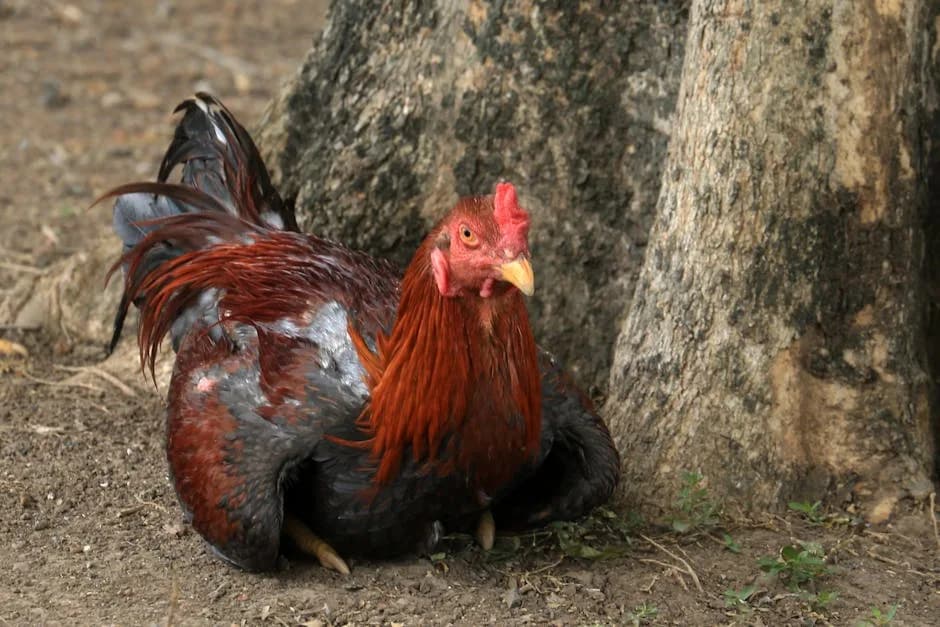
Common Chicken Diseases: Symptoms, Treatment, Prevention
The most common backyard chicken diseases explained: symptoms, treatment, and prevention for Marek's, coccidiosis, respiratory illness, and more.
Researched from university extension, USDA, and veterinary sources. How we research.
Keep chickens long enough and you will meet at least one of these illnesses. Most backyard flocks stay healthy with good management, but disease moves fast once it gets a foothold, and a lot of the damage happens because a keeper did not recognize what they were looking at. This guide walks through the diseases you are most likely to run into, what each one looks like, whether it can be treated, and how to keep it out of your coop in the first place.
Think of this as a reference to keep bookmarked, not something to read once. When a bird looks off, you want to match what you are seeing against a short list of likely causes so you can act before the problem spreads.
Quick Answer: 10 Common Chicken Diseases at a Glance
| Disease | Type | Hallmark sign | Treatable? |
|---|---|---|---|
| Marek's disease | Viral | Leg or wing paralysis, tumors | No, prevent by vaccinating |
| Infectious bronchitis | Viral | Coughing plus misshapen eggs | Supportive care only |
| Fowl pox | Viral | Scabby lesions on comb and face | Supportive care, vaccine exists |
| Newcastle disease | Viral | Twisted neck, gasping | Reportable, supportive care |
| Avian influenza | Viral | Sudden death, purple comb | Reportable, no treatment |
| Mycoplasma (MG) | Bacterial | Bubbly eyes, swollen sinuses | Antibiotics, birds stay carriers |
| Infectious coryza | Bacterial | Foul-smelling facial swelling | Antibiotics, birds stay carriers |
| Coccidiosis | Parasitic | Bloody droppings in chicks | Yes, amprolium (Corid) |
| Worms | Parasitic | Weight loss, pale comb | Yes, dewormer |
| Bumblefoot | Bacterial | Dark scab and swelling on foot pad | Yes, cleaning and antibiotics |
Two of these, avian influenza and virulent Newcastle disease, are reportable to state and federal agriculture officials. If you suspect either, skip the home treatment and call your state veterinarian right away. More on that below.
What You'll Learn
- •How Disease Spreads Through a Flock
- •Reading the Warning Signs First
- •Viral Diseases
- •Bacterial Diseases
- •Parasitic Diseases
- •Fungal and Management Conditions
- •A Simple Sick-Chicken Response Plan
- •Biosecurity: Keeping Disease Out
- •Vaccinations Worth Considering
- •Reportable Diseases and When to Call a Vet
- •Common Mistakes Keepers Make
- •Frequently Asked Questions
How Disease Spreads Through a Flock
Understanding how illness travels helps you break the chain. Chicken diseases move through a few main routes:
Bird to bird. Direct contact, shared feeders and waterers, and airborne droplets from sneezing spread most respiratory illnesses. A single carrier bird can seed a whole flock.
Through the environment. Some organisms survive for months in soil, bedding, and dust. Marek's virus is famous for this, riding on feather dander and staying infectious in a coop long after the sick bird is gone.
Through the egg (vertical transmission). Mycoplasma and a few other diseases pass from an infected hen into her hatching eggs, so the chicks are already carriers.
Vectors and wildlife. Mosquitoes spread fowl pox. Rodents carry fowl cholera and Salmonella. Wild waterfowl are the main reservoir for avian influenza. Darkling beetles in bedding can carry several pathogens.
On you. Shoes, hands, clothing, and shared equipment move disease between coops and even between properties. This is why keepers who visit a friend's flock or a poultry swap can bring something home without ever touching a sick-looking bird.
The takeaway: most outbreaks are preventable with quarantine, clean equipment, and a little distance from wild birds. Prevention is cheaper and far less heartbreaking than treatment.
Reading the Warning Signs First
Before we get into specific diseases, remember that chickens hide illness. They are prey animals, so a bird that looks sick has usually been unwell for a while. The earliest signals are behavioral: a bird that stands apart from the flock, sits puffed up, or stops competing for treats. Our guide to sick chicken symptoms covers the full checklist of what to watch for day to day.
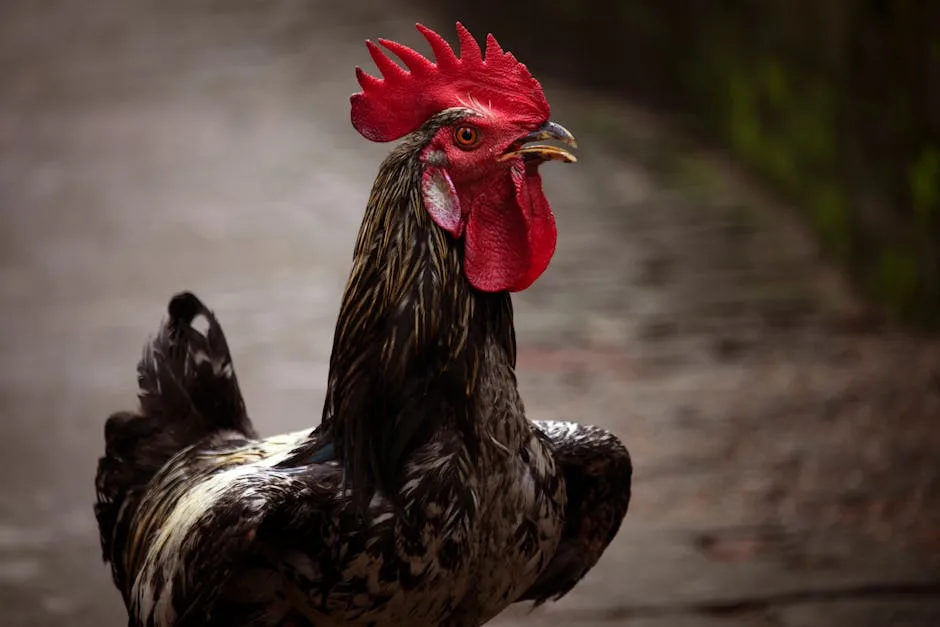
The comb is your quickest read. A bright, plump red comb means good circulation and health. Pale points to anemia from parasites, purple or blue signals oxygen or heart trouble, and shriveled often means the bird has stopped laying and is running down. Droppings are your second-best tool: bloody droppings scream coccidiosis, while green droppings with no solids usually mean a bird has quit eating.
Viral Diseases
Viral diseases have one thing in common: there is no drug that kills the virus. Treatment is supportive, and prevention through vaccination and biosecurity does the heavy lifting.
Marek's Disease
Marek's is the viral disease most likely to blindside a new keeper. It is a herpesvirus that spreads through feather dander and dust, and it is hardy in the environment.
Symptoms: Progressive paralysis is the classic sign, often one leg stretched forward and one back. You may also see a hen with a drooping wing, a cloudy or gray iris, weight loss despite eating, or sudden death from internal tumors. It usually strikes birds between 6 and 30 weeks old.
Treatment: None. Affected birds do not recover and should be culled to reduce viral load in the flock.
Prevention: Vaccination at the hatchery on day one is the only reliable defense. When you buy chicks, ask whether they were vaccinated for Marek's. Because the virus lives so long in a contaminated coop, a farm that has had Marek's should vaccinate every future batch.
Infectious Bronchitis
A coronavirus that spreads through the air and moves through a flock quickly.
Symptoms: Coughing, sneezing, watery eyes, and nasal discharge, along with a sharp drop in egg production. The giveaway is the eggs themselves: soft-shelled, wrinkled, misshapen, or with watery whites. In chicks, infection can permanently damage the reproductive tract, creating "false layers" that never lay properly.
Treatment: No specific cure. Keep birds warm and hydrated and watch for secondary bacterial infections, which may need antibiotics.
Prevention: A vaccine exists and is often combined with the Newcastle vaccine. Good ventilation and quarantine of new birds help a lot. If your hens suddenly lay a batch of weird eggs, our egg problems troubleshooting guide can help you sort a disease cause from a diet or age cause.
Fowl Pox
A slow-spreading poxvirus, not related to human chickenpox.
Symptoms: The dry form causes wart-like, scabby lesions on the comb, wattles, and face. The wet form produces yellow lesions inside the mouth and throat that can block breathing and is more dangerous.
Treatment: No cure. Most birds with the dry form recover on their own in a few weeks. Keep the flock well fed and watch that lesions near the eyes or throat do not interfere with eating or breathing.
Prevention: Mosquitoes are a main spreader, so control standing water. A vaccine is available and worth it in areas where fowl pox is common.
Newcastle Disease
Caused by avian paramyxovirus. Mild strains are common; the virulent (exotic) strain is a serious, reportable disease.
Symptoms: A mix of respiratory signs (gasping, coughing), digestive signs (greenish diarrhea), and neurological signs (twisted neck, tremors, paralysis, circling). Egg production crashes.
Treatment: Supportive care only. Virulent Newcastle disease must be reported to authorities and is handled by culling and quarantine to protect the wider poultry population.
Prevention: Vaccination and strict biosecurity. Keep wild birds and their droppings away from your flock's feed and water.
Avian Influenza (Bird Flu)
Influenza A viruses, carried mainly by wild ducks and geese. High-pathogenicity strains are devastating and reportable.
Symptoms: Sudden death with few warning signs, purple or swollen combs and wattles, swelling around the head, respiratory distress, and neurological signs. Whole flocks can die within days.
Treatment: None. Suspected cases are reported and infected flocks are depopulated to stop spread.
Prevention: This is a biosecurity disease. Keep your flock away from ponds and wild waterfowl, avoid tracking in droppings on your boots, and consider keeping birds under cover during regional outbreaks. Report any sudden die-off to your state veterinarian.
Bacterial Diseases
The good news with bacterial diseases is that many respond to antibiotics. The catch is that several leave survivors as lifelong carriers, so prevention still matters.
Mycoplasma Gallisepticum (MG)
Also called chronic respiratory disease, MG is one of the most common respiratory illnesses in backyard flocks.
Symptoms: Swollen sinuses (a puffy face around the eyes), foamy or bubbly eyes, sneezing, nasal discharge, and reduced laying. Symptoms flare when birds are stressed.
Treatment: Antibiotics such as tylosin or tetracyclines ease symptoms, but infected birds remain carriers for life and will infect flockmates and their own chicks. Many keepers choose not to breed from or add to an MG-positive flock.
Prevention: Buy from MG-clean hatcheries, quarantine new birds, and reduce stress and dust. Because MG passes through the egg, hatching your own eggs from carriers just continues the cycle.
Infectious Coryza
A bacterial infection (Avibacterium paragallinarum) with one unmistakable calling card.
Symptoms: Swollen face and wattles, sticky nasal discharge, and a strong foul odor. If you open the coop and something smells rotten, coryza jumps to the top of the list.
Treatment: Sulfa drugs and other antibiotics under a vet's guidance clear the active infection, but survivors stay carriers.
Prevention: Quarantine, all-in all-out flock management, and not mixing birds from many sources. Once coryza is in a flock, new additions keep getting sick.
Fowl Cholera
Caused by Pasteurella multocida, often introduced by rodents, wild birds, or contaminated water.
Symptoms: The acute form causes sudden death, sometimes with purple wattles and no other warning. The chronic form brings swollen wattles and joints, lameness, and respiratory signs.
Treatment: Antibiotics help, but relapses are common once treatment stops.
Prevention: Rodent control is key, along with clean water and a vaccine in problem areas. Keeping feed in sealed containers and staying on top of rodents around the feed cuts the risk.
Salpingitis (Lash Egg)
An infection of the oviduct, usually from E. coli or other bacteria climbing up from the vent, and sometimes a complication of MG or bronchitis.
Symptoms: The hallmark is a lash egg, a rubbery, layered mass of pus and tissue passed instead of a normal egg. The hen may stand upright like a penguin, lose weight, and act off for weeks.
Treatment: Antibiotics may help if caught very early, but by the time a lash egg appears the infection is usually advanced and the outlook is poor. Our detailed lash egg guide explains what you can and cannot do.
Prevention: Reduce reproductive stress, keep vents clean, and treat respiratory disease promptly since it can lead here.
Parasitic Diseases
Parasites are the most common health problem in backyard flocks, and the most treatable once you spot them.
Coccidiosis
Caused by Eimeria protozoa, coccidiosis is the number-one killer of chicks and one of the first diseases most keepers meet.
Symptoms: Bloody or watery droppings, lethargy, ruffled feathers, huddling near heat, pale comb, and reduced appetite. It hits hardest in chicks between 3 and 8 weeks old, especially in damp brooders.
Treatment: Amprolium, sold as Corid, in the drinking water. Start at the first sign of blood in the droppings; coccidiosis can kill within a day or two once symptoms show.
Prevention: Medicated chick starter, bone-dry bedding, clean waterers, and not overcrowding. A coccidiosis vaccine is also available. Our week-by-week chick guide covers brooder setup that keeps coccidiosis at bay.
Worms (Internal Parasites)
Roundworms, cecal worms, tapeworms, and gapeworm all affect chickens.
Symptoms: Gradual weight loss despite a good appetite, pale comb, dull feathers, diarrhea, and dropping egg numbers. Gapeworm is different, causing gasping, head shaking, and a stretched-neck "gape" as worms block the windpipe.
Treatment: A poultry dewormer such as fenbendazole. Our chicken dewormer guide walks through products, dosing, and egg-withdrawal timing.
Prevention: Rotate range areas, keep runs dry, and avoid overstocking. Wet, muddy ground concentrates worm eggs.
Mites and Lice (External Parasites)
External parasites drain a flock's health and can cause anemia heavy enough to kill.
Symptoms: Restless, itchy birds, feather loss around the vent, a pale comb from blood loss, and a drop in laying. Red mites hide in coop cracks by day and feed at night, so check roosts after dark. Scaly leg mites lift and crust the leg scales.
Treatment: Permethrin sprays and dusts on birds and in the coop, repeated to catch newly hatched mites. Our mite treatment guide covers the full plan.
Prevention: A dust bath helps birds manage parasites naturally, and regular coop cleaning removes hiding spots.
Fungal and Management Conditions
Not every problem is contagious. Several common conditions come from the environment or from a bird's own body.
Aspergillosis (Brooder Pneumonia)
A fungal infection from breathing in Aspergillus spores in moldy bedding or feed. It does not spread bird to bird.
Symptoms: Labored breathing, gasping, and gulping air, most often in chicks in a damp brooder. There is no rattling like a bacterial respiratory disease.
Treatment: Difficult once advanced. Remove the moldy source immediately and support unaffected birds.
Prevention: Store feed dry, never use moldy bedding, and keep brooders well ventilated.
Bumblefoot
A staph infection that enters through a small cut on the footpad, common in heavy breeds that land hard off high roosts.
Symptoms: Swelling and a dark, hard scab on the bottom of the foot, sometimes with limping.
Treatment: Clean the wound, soak in Epsom salts, remove the plug, and keep it bandaged and clean. Severe cases need a vet. A stocked first aid kit makes this manageable at home.
Prevention: Lower roosts, smooth perches, and clean, soft bedding.
Sour Crop, Impacted Crop, and Egg Binding
These are digestive and reproductive emergencies rather than infections, but they land many birds in the sick pen. A crop that is squishy and sour-smelling in the morning (sour crop) or hard and packed (impacted crop) signals the digestive system has stalled. Egg binding shows up as a hen straining, standing penguin-style, and pumping her tail with no egg passing. Warmth, calcium, and a warm bath often help egg binding; both crop and binding cases can turn serious fast, so read up before you need to act.
Vent Gleet
A yeast overgrowth in the vent, often tied to diet or a run-down immune system.
Symptoms: A pasty, foul discharge around the vent, soiled feathers, and a reddened vent.
Treatment: An antifungal, a clean-up of the vent area, and probiotics to rebalance gut flora.
A Simple Sick-Chicken Response Plan
When you find a bird that is clearly unwell, work through the same steps every time:
- •Isolate. Move the bird to a warm, quiet spot such as a large dog crate. This protects the flock and stops bullying.
- •Support. Offer fresh water with electrolytes, easy-to-reach feed, and gentle warmth. A hydrated, warm bird has a much better chance.
- •Observe and record. Note every symptom, when it started, and how fast it is changing. This is gold if you end up calling a vet.
- •Match to a likely cause. Use the comb, droppings, and behavior to narrow the list before you treat.
- •Treat the right thing. Do not throw antibiotics at a viral or parasitic problem. Antibiotics do nothing against Marek's or coccidiosis and can make gut health worse.
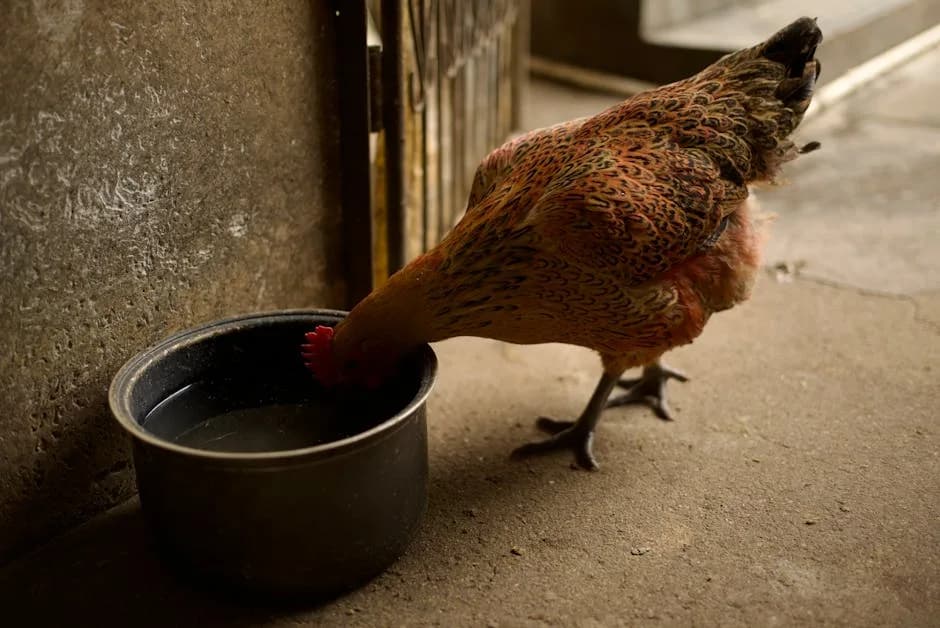
Clean water is the single most useful tool you have. Whether the problem is heat, parasites, or infection, a bird that keeps drinking buys you time to figure out what is wrong.
Biosecurity: Keeping Disease Out
Most of the diseases above are far easier to prevent than to cure. A few habits keep the vast majority of illness out of a backyard flock:
Quarantine new birds for 30 days. This is the rule keepers break most often and regret most. House new or returning birds well away from the flock, care for them last, and watch for any sign of illness before mixing. Our guide to introducing new chickens covers how to do the final introduction safely.
Keep wild birds out. Cover feed, clean up spills, and do not let your flock share water sources with wild waterfowl. Wild birds are the main source of both avian influenza and Newcastle disease.
Control rodents. Store feed in metal cans, seal gaps in the coop, and stay ahead of mice and rats that carry cholera and Salmonella.
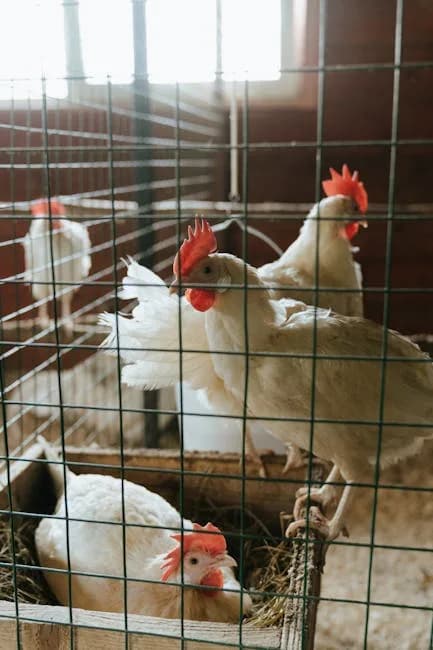
Keep the coop dry and airy. Damp bedding breeds coccidiosis, mold, and respiratory disease. Good ventilation without drafts is one of the best investments you can make; our coop building guide and bedding comparison both cover this.
Practice clean habits. Wash your hands after handling birds, keep a dedicated pair of coop shoes, and do not share equipment with other flocks without cleaning it. If you visit a poultry swap or a friend's coop, change clothes and shoes before going near your own birds.
Feed for immunity. A balanced diet builds birds that shrug off challenges. Our feeding guide explains the protein and calcium levels laying hens need.
Vaccinations Worth Considering
You cannot vaccinate against everything, but a few shots prevent the worst diseases:
- •Marek's disease: The most important vaccine, given to day-old chicks at the hatchery. Always worth requesting when you order chicks.
- •Newcastle and bronchitis: Often given together, useful in areas where these circulate.
- •Fowl pox: Worth it where mosquitoes and pox are common.
- •Coccidiosis: An alternative to medicated feed for chicks, though you should not use both at once.
If you hatch your own chicks at home, you can still order Marek's vaccine and administer it in the first day of life. For most backyard keepers, buying vaccinated chicks from a reputable hatchery is the simplest path.
Reportable Diseases and When to Call a Vet
Two diseases are not yours to handle alone. Avian influenza and virulent Newcastle disease are reportable to your state veterinarian and USDA. Signs that should trigger a call include sudden death of several birds at once, swollen purple heads, and neurological signs spreading through the flock. Reporting protects your flock and every flock around you, and officials can help confirm the cause.
Beyond the reportable diseases, call a vet or your local agricultural extension office when:
- •Multiple birds show the same symptoms, suggesting a flock-wide problem.
- •Respiratory signs do not improve within a few days.
- •A bird has neurological signs like head twisting, circling, or seizures.
- •You suspect egg binding or a prolapsed vent that you cannot resolve.
- •You simply are not sure what you are dealing with. A poultry-savvy vet or extension agent can often identify a disease from symptoms and a photo.
Common Mistakes Keepers Make
Skipping quarantine. Adding a new bird straight to the flock is the fastest way to import disease. Thirty days of separation prevents more heartache than any medicine.
Reaching for antibiotics first. Antibiotics do nothing against viruses like Marek's or parasites like coccidia, and overuse breeds resistance. Identify the problem before you treat.
Ignoring the coop. Chasing symptoms in individual birds while leaving damp bedding, poor airflow, and rodent access in place means the problem keeps coming back.
Waiting too long. Because chickens hide illness, the window to act is short. A bloody-dropping chick or a gasping bird needs help today, not tomorrow.
Assuming one sick bird is the whole story. Where there is one case of a contagious disease, there are usually more brewing. Check the entire flock whenever you find a sick bird.
Getting the fundamentals right from the start prevents most disease. If you are new to all of this, our beginner's guide to raising backyard chickens lays out the healthy-flock basics.
Frequently Asked Questions
What is the most common disease in backyard chickens?
Coccidiosis and external parasites (mites and lice) are the most common problems most keepers encounter, especially in chicks and in damp conditions. Among named contagious diseases, Marek's and Mycoplasma gallisepticum are the ones backyard flocks meet most often. Good brooder hygiene and quarantine prevent the majority of cases.
Can chicken diseases spread to humans?
A few can, and these are called zoonotic diseases. Salmonella is the main concern and is why you should always wash your hands after handling birds, eggs, or coop equipment. Avian influenza can rarely infect people, which is another reason to report suspected cases rather than handle them yourself. Most common chicken diseases, including Marek's and coccidiosis, do not affect humans.
How do I know if my chicken has a virus or a bacterial infection?
You often cannot tell from symptoms alone, which is why guessing and dosing with antibiotics is risky. Bacterial respiratory diseases like MG and coryza tend to bring swollen sinuses, foul odor, and discharge, and they may respond to antibiotics. Viral diseases like Marek's and Newcastle bring paralysis or neurological signs and do not respond to any drug. When in doubt, a vet or extension lab can test and confirm.
Should I treat the whole flock or just the sick bird?
For contagious diseases like coccidiosis or a respiratory outbreak, treat the whole flock, since exposed birds are likely infected even if they look fine. For an individual problem like bumblefoot or egg binding, treat only the affected bird. Always isolate a visibly sick bird either way to reduce spread and bullying.
Can chickens recover from disease on their own?
Some can. Birds with the dry form of fowl pox or a mild respiratory bug often recover with supportive care alone. Others, like Marek's or advanced salpingitis, do not recover, and supportive care only prolongs suffering. Warmth, clean water with electrolytes, and easy access to food give a recoverable bird its best chance.
How can I prevent disease in my flock?
Quarantine every new bird for 30 days, keep the coop dry and well ventilated, control rodents and wild-bird contact, feed a balanced diet, and vaccinate chicks for Marek's. These habits prevent far more disease than any treatment cures. Clean water and clean bedding do more day to day than any supplement.
What should be in a chicken first aid kit for disease?
Keep amprolium (Corid) for coccidiosis, a poultry-safe dewormer, permethrin for mites, electrolyte and vitamin powder, a poultry-safe antiseptic, vet wrap and gauze for bumblefoot, and a set of gloves. A dedicated hospital crate rounds it out. Our first aid kit guide lists the full setup.
When is a chicken disease an emergency I need to report?
Report to your state veterinarian or USDA whenever you see sudden death of several birds at once, swollen purple heads, or neurological signs spreading quickly, which can indicate avian influenza or virulent Newcastle disease. These diseases threaten the wider poultry population, and fast reporting protects everyone. When unsure, a phone call costs nothing.
The best defense against every disease on this list is a keeper who watches their birds daily and knows what normal looks like. Catch the early signs, keep the coop clean and dry, quarantine newcomers, and you will spend far more time enjoying your flock than nursing it. Bookmark our sick chicken symptoms guide as your day-to-day companion to this reference.
Sources:
- •Merck Veterinary Manual. Poultry chapter. https://www.merckvetmanual.com/poultry
- •University of Florida IFAS Extension. Common Poultry Diseases. https://edis.ifas.ufl.edu/
- •Mississippi State University Extension. Poultry Disease. http://extension.msstate.edu/
- •USDA APHIS. Defend the Flock biosecurity program. https://www.aphis.usda.gov/livestock-poultry-disease/avian/defend-the-flock-program
Related Guides
Best Chicken Mite Treatment That Actually Works (2026)
The chicken mite treatments that work in 2026: permethrin, spinosad, and the new prescription drink Exzolt, with label rates, egg rules, and a 10-day routine.
HealthChicken Egg Problems: 10 Common Issues and How to Fix Them
Soft shells, weird shapes, no eggs at all? Here are 10 common chicken egg problems, what causes them, and exactly how to fix each one.
Health12 Sick Chicken Symptoms Every Owner Should Recognize
Learn to spot 12 common sick chicken symptoms before it's too late. Covers behavioral changes, physical signs, and when to call a vet.
HealthChicken Vent Health: Pasty Butt, Prolapse, Egg Binding
Pasty butt, vent gleet, prolapse, and egg binding: how to spot each chicken vent problem, treat it safely at home, and know when to call a vet.