Can Chickens Eat Grapes? Yes, With Two Cautions
Chickens can eat grapes, seeds and all. The kidney damage grapes cause in dogs is not reported in poultry. How many to feed, choking risk, and raisins.
Researched from university extension, USDA, and veterinary sources. How we research.
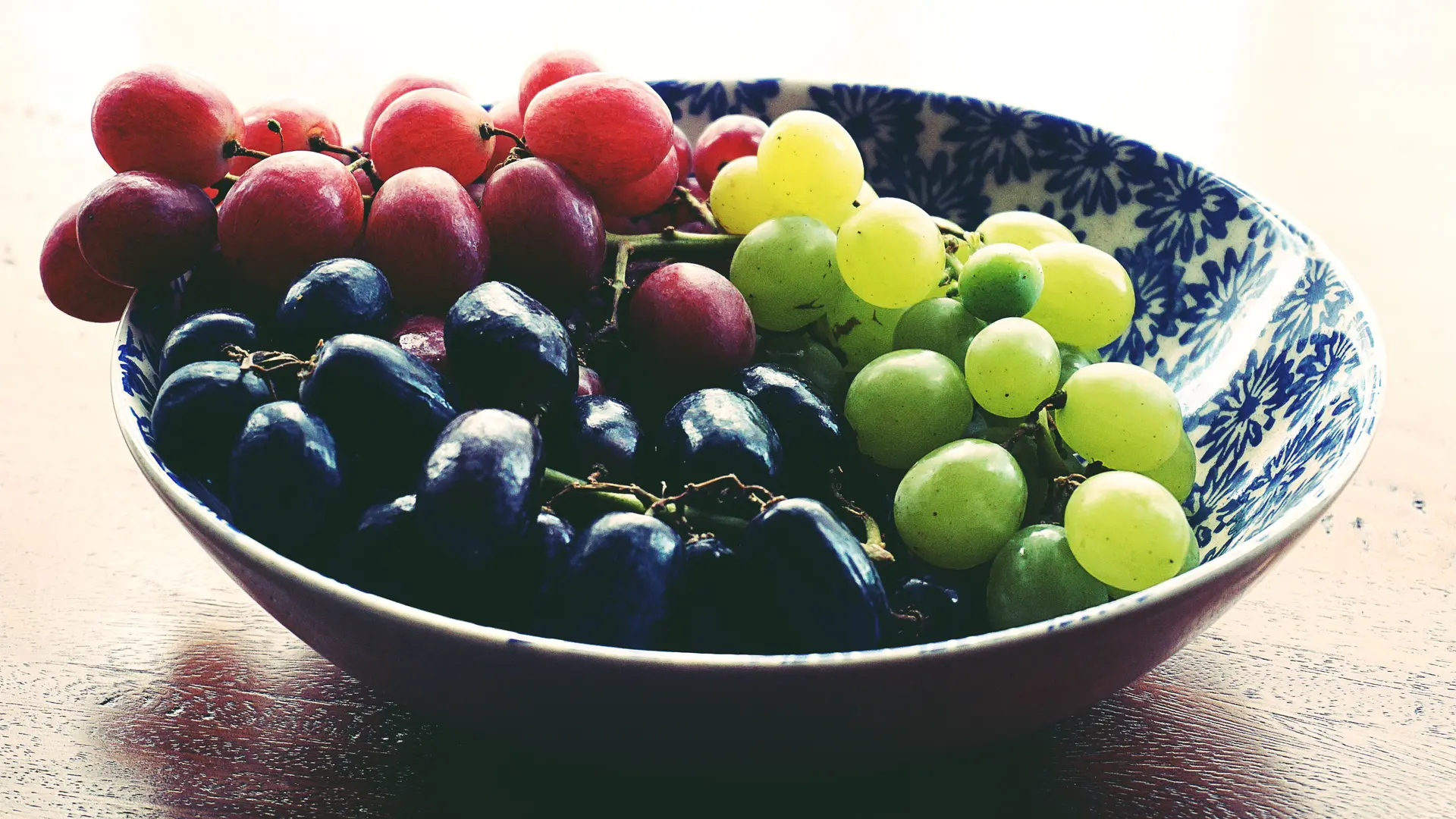
Yes, chickens can eat grapes, seeds and skins included, and most flocks treat them like candy. The two cautions are size and sugar: a whole grape is a choking risk for a small bird that swallows it sideways, and grapes are sweet enough that a hen filling up on them is not eating her feed. Neither is a reason to skip them. Halve them for small birds, keep the count low, and grapes are one of the easiest treats you can hand a flock.
If you have a dog, you have probably heard that grapes are poisonous. That warning is about dogs, and this guide explains why it does not carry over to chickens. It also covers seeds, raisins, vines, chicks, and how many grapes a chicken should actually get.
Are Grapes Safe for Chickens?
Yes. Grapes contain nothing that is toxic to poultry. The extension feeding guides that list foods to keep away from chickens, including the University of Florida's ten-item never list, do not include grapes, and there is no veterinary literature describing grape poisoning in chickens.
The confusion comes from dogs. Grapes and raisins cause acute kidney injury in dogs, and veterinary researchers have tied that to tartaric acid, a compound grapes carry in unusual amounts. That toxicity is documented in dogs. Chickens eat grapes off the vine in every vineyard that keeps a flock for pest control, and backyard keepers have fed grapes for as long as there have been backyard chickens, without the kidney failure seen in dogs. If you keep both species, keep the grapes for the hens and the dog out of the run.
What Is in a Grape
Per the USDA's figures for raw red or green grapes, 100 grams is about 80 percent water, with roughly 16 grams of sugar, under a gram of fiber, a little potassium and vitamin K, and not much else. That makes grapes:
- •Hydrating. Useful on a hot day, though watermelon does the same job with less sugar.
- •Sugary. More than most fruit a hen will see. This is the reason for the small-count rule below.
- •Low in protein. Grapes give a hen nothing her layer feed does not, so they are entertainment, not nutrition.
Grape Seeds, Skins, and Stems
Seeds are fine. Grape seeds do not contain the cyanide-releasing compounds found in apple seeds and stone-fruit pits, and a hen's gizzard grinds them without trouble. Seedless grapes are convenient but not safer.
Skins are fine and are where most of the fiber is. Wash grapes first, since supermarket grapes carry pesticide residue and a hen eats the skin.
Stems are best pulled off. Not because they are toxic, but because a hen will swallow a woody bit of stem with the grape and stems are indigestible.
Can Chickens Eat Grape Vines and Leaves?
Grape leaves are safe and chickens that range near a vine will strip the lower leaves. The vines themselves are woody and not something a hen will eat in quantity. The only real concern is spray: if the vines have been treated with fungicide, which most fruiting grapevines are, keep the flock off them until the label's re-entry interval has passed.
Can Chickens Eat Raisins?
Yes, in very small amounts. Raisins are grapes with the water removed, which concentrates the sugar several times over. Two or three raisins per bird is a treat; a handful is a sugar bomb. Raisins are also a choking size for small birds and swell in the crop. Fresh grapes are the better choice when you have them.
How Many Grapes Can a Chicken Eat?
Think per bird, not per flock. Two to four grapes per standard hen, a few times a week, sits comfortably inside the treat allowance. For bantams, halve both the grapes and the count. The extension guideline for all treats combined is no more than the flock finishes in about 20 minutes, and grapes vanish faster than that, so the count is the limit that matters.
Watch for these signs you are overdoing it:
- •Loose, watery droppings. Too much sugar and water at once.
- •Hens ignoring their feed at the next meal.
- •A drop in eggs over a couple of weeks, which means treats are displacing the feed that makes eggs.
The Choking Risk
Chickens do not chew. They swallow whole and let the crop and gizzard do the work, which is fine for a grape going down the right way and a problem for a grape lodged sideways in the throat of a small bird. Standard hens handle whole grapes without much trouble. For bantams, Silkies, chicks, and any hen you have seen gulp and stretch her neck, halve them. It takes ten seconds and removes the only real risk grapes carry.
Grapes also trigger the chase. Toss a handful into a run and every bird grabs one and runs, which is fun to watch and the reason to scatter them rather than pile them: a pile means one hen guarding it and the others going without.
Can Baby Chicks Eat Grapes?
Not in the first couple of weeks, when starter feed should be the whole diet. After that, a grape chopped into quarters is a fine occasional treat, with chick grit available in the brooder from the first day treats appear. Skip raisins for chicks entirely. See our brooder setup guide for the feed and grit setup.
Grapes vs Other Fruit Treats
Grapes are the sweetest common fruit a hen sees, which is the main reason to keep the count small. Per 100 grams, from USDA figures:
| Fruit | Water | Sugar | Fiber | Notes |
|---|---|---|---|---|
| Grapes | 80 percent | About 16 g | Under 1 g | Sweetest of the group; halve for small birds |
| Apples | 86 percent | About 10 g | 1 to 2 g | Core them; seeds carry amygdalin |
| Strawberries | 91 percent | About 5 g | 2 g | Lowest sugar; tops and leaves fine |
| Bananas | 75 percent | About 12 g | 2 to 3 g | Soft; peels only chopped |
| Watermelon | 91 percent | About 6 g | Under 1 g | The best hot-day fruit |
If you are choosing one fruit to feed regularly, strawberries or watermelon beat grapes on sugar. If the flock has a choice, they will pick the grapes every time.
Wine Grapes and Grape Pomace
Wine and juice grapes are the same fruit and just as safe. The pressed pulp left after crushing, called pomace, is a different matter. It is mostly skins and seeds, it ferments within a day or two, and fermented fruit is on the extension never list because of the alcohol. If you have a vineyard flock, let the birds glean fallen fruit off the ground but keep them out of the pomace pile, or feed a small amount of fresh pomace the same day it is pressed and compost the rest.
Frozen Grapes in Summer
Frozen grapes are a good hot-weather treat. Freeze them halved on a tray, toss a few into the run in the afternoon, and the flock gets cold water in a form they will chase. It is one of the tricks in our summer chicken care guide, alongside frozen watermelon and shallow water pans.
Frequently Asked Questions
Are grapes poisonous to chickens?
No. The kidney damage grapes cause in dogs, linked to tartaric acid, is documented in dogs and is not reported in chickens. Grapes appear on no extension list of foods toxic to poultry.
Can chickens eat grape seeds?
Yes. Grape seeds carry none of the cyanide compounds found in apple seeds, and the gizzard grinds them. Seedless grapes are not safer, just tidier.
Can chickens eat raisins?
A few. Raisins are concentrated sugar and a choking size for small birds, so two or three per hen is plenty. Fresh grapes are better.
How many grapes can I give my chickens?
Two to four per standard hen a few times a week, halved for bantams. Keep all treats combined to what the flock finishes in about 20 minutes.
Can chickens eat grape leaves and vines?
Leaves yes, and ranging birds will strip the low ones. Keep the flock off sprayed vines until the fungicide label's re-entry period has passed.
Will grapes affect my hens' eggs?
Not directly. Too many treats of any kind can lower egg count by displacing layer feed, so keep the count small.
Bottom Line
Grapes are safe for chickens, seeds and all. The dog warning does not apply. Halve them for small birds, wash them, keep it to a few per hen, and pull the stems. Beyond that, the hardest part of feeding grapes is getting them to the run before you eat them yourself. For the full list of safe and unsafe foods, see what can chickens eat.
Sources:
- •USDA FoodData Central. Grapes, red or green (European type, such as Thompson seedless), raw. FDC ID 174683. https://fdc.nal.usda.gov/food-details/174683/nutrients
- •UF/IFAS Extension Holmes County. 10 Foods You Should Never Feed Chickens (grapes are not on the list). https://blogs.ifas.ufl.edu/holmesco/?p=28475
- •Poultry Extension (eXtension). Feeding Chickens for Egg Production in Small and Backyard Flocks (treat limits, grit). https://poultry.extension.org/articles/feeds-and-feeding-of-poultry/feeding-chickens-for-egg-production/
- •Bates N, et al. Acute kidney injury in dogs following ingestion of cream of tartar and tamarinds and the connection to tartaric acid as the proposed toxic principle in grapes and raisins. Journal of Veterinary Emergency and Critical Care 2022. https://pubmed.ncbi.nlm.nih.gov/35869755/
Related Guides
Can Chickens Eat Apples? Yes, But Core Them First
Chickens can eat apples, skin and all, but the seeds carry amygdalin, which releases cyanide. How much a hen would need to eat, how to feed apples, and cores.
Feed & NutritionCan Chickens Eat Bell Peppers? Fruit Yes, Plant No
Chickens can eat bell peppers, seeds and all. The plant is a nightshade, so leaves and stems stay off the menu. Hot peppers, colors, how much, and chicks.
Feed & NutritionCan Chickens Eat Celery? Yes, If You Chop the Strings
Chickens can eat celery stalks and leaves, but long celery strings can bind a hen's crop. How to chop it, how much to feed, and the signs of an impacted crop.
Feed & NutritionCan Chickens Eat Mushrooms? Store-Bought Yes, Wild No
Chickens can eat store-bought mushrooms raw or cooked. Wild mushrooms are the risk: Merck's poisoning guide, why hens usually ignore them, and what to feed.