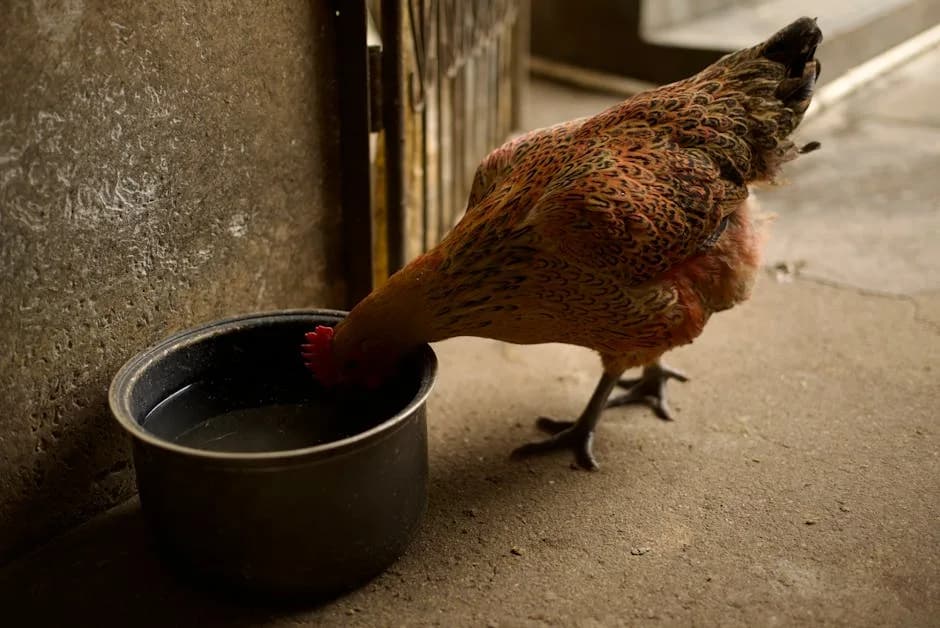
Best Chicken Water Nipples and Cups (2026)
The best chicken water nipples, cups, and automatic waterer kits for a clean, no-mess flock. Horizontal nipples vs cups compared, with real prices.
Researched from university extension, USDA, and veterinary sources. How we research.
If you are still dumping green water out of an open fount every couple of days, nipples and cups are the upgrade that ends that chore. Both seal the water away from feet, droppings, and sunlight, so what your birds drink stays as clean as what came out of the hose. The water in the bucket does not turn into a science experiment, and you stop scrubbing.
Top pick: RentACoop 2 Gallon High Rise Waterer with Cups and Nipples. Comes ready to hang with two auto-fill cups, horizontal nipples, and an anti-roost cone. Around $50, and it covers 8 to 12 birds.
Best DIY route: a RentACoop horizontal nipple kit (around $18) drilled into a 5-gallon bucket you already own. The cheapest clean-water setup there is.
We keep chickens, so this list comes from running these fittings on real buckets through real summers and winters, not a spec sheet. Below is what actually seals, what the birds learn fastest, and where to spend versus where to save.
Quick Answer: Best Nipples and Cups
| Need | Pick | Price |
|---|---|---|
| Best overall (ready to hang) | RentACoop 2 Gal High Rise | ~$50 |
| Small flock or brooder graduate | RentACoop 1 Gallon | ~$44 |
| Fully automatic (hose-fed) | Xyingshine Float Valve 2 Gal | ~$33 |
| Big flock pipeline system | QVVCOOP Complete Set | ~$40 |
| Best nipple kit for a bucket | RentACoop Nipple Kit | ~$18 |
| Cheapest nipples | senylanhxy 12-Pack | ~$10 |
| Best cup kit (easiest to learn) | RentACoop Auto-Fill Cups | ~$12 |
| Best value cups | Harris Farms Cups | ~$18 |
What You'll Learn
- •How We Picked
- •Nipples vs Cups: Which Is Right for You
- •Best Ready-to-Use Nipple and Cup Waterers
- •Best Automatic Float-Valve Systems
- •Best DIY Nipple Kits
- •Best DIY Cup Kits
- •How to Build a Bucket Waterer
- •How Many Nipples or Cups You Need
- •What a Clean Watering Setup Costs
- •Common Mistakes
- •Frequently Asked Questions
How We Picked
Three things separate a waterer you forget about from one you fight with: it has to seal without leaking, the birds have to learn it in a day or two, and it has to keep working when the temperature swings. We weighted those over everything else.
We also stuck to fittings and kits that are in stock and ship as the exact item described. Watering parts are a flooded category on Amazon, full of near-identical generic packs, so brand track record and real seal quality matter more than the lowest sticker price. Where a cheap pack is genuinely as good as a name brand, we said so. Where it is not, we pointed you at the one that does not weep all over your bedding.
No free units, no paid spots. These are the parts we would drill into our own buckets.
Nipples vs Cups: Which Is Right for You
Both keep the reservoir sealed. The difference is how the bird gets the water out.
Horizontal nipples stick straight out of the side of a bucket or pipe. The bird pecks a little pin and water trickles onto its beak. These are the gold standard for clean water because nothing opens up, nothing holds a puddle, and dirt has nowhere to collect. Horizontal nipples are far easier for chickens to use than the old vertical push-up style, which made birds tip their heads straight up. If you want the lowest maintenance and the driest bedding, nipples win.
Vertical nipples hang from the bottom of a container and release water when the bird pushes up on the pin. They work, and they are cheap, but they drip more than horizontal ones and some birds never fully figure out the upward angle. We do not recommend them when a horizontal nipple costs the same.
Cups have a small trigger paddle or float inside a little bowl. When the bird pecks the paddle, or the water level drops, the cup refills itself. Cups hold a visible sip of water, which is why chickens learn them almost instantly: they can see and reach the water the way they expect to. The trade-off is that the open cup can catch a bit of feed dust or a stray feather, so it is not quite as hands-off as a sealed nipple.
Float-valve systems take either style and connect it to a garden hose through a float, the same mechanism as a toilet tank. The float holds a set level and tops the system off automatically, so you are not refilling a bucket at all. This is the closest thing to never thinking about water again, as long as your hose will not freeze.
A simple rule: if you want the cleanest water and the least fuss, go nipples. If you have chicks or a nervous flock that needs to see the water, go cups. If you want to stop carrying water entirely and have a hose nearby, go float valve.
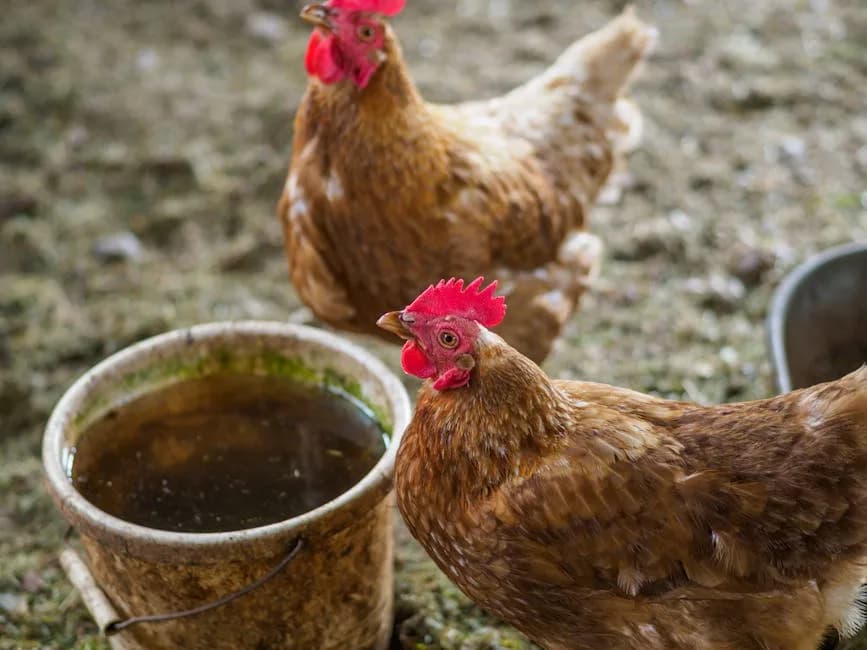
That bucket above is exactly what nipples and cups prevent. Open water in warm weather grows algae in about 48 hours, and birds foul it with their feet within the first morning. Sealed water stays clear for as long as the reservoir lasts.
Best Ready-to-Use Nipple and Cup Waterers
If you do not want to drill anything, these ship assembled and ready to fill.
At a Glance
| Waterer | Capacity | Outlets | Best for | Price |
|---|---|---|---|---|
| RentACoop 2 Gal High Rise | 2 gal | 2 cups + nipples | 8 to 12 birds | ~$50 |
| RentACoop 1 Gallon | 1 gal | 2 cups + nipples | 3 to 6 birds | ~$44 |
1. RentACoop 2 Gallon High Rise Waterer: Best Overall
RentACoop 2 Gallon High Rise Waterer with Cups and Nipples. Around $50
This is the one we point most people to, because it skips the whole buy-parts-and-drill step and still gives you both styles on one container. It comes with two auto-fill cups and horizontal nipples already installed, an anti-roost cone on top so birds cannot perch and foul it, and a mounting kit to hang it at the right height.
Why it works: Having both cups and nipples on the same waterer covers every bird. Timid hens and new layers go for the visible cups, while the rest use the nipples, and nobody gets bottlenecked. The 2-gallon size carries a flock of 8 to 12 through a normal day, and the high-rise design keeps the outlets up out of the bedding where they stay clean.
One thing to know: Hang it so the nipples sit at about the height of your birds backs. Too low and they strain down, too high and the smallest hens cannot reach. The cone is worth keeping clipped on even if your coop is covered, since it stops droppings from above.
2. RentACoop 1 Gallon Waterer: Best for Small Flocks
RentACoop 1 Gallon Waterer with Cups and Nipples. Around $44
Same design as the 2-gallon, scaled down for three to six birds or for a brooder graduate moving out to a small coop. It has the two auto-fill cups, horizontal nipples, and the anti-roost cone, just in a lighter one-gallon body that is easy to lift and rinse.
Why it works: A gallon is plenty for a handful of hens for a full day, and the smaller size fits a compact coop or run where a 5-gallon bucket would be in the way. It is a clean step up for anyone just off the chick brooder stage who wants sealed water without a big rig.
One thing to know: For more than six birds, size up to the 2-gallon or add a second station. One gallon runs low faster than you think on a hot afternoon, and you never want a flock out of water in the heat.
Best Automatic Float-Valve Systems
Connect these to a hose and they refill themselves. Just confirm your water line will not freeze before you rely on one through winter.
3. Xyingshine 2 Gallon Float-Valve Waterer: Best Fully Automatic
Xyingshine 2 Gallon Automatic Waterer with Float Valve. Around $33
This is a self-contained 2-gallon reservoir with four cups and a float valve, and it comes with a 60-inch hose, legs, and hooks so you can stand it, hang it, or mount it to the fence. Hook it to a water source and the float keeps the level steady on its own.
Why it works: You get the no-refill convenience of a plumbed system without building any pipe. The four cups spread drinking spots around so lower-ranking hens are not blocked, and the kit includes cleaning tools, which most generic sets skip. For a flock that is hard to get to every day, this is the hands-off pick.
One thing to know: It only stays automatic as long as the hose has water in it. In freezing weather you will either drain it and run it as a fill-and-go reservoir or switch to a heated waterer for the cold months.
4. QVVCOOP Complete Watering System: Best for Big Flocks
QVVCOOP Complete Automatic Chicken Watering System. Around $40
If you are running a big flock or a long run, this pipeline kit is built to stretch. It is a 3-gallon float-controlled set with 8 cups and 8 nipples plus the PVC tees and fittings (85 pieces in all) to plumb a line down the length of a coop or run.
Why it works: Spreading 16 drinking points along a pipe means a dozen or more birds can water without crowding, and the float keeps the whole line topped off from one reservoir. It is the most water access per dollar on this list, and you can lay it out to match your space instead of clustering everyone at one fount.
One thing to know: This is the most involved setup here. Budget an afternoon to cut and fit the pipe, and test the whole run for leaks before you trust it. Once it is dialed in it is close to maintenance-free, but the first install is real work.
Best DIY Nipple Kits
Already have a bucket? These turn it into a sealed waterer for the price of lunch.
5. RentACoop Horizontal Nipple Kit: Best Nipple Kit
RentACoop Horizontal Nipple Waterer Kit, 12 Pack. Around $18
This is the kit most experienced keepers recommend, and it is the one we run. You get 12 horizontal nipples, a dribble dish to catch the odd drop, the correctly sized drill bit, and an install tool. Drill them into any food-grade bucket or length of PVC and you have a clean waterer that lasts for years.
Why it works: Horizontal nipples rarely leak when they are seated right, and the included dribble dish keeps your bedding dry under each one. Twelve nipples is enough for a couple of buckets or a long pipe, so you have spares. One 5-gallon bucket with three or four of these waters 10 to 12 birds for several days.
Why keepers love it: This is the most-recommended bucket conversion in the backyard chicken world by a wide margin. The nipples hold their seal far better than the no-name packs, and the kit includes the exact drill bit so you are not guessing at hole size.
6. senylanhxy Horizontal Nipples: Cheapest Option
senylanhxy Horizontal Chicken Waterer Nipples, 12 Pack. Around $10
When you just need working nipples and want to spend as little as possible, this pack does the job. Twelve ABS-and-stainless horizontal nipples with the drill bits included, at the floor price for this part.
Why it works: The design is the same proven horizontal style as the pricier kits, and for a bucket you are just testing the concept on, there is no reason to spend more. Seat each one with its washer and snug it a quarter turn and they hold.
One thing to know: Generic packs are a little more variable than name brand. Test each nipple after you install it, keep the packaging in case one weeps, and have a spare on hand. At this price, buying a backup pack still costs less than one brand-name kit.
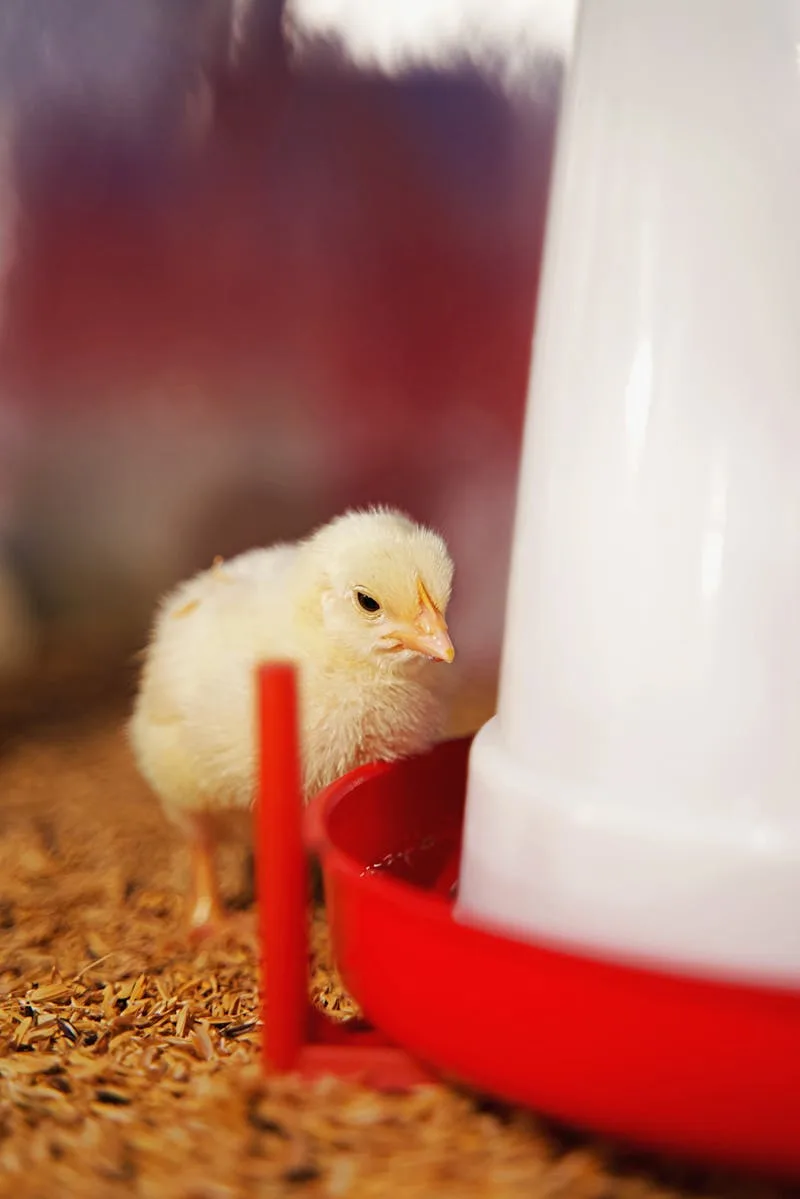
Best DIY Cup Kits
Cups show the birds the water, so a nervous flock or a group of pullets takes to them fast.
7. RentACoop Auto-Fill Cup Kit: Best Cup Kit
RentACoop Auto-Fill Cup Waterer Kit, 2 Pack. Around $12
Two auto-fill cups (plus a bonus cup) that mount to a bucket or bin and refill themselves as the level drops. No trigger paddle for the birds to learn, since the float does the work, so chickens, ducks, and turkeys all take to them right away.
Why it works: The visible pool of water in each cup is the fastest thing for a bird to understand, which makes these the easy choice when you are converting a skittish flock off an open fount. The auto-fill float keeps the cup full without overflowing, so your bedding stays dry.
One thing to know: Open cups catch a little more feed dust than sealed nipples, so give each cup a quick swish when you top off the bucket. RentACoop also sells cup covers if roosting dirt is a problem in your setup.
8. Harris Farms Gravity-Fed Cups: Best Value Cups
Harris Farms Gravity-Fed Poultry Watering Cups, 6 Count. Around $18
Harris Farms is a name you will see at the feed store, and these six gravity-fed cups are a solid, no-drama way to put sealed cups on a bigger bucket or a longer run. Durable plastic, simple install, and enough cups to spread several drinking spots around.
Why it works: Six cups is the right count for a mid-size flock that needs more than a couple of stations, and the brand has the track record to back the seal. They install the same way as any cup: drill, thread in with the washer, and fill.
One thing to know: Like any cup, they sit a touch more open than a nipple, so they are best under a covered run or paired with the anti-dirt covers. For the cleanest possible water in an exposed spot, a nipple edges them out.
How to Build a Bucket Waterer
The DIY route is the cheapest clean-water setup there is, and it takes about 20 minutes. Here is the process we use.
- •Start with a clean, food-grade bucket. A 3 to 5 gallon bucket with a tight lid is ideal. Wash out any residue if it held anything before.
- •Mark your spots. Put the nipples or cups 2 to 3 inches up from the bottom so sediment stays below them, spaced about 4 inches apart. Plan one outlet for every two birds.
- •Drill the exact hole size. Horizontal nipples usually want an 11/32-inch bit and cups a 3/8-inch bit. Use the bit your kit includes. A hole that is too big will never seal.
- •Thread each fitting in by hand. Seat the rubber washer, start it straight so you do not cross-thread, then snug it a quarter turn with pliers. Tight enough to seal, not so tight it cracks.
- •Fill and lid it. Press the lid on to cut evaporation and keep debris out, then set or hang the bucket at the height of your birds backs.
- •Check for drips and teach the flock. Watch for ten minutes and tighten any fitting that weeps. Tap a nipple or cup a few times so the birds see the water move. Most learn within a day.
Raise the bucket on a block or hang it so droppings and scratched bedding cannot reach the outlets. That one step keeps the whole thing clean.
How Many Nipples or Cups You Need
A rough guide for sizing your drinking points:
- •3 to 6 chickens: a 1 to 3 gallon reservoir with 2 to 3 nipples or cups
- •6 to 12 chickens: a 5-gallon bucket with 4 nipples, or a system with 4 to 8 cups
- •12+ chickens: two stations, or a pipeline system with 8 or more outlets, placed in different spots
Plan on one outlet for every two birds as a floor, and always round up. Running out of water on a hot day is dangerous: dehydration kills a chicken faster than almost anything. Once your flock passes six birds, use at least two separate stations so a dominant hen cannot guard the only water and keep lower-ranking birds away.
Also match the reservoir to how often you want to refill. A single hen drinks about a pint a day in mild weather and close to double that in summer heat, so a 5-gallon bucket runs a flock of ten roughly three to four days before it needs a top-off.
What a Clean Watering Setup Costs
You do not need to spend much to stop scrubbing founts. Here is what a basic and an upgraded setup run:
| Item | Budget DIY | Upgraded |
|---|---|---|
| Waterer | Bucket you own + senylanhxy nipples (~$10) | RentACoop 2 Gal ready-to-use (~$50) |
| Convenience add | RentACoop cup kit (~$12) | Float-valve auto-fill (~$33) |
| Winter plan | Swap to a heated waterer when it freezes | Heated waterer on hand |
| Realistic total | ~$10 to $22 | ~$50 to $85 |
For most keepers, about $20 in parts and a bucket you already have turns into a clean waterer that lasts years. The ready-to-use rigs cost more but save you the drill-and-fit step and hand you both cups and nipples in one unit. Either way, budget separately for freezing weather, because no nipple or cup works once the water turns to ice. A little poultry-safe probiotics and electrolytes in the water during heat waves and cold snaps helps birds handle the stress.
Common Mistakes
Mounting the outlets too low. Nipples and cups down at bedding level get fouled with scratched litter and droppings within a day. Keep them at the height of your birds backs and raise the reservoir on a block.
Drilling the wrong hole size. A hole even slightly too big will never seal, and you will chase leaks forever. Use the exact bit your kit specifies, and if you do not have it, buy the kit that includes one.
Skipping the washer or over-tightening. Most leaks trace back to a washer that was left out, seated crooked, or a fitting cranked so hard the plastic cracked. Seat the washer, start the thread straight, and stop at a snug quarter turn past hand-tight.
Only running one drinking station. One waterer for a dozen birds creates a bottleneck. Bullied hens at the bottom of the pecking order may not drink enough, which drops egg production. Spread at least two stations once you pass six birds.
Assuming it handles winter. Sealed water freezes just like open water. If your temperatures drop below 32F you need a heated base, a heated waterer, or a bucket heater, or the nipples will ice shut. Plan for it before the first freeze.
Not teaching the flock. Birds coming off an open fount do not automatically know to peck a pin. Tap the nipples and cups so the water moves and they can see it, and leave the old waterer out for a day or two during the switch.
If you are still building out the rest of your coop, our guide to the best chicken feeders and waterers covers full feeding setups, and our coop camera guide helps you keep an eye on the water level without walking out there. Starting with chicks? The chick starter kit roundup and our week-by-week chick guide cover brooder-stage watering.
Frequently Asked Questions
Are nipples or cups better for chickens?
Nipples keep water the cleanest because nothing opens up to catch dirt, which makes them the best choice for low maintenance and dry bedding. Cups hold a visible sip of water, so birds learn them faster, which helps with chicks or a nervous flock switching off an open fount. Many keepers run both, and several ready-to-use waterers include each style on the same container.
How many water nipples do I need per chicken?
Plan on one nipple or cup for every two birds as a minimum, and round up. A 5-gallon bucket with three or four horizontal nipples waters a flock of 10 to 12. Once you pass six birds, split the outlets across at least two separate stations so a dominant hen cannot block the only water source.
What size hole do I drill for chicken water nipples?
Most horizontal nipples need an 11/32-inch hole, and most cups need a 3/8-inch hole, but always use the exact drill bit your kit specifies. A hole that is too large will not seal around the washer and will leak no matter how you tighten it. Good kits include the correct bit for this reason.
Do chicken water nipples leak?
Horizontal nipples rarely leak when they are installed right: correct hole size, washer seated, and snugged about a quarter turn past hand-tight. Most leaks come from a missing washer, a hole drilled too big, or a fitting cracked by over-tightening. A dribble dish under each nipple catches any stray drop and keeps bedding dry.
How do I teach chickens to use nipples and cups?
Tap the pin or trigger a few times so water moves and the birds can see it, since the motion and shine draw them in. Leave the old open waterer out for a day or two during the switch, then remove it so they commit to the new one. Cups are usually learned in minutes because the water is visible, while nipples can take a day.
Can I use a regular bucket for a nipple waterer?
Yes, any clean food-grade bucket works, and a 3 to 5 gallon bucket with a tight lid is ideal. Drill the nipples or cups 2 to 3 inches up from the bottom so sediment settles below them, use the lid to cut evaporation and debris, and raise the bucket so scratched bedding cannot reach the outlets.
Do nipple and cup waterers work in winter?
Not on their own. Sealed water freezes just like open water, so below freezing the nipples ice shut. You need a heated base under a metal bucket, a heated waterer, or a bucket heater to keep the line flowing. Our heated waterer guide covers the options for cold climates.
How often do I need to clean a sealed waterer?
Far less than an open fount. Because the water stays sealed from feet and sun, you mainly swap the reservoir water weekly and rinse the bucket every couple of weeks. Cups catch a little feed dust, so give them a quick swish when you top off. Nipples need almost nothing beyond the weekly water change.
The Bottom Line
Nipples and cups are the single best upgrade for anyone tired of scrubbing green water. For the least work, a RentACoop 2-gallon ready-to-use waterer hangs up with both cups and nipples and covers a dozen birds. To spend almost nothing, a nipple kit and a bucket you already own does the same job for under $20. Either way your flock drinks clean water and you get your weekends back.
For more on setting up the rest of your flock, see our beginner's guide to raising backyard chickens and our complete feeding guide.
Sources:
- •University of Kentucky Cooperative Extension. Small flock poultry watering and management. https://poultry.extension.org/
- •Mississippi State University Extension. Watering systems for small poultry flocks. http://extension.msstate.edu/
- •Penn State Extension. Poultry housing and equipment. https://extension.psu.edu/animals/poultry
- •Merck Veterinary Manual. Nutritional requirements of poultry: water. https://www.merckvetmanual.com/poultry
Product prices and availability are accurate as of the date shown and are subject to change. Any price and availability information displayed on Amazon at the time of purchase will apply to the purchase of this product.
Related Guides
Best Grit and Oyster Shell for Chickens (2026)
The best grit and oyster shell for backyard chickens. Insoluble grit for digestion and oyster shell for strong eggshells, compared by flock size and budget.
Gear ReviewsBest Chicken Saddles and Hen Aprons (2026 Reviews)
Top chicken saddles and hen aprons to protect bare-backed hens from rooster treading and feather pecking. Honest picks, sizing, and fit.
Gear ReviewsBest Chicken Coop Fans for Ventilation (2026 Reviews)
The best chicken coop fans for summer heat and winter moisture: solar exhaust fans, shutter fans, and quiet inline fans compared, with real prices.
Gear ReviewsBest Chick Starter Kits for Baby Chicks (2026)
The complete chick starter kit: brooder box, heat plate, feeder, waterer, and thermometer picks that keep baby chicks warm and thriving.